


By Kavya Patel, WFY Bureau | Art & Culture | The WFY Magazine, February, 2026, Edition
When Light Travelled East: 150 Years of Impressionism in Indian Hands
Light does not arrive everywhere at the same time.
Nor does it behave the same way once it does.
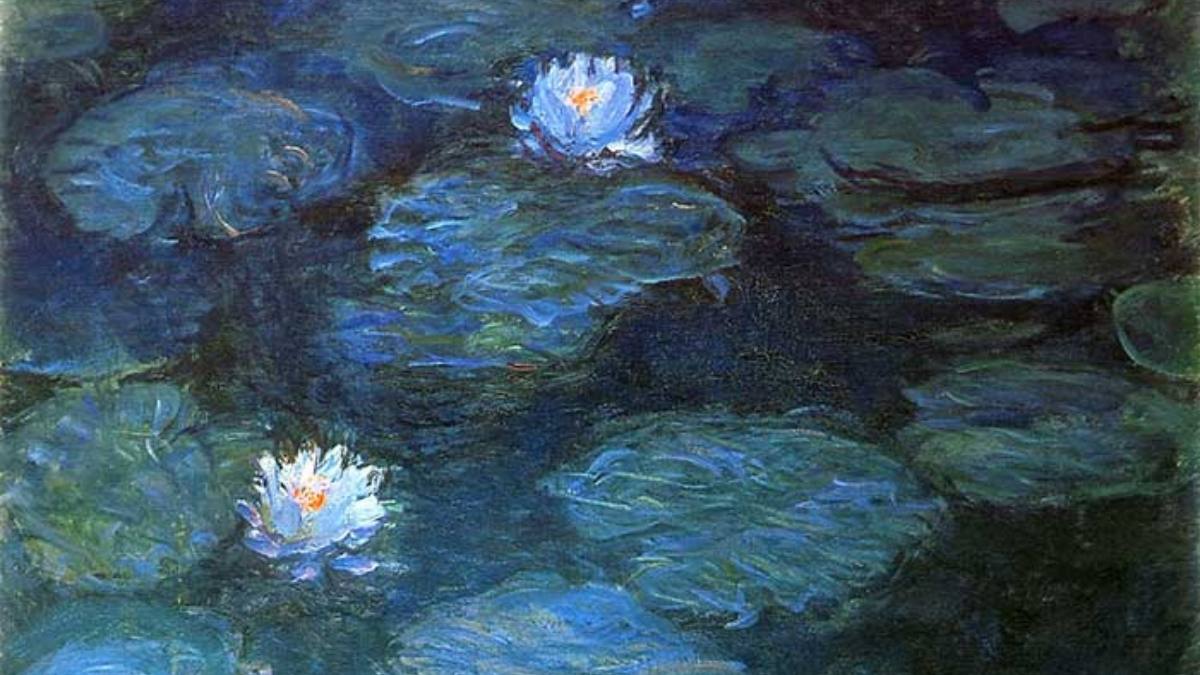
When Impressionism first unsettled Paris in the 1870s, it was not meant to become a global language. It was a response to a particular city, a particular modernity, and a particular impatience with rules. Yet, a century and a half later, its traces appear far from the boulevards of France, in places the original Impressionists never imagined. Along India’s coasts and rivers. In hill towns and harbours. In crowded streets and quiet backwaters. Not as imitation, but as translation.
In 2024, the world marked 150 years since the first Impressionist exhibition in Paris. For India, the anniversary carried a quieter significance. Impressionism did not arrive here as a revolution. It arrived late, partially, and unevenly. And when it did, Indian artists did not adopt it wholesale. They bent it. Slowed it down. Questioned it. And, in the process, reshaped it into something recognisably their own.
This is not a story of influence alone. It is a story of adaptation, resistance, and selective inheritance. Of how a European art movement rooted in rebellion found new meaning in a country navigating colonial rule, independence, and modernity on its own terms.
A Movement Born of Refusal
Impressionism began as an argument. Against academic realism. Against mythological grand narratives. Against the idea that art must polish reality into submission.

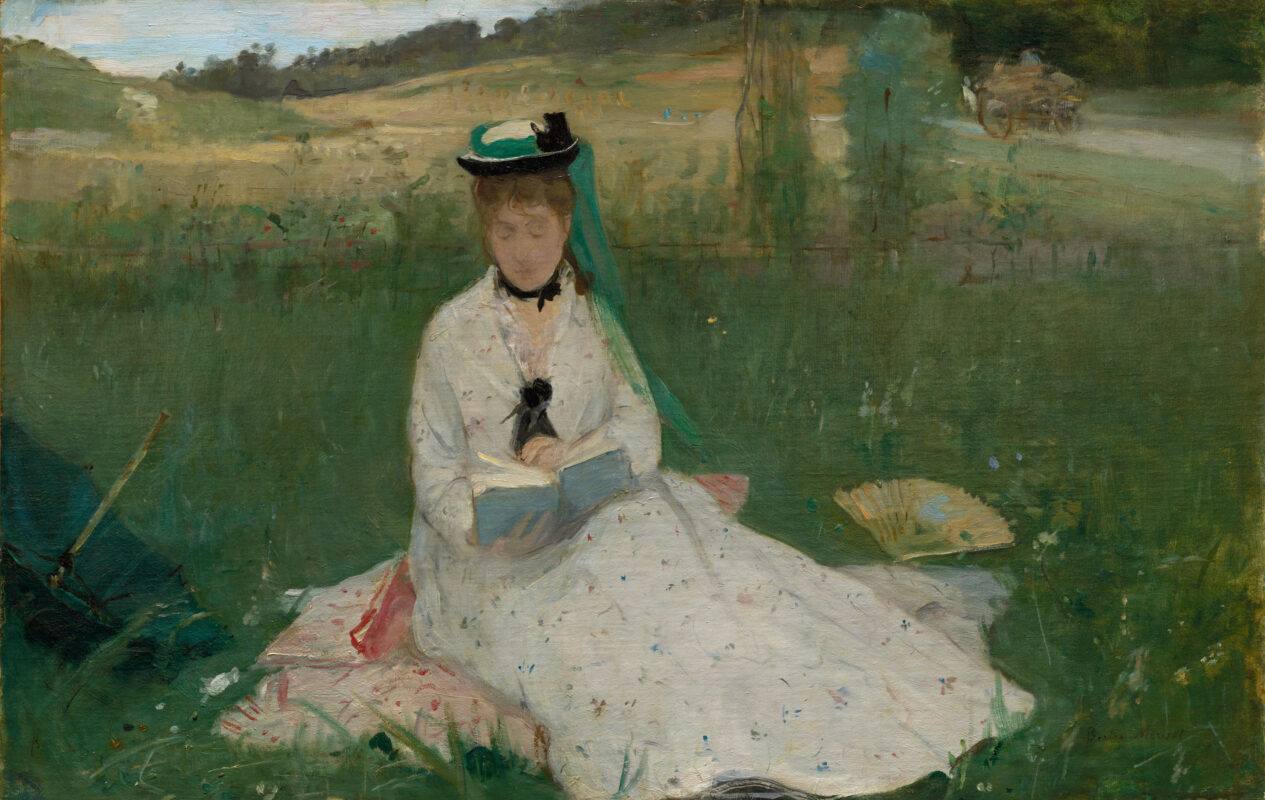
Artists such as Claude Monet, Edouard Manet, Camille Pissarro, and Edgar Degas painted modern life as it appeared, fragmented, fleeting, and often unfinished. Trains, cafés, dancers, gardens, streets. Light was no longer a tool for modelling form. It became the subject itself.
What mattered was not accuracy, but immediacy. Not permanence, but perception.
This philosophy, radical in 19th-century France, would take decades to filter into Indian art education. When it did, it encountered a very different set of questions.
India’s Delayed Encounter with Modernism
By the early 20th century, Europe had already moved through Impressionism into Post-Impressionism, Cubism, and abstraction. India, meanwhile, remained anchored in academic realism within its colonial art institutions.

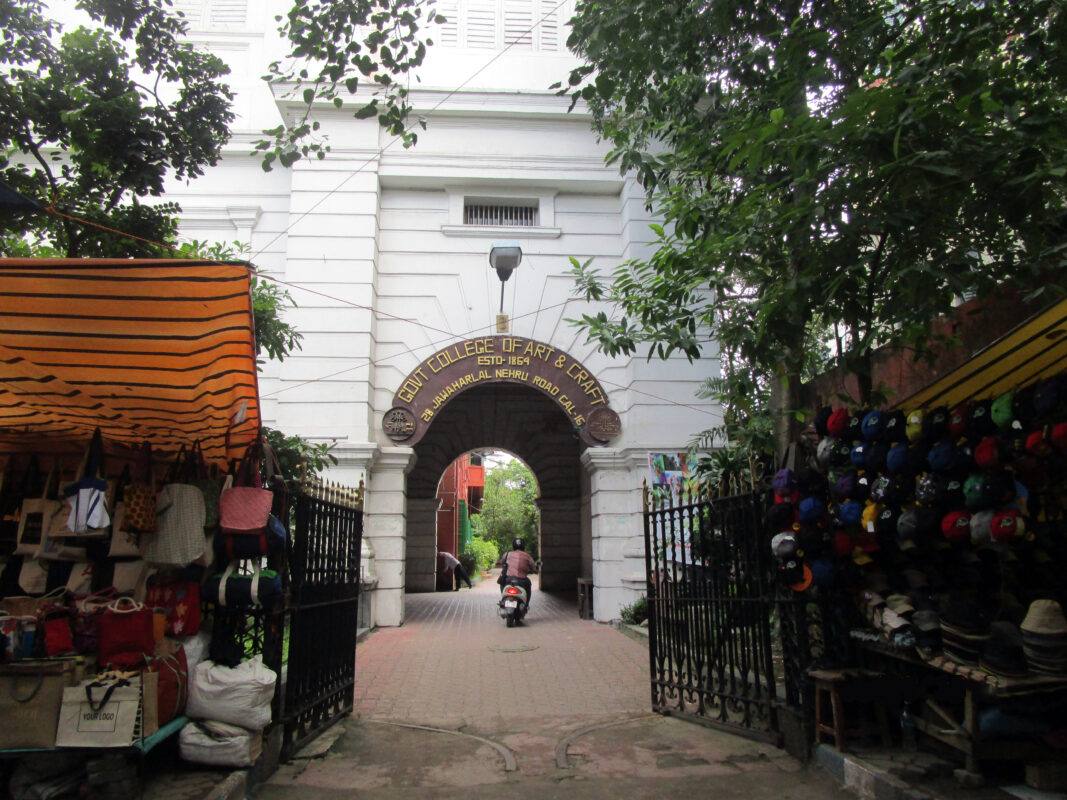
Art schools in Bombay, Calcutta, and Madras emphasised draftsmanship, anatomical precision, and classical themes. Access to original European artworks was almost non-existent. Reproductions, slides, and second-hand accounts were the norm. Impressionism, when discussed, was theoretical rather than experiential.
This delay mattered.
Indian artists did not meet Impressionism as a contemporary movement. They encountered it as history. Something to be understood, tested, and then either absorbed or abandoned.
And that distance created freedom.
Painting Outdoors, Seeing Home Anew
One of Impressionism’s defining practices was painting en plein air, outdoors, responding directly to light and atmosphere. For Indian artists, this approach aligned naturally with local habits of observation.
Artists such as V.B. Pathare, N.S. Bendre, and K.C.S. Paniker began experimenting with landscape not as scenery, but as lived environment. Backwaters, village edges, city peripheries. Light was not romanticised. It was functional, humid, harsh, or fading.

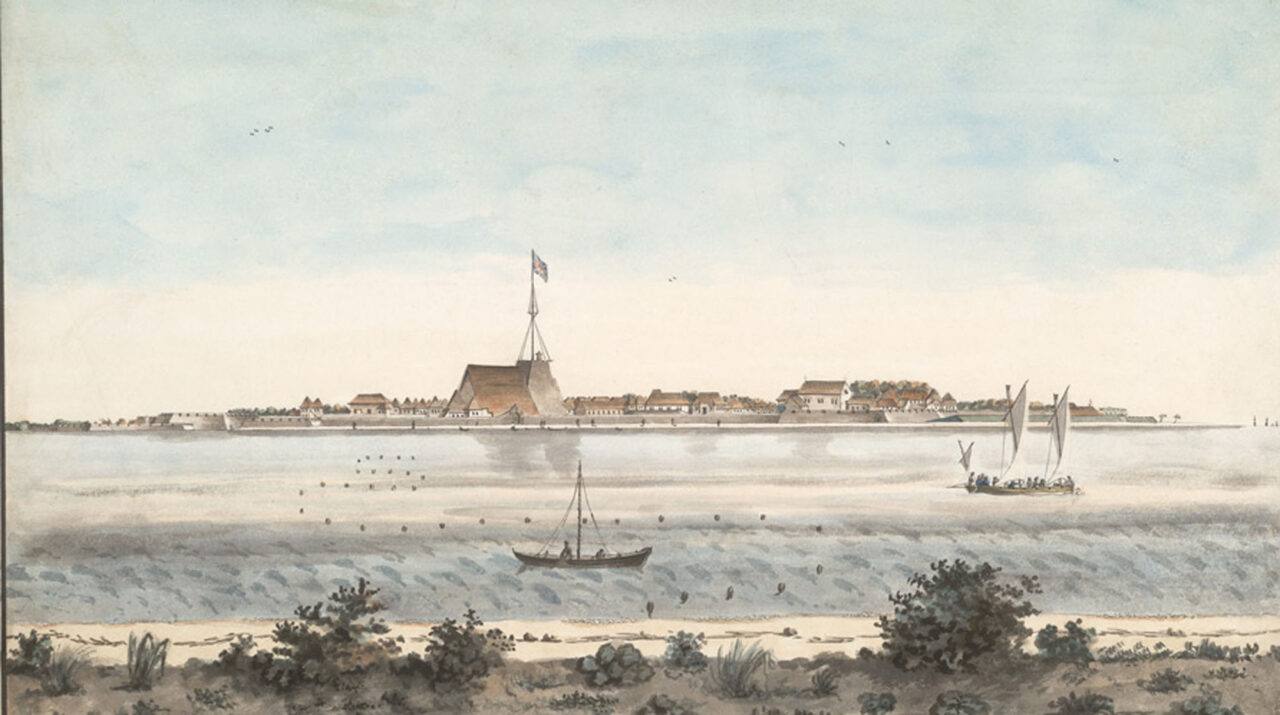
Paniker’s early landscapes, particularly from Kerala, demonstrate this transition clearly. The brush loosens. Colour gains autonomy. Yet the subject remains rooted in place. Boats, canals, houses, not as motifs, but as markers of daily life.
For many, Impressionism became a temporary grammar. Useful, but not final.
Brief Encounters, Lasting Effects
Several major Indian artists passed through Impressionism briefly before moving elsewhere. Jamini Roy experimented with Impressionist landscapes before rejecting European styles altogether in favour of folk-inspired idioms. Jehangir Sabavala fused Impressionist colour with cubist structure, producing a hybrid visual language that resisted easy classification.

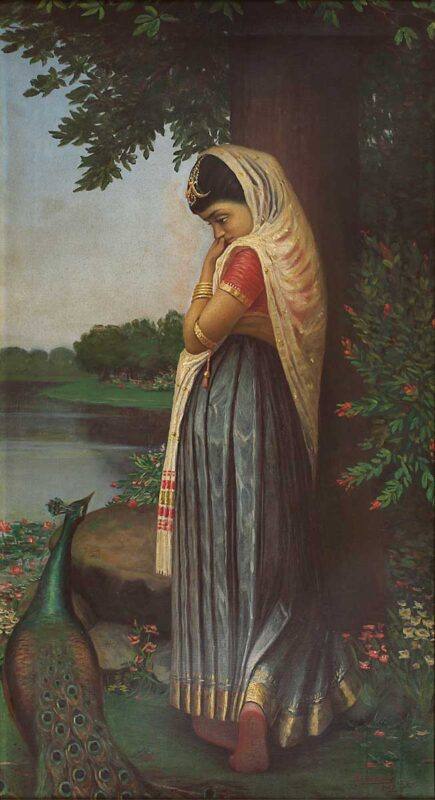
These departures were not failures. They were decisions.
Impressionism offered Indian artists permission to break away from strict realism. Once that permission was internalised, many felt no need to remain within its bounds.
Bengal, Bombay, and Diverging Paths
India’s regional art centres absorbed Impressionism differently.
In Bengal, where the wash technique and spiritual symbolism dominated, artists such as Gopal Ghose and Indra Dugar blended Impressionist sensitivity with poetic restraint. Landscapes became atmospheric rather than descriptive.

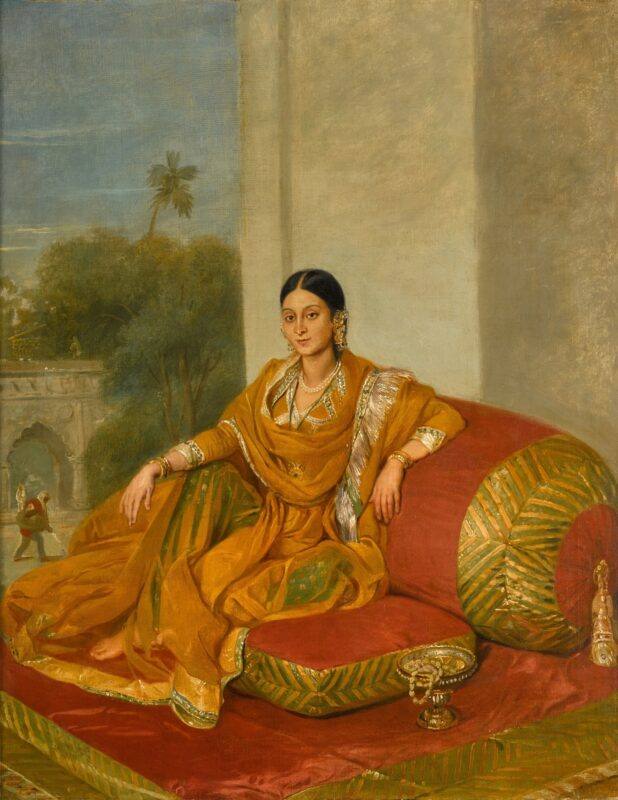
In Bombay, artists trained in academic realism, including Baburao Sadwelkar, embraced light-based painting more directly. Street scenes, harbour views, and city mornings were rendered with quick strokes and changing tonalities, reflecting urban rhythms.
Neither school sought fidelity to France. Each responded to its own geography.
The Progressive Artists and a New Synthesis
The formation of the Progressive Artists’ Group in the late 1940s marked a decisive shift in Indian modern art. While the group did not identify as Impressionist, its early members absorbed key lessons from the movement.

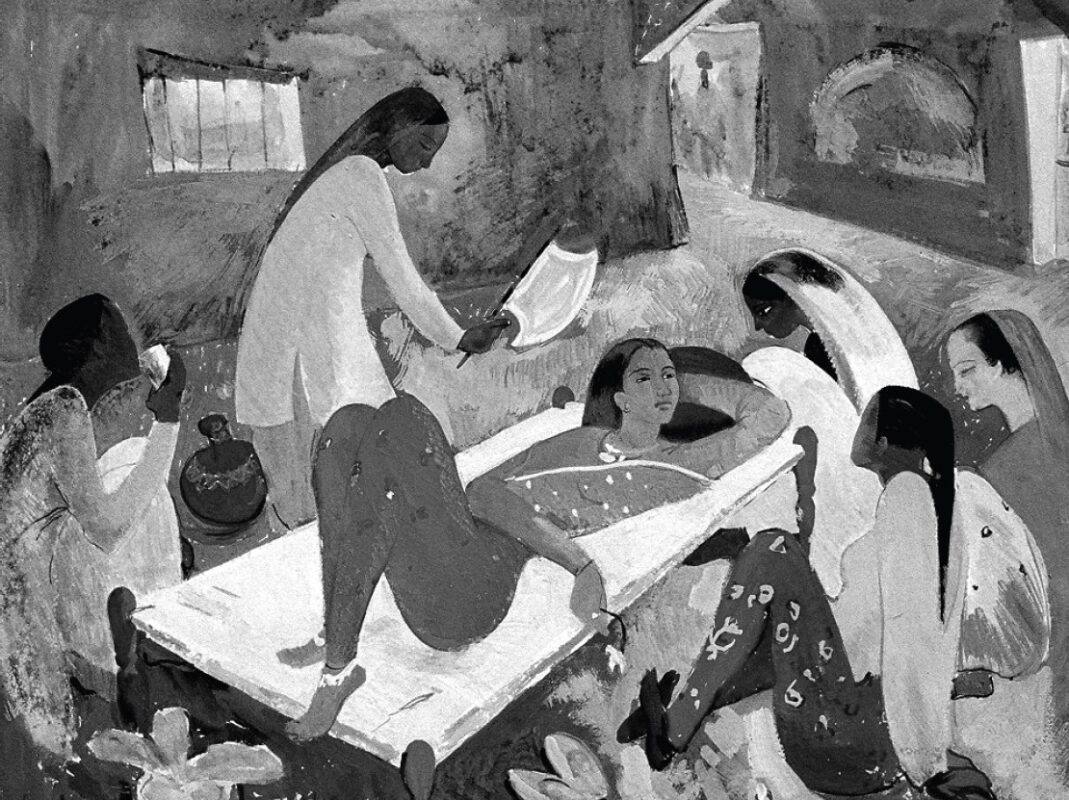
Artists such as S.H. Raza and F.N. Souza explored colour, light, and immediacy in their formative years. Raza’s early watercolours of Bombay reveal Impressionist tendencies before his later move towards abstraction and symbolism. Souza’s early landscapes carry energetic brushwork before darkening into more confrontational forms.
Impressionism here functioned less as a style and more as a release mechanism. It allowed artists to let go of inherited rules and search for their own visual ethics.
From Legacy to Echo
By the late 20th century, Impressionism was no longer a visible movement in Indian art. Yet its echoes persisted.

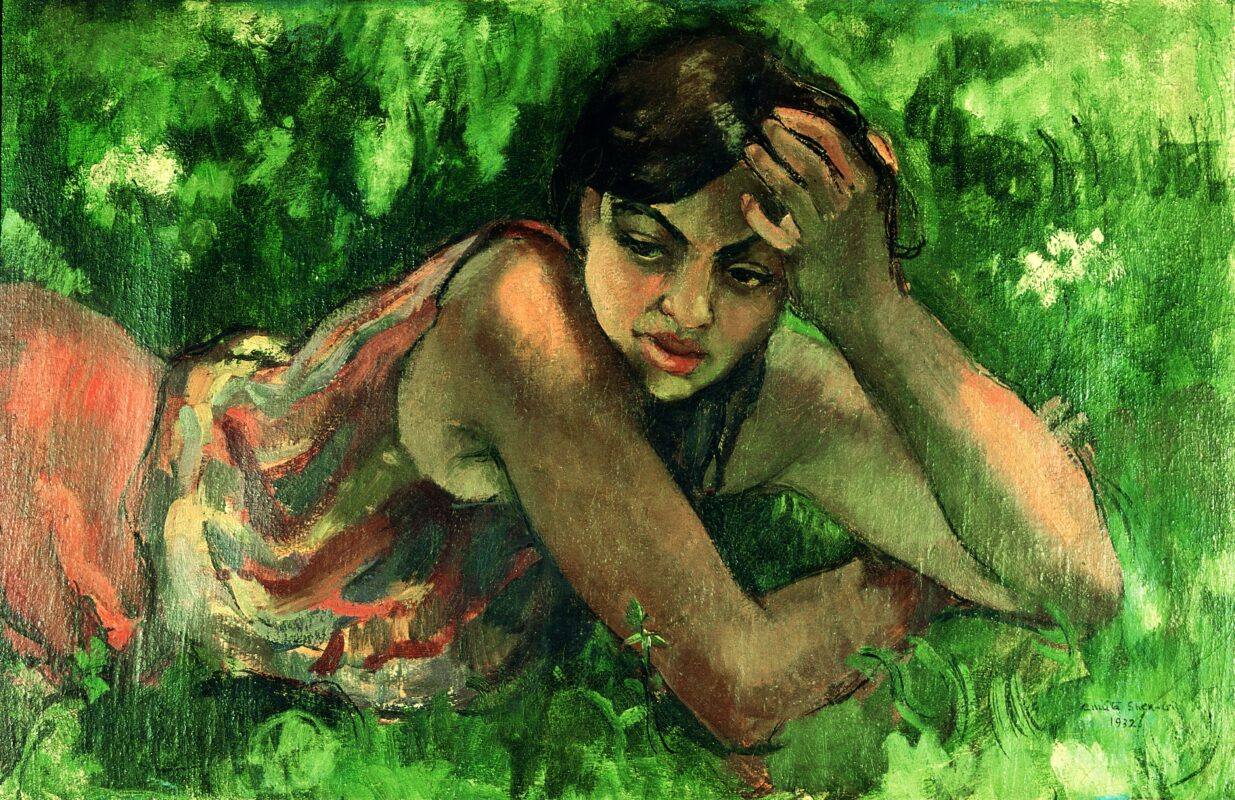
Artists such as Atul Dodiya have spoken, in their practice, of returning repeatedly to Impressionist principles. Not to copy brushwork, but to revisit the idea of transformation rather than representation. Dodiya’s engagement with realism carries a layered awareness of paint as surface, memory, and time.
Similarly, contemporary painters working outdoors or responding to light continue to draw, consciously or not, from Impressionist habits. Small canvases. Quick studies. Attention to atmosphere.
The influence is subtle, often unacknowledged, but present.
Why Impressionism Still Matters in India
The question, 150 years on, is not whether Indian artists were Impressionists. They were not.
The question is why Impressionism remains relevant.

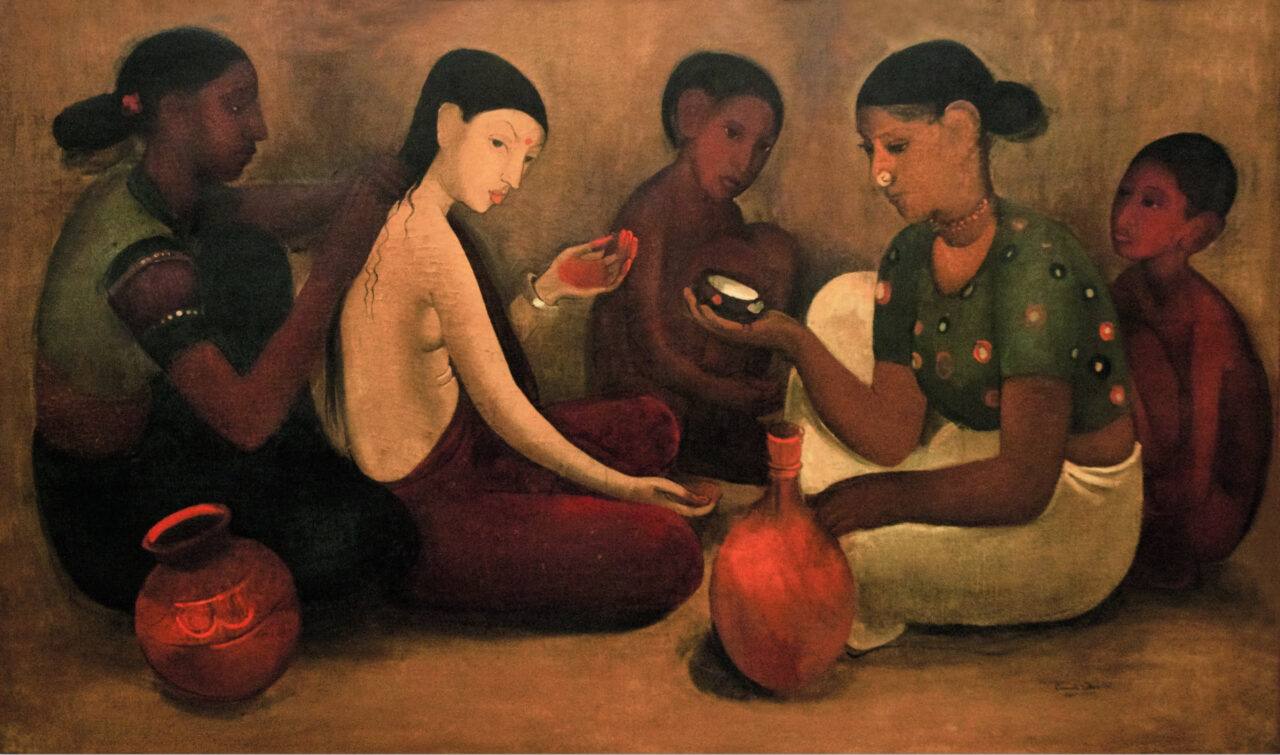
Part of the answer lies in its humility. Impressionism does not demand grand narratives. It values observation. Attention. The everyday.
In a country as visually dense as India, this approach resonates deeply. It allows artists to work with what is near, familiar, and immediate without reducing it to spectacle.
It also offers a reminder that modernity does not travel intact. It arrives fragmented. And in those fragments, new meanings emerge.
A Quiet Anniversary
There have been no major state-sponsored celebrations in India marking 150 years of Impressionism. No blockbuster exhibitions. No grand retrospectives.
Perhaps that is appropriate.
Impressionism’s Indian story has always been quiet. Lateral. Personal. It lives not in declarations, but in brushstrokes that loosened over time, in landscapes painted briefly before being left behind, in a way of seeing that prioritised light over line.
Its legacy is not a school. It is a habit of attention.
And that, perhaps, is its most enduring gift.

Disclaimer: This article is intended for cultural and educational purposes. Interpretations of artworks and movements reflect editorial analysis based on publicly available historical records and scholarly consensus as of early 2026. The WFY Magazine does not claim definitive authority over artistic intent or historical categorisation.