


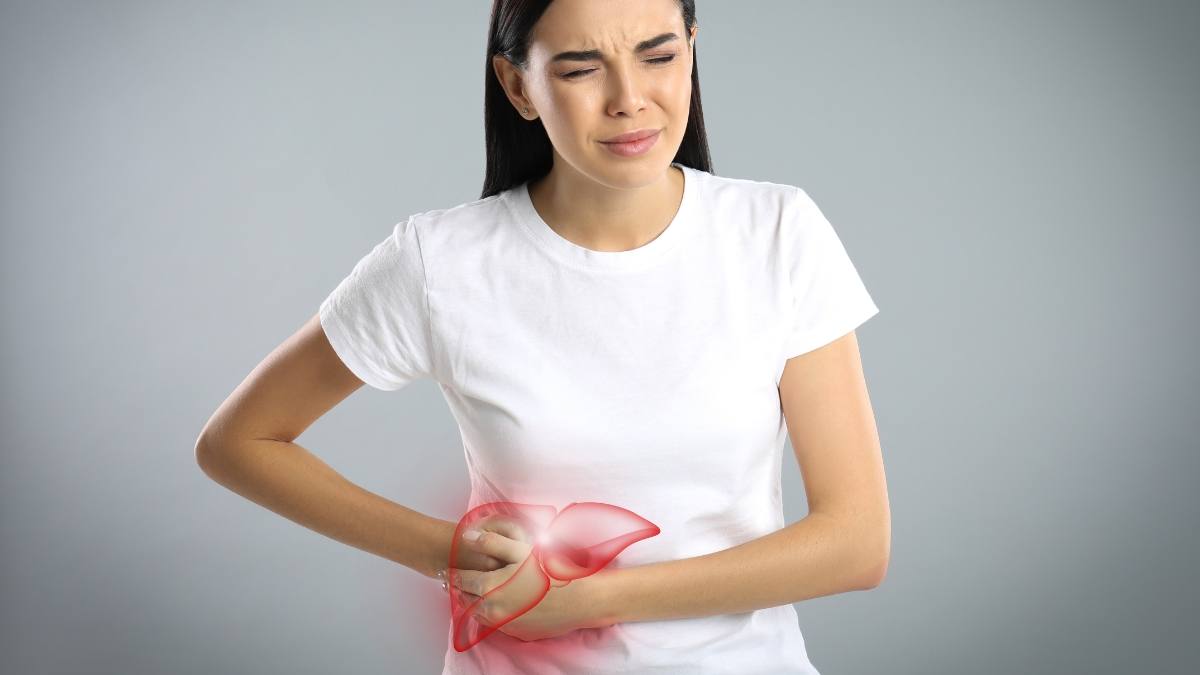
Beyond Alcohol: The Silent Everyday Habits That May Be Damaging Your Liver
By Priya Sharma
When conversations turn to liver health, alcohol is usually the first culprit that comes to mind. For decades, excessive drinking has been associated with liver disease, cirrhosis and liver failure. While alcohol remains a major threat, modern medicine is increasingly highlighting a surprising reality: many people who rarely drink, or do not drink at all, are developing serious liver problems.
Across the world, doctors are witnessing a growing epidemic of liver disease driven not by alcohol, but by lifestyle factors, dietary habits, metabolic disorders and everyday products that most people consider harmless. In fact, non-alcoholic fatty liver disease (NAFLD), now increasingly referred to as metabolic dysfunction-associated steatotic liver disease (MASLD), has become one of the most common liver disorders globally.
The liver is one of the hardest-working organs in the human body. It performs more than 500 essential functions, including filtering toxins, processing nutrients, producing proteins, regulating hormones, storing vitamins and supporting digestion. Unlike many organs, the liver has an extraordinary ability to regenerate itself. However, that resilience can sometimes be deceptive. Damage often develops silently over many years before symptoms become obvious.
Understanding what truly harms the liver and recognising early warning signs can make a significant difference in preventing long-term complications.
The Growing Global Liver Health Crisis
According to estimates published in major medical journals, nearly one in three adults worldwide may have some degree of fatty liver disease. In India, studies suggest that between 25% and 35% of urban adults show evidence of fatty liver, even among individuals who consume little or no alcohol.
Among Indian diaspora communities living in countries such as the United Kingdom, Canada, Australia and the United States, researchers have observed an increased vulnerability to metabolic conditions linked to liver disease. Several studies have found that South Asians often develop insulin resistance, diabetes and fatty liver disease at lower body weights than many other ethnic groups.
This means that a person who appears relatively healthy externally may still be at risk internally.
The growing prevalence of sedentary lifestyles, processed foods and metabolic disorders has transformed liver disease into a major public health concern.
The Liver: Your Body’s Silent Guardian
The liver performs an astonishing range of functions.
Every day it filters blood, neutralises toxins, helps digest fats, stores energy, regulates cholesterol, processes medications and supports immune function. It works continuously, often without receiving much attention until something goes wrong.
One reason liver disease can be dangerous is that symptoms often appear only after significant damage has already occurred.
Unlike a broken bone or an infected wound, the liver may continue functioning despite ongoing injury. As a result, many individuals remain unaware of problems until routine blood tests or advanced symptoms reveal them.
This makes prevention and awareness particularly important.
Hidden Threat Number One: Excess Sugar
Many people carefully monitor their alcohol consumption while overlooking something equally concerning: excessive sugar.
Modern diets contain unprecedented amounts of added sugars, particularly fructose. Soft drinks, packaged juices, flavoured yoghurts, breakfast cereals, desserts, candies and processed snacks often contain large quantities of sugar that can overwhelm the liver.
When excess fructose reaches the liver, it is converted into fat. Over time, this can lead to fatty liver disease, inflammation and, in severe cases, scarring.
Research increasingly links high-sugar diets to the rising incidence of fatty liver disease worldwide.
The danger is compounded by the fact that many sugary products are marketed as healthy or convenient options.
Processed Foods and the Modern Diet
The modern food industry has transformed eating habits in ways that previous generations could scarcely imagine.
Ultra-processed foods are now staples in many households. Ready-to-eat meals, packaged snacks, fast food, processed meats and commercially baked products often contain unhealthy fats, preservatives, excessive sodium and refined carbohydrates.
These products place additional strain on the liver.
Trans fats and saturated fats contribute to fat accumulation within liver cells. Chronic consumption can promote inflammation and metabolic dysfunction, increasing the risk of fatty liver disease.
The challenge is that these foods are often inexpensive, convenient and heavily advertised.
Over time, seemingly small dietary choices can accumulate into significant health consequences.
The Overlooked Risk of Painkillers
Few medicines are as widely used as paracetamol, also known as acetaminophen in some countries.
When used correctly, it is generally safe and highly effective. However, excessive consumption can be extremely dangerous for the liver.
Paracetamol overdose remains one of the leading causes of acute liver failure in several countries. The risk increases when individuals exceed recommended doses or unknowingly consume multiple medications containing the same ingredient.
The problem is particularly relevant because paracetamol is available without prescription and is often perceived as completely harmless.
Even common medications deserve respect and careful use.
Supplements Are Not Always Safe
The wellness industry has expanded dramatically over the past two decades.
Millions of people consume herbal remedies, fitness supplements, weight-loss products and alternative health preparations believing they are entirely safe because they are labelled “natural.”
Unfortunately, natural does not automatically mean harmless.
Medical literature contains numerous reports of liver injury associated with certain herbal products, bodybuilding supplements and unregulated health preparations. Some products may contain undisclosed ingredients, contaminants or compounds that place stress on the liver.
In several countries, liver specialists have reported increasing numbers of patients with supplement-related liver damage.
This does not mean all supplements are dangerous. However, it highlights the importance of purchasing products from reputable sources and discussing supplement use with healthcare professionals.
Viral Hepatitis: The Silent Threat
While lifestyle factors receive increasing attention, viral hepatitis remains one of the world’s most significant causes of liver disease.
Hepatitis B and Hepatitis C infections can persist for years without causing noticeable symptoms. During this period, ongoing liver damage may gradually occur.
The World Health Organization estimates that hundreds of millions of people worldwide live with chronic viral hepatitis. Many remain unaware of their infection status.
Vaccination has dramatically reduced Hepatitis B infections in many countries, but screening and early diagnosis remain essential.
Untreated viral hepatitis can lead to cirrhosis, liver failure and liver cancer.
Regular health check-ups and appropriate screening are powerful preventive tools.
When Your Feet Start Talking
One of the most fascinating aspects of liver disease is that symptoms sometimes appear in unexpected parts of the body.
The feet, in particular, can provide important clues.
Because the liver plays a central role in circulation, protein production and fluid regulation, liver dysfunction can sometimes manifest through changes visible in the lower limbs.
These signs should not automatically trigger alarm. However, persistent symptoms warrant attention and medical evaluation.
Swelling of the Feet and Ankles
Persistent swelling in the feet and ankles, known medically as oedema, can occur when liver function becomes impaired.
The liver produces albumin, a protein that helps maintain fluid balance within blood vessels. Reduced albumin levels may allow fluid to accumulate in surrounding tissues, particularly in the lower extremities.
Swelling can also result from heart disease, kidney disorders and other medical conditions.
Nevertheless, persistent unexplained swelling should never be ignored.
Yellowing of the Skin and Nails
One of the most recognisable signs of liver dysfunction is jaundice.
When the liver struggles to process bilirubin effectively, yellow pigmentation can appear in the eyes, skin and sometimes the nails.
This discolouration often becomes more noticeable in natural light and may indicate significant liver dysfunction.
Prompt medical assessment is essential whenever jaundice develops.
Persistent Itching
Chronic itching, particularly affecting the palms and soles, can sometimes be linked to liver disease.
Researchers believe this occurs due to the accumulation of certain substances in the bloodstream when bile flow becomes impaired.
The itching may be intense, often worsening at night and occurring even before routine liver tests reveal abnormalities.
While many conditions can cause itching, persistent unexplained symptoms deserve medical evaluation.
Easy Bruising and Bleeding
The liver produces several proteins involved in blood clotting.
When liver function declines, the body’s ability to clot blood efficiently may be compromised. As a result, individuals may notice increased bruising, prolonged bleeding from minor injuries or unexplained marks on the skin.
Such symptoms can indicate advanced liver involvement and require prompt medical attention.
The Link Between Diabetes and Liver Disease
One of the strongest risk factors for modern liver disease is diabetes.
Insulin resistance and type 2 diabetes significantly increase the likelihood of developing fatty liver disease. The relationship works both ways: liver disease can worsen metabolic dysfunction, while metabolic dysfunction accelerates liver damage.
For Indian populations and diaspora communities, this connection is particularly important.
South Asians are known to have a higher susceptibility to insulin resistance and type 2 diabetes compared with many other ethnic groups. Consequently, awareness of liver health should be an integral part of diabetes prevention and management.
Can Liver Damage Be Reversed?
The encouraging news is that many forms of early liver disease are reversible.
Unlike several other organs, the liver possesses a remarkable capacity for regeneration.
Weight loss, regular exercise, improved nutrition, reduced sugar intake and effective management of diabetes can significantly improve fatty liver disease in many individuals.
Early diagnosis dramatically increases the likelihood of successful intervention.
This is why routine health screenings and attention to warning signs are so important.
Protecting Your Liver in Everyday Life
Maintaining liver health does not require extreme measures.
Simple habits can make a profound difference:
- Maintain a healthy body weight.
- Limit added sugars and sugary beverages.
- Choose whole foods over highly processed alternatives.
- Exercise regularly.
- Use medications responsibly.
- Be cautious with supplements.
- Receive recommended vaccinations.
- Undergo regular health screenings, particularly if you have diabetes or a family history of liver disease.
Small daily decisions often have the greatest long-term impact.
Listening to the Body’s Warning Signals
The liver rarely complains loudly in its early stages.
Instead, it often communicates through subtle signs: persistent fatigue, swelling, itching, unexplained bruising, yellowing of the skin or changes detected during routine blood tests.
Many people associate liver disease exclusively with alcohol, but modern medicine paints a far more complex picture. Sugar-laden diets, metabolic disorders, processed foods, medication misuse, viral infections and unregulated supplements now contribute significantly to liver disease worldwide.
The lesson is simple but important.
Protecting the liver requires looking beyond the obvious. The choices made at the dining table, in the pharmacy, at the gym and during routine health check-ups may have as much impact on liver health as anything poured into a glass.
As rates of liver disease continue to rise globally, awareness, prevention and early action remain our strongest defences.
Disclaimer: This article is intended for educational and informational purposes only and should not be considered medical advice, diagnosis or treatment. Symptoms discussed may result from various medical conditions and do not necessarily indicate liver disease. Readers experiencing persistent symptoms or health concerns should consult a qualified healthcare professional for proper evaluation and guidance. Never ignore professional medical advice or delay seeking treatment based on information contained in this article.