


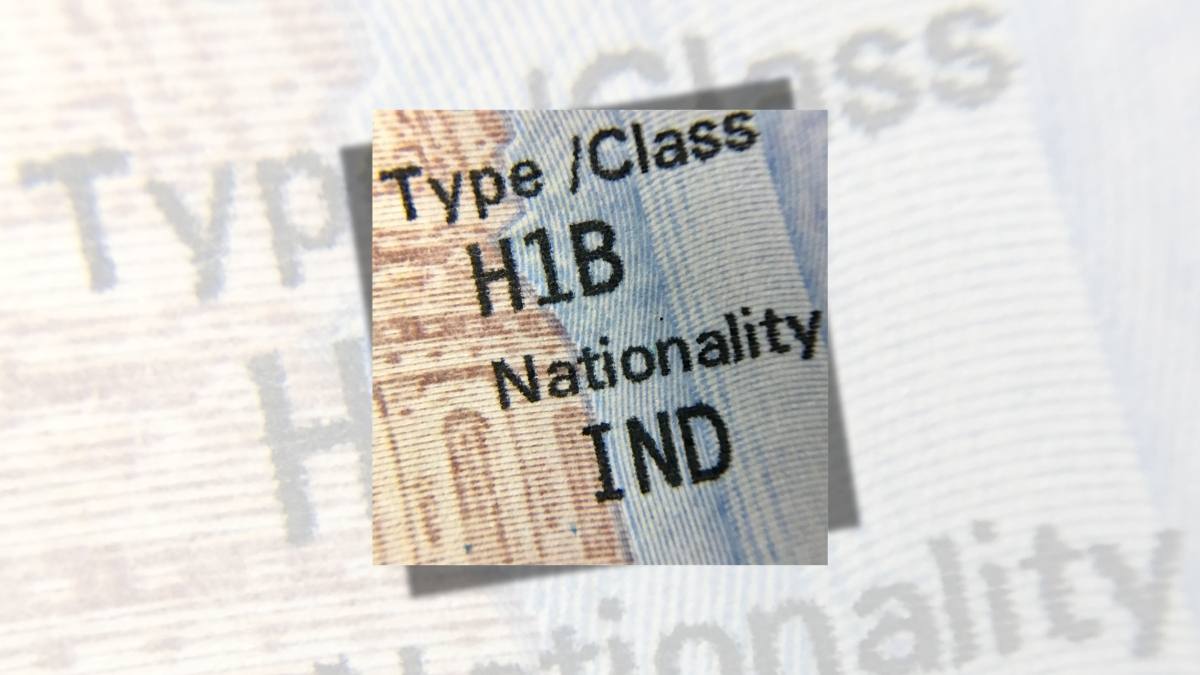
U.S. Bill Proposes Three-Year Pause on H-1B Visas: A Turning Point for Global Talent?
A fresh debate over skilled immigration has taken shape in the United States following the introduction of a new legislative proposal that seeks to halt the issuance of H-1B visas for three years. The bill, titled the End H-1B Visa Abuse Act of 2026, has been introduced in Congress by Eli Crane and co-sponsored by a group of Republican lawmakers. While still at an early stage in the legislative process, the proposal has already triggered strong reactions across political, corporate, and diaspora circles.
At its core, the bill calls for a temporary suspension of new H-1B visas, coupled with structural reforms aimed at reshaping the programme. The move is being presented by its proponents as a necessary correction to what they describe as long-standing distortions in the system. Critics, however, see it as a disruptive measure that could affect industries dependent on global talent and alter the landscape of skilled migration.
The Role of the H-1B Programme
For decades, the H-1B visa has been a central pillar of the American labour market, particularly in sectors that rely on specialised skills. It allows U.S.-based employers to hire foreign professionals in fields such as information technology, engineering, medicine, research, and finance.
The programme has become especially significant for Indian professionals, who form a substantial portion of H-1B visa holders. For many, it represents not only an employment opportunity but also a pathway to long-term professional growth in one of the world’s most competitive economies.
The system, however, has never been free from controversy. Supporters argue that it helps bridge skill gaps and drives innovation, while critics claim that it is sometimes used to replace domestic workers or suppress wages.
What the Proposed Bill Seeks to Do
The most striking provision in the proposed legislation is the call for a three-year pause on the issuance of new H-1B visas. During this period, lawmakers aim to review and redesign the programme, with the intention of introducing stricter safeguards and a more targeted approach.
In addition to the pause, the bill outlines several key changes that would significantly alter how the system operates.
One of the central proposals is a reduction in the annual visa cap. This would limit the number of new entrants into the programme, making it more selective and potentially more competitive.
Another major change involves the introduction of a higher salary threshold. By setting a substantially elevated minimum wage requirement, the bill seeks to ensure that only highly specialised and high-paying roles qualify for H-1B hiring. The underlying argument is that this would discourage companies from using the programme as a cost-saving measure.
The proposal also questions the current lottery-based allocation system. Instead of random selection, the bill suggests a shift towards a merit-based or wage-priority system, where higher-paying roles would receive preference.
There are also indications of tighter rules around dependants and greater scrutiny of employer practices. Companies may be required to demonstrate that they have made genuine efforts to hire domestic workers before turning to foreign talent.
Taken together, these measures represent not just a pause, but a potential redefinition of the programme itself.
The Political Context
The introduction of the bill reflects broader political currents within the United States. Immigration, both legal and illegal, has remained a central issue in public discourse, often tied to questions of economic security, employment, and national interest.
For supporters of the bill, the H-1B programme symbolises a system that has drifted away from its original intent. They argue that reforms are necessary to prioritise American workers and restore balance to the labour market.
The proposal also aligns with a wider push among certain political groups to tighten immigration frameworks and reduce reliance on foreign labour. In this sense, the bill is not an isolated measure but part of a larger policy direction.
Industry Concerns and Economic Implications
The response from industry has been cautious, with many experts warning that a blanket pause on H-1B visas could have unintended consequences.
Sectors such as technology, healthcare, and research rely heavily on skilled professionals from around the world. For many companies, the H-1B programme is not simply a convenience but a necessity, enabling them to access expertise that may not be readily available in the domestic workforce.
A sudden halt in new visas could disrupt hiring cycles, delay projects, and create uncertainty for businesses that operate in highly competitive global markets.
There is also a broader concern about innovation. The United States has long benefited from its ability to attract talent from across the world. Restricting this flow could, over time, affect its position as a global leader in technology and research.
What It Means for Indian Professionals
For Indian professionals, the proposed changes carry particular significance. The H-1B visa has been a major pathway for skilled workers from India to build careers in the United States.
A three-year pause would effectively close this route for new applicants during that period. For students, young professionals, and experienced workers planning to move abroad, this could alter career trajectories and force a reassessment of options.
Indian companies that operate in the U.S. market may also feel the impact. Many rely on the ability to deploy skilled personnel across borders, and tighter restrictions could affect their operational flexibility.
At a personal level, the proposed changes could influence long-term plans for families. Restrictions on dependants or changes to employment conditions may add another layer of uncertainty for those already living in the United States.
Reform or Restriction?
The debate surrounding the bill ultimately comes down to how one interprets its intent.
Supporters view it as a reform. They argue that the current system needs to be recalibrated to ensure fairness, transparency, and alignment with national priorities. By focusing on higher wages and stricter eligibility criteria, they believe the programme can be made more efficient and less prone to misuse.
Critics, on the other hand, see it as a restriction that could undermine the very purpose of the H-1B system. They argue that the programme has played a crucial role in supporting economic growth and that sweeping changes could create more problems than they solve.
The truth may lie somewhere in between. While there is broad agreement that the system could benefit from improvements, the scale and nature of the proposed changes have raised questions about their long-term impact.
The Legislative Road Ahead
It is important to recognise that the bill is still at a preliminary stage. For it to become law, it must pass through multiple stages of scrutiny and approval within the U.S. legislative system.
This process often involves revisions, negotiations, and, in many cases, significant changes to the original proposal. As such, the current version of the bill should be seen as an indication of intent rather than a final outcome.
Nevertheless, its introduction is significant. It signals that the debate over skilled immigration is far from settled and that further changes to the H-1B programme may be on the horizon.
A Shifting Landscape of Global Mobility
Beyond the immediate implications, the proposed bill reflects a larger shift in how countries are approaching migration and talent.
In an increasingly interconnected world, the movement of skilled professionals has become a key driver of economic growth. At the same time, domestic political pressures are leading many countries to re-evaluate their immigration policies.
For India, this moment presents both challenges and opportunities. While restrictions in traditional destinations like the United States may create uncertainty, they may also encourage the development of alternative pathways and new centres of opportunity.
The introduction of the End H-1B Visa Abuse Act of 2026 marks a significant moment in the ongoing conversation about immigration, employment, and global talent.
Whether the bill ultimately becomes law or undergoes substantial changes, it has already succeeded in bringing critical issues to the forefront. It highlights the tension between economic openness and domestic priorities, a balance that many countries are currently trying to navigate.
For Indian professionals and the global diaspora, the message is clear. The landscape is evolving, and staying informed is essential. The future of the H-1B programme may not be certain, but its importance in shaping careers and economies remains undeniable.