



Between Borders and Silence: Indian Students in Canada
A WFY Magazine Investigative Feature

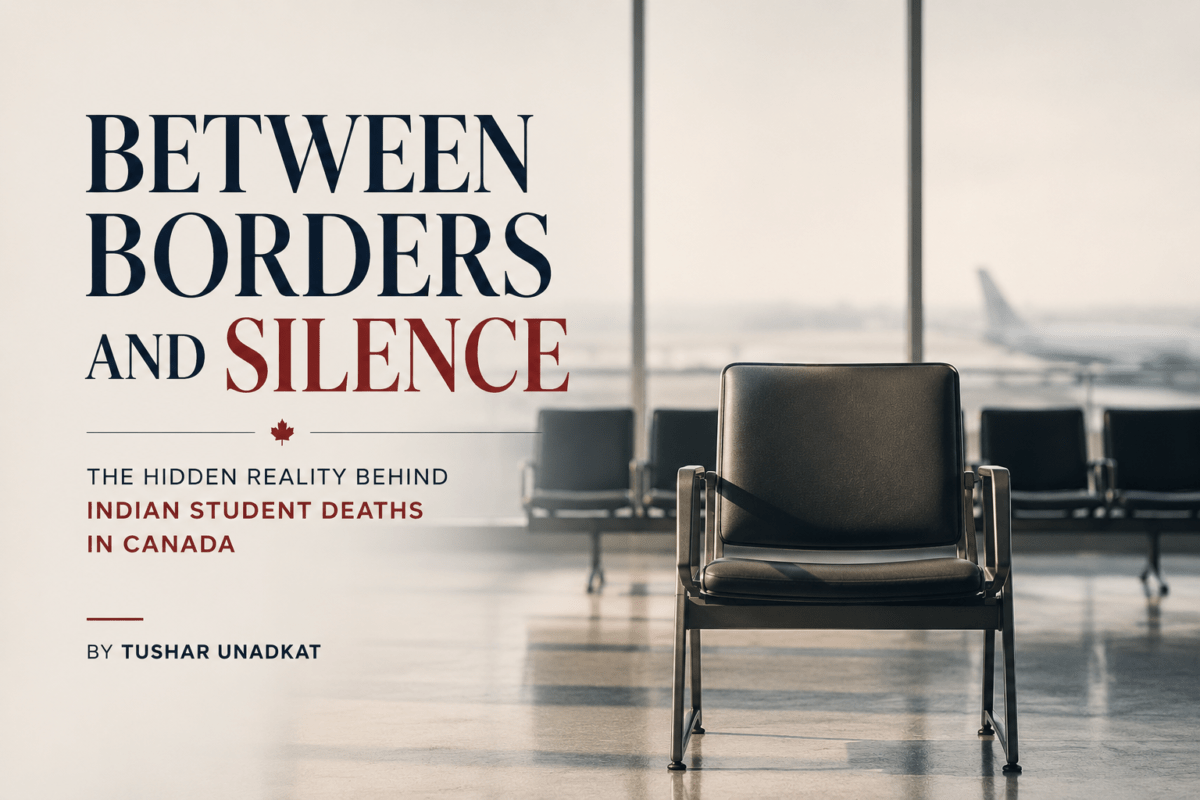
When Indian students arrive in Canada, they step into a system defined by opportunity, distance, and responsibility. For many, it is a pathway toward education and economic mobility. For some families, it becomes a journey marked by loss, uncertainty, and unanswered questions.
While comprehensive public data on Indian student deaths in Canada is limited, government statements and media reports confirm that Indian nationals, including students, have died in Canada from a range of causes including violence, accidents, and medical or personal circumstances.
A parliamentary response in India stated that 17 Indian students in Canada died in violent incidents between 2018 and 2025.
- https://www.ptinews.com/story/national/17-indians-studying-in-canada-died-of-violent-attacks-during-2018-2025-govt-to-ls/3351924
- https://www.indiatoday.in/india/story/17-indian-students-killed-in-canada-since-2018-centre-tells-parliament-2864477-2026-02-07
Other individual cases have also been reported in Canadian and Indian media, reflecting a broader range of circumstances.
Among those who have worked closely with immigrant communities during moments of crisis is Don Patel, founder of Humans for Harmony, a community initiative established shortly before the COVID-19 pandemic to support immigrants, international students and seniors across Canada regardless of nationality, religion or background. During the pandemic, the organisation expanded its work to include food delivery for frontline workers, assistance for isolated seniors and support for families navigating end-of-life arrangements and funeral procedures during lockdown restrictions.

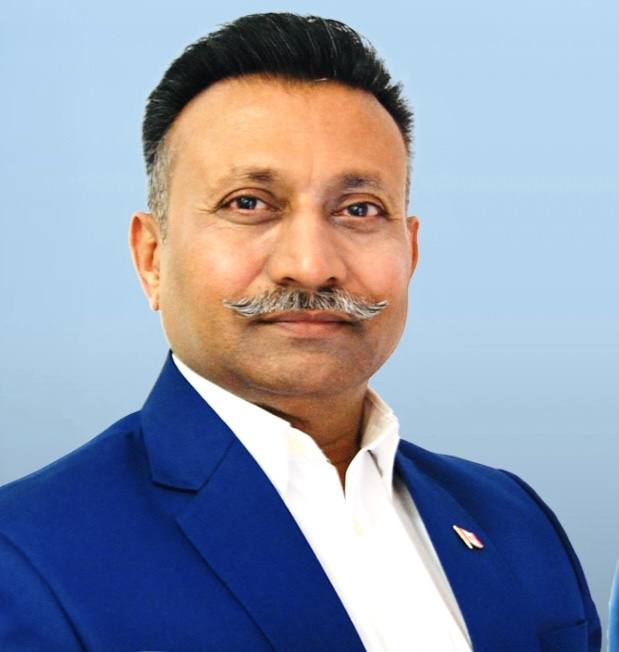
Drawing on those experiences, Patel points to a recurring challenge faced by some international students: “distance can gradually become silence.” As students adapt to new routines, academic schedules and work commitments, communication with families back home may become irregular. In most cases this is simply part of independent living abroad, but during emergencies, that communication gap can leave families with little immediate information about a student’s circumstances, movements or support networks.
Patel and other community volunteers also describe a combination of pressures that can affect some students during their time overseas. Financial obligations, emotional stress, relationship difficulties and the challenges of adapting to a new country can often overlap. Many students arrive with expectations shaped by stories of opportunity and rapid success abroad, only to encounter realities defined by rising living costs, long working hours, academic demands and social isolation.
While violent incidents involving Indian students attract considerable media attention, community accounts suggest that many tragedies emerge from a broader range of circumstances, including accidents, medical emergencies, mental health struggles and substance misuse. Each case carries its own context and should be understood individually rather than as part of a single pattern.
Another challenge identified by community workers is the limited public visibility surrounding some cases. According to Patel, families may choose privacy over publicity, particularly in situations involving suicide, overdose or other sensitive circumstances. Concerns regarding social stigma or community judgement can lead families to avoid public discussion, meaning that some incidents remain largely unknown outside immediate circles of relatives and friends.
When tragedy does occur, families often encounter an unfamiliar and emotionally difficult administrative process. Repatriating a loved one to India can involve multiple agencies and procedures including coroner authorisation, death certification, consular clearances, passport cancellation and international cargo arrangements. Timelines vary depending on the jurisdiction and circumstances of the case and may extend beyond ten days.
“One of the biggest challenges begins with a simple question: ‘Now what?'” Patel says. “Families are suddenly dealing with grief while also trying to understand procedures involving police, coroners, consulates and transport authorities.”
Deaths in Canada are investigated by police and coroners, with official conclusions reached on the basis of forensic evidence and available findings. Yet community workers acknowledge that families may sometimes struggle to accept those conclusions, particularly in cases classified as suicide. In many instances, this reflects the emotional realities of loss and differences in expectations rather than shortcomings in investigative procedures.
For families thousands of kilometres away, grief is often accompanied by uncertainty, distance and a search for answers that can feel overwhelming. It is within this space between systems and emotions that community organisations, volunteers and diaspora networks frequently become an important source of support.
Publicly reported cases (selected references)
- https://www.ndtv.com/indians-abroad/indian-student-tanya-tyagi-dies-in-canada-8711740
- https://timesofindia.indiatimes.com/education/news/who-was-shivank-avasthi-the-indian-origin-student-shot-dead-in-canada/articleshow/126184632.cms
- https://www.indiatoday.in/world/canada-news/story/indian-student-vidhi-megha-killed-canada-st-catharines-2756135-2026-05-29
Closing perspective
The experience of Indian students in Canada is shaped by transitions across countries, systems, expectations and realities.
Some stories become public headlines. Others remain known only within families and communities.
What remains constant is the distance between perception and lived experience, and the challenge of navigating grief across borders.
Note to readers
This feature brings together publicly reported cases, official statements, and community accounts to explore broader experiences of Indian students in Canada. It is not intended to represent a complete record of all incidents, nor should it be interpreted as statistical analysis or evidence of system-wide trends. Individual cases mentioned here exist within their own contexts, and some details may remain subject to ongoing investigation, privacy considerations, or limited public reporting.
Disclaimer: The views, opinions and interpretations expressed in articles published in WFY – World For You are those of the respective authors and contributors and do not necessarily reflect the official position of the Editor, Editorial Board, publishers or affiliated organisations. Every effort is made to ensure the accuracy and reliability of information at the time of publication. However, facts, figures, laws, regulations, policies, scientific understanding and global developments may change over time. Readers are advised to independently verify information and seek appropriate professional advice before making decisions relating to health, finance, legal matters, immigration, education, investments or any other specialised subject. Articles published in WFY – World For You are intended for general information, discussion and educational purposes only and should not be construed as professional, medical, legal, financial or other expert advice. References to organisations, institutions, products, services or individuals are made solely for editorial, informational or illustrative purposes and do not constitute endorsement or recommendation unless explicitly stated. All rights to original content remain with their respective authors and contributors unless otherwise specified. Unauthorised reproduction, distribution or republication of material published in WFY – World For You without prior written permission is prohibited. © 2026 WFY – World For You. All Rights Reserved.