


COVER STORY
By Melwyn Williams
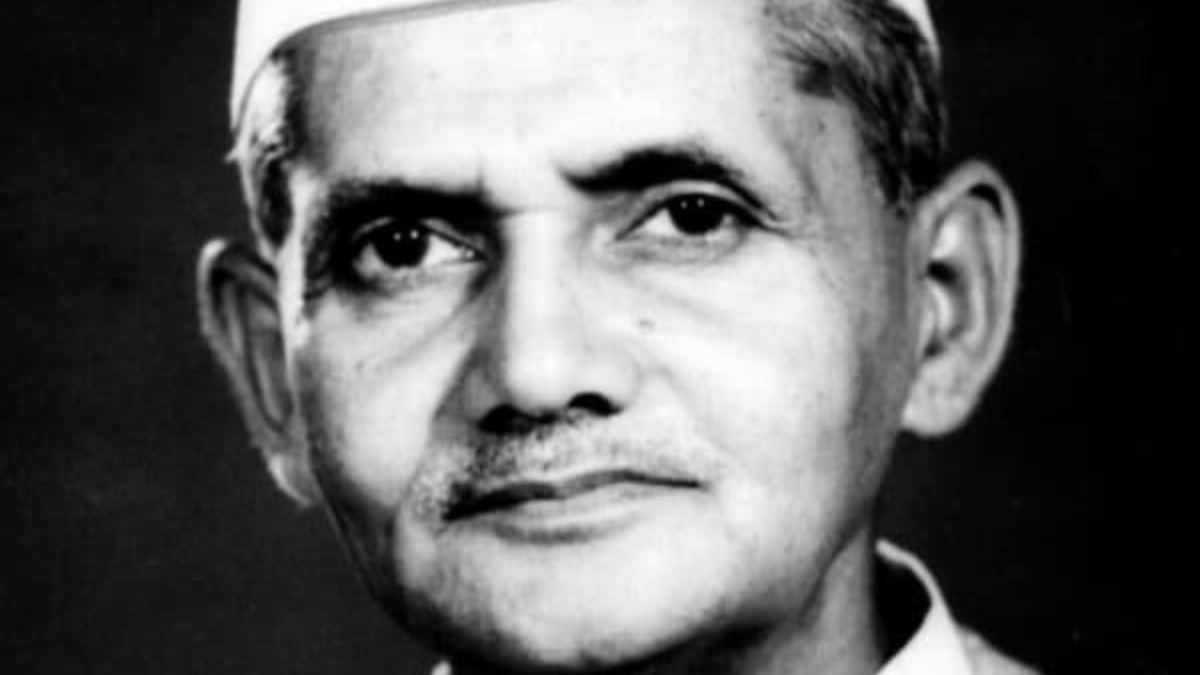
At a time when leadership is increasingly measured by visibility, volume and personal branding, Lal Bahadur Shastri offers an almost radical alternative. He was modest without being timid, conciliatory without being indecisive, patriotic without making patriotism a performance, and powerful without needing constantly to demonstrate power. More than six decades after his death, the values by which he lived, accountability, authenticity, courage, restraint and the instinct to do the right thing, may speak to India’s young more strongly than we realise.

THE QUIET MAN INDIA SHOULD REDISCOVER
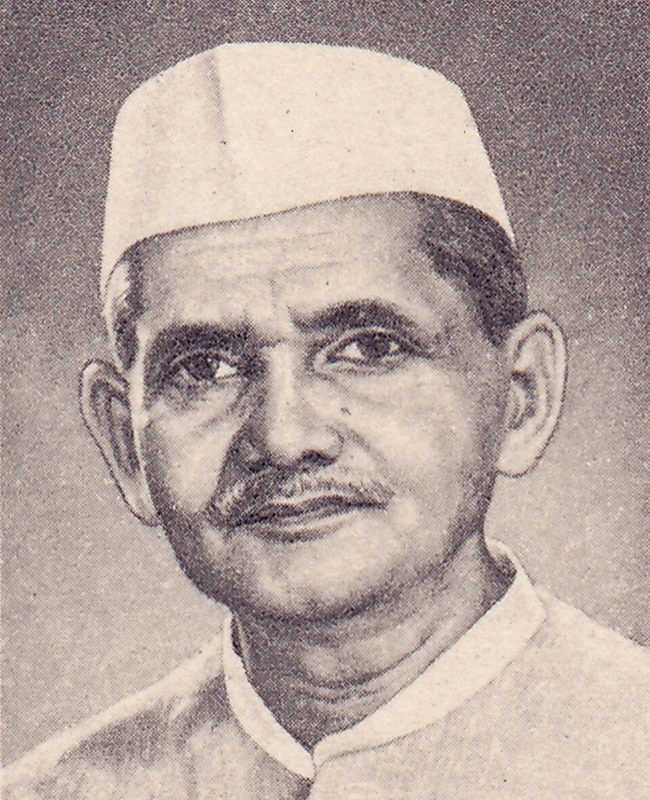
He did not look like the most powerful man in India.
Lal Bahadur Shastri was slight, soft-spoken and unassuming. He did not possess Jawaharlal Nehru’s patrician presence or Mahatma Gandhi’s extraordinary ability to turn personal symbolism into a mass political force. He was uncomfortable with ostentation and seemed almost constitutionally incapable of making himself the centre of attention.
Yet on 9 June 1964, this diminutive man became Prime Minister of the world’s largest democracy. Over the next nineteen months, India would confront food shortages, economic pressures, internal tensions and a full-scale war with Pakistan. Shastri would have to lead a country still mourning Nehru, manage a political system accustomed to his predecessor’s towering presence, confront aggression, persuade a hungry nation towards greater self-reliance and eventually travel to Tashkent to negotiate peace. He would never return alive.
His tenure was extraordinarily short, and by that measure his shadow over Indian public life might have been expected to be short as well. It was not. More than six decades after his death on 11 January 1966, four words remain inseparable from his name: “Jai Jawan, Jai Kisan.” His resignation as Railway Minister continues to be invoked whenever India debates political accountability. His personal simplicity has become part of national folklore. His leadership during the 1965 war altered perceptions of a man whose mild appearance had caused some to underestimate him, while his support for agricultural self-reliance and the cooperative dairy movement contributed to institutional changes that would outlive him.
But perhaps we have remembered Shastri too narrowly. We remember the slogan but not always the philosophy behind it, the simplicity but not always the steel, and the honesty while sometimes overlooking the administrator. We remember the Gandhi cap, the dhoti and the modest demeanour and risk turning a complex political leader into a sepia-toned portrait of virtue.
The more interesting Shastri is the human being beneath that portrait. And in 2026, he deserves rediscovery for a surprising reason: Lal Bahadur Shastri may be one of the youth icons India did not know it needed.
Not because young Indians should imitate a politician born in 1904, or because the India of 1965 can provide ready-made solutions for an India of artificial intelligence, start-ups, social media and globalised aspirations. Certainly not because every decision Shastri made was beyond criticism. His relevance lies somewhere deeper: in the way he understood power, in what he did when things went wrong and, above all, in a principle that seems to run quietly through his life: when confronted with a difficult choice, try to do the right thing.

BEFORE THE PRIME MINISTER, THERE WAS LAL BAHADUR
Hardship Before Power
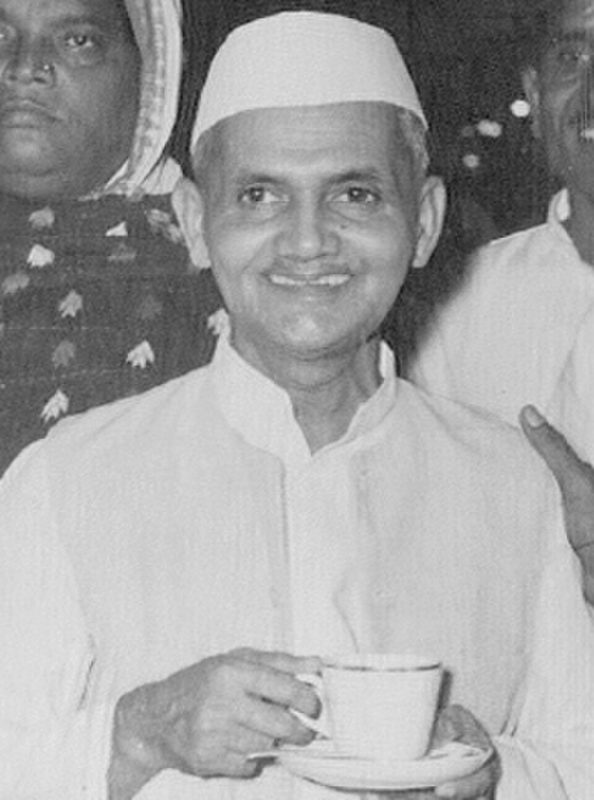
Lal Bahadur was born on 2 October 1904 at Mughalsarai, a railway town near Varanasi. His father, a schoolteacher, died when the boy was only about eighteen months old. His young mother moved with her children to her father’s home, and the family lived with limited means. The official account of Shastri’s life describes a childhood in which he walked considerable distances to school, sometimes without shoes even through the fierce summer heat.
Poverty does not automatically produce virtue, any more than privilege automatically prevents it. But circumstances can shape a person’s relationship with possessions, insecurity and status. Shastri’s later simplicity was not a costume assembled for electoral appeal. It preceded political power.
At sixteen, inspired by Gandhi’s call during the Non-Cooperation Movement, he abandoned his studies despite his family’s objections. He later resumed his education at Kashi Vidyapith in Varanasi. The title awarded to him there, “Shastri”, eventually became so closely associated with him that it became part of the name by which history remembers him.
He threw himself into the independence movement, participated in campaigns against British rule and spent years in prison. The Prime Minister of India’s official biography records that his cumulative imprisonment during the freedom struggle amounted to seven years. Those years matter because Shastri’s politics did not begin as a career; it began as commitment.
That distinction is easily romanticised, but it helps explain something about his later conduct. Public office was not his first encounter with sacrifice. Long before he had an official residence, ministerial staff or governmental authority, politics had already cost him something.
POWER WITHOUT ENTITLEMENT
The Politician Who Did Not Need To Fill The Room
After Independence, Shastri’s organisational ability and administrative discipline carried him steadily upwards. He served in Uttar Pradesh before moving to New Delhi in 1951 and subsequently held major Union portfolios including Railways, Transport and Communications, Commerce and Industry and Home Affairs. During Nehru’s illness he also served as Minister without Portfolio.
Yet the manner of his rise is as interesting as the offices he occupied.
Shastri acquired influence without cultivating the persona of an indispensable man. He was regarded as an effective organiser, a negotiator and someone who could be entrusted with difficult responsibilities. His temperament favoured consultation. He could listen without surrendering his position and negotiate without treating compromise as humiliation.
There is a tendency in public life to confuse aggression with strength. Shastri’s career presents another possibility: perhaps a person can be courteous and still be formidable.
He would eventually describe that contradiction himself.
“Though not physically strong, I think I am internally not so weak.”
The remark came during one of the defining moments of his public life.
And that moment tells us more about Shastri than almost any slogan.
WHEN THE MINISTER SAID: THE RESPONSIBILITY IS MINE
The Railway Resignation
In 1956, when India suffered a devastating railway accident, Lal Bahadur Shastri was the Railway Minister. There were many ways in which a political leader could have responded. An inquiry could be announced, technical failures investigated, officials held accountable and responsibility allowed to travel progressively down the administrative chain until the political leadership stood sufficiently removed from the disaster. Shastri chose differently. He resigned.

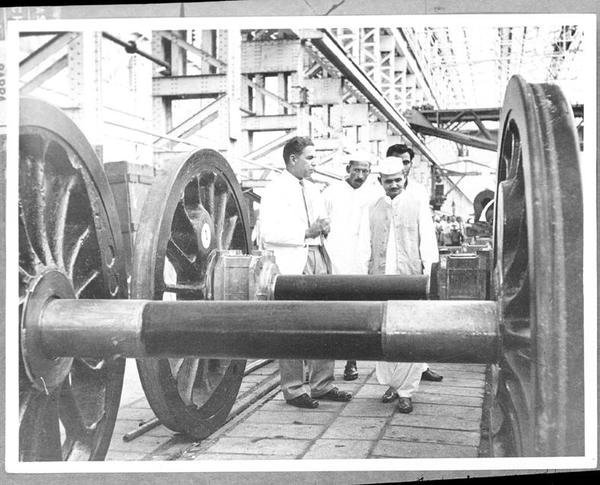
Jawaharlal Nehru accepted his resignation while making an important distinction. Shastri was not being held personally responsible for causing the accident. What mattered was the principle his resignation represented: constitutional propriety and ministerial responsibility. It demonstrated that responsibility is not necessarily the same as personal guilt.
A minister cannot inspect every railway track, supervise every employee or execute every decision. Yet leadership loses much of its meaning if authority exists when there is credit to be claimed but disappears when there is blame to be borne. Shastri understood that distinction. His resignation was therefore more than an act of personal morality; it reflected his understanding of public office. Authority and responsibility, in his view, could not conveniently be separated.
That principle travels remarkably well from 1956 to 2026. It applies not only to Parliament but also to corporate boardrooms, universities, start-ups, newsrooms and organisations of every kind. When an institution fails, the real test of leadership is whether those at the top immediately look for someone below them to blame or first examine their own responsibility. Shastri answered that question at considerable personal cost, and that is precisely why his resignation is still remembered seventy years later.
AFTER NEHRU: THE IMPOSSIBLE SUCCESSION
He Did Not Try To Become Another Nehru
When Jawaharlal Nehru died on 27 May 1964, India lost more than a Prime Minister. He had occupied the office continuously since Independence, and for an entire generation the young Republic and its first Prime Minister had grown together. Whoever succeeded him would inevitably face comparison with a towering political figure who had shaped much of independent India’s identity.
Lal Bahadur Shastri became Prime Minister on 9 June 1964. Following a leader of Nehru’s stature could easily have encouraged imitation or overcompensation: speaking louder, appearing tougher or cultivating a larger public personality to ensure that restraint was not mistaken for weakness. Shastri did neither. He remained recognisably himself, and that may have been one of his greatest strengths.
Leadership does not necessarily come from learning how to resemble somebody powerful. Sometimes it comes from having the confidence not to try. Shastri would soon need that confidence, because the quiet successor to Nehru was about to lead India through one of the most demanding periods of its early history.

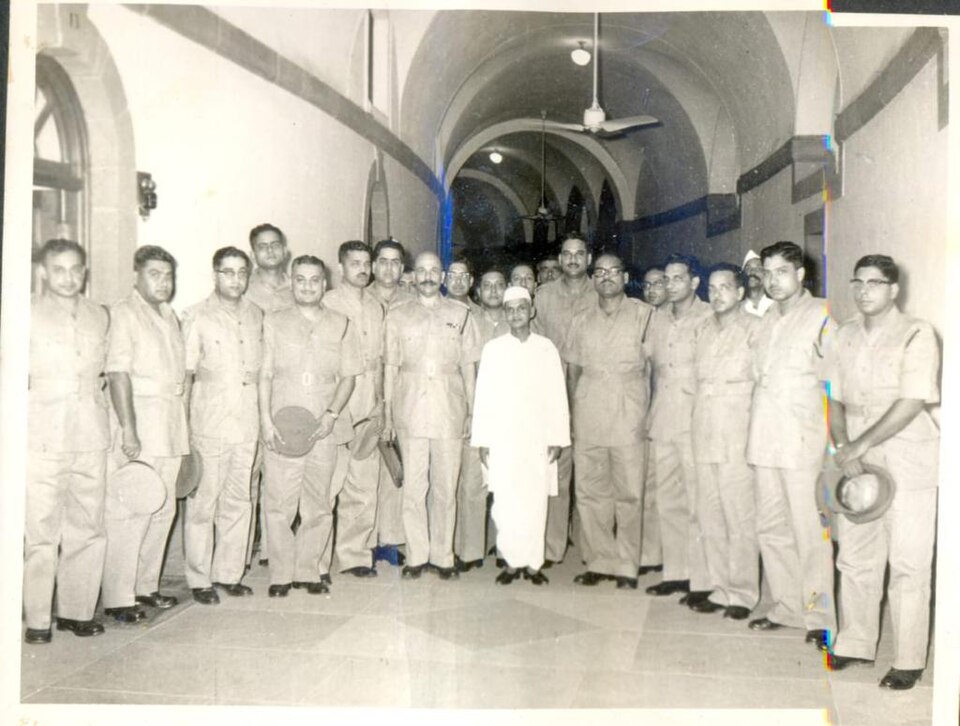
A COUNTRY UNDER PRESSURE
Hunger, Anxiety And The Search For Self-Reliance
The India inherited by Shastri was still a young republic struggling with enormous developmental challenges. Food security was precarious. Agricultural productivity was inadequate for the requirements of a growing population, and India remained dependent on imported grain. Economic pressures and shortages affected everyday life.
Shastri increasingly connected food security with national sovereignty.
The logic was straightforward. A country unable to feed itself remained vulnerable, however independent its flag or constitution might be.

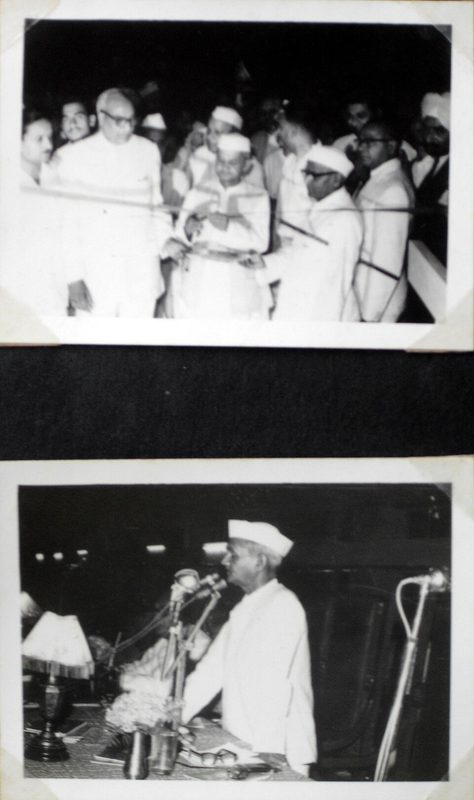
His response therefore combined public austerity with an effort to strengthen agricultural production and institutions. During the period, the foundations of a more organised food-security architecture were being laid, while Agriculture Minister C. Subramaniam and agricultural scientists pushed the technological and policy changes that would contribute to India’s subsequent agricultural transformation. Later official assessments have credited Shastri with helping lay foundations for food security while recognising the wider constellation of policymakers, scientists and farmers involved.
This distinction is important because history becomes distorted when every national achievement is reduced to one heroic individual.

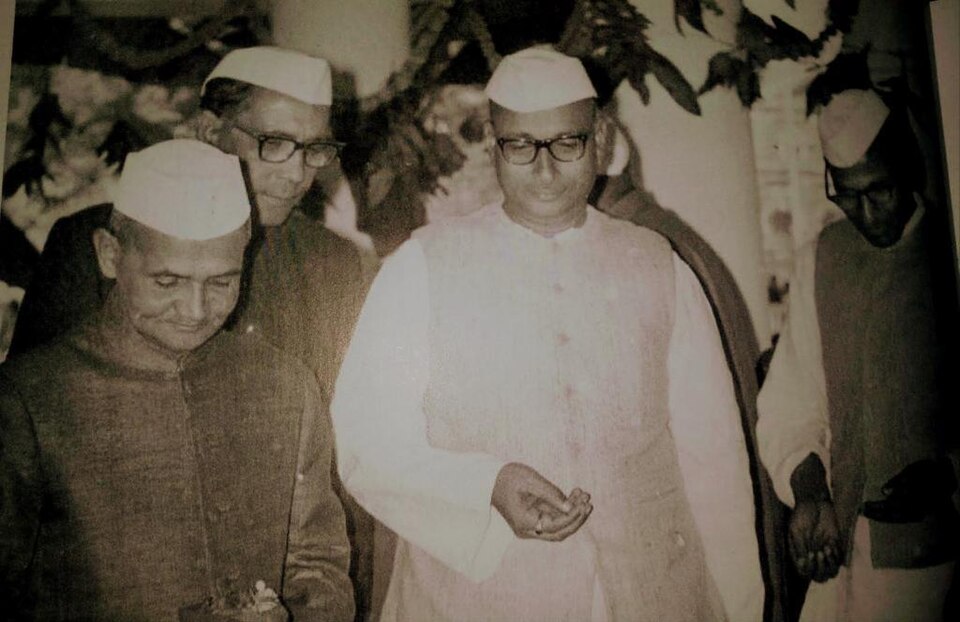
Shastri’s contribution was not that he personally invented the Green Revolution.
It was that he recognised agriculture as a strategic national priority and gave political weight to those working to transform it.
That is leadership of a different kind: not always having the idea, but recognising the right idea and giving the right people space to pursue it.
THE NIGHT IN ANAND
When A Prime Minister Saw An Idea Worth Sharing
One of the most revealing episodes of Shastri’s premiership occurred far from Delhi.
On 31 October 1964, Shastri visited Anand in Gujarat, where the cooperative dairy movement associated with Amul was demonstrating how small milk producers could organise themselves into an economically powerful structure. During the visit, he went to Ajarpura village, spoke with cooperative members and tried to understand why the model worked. His response went beyond admiration. He wanted to know whether the principles behind Anand’s success could work elsewhere in India.
The National Dairy Development Board was established in 1965 to help replicate the Anand model across the country. The transformation that followed would require years of work and would become inseparable from the extraordinary contribution of Verghese Kurien and countless dairy farmers. But the NDDB traces its own emergence to Shastri’s visit and his desire to institutionalise the cooperative model nationally.
There is a modern leadership lesson within this episode. Leadership does not always require originating the idea. Sometimes it means recognising something that works, understanding why it works and creating the conditions in which it can grow. Shastri did not need every good idea to carry his name. For him, the institution mattered more than personal ownership of the achievement.
JAI JAWAN, JAI KISAN
Four Words That Explained A Nation
Then came 1965. India and Pakistan went to war, and the mild-mannered Prime Minister whom some had underestimated suddenly faced the ultimate test of political leadership. As the conflict expanded, Shastri’s government authorised military action across the international border, demonstrating that his preference for negotiation did not prevent him from acting firmly when national security demanded it. The war significantly altered public perceptions of the quiet man who had succeeded Nehru.

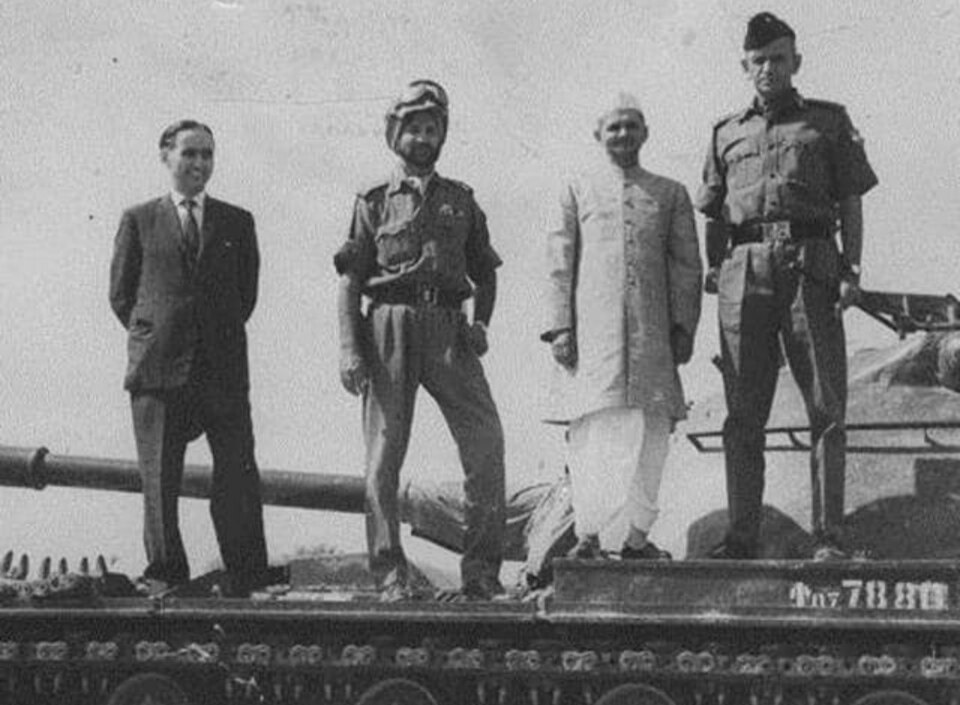
It was during this period, when India was confronting both military and food insecurity, that Shastri’s most famous words entered the country’s political vocabulary: “Jai Jawan, Jai Kisan”, or “Hail the soldier, hail the farmer.” The brilliance of the slogan lay in its simplicity. In four words, Shastri connected two people who might otherwise have appeared to inhabit entirely different Indias. The soldier protected the country’s borders and territorial sovereignty, while the farmer sustained its people and strengthened its food security. In Shastri’s conception of national strength, one was no less important than the other.
The slogan also carried a larger idea. A nation is not built only by those whose work is most visible or celebrated. It depends upon millions of people performing essential duties, often without recognition. The soldier and farmer were at the heart of Shastri’s message, but its spirit extends equally to the scientist, teacher, entrepreneur, worker, nurse, engineer and countless ordinary citizens whose contributions keep a country functioning.
That idea has lost none of its relevance. In an age fascinated by individual achievement and celebrity, “Jai Jawan, Jai Kisan” remains a reminder that the strength of a nation ultimately rests upon people whose names may never become famous.

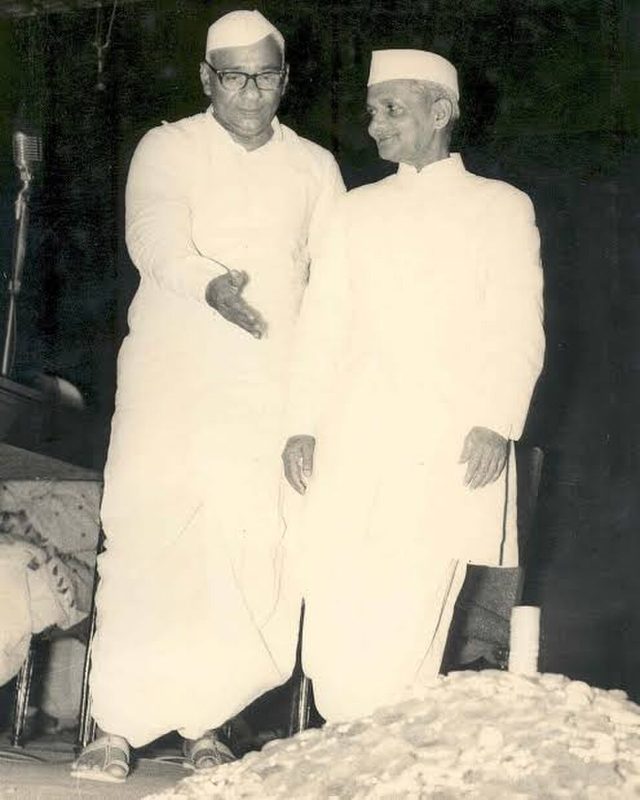
THE SOFT-SPOKEN MAN WHO COULD BE FIRM
Strength Without Swagger
The 1965 war challenged any assumption that Shastri’s mild manner reflected indecision or weakness. His approach to leadership was neither instinctively confrontational nor unconditionally pacifist. He was prepared to authorise military action when he believed circumstances demanded it, and equally prepared to pursue negotiations when an opportunity for peace emerged.

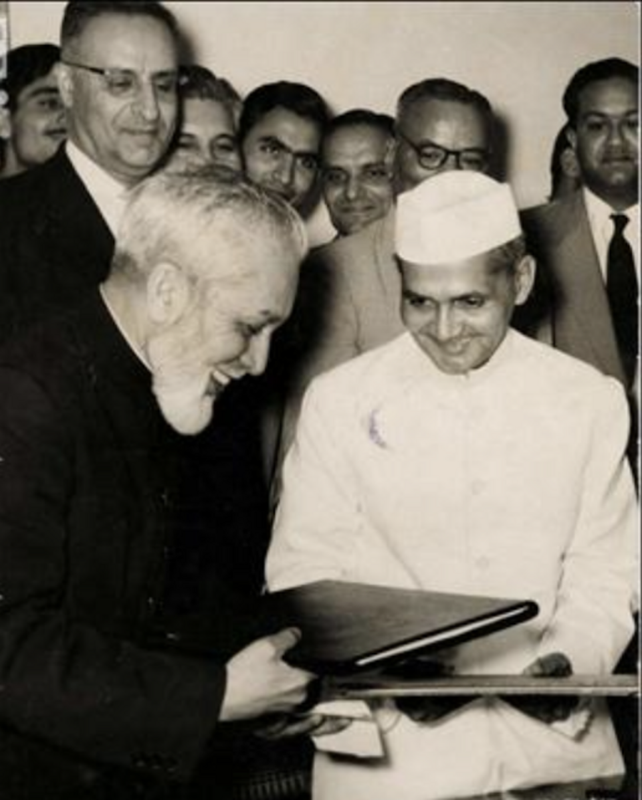
What makes this particularly revealing is that Shastri did not need to become a different person to demonstrate strength. He did not suddenly adopt a theatrical manner, reinvent his public image or compensate for his small physical stature with aggressive rhetoric. The same soft-spoken politician remained in charge, making some of the most consequential decisions of his premiership.
His earlier words now seemed almost prophetic: “Though not physically strong, I think I am internally not so weak.” They captured an essential aspect of his character. For Shastri, strength did not require swagger, and authority did not depend upon volume. His leadership demonstrated that power does not always announce itself before acting. Sometimes, the quietest man in the room is also the one prepared to make the hardest decision.

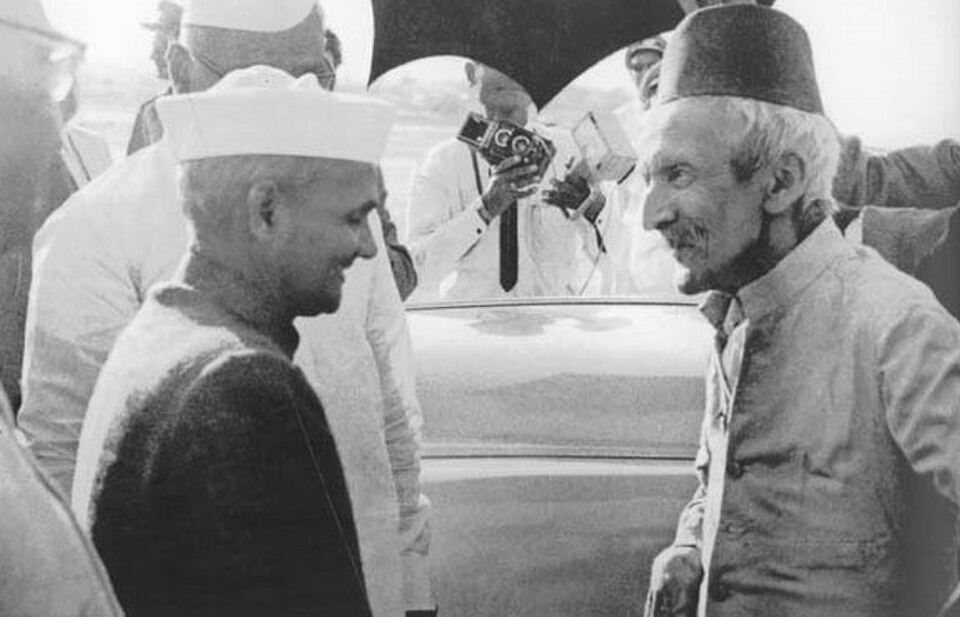
WHAT DID SHASTRI ACTUALLY BELIEVE?
Beyond The Image Of The Simple Gandhian
Reducing Shastri to simplicity and honesty also risks obscuring his political thinking. He was deeply influenced by Gandhi, but he operated within the broader post-Independence framework of democratic socialism, parliamentary democracy, secularism, non-alignment and state-led development. Yet Shastri was also pragmatic, with a strong interest in decentralised initiative, cooperatives, agricultural productivity and workable solutions rather than ideology for its own sake.
His parliamentary interventions reveal a commitment to democratic discussion. In March 1965, amid arguments about political differences and discipline, Shastri insisted that a democratic system must allow freedom of expression and speech, while also emphasising collective responsibility in government. The two principles were not contradictory. Freedom without responsibility could weaken democratic institutions, while responsibility without freedom could diminish democracy itself. For Shastri, a functioning democracy required both.
His political philosophy therefore cannot comfortably be reduced to the familiar image of a poor man who became Prime Minister. His personal austerity was significant, but simplicity was not an ideology. It was a way of living. His politics encompassed democratic government, social justice, national unity, economic development, self-reliance and the practical strengthening of institutions.
TASHKENT: WAR ENDS, A LIFE ENDS
The Last Journey
After the war came diplomacy. Shastri travelled to Tashkent, then in the Soviet Union, for negotiations with Pakistan’s President Ayub Khan. The talks produced the Tashkent Declaration, signed on 10 January 1966, intended to restore relations between the two countries after the conflict.
Only hours later, in the early morning of 11 January, Lal Bahadur Shastri died. He was 61.

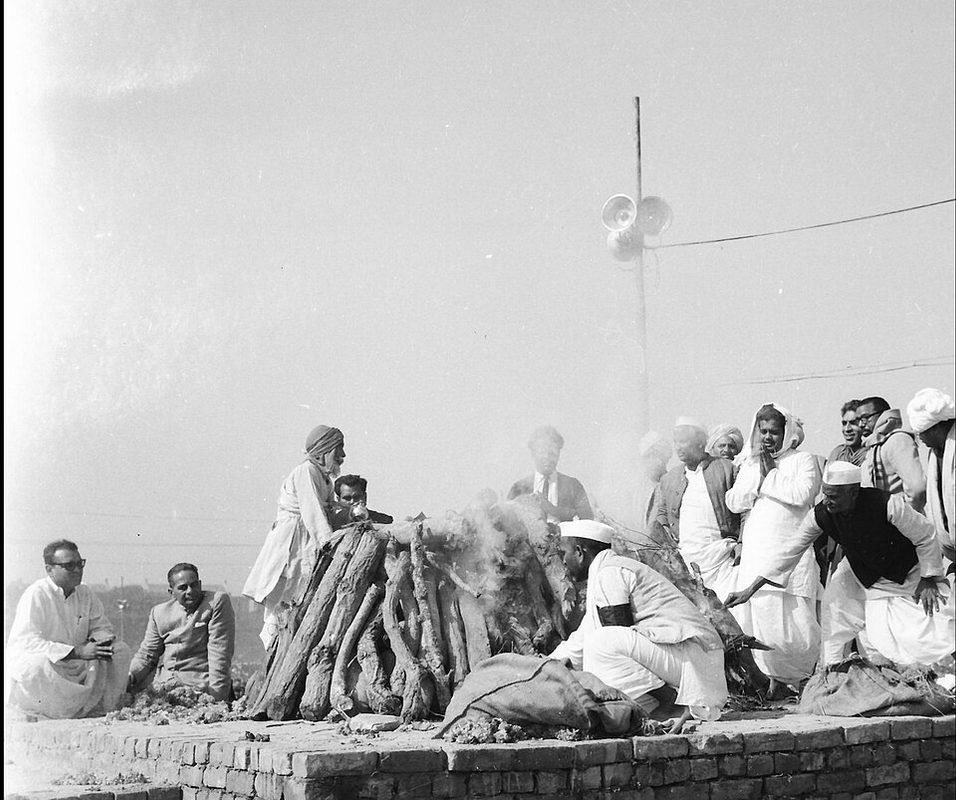
Contemporary parliamentary records described his death as following a heart attack. The suddenness of his death inevitably produced questions, and controversies surrounding the circumstances have persisted for decades. Questions were subsequently raised in Parliament, including demands for further inquiry.
Those questions form part of the historical record and should not simply be dismissed. Neither, however, should unresolved suspicions be transformed into established facts. More than sixty years later, speculation continues, but speculation and evidence remain different things.
What is beyond dispute is the extraordinary abruptness of the ending. A Prime Minister who had led his country through war had travelled abroad to negotiate peace. Within hours of signing the agreement, he was dead. India never discovered what a five-year Shastri government might have become.
AND THEN THERE IS GEN Z
What Can A Man Born In 1904 Possibly Say To 2026?
At first, almost nothing about Lal Bahadur Shastri appears designed for Generation Z. He came from a world without television politics, smartphones, Instagram, influencers, artificial intelligence or the relentless cultivation of personal brands. The economy in which he governed bears little resemblance to the India young people inhabit today. The aspirations, technologies and vocabulary have changed almost beyond recognition.
But values sometimes travel more easily across generations than lifestyles.
Deloitte’s 2026 India Gen Z and Millennial Survey offers an interesting window into young Indians’ attitudes towards work and purpose. Ninety-nine per cent of the Indian Gen Z respondents surveyed said that having a sense of purpose was important to job satisfaction, while 48 per cent said they had rejected potential employers that did not align with their beliefs. The global survey included 14,384 Gen Z respondents across 44 countries, with 506 Gen Z respondents surveyed in India.
These figures do not tell us that Gen Z supports Shastri, nor should they be used to make such a claim. What they do suggest is that a generation often caricatured as distracted, impatient or obsessed with screens also places considerable importance on purpose, values and authenticity.
And that makes the distance between a man born in 1904 and a generation coming of age in 2026 a little smaller.
DO THE RIGHT THING
Shastri’s Unwritten Code
If Lal Bahadur Shastri’s public life had to be expressed in a phrase that speaks directly to a young person today, it might simply be “Do the right thing.” These were not his defining words, but the principle seems to run consistently through his public conduct. When political office brought status, he remained grounded. When a serious tragedy occurred under his ministry, he accepted responsibility. When India faced food shortages, he sought greater self-reliance while asking citizens to share in the sacrifice. When he encountered a successful cooperative model in Gujarat, he looked for ways to extend its benefits across the country. When war came, he was prepared to defend India, and when an opportunity for peace followed, he was willing to negotiate.
None of this makes Shastri infallible, nor should admiration for a historical figure require us to manufacture perfection. His government faced criticism, some challenges were handled imperfectly, and many of his economic assumptions belonged to the circumstances of the 1960s. The India of today cannot simply reproduce the policies of his time, nor does it need to.
The deeper lesson lies elsewhere. Doing the right thing is not the same as always knowing the right answer. It means approaching authority with an understanding that choices have consequences, responsibility cannot always be passed to someone else, and public office, professional authority or personal success brings obligations beyond oneself. That principle belonged to Shastri’s time, but it has no expiry date.


THE ORIGINAL ANTI-INFLUENCER
Low Visibility, High Credibility
Perhaps there is an even more contemporary way to understand Shastri: he was almost the opposite of the modern influencer. Today’s culture rewards visibility, encouraging people to build personal brands, accumulate followers and document achievements. Social media has democratised communication and created extraordinary opportunities, but it has also made it easier to confuse being seen with being significant.
Shastri represented another model: low visibility, high credibility. He did not spend his public life explaining what kind of person he was because his actions often did that for him. His modest way of living demonstrated humility, his resignation as Railway Minister demonstrated accountability, and the 1965 war revealed a resolve that required little public display. Nor did he need every institution or initiative he supported to carry his name.
More than six decades after his death, that reputation has endured. Shastri’s life offers a simple counterpoint to the culture of constant visibility: attention can be acquired quickly, but credibility has to be earned over time.
And therein lies an intriguing paradox. Could a man who lived before the age of personal branding, social media and digital influence have something particularly important to say to the generation shaped by all three?
Perhaps he does.
THE YOUTH ICON WE DID NOT KNOW WE NEEDED
Not Someone To Imitate, But Someone Worth Understanding
The connection is not about nostalgia. To describe Lal Bahadur Shastri as a youth icon does not mean asking young Indians to recreate an India they never experienced, nor does it require presenting him as a flawless historical figure. His relevance lies instead in the questions his life raises about ambition, responsibility, character and success, questions that remain remarkably contemporary.
For a young entrepreneur, his life asks whether ambition can coexist with responsibility. For a student, it asks whether purpose can matter alongside prestige. For a young professional or manager, it challenges the idea that leadership is primarily about receiving credit rather than accepting responsibility. And for a generation navigating constant comparison and pressure, Shastri offers a quietly reassuring possibility: you do not have to be the loudest person in the room to matter.
This is perhaps where Shastri becomes more than a figure from the history books. He does not offer young people a lifestyle to imitate or a personality to copy. He offers something more useful: a way of thinking about what happens to our values as our ambitions grow. Integrity is relatively easy when it costs nothing; its real test comes when doing what one believes is right threatens position, popularity, comfort or personal advantage.
Shastri was neither perfect nor beyond criticism. But at some of the defining moments of his public life, he was willing to accept that cost. The world around him has changed almost beyond recognition since then, but the question at the heart of his example has not: when your moment comes, what will you choose to stand for?
THE QUIETEST MAN IN THE ROOM
History has a strange relationship with volume. The loudest personalities often dominate their moment, while quieter figures sometimes require the passage of time before the significance of their work becomes fully visible. Lal Bahadur Shastri spent barely nineteen months as Prime Minister and never had the opportunity to build the long governmental record of Nehru, Indira Gandhi or several of his successors. Yet the brevity of his tenure makes the legacy he left behind all the more remarkable.
That legacy was tangible. His resignation as Railway Minister helped establish a powerful standard of ministerial accountability: authority could not be separated from responsibility when something went seriously wrong. As Prime Minister, he placed food security and agricultural self-reliance at the centre of national policy at a time when India remained heavily dependent on imported grain. His support for the Anand cooperative model helped lead to the creation of the National Dairy Development Board, providing an institutional foundation for the dairy transformation that followed. His “Jai Jawan, Jai Kisan” gave India more than a memorable slogan; it connected national defence with food security and placed the soldier and farmer alongside each other as essential pillars of national strength.
The 1965 war revealed another dimension of his leadership. Shastri demonstrated that a preference for dialogue did not exclude military resolve when he believed India’s security required it. Yet after the fighting, he was willing to sit across the table from Pakistan’s President Ayub Khan and negotiate at Tashkent. The journey from war to negotiation captured something fundamental about his approach to power: firmness did not require permanent confrontation, just as the pursuit of peace did not require weakness.
These episodes also explain why Shastri’s legacy cannot be reduced simply to personal honesty or modest living. He helped strengthen institutions, elevated agriculture as a strategic national concern, reinforced the principle of political accountability and demonstrated a style of leadership in which decisiveness could coexist with restraint. Many of the transformations associated with food and dairy self-reliance would develop fully only after his death, through the work of other political leaders, administrators, scientists and millions of farmers. His contribution was to recognise their national importance and help create the political and institutional conditions in which they could advance.
Perhaps we have become too accustomed to associating power with the person who dominates the room. Shastri demonstrated another possibility. Authority can belong to the person who listens before speaking, remains composed under pressure, accepts responsibility when things go wrong and recognises a good idea without needing to claim ownership of it. His leadership was quiet, but its consequences were not.
That distinction may be the reason Lal Bahadur Shastri deserves to be rediscovered now. India does not need to recreate the 1960s, and young Indians do not need to imitate the life of a man born more than a century ago. But every generation eventually has to decide what it considers strength. Is it visibility or credibility? Is leadership about commanding attention or earning trust? Does success mean reaching the top, or does it also matter what happens to your character once you get there?
Shastri’s life offers no perfect formula, but it leaves behind an unusually clear answer. Power did not have to change his voice for his voice to carry. Responsibility did not become somebody else’s problem when circumstances became difficult. Patriotism did not prevent him from pursuing peace, and humility did not prevent him from making hard decisions.
Perhaps that is the Shastri worth introducing to a generation that knows “Jai Jawan, Jai Kisan” but may know much less about the man who said it. Not Shastri the statue, the slogan or the annual remembrance, but Shastri the idea: that strength can be quiet, ambition can coexist with humility, and doing the right thing can itself be an act of power.
In an age that has mastered the art of being seen, Lal Bahadur Shastri reminds us of something harder: becoming someone worth following.
More than sixty years after he left that room, India is still listening.