


By WFY Bureau | Economy & Business | The WFY Magazine, December, 2025 edition
Examining how evolving Gulf markets, regulations and economic visions affect Indian professionals and entrepreneurs today.
The Gulf has long been one of the most important regions for the Indian diaspora. For decades, millions of Indians have travelled to the United Arab Emirates, Saudi Arabia, Qatar, Oman, Bahrain and Kuwait in search of work and opportunity. Their labour helped build the skylines of Dubai, Doha and Riyadh. Their skills supported hospitals, schools, construction sites, corporate offices, oil fields and retail networks. Their remittances sustained families back home and strengthened the Indian economy.
However, the Gulf of 2025 is not the Gulf that Indian workers once knew. A slow but powerful shift has begun. Economic diversification, labour reforms, demographic adjustments, localisation policies and new business regulations are altering the environment in which Indians live and work. The transformation is not dramatic but steady. It is reshaping the future of migration, entrepreneurship and employment for Indian communities across the region.
To understand how the Gulf shift is affecting Indian workers and businesses today, we must look closely at the economic redesign underway across all six Gulf Cooperation Council countries. This story explores how policies are changing, what opportunities are emerging, which risks remain, and how the Indian diaspora is adapting to a region in transition.
The Gulf’s New Economic Blueprint
For decades, Gulf economies relied heavily on oil revenues, foreign labour and rapid infrastructure development. Indian workers played a central role in this model. But global realities are changing. Oil price uncertainties, climate commitments, growing local populations and long-term economic diversification goals have forced the region to rethink its development path.
Across the Gulf, governments have launched large-scale national visions aimed at reducing dependence on oil and transforming local economies. These initiatives promote technology, tourism, manufacturing, sustainability, financial services and knowledge industries.
This shift has direct consequences for the Indian workforce. The demand for traditional labour remains, but new opportunities are emerging in skilled sectors that value education, experience and adaptability. The new blueprint creates both promise and uncertainty.
Labour Reforms and Policy Changes Affecting Indian Workers
Over recent years, several Gulf countries have introduced reforms aimed at improving labour conditions, regulating contracts and giving more flexibility to workers. These reforms vary across countries but share common objectives: fairness, transparency and improved market efficiency.

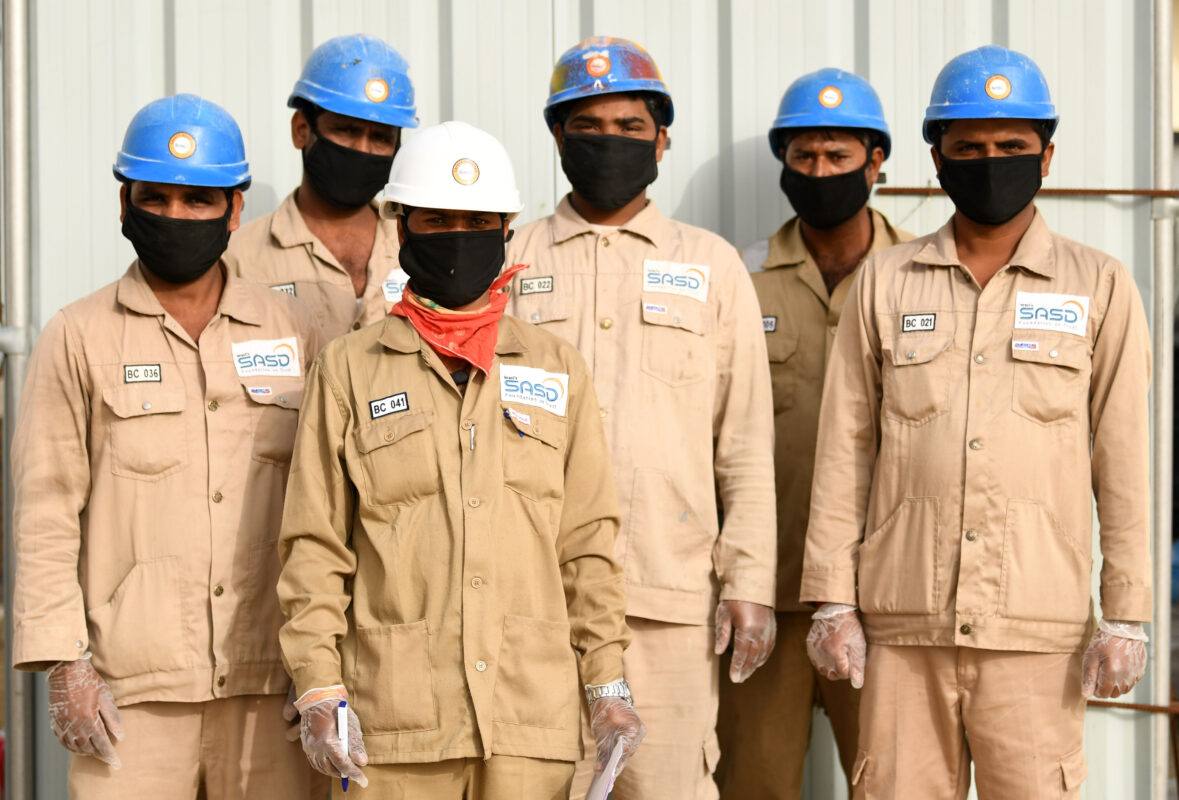
Key changes influencing Indian workers include:
• Better monitoring of work contracts
• More clarity in wage protection systems
• Greater mobility between employers in selected sectors
• Increased inspections to prevent labour violations
• Changes in sponsorship rules in some countries
• Introduction of long-term residency options for skilled workers
• Stronger requirements for local hiring in certain job categories
These reforms have created a more structured labour market. However, they also introduce new forms of competition and expectations. Workers must navigate updated rules, changing employer practices and evolving skill requirements.
The Rise of Localisation Policies
One of the most significant shifts affecting Indian workers is the expansion of localisation programmes. These are policies encouraging companies to hire more local citizens and reduce dependence on foreign workers in certain roles.
While localisation has existed for years, it has become stronger and more structured recently. Sectors such as banking, retail, hospitality, education and customer service have been particularly affected. Companies must meet local hiring quotas, which influences their recruitment decisions.
Impact on Indian workers:
• Reduced opportunities in selected administrative roles
• Increased competition in mid-level positions
• Stable demand in technical, engineering and specialist roles
• Higher demand for Indian professionals with advanced qualifications
• Greater pressure to upskill or adapt to new categories
Localisation does not eliminate opportunities. It reshapes them. Skilled and adaptable Indian workers continue to thrive, while routine jobs face increasing restrictions.
The Continuing Importance of Construction and Services
The construction sector remains one of the largest employers of Indian workers, especially those from Kerala, Tamil Nadu, Uttar Pradesh, Bihar and Telangana. Major infrastructure projects, tourism developments and residential expansions ensure steady demand.
The services sector has also expanded. Indian workers contribute significantly to hospitality, retail, logistics, transport and facility management.
Major trends shaping these sectors:
• Construction projects linked to mega-events and tourism growth
• Smart-city building initiatives
• Increased mechanisation and safety standards
• Digitalisation in retail and logistics
• Continued demand for manpower but with tighter rules
These shifts keep the Gulf dependent on Indian labour, though with more structured requirements than in earlier decades.
Skilled Professionals and the New Gulf Economy
As Gulf countries invest in technology, sustainability, energy transition and financial services, skilled Indian professionals have become essential. Engineers, doctors, IT specialists, accountants, education experts, researchers and management professionals form the backbone of many new sectors.
Sectors showing rapid growth for Indian talent:
• Health care
• Renewable energy
• Engineering and project management
• Information technology
• Cybersecurity
• Data analysis
• Education and training
• Aviation and logistics
• Sustainable construction
These sectors offer stable growth and long-term prospects. The challenge is competition. Professionals must show updated skills, international qualifications and the ability to work in multicultural environments.
How Businesses Run by Indians Are Adapting
Indian-owned businesses have been part of the Gulf economy for generations. From small groceries to large trading houses, from restaurants to manufacturing units, Indian entrepreneurs have shaped the regional business environment.
The Gulf shift brings both pressure and opportunity for these businesses.
Key transformations Indian-owned businesses face:
• More regulations for compliance
• Higher cost of operations
• Requirement to digitalise services
• Competition from global brands
• Support for start-ups in selected sectors
• Availability of new residency options for investors
• Greater demand for financial transparency
ntrepreneurs who modernise, digitalise and adapt to new consumer preferences continue to thrive. Traditional models must adjust quickly to stay relevant.
New Residency Options and Their Impact
Some Gulf countries now offer long-term residency, investor visas and special permits for skilled professionals. These new visa categories are reshaping how Indians plan their lives in the region.
Benefits include:
• More stability for families
• Ability to plan long-term careers
• Freedom to invest in businesses
• Access to certain property markets
• Greater confidence in financial planning
These reforms signal a shift towards attracting long-term human capital rather than temporary labour alone.
Wage Protections and Workers’ Rights
Several countries have strengthened wage protection systems to ensure regular and timely payment. Digital tracking, bank transfer requirements and employer accountability measures have been introduced.
Effects on Indian workers:
• More financial security
• Lower risk of wage disputes
• Clearer documentation
• Safer working environments
While challenges remain, the reforms represent notable progress toward fairer labour conditions.

The Gulf Shift in Daily Life
The Skilled Engineer in Abu Dhabi
A mid-career professional benefits from new technology projects linked to energy transition. Increased investment in innovation has opened specialised positions that match his expertise, offering career stability.
The Retail Worker in Kuwait
Localisation policies reduce her chances of promotion. She must consider training options to enter a field with stronger demand or more openings.
The Entrepreneur in Sharjah
A small business owner faces higher regulatory demands but uses digital tools to modernise operations. This helps maintain competitiveness in a changing market.
The Construction Worker in Doha
Large-scale infrastructure projects continue to ensure steady employment. Stronger safety rules and wage systems create a more predictable work environment.
These examples show the varied impact of Gulf changes. Some benefit immediately. Others must adapt. All face an environment different from the one their predecessors experienced.
Rising Opportunities for Indian Entrepreneurs
The Gulf’s diversification plans have opened the door to new business possibilities. Indians are entering sectors that were previously limited or underdeveloped.
Promising opportunities include:
• Technology start-ups
• Renewable energy services
• Education and training institutes
• Health care services
• E-commerce businesses
• Logistics and warehousing
• Hospitality ventures
• Creative and media industries
With investor-friendly policies and improved visa options, entrepreneurship is becoming an attractive path for many Indians. The challenge is navigating a competitive and regulated environment.
The Changing Relationship Between India and the Gulf
India and the Gulf share strong economic ties built over trade, energy cooperation, labour exchange and investment. As the Gulf evolves, the relationship is entering a new phase.
New developments include:
• Higher Indian involvement in Gulf infrastructure projects
• Increased Gulf investments in Indian companies
• Expanding travel and tourism connections
• Collaboration in energy transition and sustainability
• Growth in bilateral trade agreements
The economic fortunes of India and the Gulf remain closely linked. The diaspora plays a central role in maintaining this relationship.
The Emotional Dimension of Economic Change
Economic reforms are not only about numbers. They affect families, futures and identity. For Indian workers, change brings mixed feelings.
Common emotional responses include:
• Hope for better living conditions
• Anxiety about job stability
• Pressure to upskill
• Desire for long-term security
• Concern for family back home
• Uncertainty about policies
These emotions influence decisions about migration, savings and career planning.
Risks and Uncertainties Ahead
The Gulf shift brings opportunities, but there are risks.
Potential concerns include:
• Faster localisation policies in selected sectors
• Increased automation in routine jobs
• Market fluctuations in construction
• Stricter compliance costs for small businesses
• Competitive pressure in skilled roles
• Shifting visa categories
• Regional economic unpredictability
Indian workers and businesses must stay informed and flexible to adapt effectively.
Building a Sustainable Future for the Indian Community
The future of the Indian diaspora in the Gulf depends on adaptation, skill development and strategic choices. The community can strengthen its position by:
• Embracing continuous learning
• Understanding new labour rules
• Investing in stable business models
• Preparing financially for long-term shifts
• Exploring opportunities beyond traditional sectors
• Participating in emerging industries
• Supporting community education and training initiatives
These steps can help create a stable and confident future in a changing region.
The Gulf Shift Marks A Turning Point.
The region that once relied heavily on Indian workers is now reshaping itself for the future. Indians remain essential to this transformation, but the nature of opportunity is evolving.
Indian workers, entrepreneurs and professionals must navigate new rules, adapt to emerging industries and build skills that match a diversified economy. The relationship between India and the Gulf remains strong, and the diaspora continues to serve as the bridge connecting societies.
This journey is not one of decline but of transformation. The Gulf is changing, and the Indian community is changing with it. As new policies unfold and economic visions take shape, the diaspora will continue to shape and be shaped by this important region.

Disclaimer: This article offers general insights into regional economic changes for informational purposes. It should not be considered financial, legal or migration advice. Readers should consult qualified experts and refer to official regulations for individual decisions.