


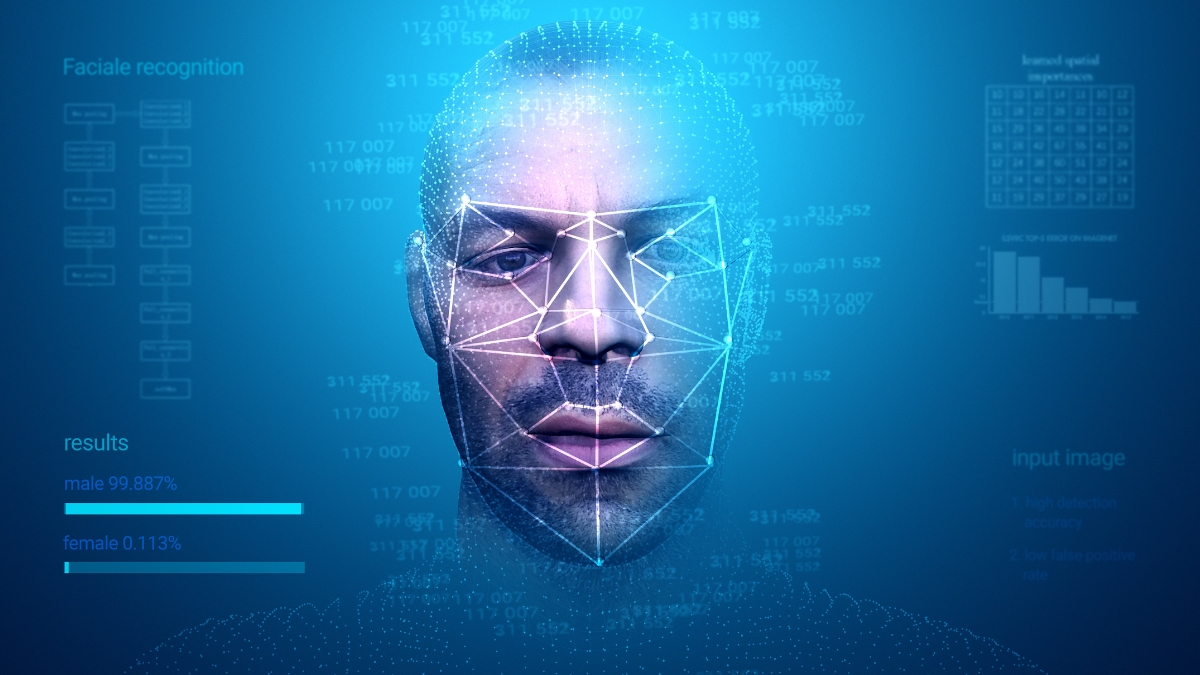
Your Face Is Becoming Your Passport: The New Biometric Age of International Travel
By WFY Bureau I Travel and Leisure
At many international borders, the decisive travel document is no longer the passport held in a passenger’s hand. It is the face looking into a camera.
Facial recognition, fingerprint checks, electronic travel authorisations and automated immigration gates are rapidly changing the mechanics of international travel. The passport remains essential, but it increasingly functions as the key to a digital record rather than the complete record itself.
For Indian passport holders, Overseas Citizens of India, NRIs and foreign citizens travelling to India, this promises shorter queues and fewer paper formalities. It also introduces new obligations. A passport must be electronically readable, personal details must match across documents, travel authorisations must be linked to the correct passport and biometric systems must successfully recognise the passenger.
The reward may be a border crossed in seconds. The risk is that an incorrect record, failed facial match or expired digital permission can stop a journey before the traveller reaches an immigration officer.
Europe’s Border Has Become a Database
The European Union’s Entry/Exit System, known as EES, represents one of the most significant changes to European border control in decades.
Launched in October 2025 and expanded during 2026, EES records non-EU travellers entering and leaving 29 European countries participating in the system. It replaces much of the previous reliance on manually stamping passports.
The system records the traveller’s name, passport details, date and place of entry or exit, facial image and, where required, fingerprints. It is also designed to identify overstayers by calculating the period a visitor has spent within the Schengen area.
For most short-term visitors, the familiar rule remains unchanged: no more than 90 days within a rolling 180-day period. What has changed is the method of enforcement. Instead of border officials reconstructing a journey from stamps, the system can examine electronic entry and exit records.
On a traveller’s first EES journey, registration may take longer because biometric information must be collected. Subsequent crossings should be faster because the face or fingerprints can be checked against the existing record. Children under 12 are exempt from providing fingerprints, although their facial images and travel details may still be recorded.
The implementation has not been seamless. The UK House of Commons Library’s July 2026 briefing recorded delays, technical difficulties and temporary suspensions at some border points. Travellers should therefore allow additional time, particularly during busy holiday periods.
Indian passport holders must understand an important distinction: EES is not a visa.
Most Indian citizens still require a Schengen visa before travelling to the participating European countries. EES records their border crossing, but it does not replace the visa or guarantee admission. As visa applicants generally provide fingerprints during the application process, they may not be required to provide them again through EES, although facial and passport checks will still apply.
ETIAS Will Not Apply to Every Indian Traveller
Europe is also preparing the European Travel Information and Authorisation System, or ETIAS. It is frequently described as a European visa, but that is inaccurate. It is a pre-travel authorisation for citizens of countries whose nationals are allowed to visit the Schengen area without obtaining a short-stay visa.
At the beginning of September 2026, ETIAS was not yet operational. The European Union’s official ETIAS website says the specific starting date will be announced several months before the system begins.
This matters because commercial websites are already offering ETIAS-related services, sometimes at inflated prices. Travellers should not pay an unofficial agent for an authorisation that is not yet available.
An Indian citizen travelling on an Indian passport will ordinarily need a Schengen visa and will therefore not use ETIAS. An overseas Indian travelling on a British, American, Canadian, Australian or another visa-exempt passport may require ETIAS once it begins.
The determining factor is the passport used for the journey, not Indian ancestry, NRI status or possession of an OCI card.
Once operational, ETIAS applications will be made online or through an official application. The authorisation is expected to cost €20 for applicants between 18 and 70, with no fee for children and older travellers. It should normally remain valid for three years or until the linked passport expires, whichever occurs first.
A new passport will generally require a new authorisation. The traveller must therefore avoid entering the details of an old or secondary passport and then attempting to travel with another.
Britain’s ETA Is Already Part of Travel
The United Kingdom has introduced its own Electronic Travel Authorisation, or ETA, for visitors who do not require a visa for short stays and do not already hold UK immigration status.
The ETA currently costs £20 and normally permits multiple journeys over two years, or until the passport used in the application expires. Applicants provide passport and contact details, upload a photograph and answer suitability and criminality questions. Although many decisions are automated and issued within minutes, the UK Home Office recommends applying at least three working days before travel.
An ETA is permission to travel, not permission to enter. The final decision remains with UK border authorities.
Indian passport holders generally require a UK visa and therefore do not apply for an ETA. However, members of the Indian diaspora travelling on passports from visa-exempt countries may need one. British and Irish citizens are exempt.
Dual British citizens face a particularly important document issue. Britain advises them to travel using a valid British passport or another accepted document proving their right to enter. An airline’s automated system may not recognise a person’s British citizenship if the passenger presents only a foreign passport with no linked travel permission.
Transit passengers must also check their route carefully. According to the UK Home Office ETA factsheet, eligible travellers passing through UK passport control require an ETA. Those making an airside connection at Heathrow or Manchester without passing border control currently do not.
A change of airport, collection and rechecking of baggage, or an overnight connection may alter that position.
India Removes One More Stamp
From 1 September 2026, passengers departing internationally from Indian airports no longer need their boarding passes stamped at immigration.
Travellers may show an electronic boarding pass on a smartphone or use a printed version. Physical boarding passes remain acceptable, but immigration officers will no longer stamp them. The passport, required visa or immigration permission and boarding pass must still be presented as applicable.
The change eliminates a small but familiar piece of airport ritual. It is also part of a broader transition from visible evidence to electronic verification. A missing ink mark once created difficulty at later checkpoints. Under the new system, departure clearance is recorded digitally.
India is also expanding the Fast Track Immigration Trusted Traveller Programme. Eligible Indian citizens and foreign nationals holding OCI cards can enrol and provide fingerprints and a facial image. Once approved, they can use electronic gates for faster immigration clearance at participating airports.
The programme’s official portal states that OCI applicants must provide biometric information during enrolment. It is voluntary, and passengers who do not join can continue using regular immigration counters.
What an OCI Card Does, and Does Not Do
Confusion commonly arises because an OCI card is treated as though it were a second passport. It is not.
The Government of India describes the passport as the primary travel document and the OCI card as a lifelong visa. An OCI holder must therefore travel with a valid foreign passport and evidence of OCI status.
The nationality shown in the foreign passport governs entry requirements for countries other than India. An American citizen with an OCI card is treated as an American passport holder when travelling to Europe. A British citizen with an OCI card is treated as British at a European border. The OCI card has no role in determining whether ETIAS or the UK ETA is required.
Passport details linked to OCI records must also be kept current. Under existing rules, an OCI card generally needs to be reissued once when a new passport is obtained after the holder reaches 20 years of age. Passport and photograph updates are required at certain other stages. Travellers should consult the official OCI Services guidance rather than relying on old social-media messages.
A family may now possess a mixture of passports, visas, residency permits and OCI documents. Each person’s eligibility must be checked separately, including for children. One family member’s citizenship or immigration status does not automatically extend to another.
When the Face Does Not Match
Biometric systems are presented as effortless: look at a camera, wait for a green light and proceed.
Real passengers are more complicated.
Facial appearance changes with age, illness, surgery, injury or major changes in weight. A passport photograph may be several years old. Religious head coverings, lighting, camera position and image quality can affect recognition. Fingerprints may be difficult to capture from older people, manual workers or passengers with certain medical conditions.
Children’s faces change rapidly, which is one reason biometric requirements may differ by age. Parents travelling with infants or young children should expect referral to a staffed counter even at highly automated airports.
A failed biometric match does not normally mean that travel is prohibited. It means the passenger may require manual examination. The problem becomes serious when airport staff are overstretched, a connection is short or the traveller cannot clearly explain inconsistencies in the documents.
Names present another difficulty, particularly for Indian travellers. Passports may contain initials, expanded family names, blank surname fields or different arrangements of given and last names. Airline tickets, visas and electronic authorisations must follow the passport exactly. A system may treat a small spelling variation as a different identity.
Travellers should resist the habit of entering a preferred or commonly used name. The machine is comparing data fields, not interpreting family history.
A Practical Biometric Travel Check
Before an international journey, passengers should confirm four things.
First, check passport validity and destination rules. Some countries require validity beyond the planned departure date or a minimum number of blank pages, even as physical stamping declines.
Second, verify the travel document used for every application. A visa, ETA or future ETIAS authorisation linked to an expired passport may not transfer automatically to a replacement.
Third, ensure names, dates of birth and passport numbers match across the airline booking, visa, OCI record and electronic permission. Do not assume a minor inconsistency will be corrected at the airport.
Fourth, retain accessible evidence. Keep digital and printed copies of important documents, accommodation details, return travel and official approval messages. Electronic travel does not mean relying entirely on one telephone that may lose power, connectivity or access to an email account.
Travellers with children, older relatives or several citizenship documents should allow additional time. Automation is fastest for uncomplicated cases. Families often have the least uncomplicated paperwork.
The Privacy Price of Speed
Biometric borders can be genuinely useful. They reduce dependence on easily damaged documents, make identity fraud more difficult and can accelerate the processing of large passenger volumes. Electronic entry records may also prevent disputes caused by illegible or missing passport stamps.
But the face is not an ordinary password.
A compromised password can be replaced. A face or fingerprint cannot. Biometric systems therefore create unusually sensitive databases containing permanent identifiers connected to travel history, nationality and border decisions.
The EES will normally retain individual files for three years after the last recorded trip, with different retention periods possible in some circumstances. That information may be consulted by border, immigration and law-enforcement authorities under the governing rules.
Governments argue that this improves security and identifies overstayers. Civil-liberties advocates ask whether the collection is proportionate, whether access is sufficiently controlled and what happens when information is inaccurate.
There is also the problem of function expansion. A database created for immigration may later be used for wider policing, intelligence or identity verification. Systems introduced as voluntary conveniences can become difficult to avoid when automated lanes receive more investment than staffed counters.
Passengers rarely negotiate these terms. Consent at a border is limited because refusing the biometric procedure may mean not entering the country.
The proper question is not whether technology should be used. It is whether travellers know what is collected, why it is required, how long it is retained, who can access it and how an incorrect record can be challenged.
The Passport Is Still Essential
The prediction that faces will replace passports entirely is premature. International travel still depends upon citizenship, visas, residency rights and documentary proof. Airlines must establish whether passengers have permission to travel, while border officers retain authority to question or refuse entry.
What is changing is the relationship between the traveller and the document.
The paper passport is becoming the physical anchor for an expanding digital identity. It connects the holder to facial images, fingerprints, visa records, airline information and a history of border crossings. The stamp may disappear, but the record becomes more detailed.
For travellers, the new system offers real convenience. For governments, it offers speed, accuracy and greater knowledge of movement. For society, it creates a permanent challenge: ensuring that efficiency does not quietly become unrestricted surveillance.
The next time a passenger looks into an airport camera, the machine will not merely be checking a face. It will be asking whether that face matches a network of permissions, records and past journeys.
The border of the future may have fewer counters, fewer stamps and shorter queues. It will not necessarily ask fewer questions.