


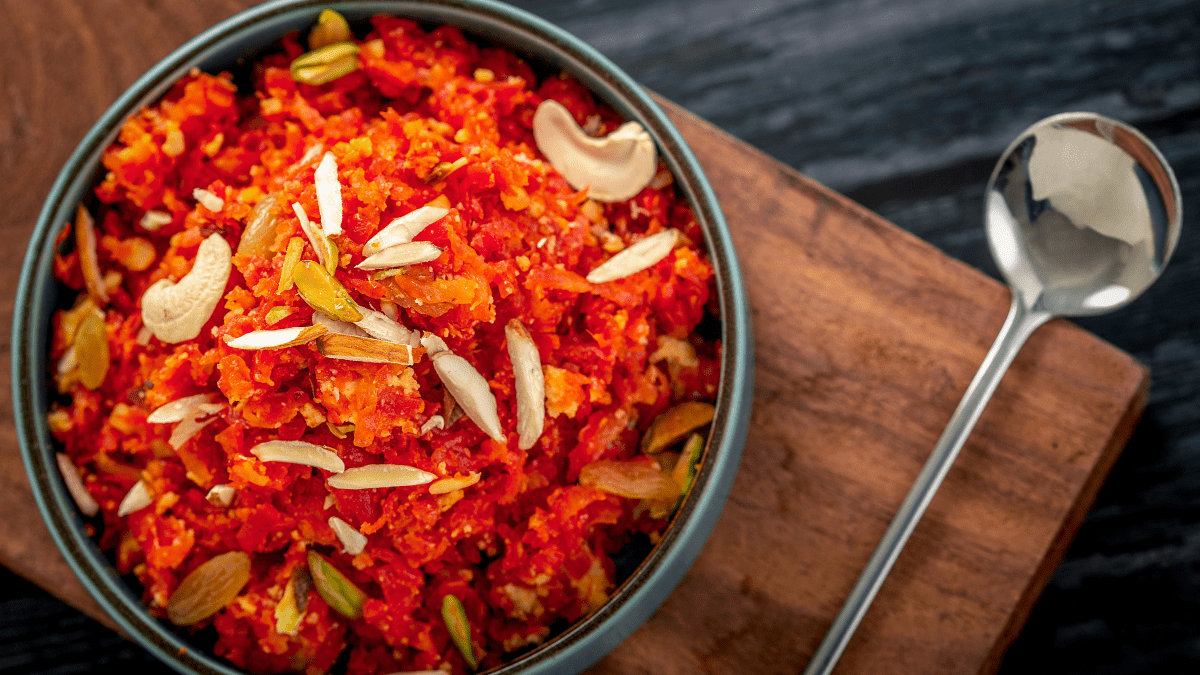
By WFY Bureau | Featured – From The Kitchens of India | The WFY Magazine, December, 2025 edition
There are some dishes that belong to the heart before they belong to the plate. Gajar ka Halwa is one of them. For countless Indians living abroad, this dessert is a memory more than a recipe. It is a reminder of winter evenings in the North, steel bowls filled with warm halwa, the aroma of ghee drifting through busy kitchens and the soft sweetness that defined childhood celebrations. It stands somewhere between comfort and luxury, simplicity and indulgence.
Across time zones, seasons and continents, Indians abroad continue to return to this one familiar winter dish. Whether they are sitting in New York’s cold apartments, sharing dessert in London homes, cooking for friends in Dubai, or recreating family recipes in Melbourne, Gajar ka Halwa remains a warm link to a winter they once knew.
This feature explores the journey of this beloved dessert through homes across the world, the challenges migrants face in recreating its flavours and the emotional connections that turn this simple carrot pudding into a treasure of Indian culinary memory.
Gajar ka Halwa, known widely as carrot halwa, originated in northern India, where winters are crisp and markets overflow with bright red Delhi carrots. The dessert began as a seasonal luxury. Carrots arrived only during the cold months and families cooked large batches to share. The process was slow, patient and celebratory. Milk simmered for hours, carrots softened gradually and the aroma filled entire households.
Over time, the halwa travelled beyond its region. Weddings, festivals and family gatherings added their own versions. Today it is no longer a regional dish but a national favourite, loved in every Indian state.
For the Indian diaspora, the halwa symbolises more than winter. It represents a bridge between countries, cultures and generations.
The Diaspora’s Emotional Bond with Gajar Ka Halwa
For migrants who live in cold countries, winter brings back memories of halwa more strongly than any other dessert. The smell of carrots cooking in milk has a way of softening homesickness. The first spoonful carries the warmth of home kitchens, shared laughter and familiar routines.
Why it feels deeply nostalgic:
• It is cooked only during winter, creating strong seasonal memories
• It reminds people of family gatherings
• It is linked with festivals like Lohri, Makar Sankranti and New Year
• It is one of the first desserts many Indians remember eating as children
• It has a comforting, homemade quality that cannot be replaced
Indians abroad often describe the experience of cooking halwa as a return to themselves. It is not only a culinary exercise. It is a ritual of remembrance.
Challenges of Cooking it Abroad
The most significant challenge for Indians abroad is the carrot itself.
Indian red carrots have a unique sweetness and texture. They are softer, brighter and more aromatic than the carrots usually found in Western supermarkets. Their availability abroad is limited, seasonal or expensive. As a result, diaspora families adapt the recipe to suit the orange variety found overseas.
Differences in carrots:
• Western carrots are denser
• They release less water
• Their sweetness is milder
• They need longer cooking time
Despite this, Indians abroad have perfected the art of making halwa with whatever is available. In some countries, frozen grated carrots help. In others, farmers’ markets offer varieties closer to Indian ones. Each adaptation reflects the creativity of migrants who refuse to let distance come between them and their food heritage.
The Traditional Method: Slow, Patient, Rewarding
The traditional recipe takes time. It demands patience and attention. The original halwa is cooked slowly on a low flame. Milk reduces naturally, carrots soften without losing colour and the texture becomes luxurious.
The slow-cooked method involves:
• Washing and grating carrots
• Simmering them in full-fat milk
• Stirring regularly to prevent sticking
• Allowing the mixture to reduce naturally
• Adding ghee only after the milk thickens
• Incorporating sugar last
• Finishing with nuts and cardamom
This method produces a halwa that is rich, glossy and deeply comforting. Many Indians abroad continue to follow this method during weekends or festivals, keeping tradition alive despite busy lifestyles.
The Modern Method: Adaptation with Integrity
Life abroad moves faster. Work schedules, small kitchens and limited cooking time make the slow-cooking method difficult for many. Over the years, diaspora kitchens have developed their own practical versions. These methods save time without compromising the essence of the dish.
Popular diaspora adaptations:
• Using condensed milk instead of reducing milk for hours
• Pressure-cooking carrots to shorten cooking time
• Mixing whole milk with evaporated milk
• Adding minimal sugar since condensed milk is sweet
• Using pre-grated carrots from supermarkets
• Cooking in non-stick pans to avoid burning
• Using an oven for initial softening of carrots
While these methods are not traditional, they reflect a unique truth about diaspora life: adaptation does not diminish authenticity. It enhances it by making tradition sustainable.
A Cultural Saga Told Through Ingredients
Every ingredient in Gajar ka Halwa tells a piece of Indian history.
Carrots
Symbolise winter abundance in northern India. Their colour, sweetness and availability define the season.
Milk
Represents India’s strong dairy heritage, from village farms to modern dairies.
Ghee
Adds richness and aroma. It is a symbol of purity and celebration in Indian cooking.
Sugar
Originally replaced jaggery in many regions. Today, both are used depending on preference.
Nuts and cardamom
Signal luxury and festivity. They turn a simple dessert into a special one.
Together, these ingredients create a dessert that carries cultural weight. Indians abroad keep this symbolism alive even in unfamiliar kitchens.
Regional Variations Across India
Although the basic recipe remains the same, different states have their own versions.
1. Delhi Style
Creamy, slow-cooked, rich in milk. Soft texture.
2. Punjabi Style
More ghee, more khoya, deeper colour.
3. UP Style
Slightly grainy texture, less sugar, more cardamom.
4. Rajasthani Style
Often cooked with jaggery for added warmth.
5. South Indian Variation
Includes subtle coconut flavours and sometimes raisins.
These variations travel with Indians when they migrate. Diaspora kitchens replicate the version they grew up with.
The Best and Authentic Gajar Ka Halwa Recipe
Here is the most authentic version suitable for both Indian and diaspora kitchens.
Simple, reliable and rich in nostalgia.

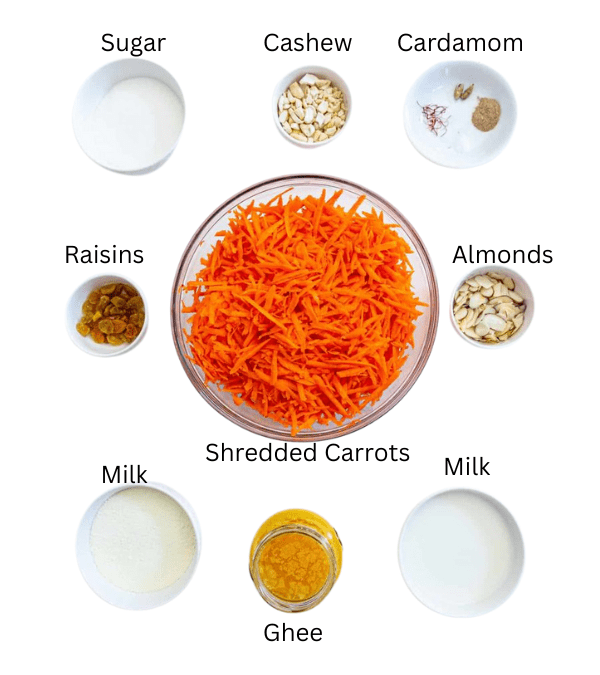
Ingredients:
• 1 kg red or orange carrots
• 1 litre full-fat milk
• 4 to 6 tablespoons ghee
• 6 to 8 tablespoons sugar (adjust as needed)
• 1 teaspoon cardamom powder
• 8 to 10 cashews, chopped
• 10 to 12 almonds, slivered
• Raisins (optional)
• A small quantity of grated khoya (optional but recommended)
Method:

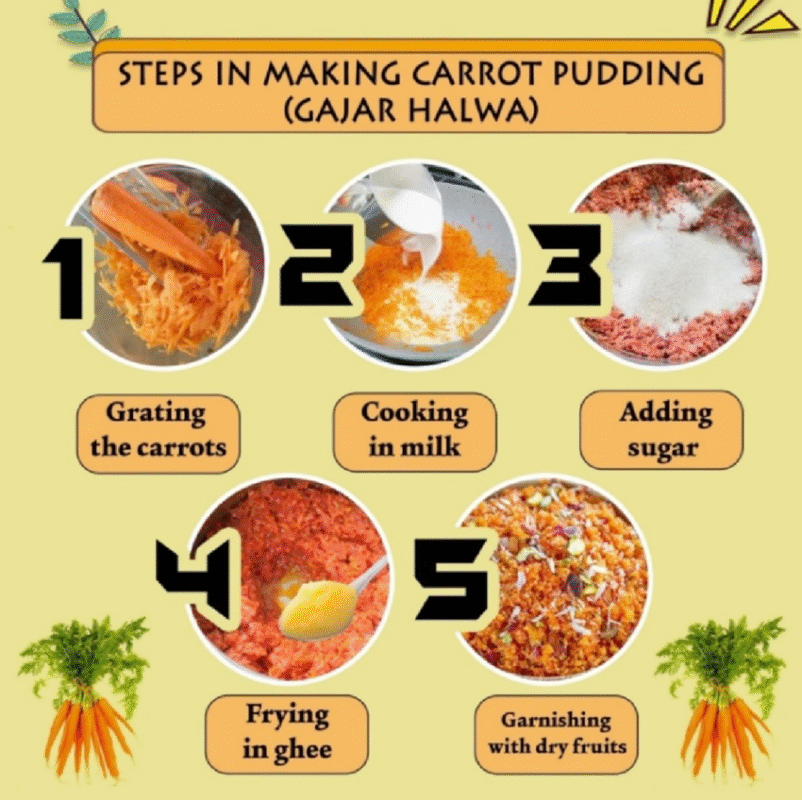
Step 1: Prepare the carrots
Wash thoroughly and grate. This is the most time-consuming step but essential for texture.
Step 2: Cook in milk
Heat milk in a wide pan and add the grated carrots. Allow them to cook slowly on low heat. Stir occasionally.
Step 3: Reduce naturally
Let the milk thicken and reduce. This may take up to 45 minutes depending on carrot variety.
Step 4: Add ghee
Once most of the milk has evaporated, add ghee. Cook until the mixture becomes glossy.
Step 5: Sweeten
Add sugar. The halwa will release moisture again. Continue cooking until thick.
Step 6: Add flavour and richness
Sprinkle cardamom powder and add khoya if available. Mix well.
Step 7: Garnish
Roast nuts lightly in ghee and add to the halwa.
Serve warm. This is the true taste of Indian winter.
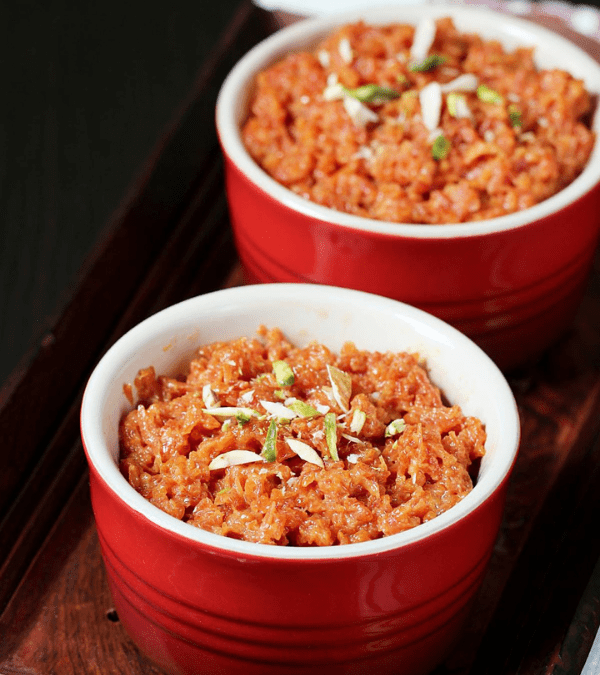
Variations Worth Exploring
Indians abroad often experiment with ingredients based on availability.
Popular variations include:
• Adding orange zest for brightness
• Using jaggery instead of sugar
• Replacing milk with oat or almond milk
• Adding a touch of rose water
• Mixing in dates for sweetness
• Using frozen grated carrots during off-season
• Adding coconut milk for a tropical touch
These variations show how halwa evolves while staying connected to its roots.
The Halwa as a Cultural Connector
Beyond its culinary appeal, Gajar ka Halwa connects people.
It connects:
• Parents to children
• India to the world
• Past winters to present ones
• Tradition to modern life
• Memory to identity
Food has the power to hold stories. This dessert carries countless stories of migration, resilience and longing.
Gajar ka Halwa continues to be a dish that brings people together across continents. Its sweetness lies not only in its ingredients but also in the memories it evokes. Every spoonful is a reminder of home, warmth, love and the comfort of familiar hands stirring a pot on a winter evening.
For Indians abroad, it is more than a dessert. It is heritage served in a bowl.
Disclaimer: This article is for cultural and culinary insight. It is not a substitute for professional dietary or nutritional guidance. Readers with specific health conditions should choose ingredients and preparation methods suitable for their personal requirements.