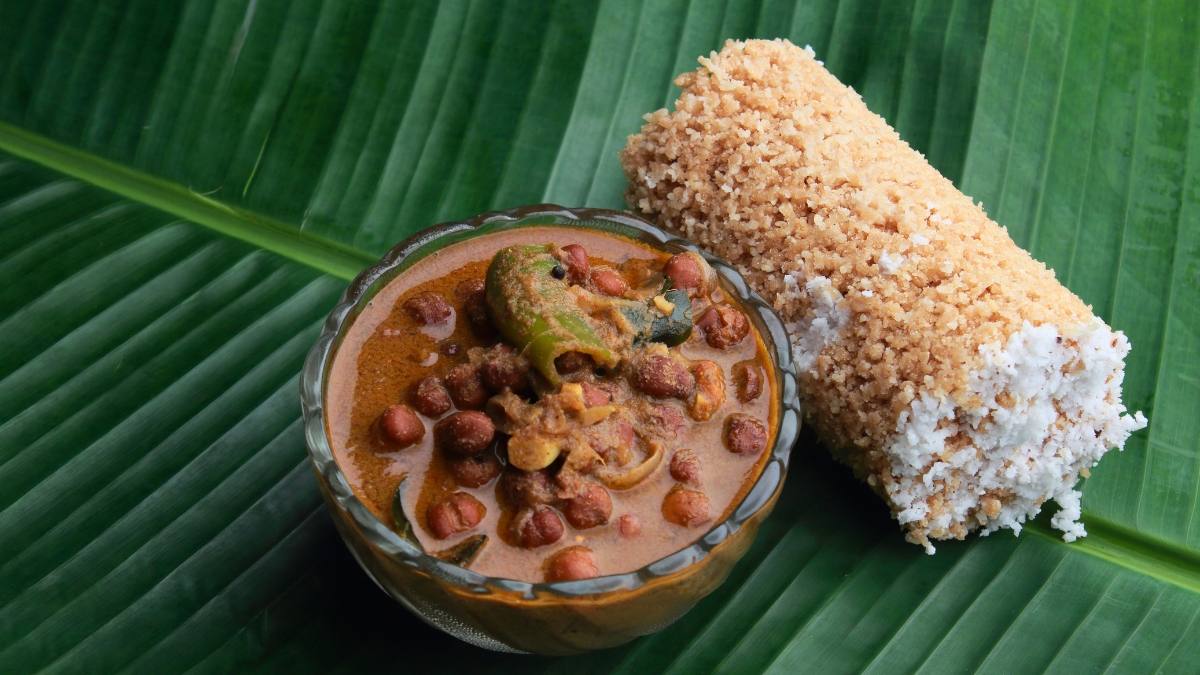
There are breakfasts that fill the stomach, and there are breakfasts that tell the story of a people.
In the southern Indian state of Kerala, few dishes capture history, culture and everyday life as beautifully as Puttu and Kadala Curry. Found in homes, roadside eateries, luxury hotels and village kitchens alike, the pairing remains one of the most recognisable and beloved breakfast traditions in the region.
For Malayalis living around the world, the aroma of freshly steamed puttu and the rich spices of kadala curry often evoke memories of childhood mornings, family gatherings and leisurely weekends at home. It is more than a meal. It is an expression of Kerala’s culinary identity.

A Breakfast Rooted In Simplicity
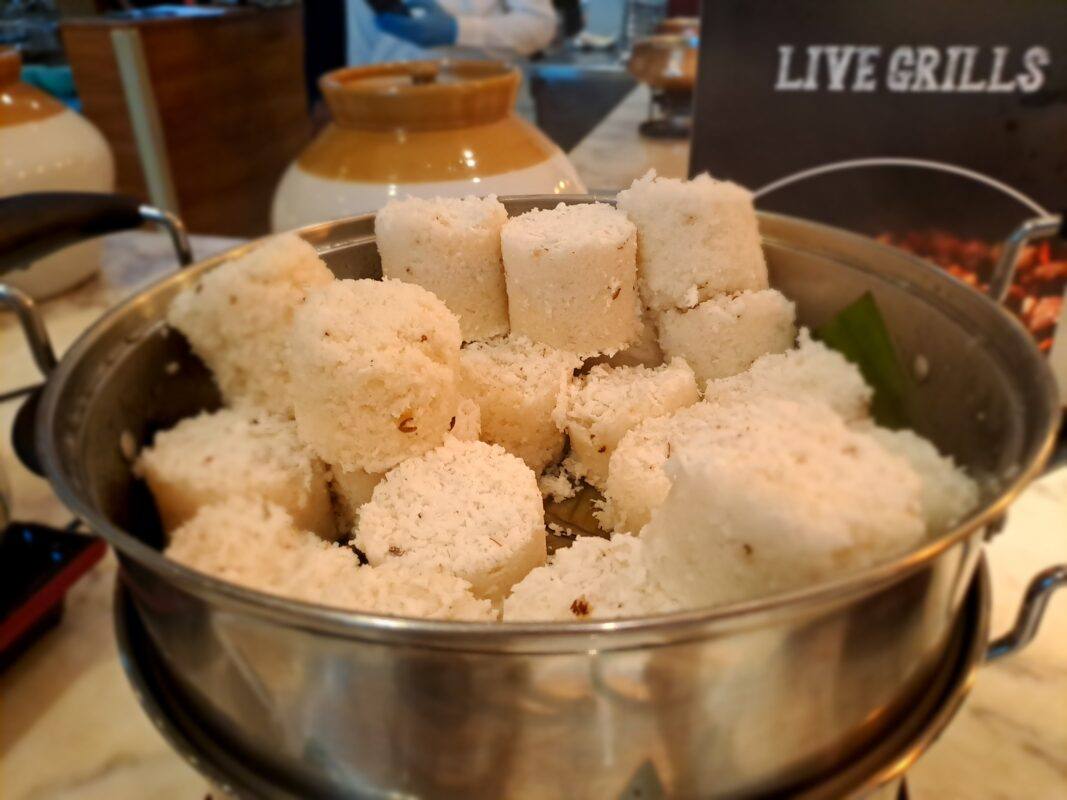
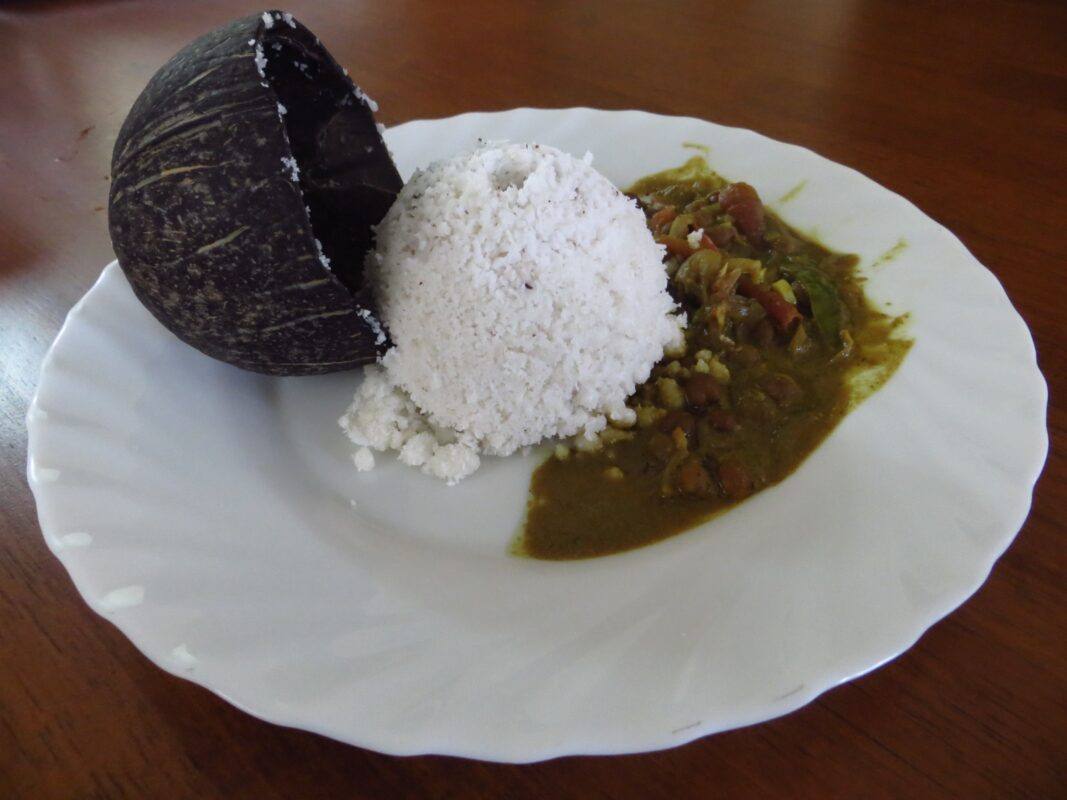
Puttu is deceptively simple.
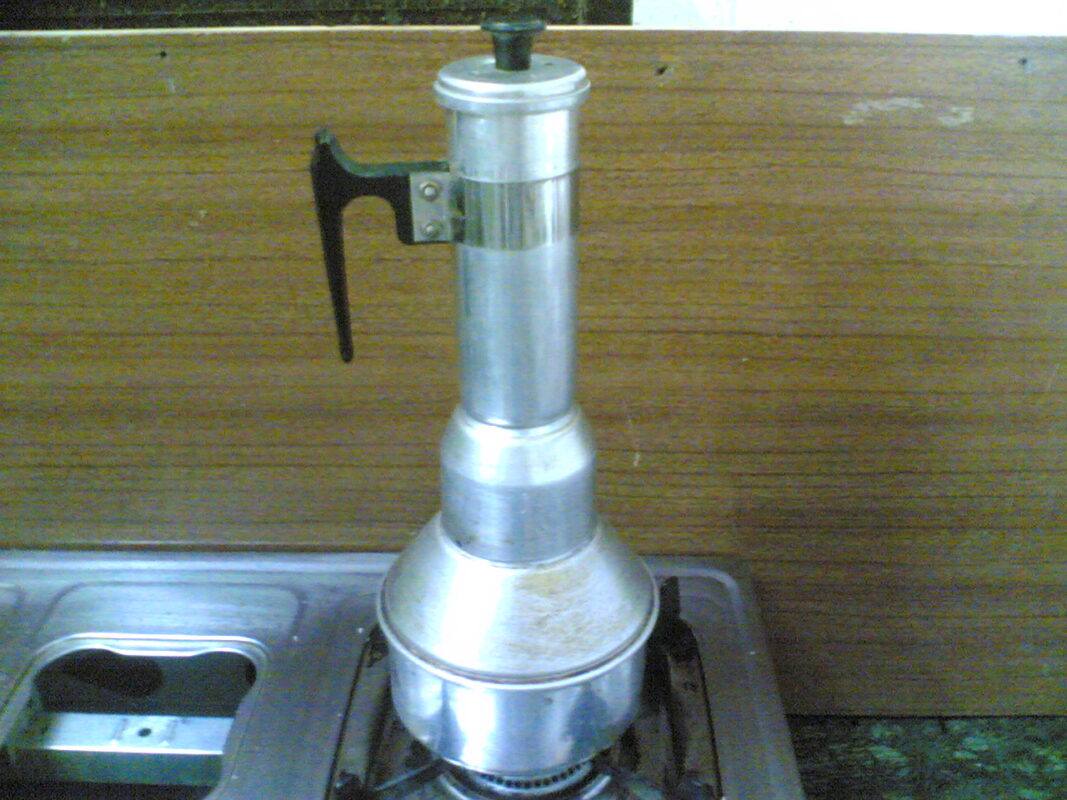
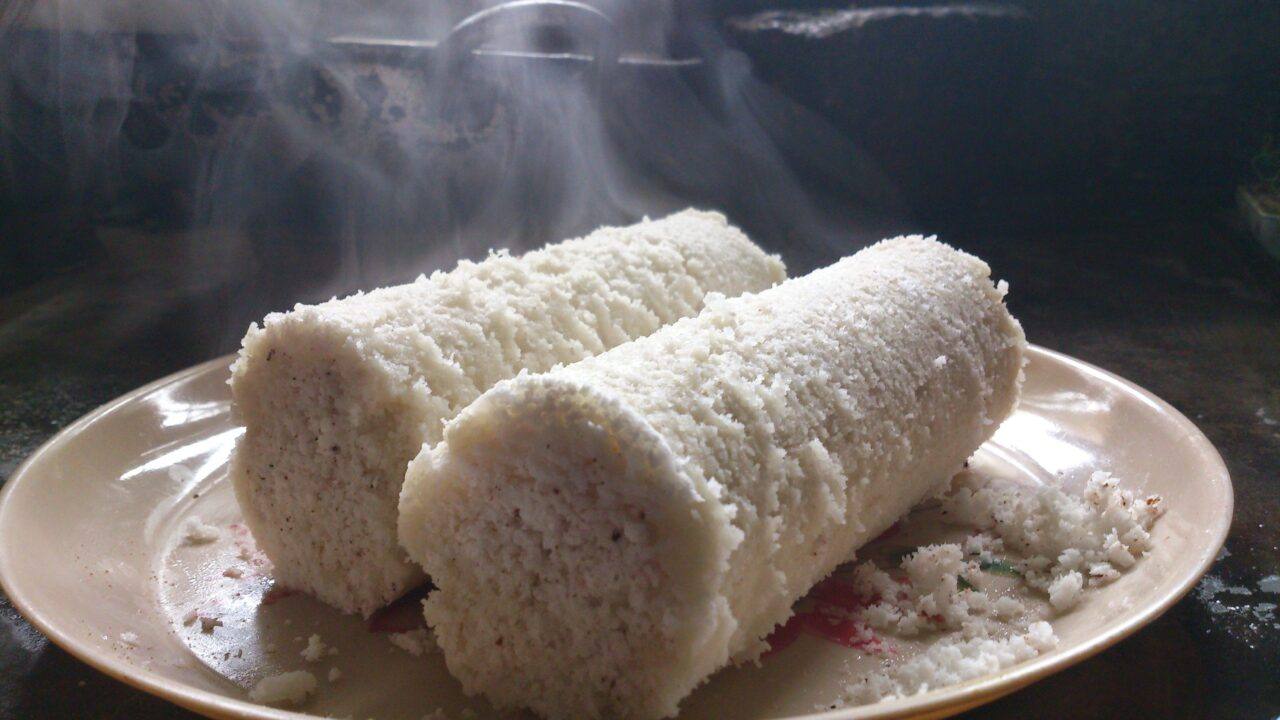
Prepared using coarsely ground rice flour layered with freshly grated coconut and steamed in a cylindrical mould, the dish contains only a handful of ingredients. Yet the steaming process gives it a distinctive soft and crumbly texture that has remained unchanged for generations.
Kadala curry provides the perfect companion.
Made using black chickpeas cooked slowly with onions, tomatoes, roasted spices and coconut, the curry offers richness and depth that beautifully complement the mild flavour of the puttu. Together, they create a breakfast that is both nourishing and satisfying without feeling heavy.
The combination reflects an important characteristic of traditional Indian cuisine: balance.
The carbohydrates of the rice, the protein from the chickpeas and the healthy fats from coconut create a meal that provides sustained energy for long working days in Kerala’s tropical climate.
The Story Behind The Dish
The exact origins of puttu are difficult to trace, although food historians believe variations of steamed rice preparations have existed along the Malabar Coast for centuries.
Kerala’s long association with rice cultivation naturally influenced local cuisine, while the abundance of coconut palms ensured that coconut became central to almost every aspect of cooking. Puttu emerged as an ingenious way of combining these two staple ingredients into a wholesome and practical breakfast.
Kadala curry evolved alongside it.
The spice trade that brought traders from Arabia, Europe and East Asia to Kerala’s shores also introduced ingredients and culinary influences that enriched local cooking traditions. The use of black chickpeas, roasted spices and coconut-based gravies reflects this unique historical blend of local ingredients and international connections.
Today, the pairing has become inseparable. Mention puttu in Kerala and kadala curry almost automatically follows.
A Dish That Travels With The Diaspora
One of the remarkable aspects of Indian cuisine is its ability to travel across borders while preserving memories of home.
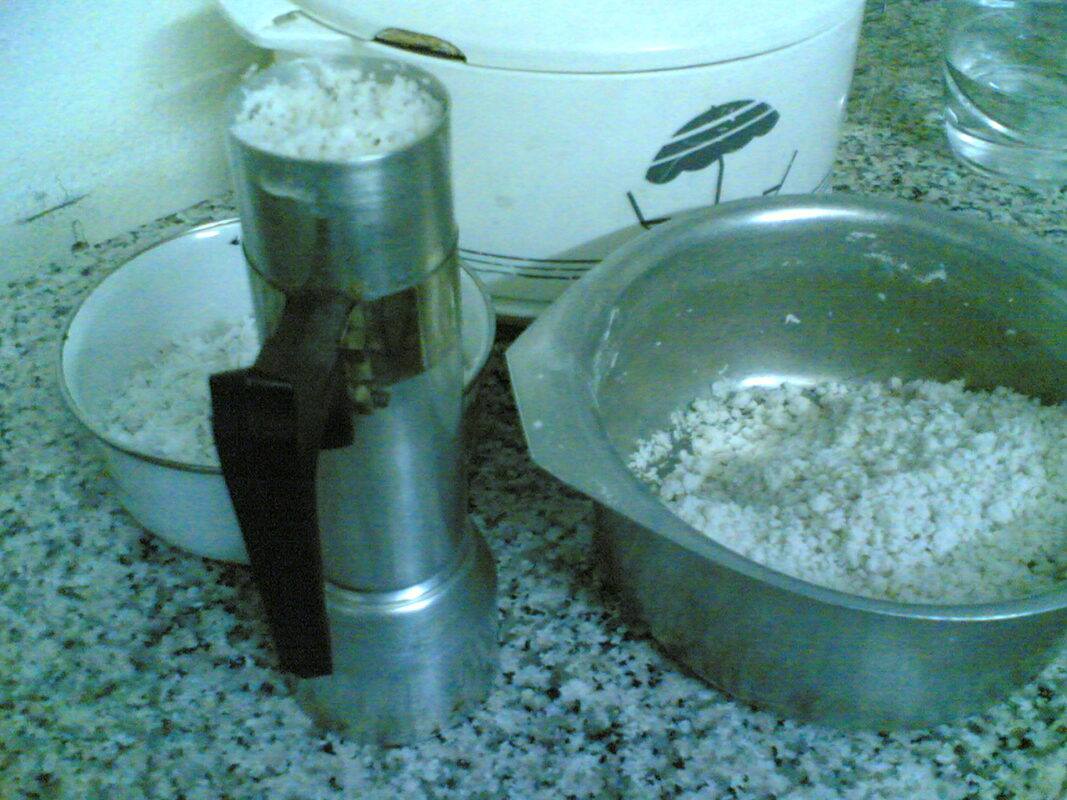
From Dubai to Toronto, London to Melbourne and Singapore to New York, Malayali communities continue preparing puttu and kadala curry in kitchens thousands of kilometres away from Kerala. Indian grocery stores around the world now stock ready-made puttu flour and specialised steamers designed for expatriate families eager to preserve culinary traditions.
For second and third generation diaspora communities, the dish often serves as an introduction to their cultural roots.
Food frequently becomes one of the strongest links connecting migrant families with their heritage, and puttu and kadala curry have become ambassadors of Kerala’s culinary culture across continents.
Nutritional Value In A Traditional Meal
Long before nutrition labels and dietary trends became popular, traditional Indian cuisines often achieved impressive nutritional balance through experience and practicality.
Puttu is naturally gluten-free and low in oil, while black chickpeas provide plant-based protein, fibre and essential minerals such as iron and magnesium. Coconut contributes healthy fats and enhances satiety, making the meal both wholesome and filling.
Nutritionists increasingly point to traditional breakfasts such as puttu and kadala curry as examples of meals that combine taste with nutritional value more effectively than many highly processed alternatives.
Variations Across Kerala
Like many traditional dishes, puttu changes subtly from region to region.
In some households, ripe bananas accompany the meal and are mixed directly with the puttu for added sweetness. Others serve it with papadam, while some coastal communities prefer fish curry alongside or instead of kadala curry.
Modern kitchens have introduced variations including wheat puttu, ragi puttu and even chocolate puttu for younger generations. Yet the classic combination of rice puttu and black chickpea curry remains the undisputed favourite.
The beauty of Kerala cuisine lies in this ability to innovate without abandoning tradition.
A Symbol Of Kerala Hospitality
Visitors to Kerala often discover that breakfast is treated with particular importance.
Offering guests steaming hot puttu and kadala curry is considered by many families an expression of warmth and hospitality. The meal is associated with conversation, family time and unhurried mornings before the demands of the day begin.
In a world increasingly dominated by fast food and hurried lifestyles, such traditions carry a deeper significance.
They remind us that food is not merely nourishment.
It is memory.
It is identity.
It is community.They remind us that food is not merely nourishment.
It is memory.
It is identity.
It is community.
The Recipe
Ingredients For Puttu
- 2 cups puttu rice flour
- 1 cup freshly grated coconut
- Salt to taste
- Water as required

Ingredients For Kadala Curry
- 1 cup black chickpeas soaked overnight
- 2 onions finely sliced
- 2 tomatoes chopped
- 1 tablespoon ginger-garlic paste
- 2 tablespoons grated coconut
- 1 teaspoon coriander powder
- 1 teaspoon chilli powder
- ½ teaspoon turmeric powder
- 1 teaspoon garam masala
- Curry leaves
- Mustard seeds
- Coconut oil
- Salt to taste
Preparation
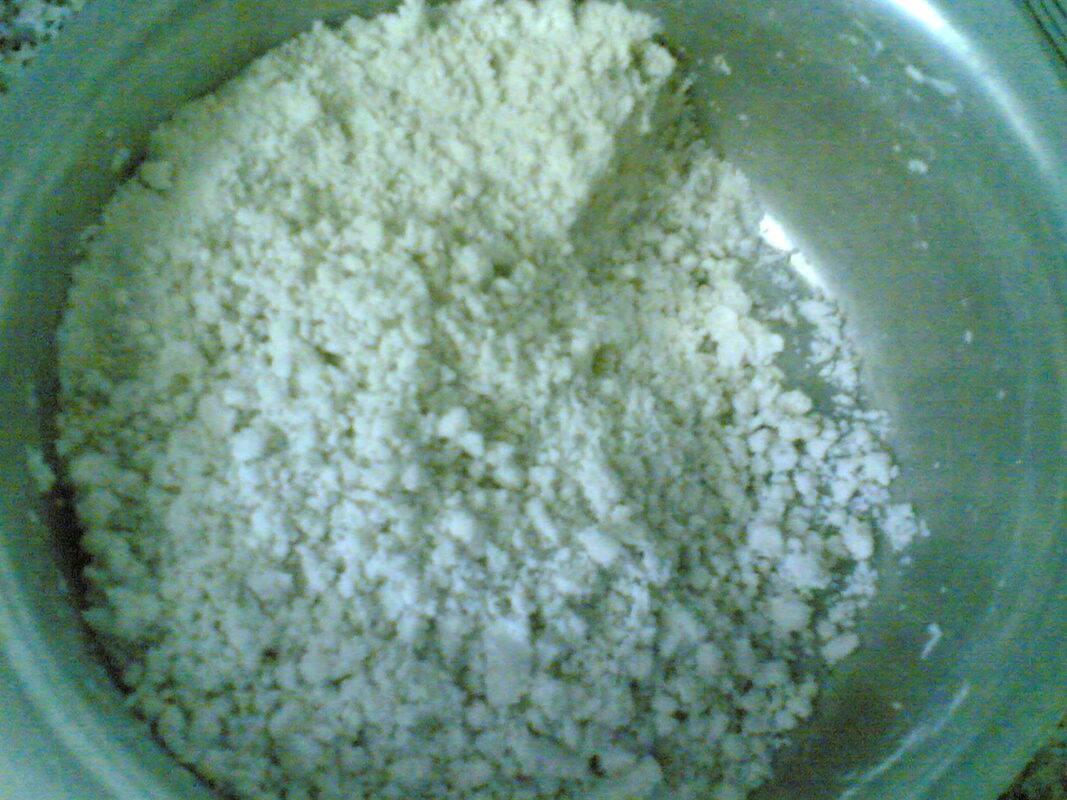
For the puttu, sprinkle salted water gradually into the rice flour and mix gently until the flour resembles moist breadcrumbs without becoming doughy. Layer grated coconut and flour alternately inside the puttu maker and steam for approximately five to seven minutes until cooked.
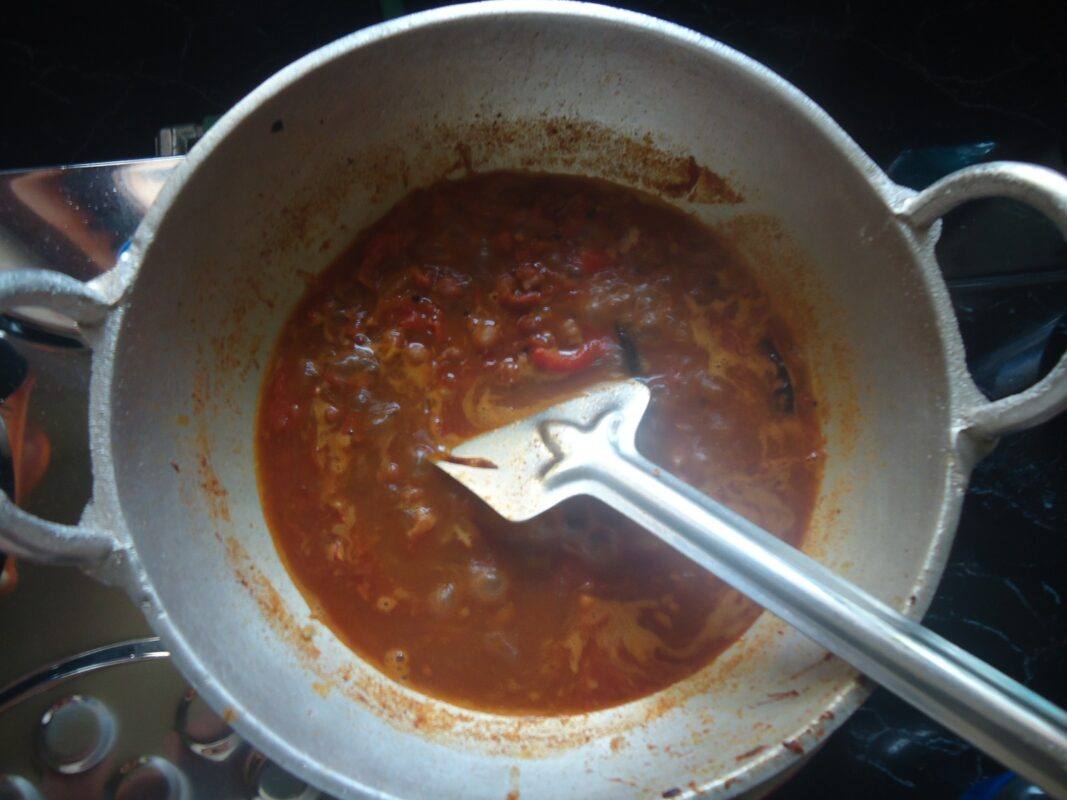
For the kadala curry, pressure cook the soaked chickpeas until soft. In a separate pan, heat coconut oil and add mustard seeds and curry leaves. Add onions and sauté until golden before adding ginger-garlic paste and tomatoes. Add the spice powders and cook thoroughly. Grind the grated coconut into a paste and mix into the curry before adding the cooked chickpeas. Simmer for ten to fifteen minutes until the flavours combine beautifully.

Serve hot with freshly steamed puttu.
More Than Breakfast
Puttu and kadala curry may appear simple on the plate, but they carry within them centuries of history, trade, migration and family tradition.
For Kerala, they represent home.
For the diaspora, they represent memory.
For visitors discovering them for the first time, they represent one of India’s finest breakfast experiences.
Sometimes the most extraordinary culinary stories begin with the simplest ingredients.