


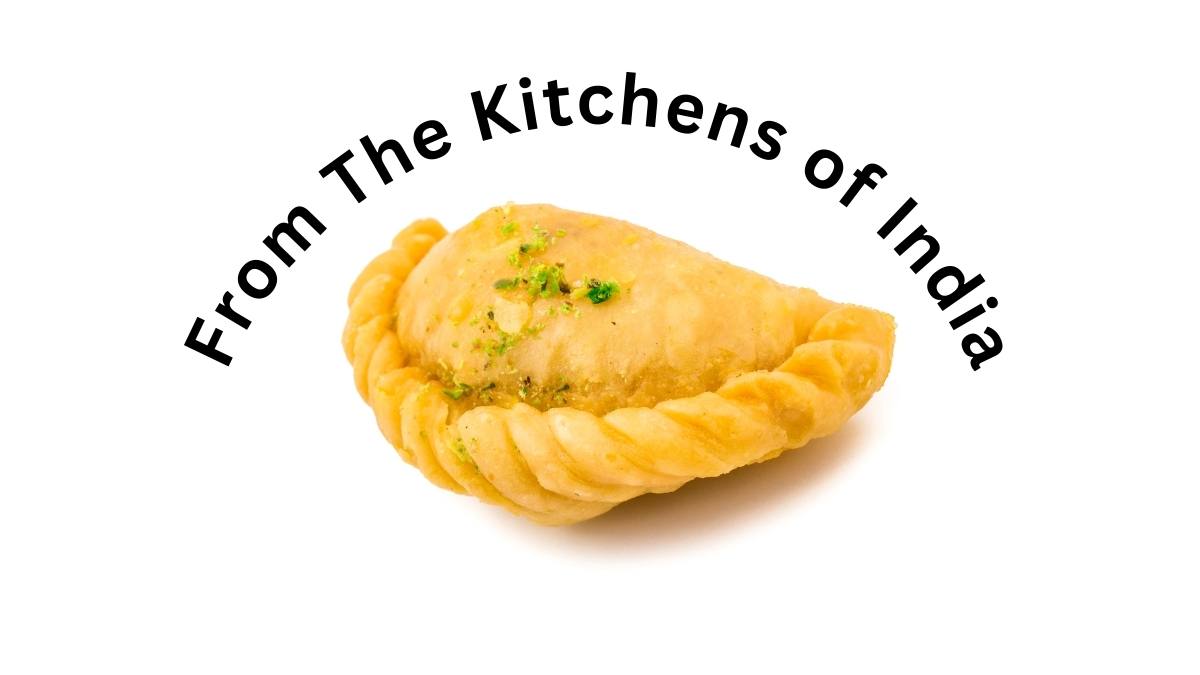
Authentic Uttar Pradesh Style Gujiya
A Classic from Uttar Pradesh Homes
Holi in Uttar Pradesh is incomplete without the aroma of freshly fried gujiyas drifting through the house. Unlike some regional versions that are dipped in sugar syrup, the traditional Uttar Pradesh gujiya is simple, crisp and filled with rich khoya. Its sweetness comes entirely from the filling, not from any coating.
The outer layer is made from maida and generous moyan of desi ghee. The secret to its flaky texture lies in rubbing the ghee thoroughly into the flour before kneading. When pressed in the palm, the flour should hold shape. The dough must be firm, not soft. After resting for about half an hour, it is rolled into small discs.
The filling is the heart of the gujiya. Fresh khoya is lightly roasted on a low flame just until aromatic, never browned. Once cooled, powdered sugar, finely chopped almonds and cashews, raisins, chironji and cardamom powder are added. The mixture should remain dry and crumbly. Adding sugar while the khoya is hot will release moisture and spoil the texture, so patience matters.
Each disc is filled carefully, folded into a semi circle and sealed firmly. In many Uttar Pradesh homes, the edges are pleated by hand rather than using moulds. This hand twisted border is not just decorative. It prevents the filling from leaking during frying.
Frying must be slow. The gujiyas are cooked on low heat until evenly golden. Rushing this step results in a browned exterior and undercooked layers inside. Properly fried gujiyas are crisp, light and fragrant.
Once cooled completely, they can be stored in an airtight container for several days. Served with thandai or simply with tea, this Uttar Pradesh style gujiya carries more than flavour. It carries memory, family tradition and the quiet joy of festivals made at home.
Below is the authentic method followed in homes across Lucknow, Kanpur, Varanasi and surrounding regions.
Ingredients
For the outer cover
- 2 cups maida (refined flour)
- 4 tablespoons desi ghee, melted
- A pinch of salt
- About ½ cup water (as required)
For the filling
- 1 cup khoya (mawa), grated
- ½ cup powdered sugar
- 2 tablespoons chopped almonds
- 2 tablespoons chopped cashews
- 1 tablespoon raisins
- 1 tablespoon chironji (traditional, optional but recommended)
- ½ teaspoon green cardamom powder
For frying
- Ghee or neutral oil
Step 1: Preparing the Dough
- In a wide bowl, mix maida and salt.
- Add melted ghee and rub it well into the flour using your fingers.
The mixture should resemble coarse crumbs. - To check if the moyan (fat ratio) is correct, press a small portion in your palm. If it holds shape, it is ready.
- Add water gradually and knead into a firm dough. Do not make it soft.
- Cover with a cloth and let it rest for 30 minutes.
The firmness of the dough ensures crisp layers after frying.
Step 2: Preparing the Filling
- Heat a heavy pan on low flame.
- Lightly roast the khoya for 2 to 3 minutes until it becomes slightly aromatic and changes to a light cream colour.
Do not brown it. - Allow it to cool completely.
- Add powdered sugar, chopped dry fruits, raisins, chironji and cardamom powder.
- Mix well. The mixture should remain dry and crumbly.
Sugar must always be added after cooling the khoya. Otherwise it will release moisture.
Step 3: Shaping the Gujiya
- Divide the dough into small equal balls.
- Roll each into a small disc, about 4 inches wide.
- Place 1 to 1½ tablespoons of filling in the centre.
- Apply a little water on the edges.
- Fold into a semi circle.
- Press firmly to seal.
- Twist the edges gently to create the traditional pleated design.
In Uttar Pradesh, sealing by hand is preferred over moulds.
Step 4: Frying
- Heat ghee or oil on medium flame.
- Once warm, reduce to low.
- Fry the gujiyas slowly in batches.
- Turn occasionally until evenly golden.
Frying on low heat is important. It ensures the outer layer becomes crisp and flaky while cooking fully inside.
Remove and cool completely before storing.
Storage
- Store in an airtight container.
- Stays fresh for 5 to 7 days in cool weather.
- Ensure they are completely cooled before storing to maintain crispness.
Important Traditional Tips
- The dough must be firm, not soft.
- The moyan should be adequate for flakiness.
- Filling must be dry.
- Fry slowly on low heat.
This is the classic Uttar Pradesh style gujiya served during Holi, without syrup, without glazing, and without shortcuts.