The Story Of My Istriwali
In India, we take a lot of things for granted. It is only when we go abroad that we realise how freely and how cheap labour is available in our country.
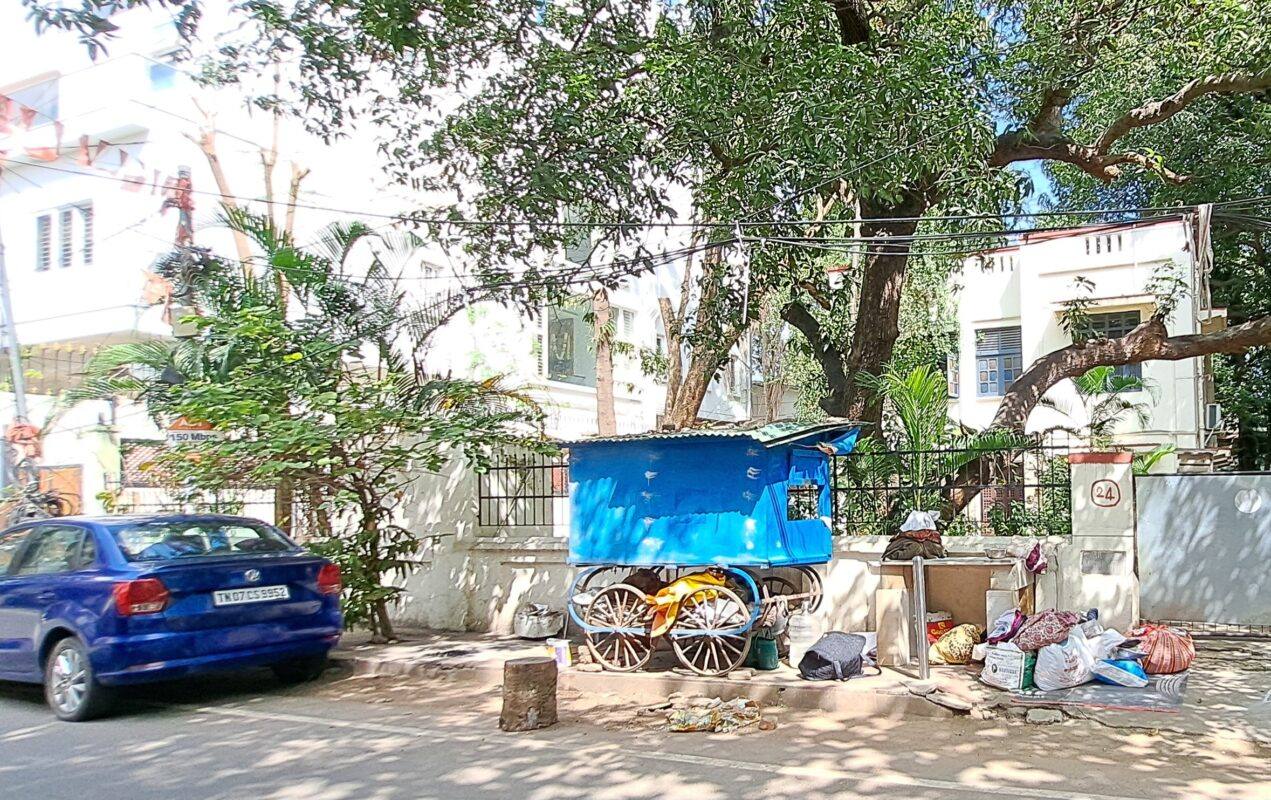
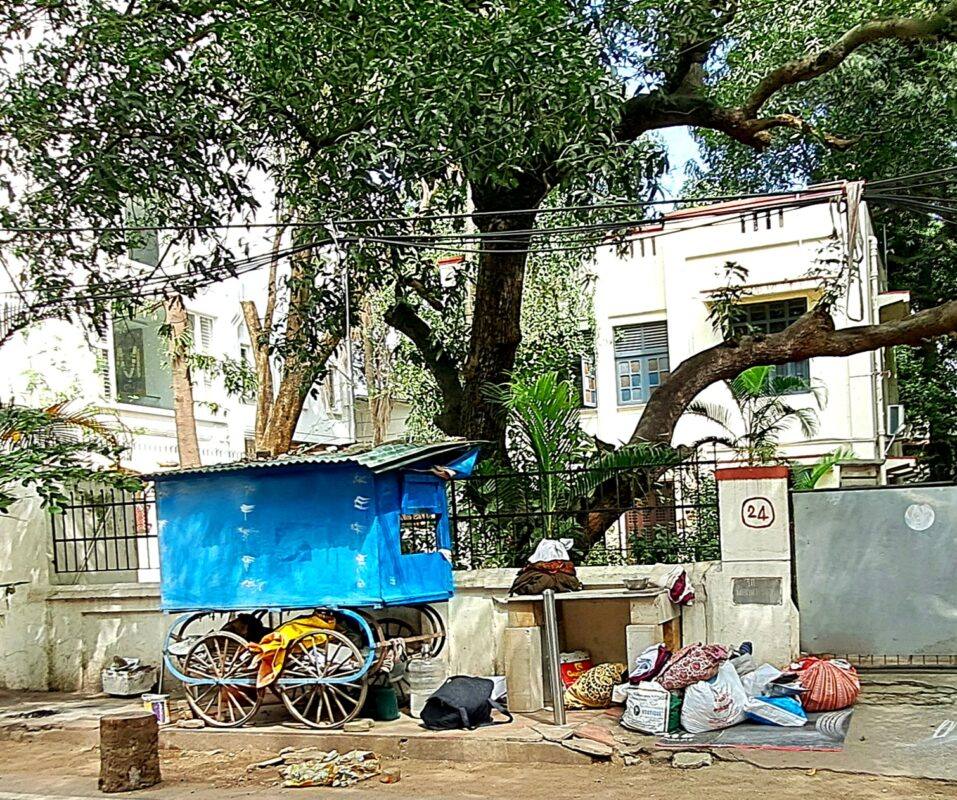
Take my street-side istriwali for example. She has a mobile ironing cart that she sets up under a tree every morning. She makes it a routine to come to one’s place once or twice a week, collect clothes, irons them and delivers them at one’s doorsteps… all for a nominal charge. So at the end of the day we have our clothes neatly pressed, ready to wear them someday. Getting fresh, crease-free clothes delivered straight to your doorstep, how convenient, what a luxury it is.
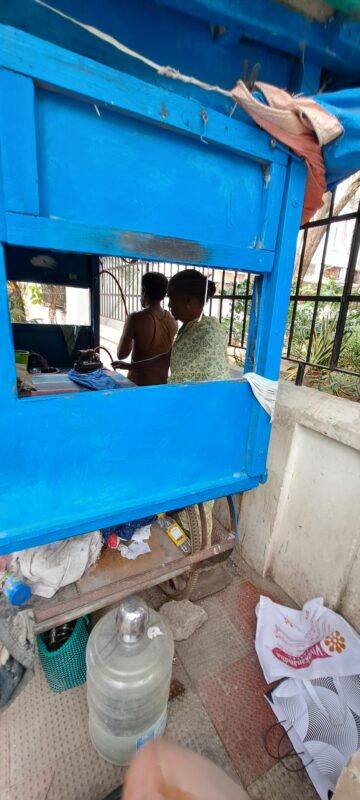
But come to think of her ordeal… She must operate within her jurisdiction which cannot intertwine with another istriwali’s jurisdiction. She has to go door to door to collect clothes. Has to handover the bundles to the person actually ironing them under the tree, keep an account of number of clothes of each bundle and at the end of the day, has to handover these bundles to the right owners, collect the money from them, give a certain fixed amount to the person who irons the clothes, on a daily basis, that is if she has outsourced, or hand it over to her husband if he is ironing the clothes. If it is the latter, then most of the money earned during the day would disappear like the spirit that the husband would consume that very night!!!
Also, it is heart wrenching to watch these people work so hard under the extreme weather conditions, be it any season. The worst being severe summers when they work with their heavy iron boxes that are filled with burning charcoal. They lead a very hard life, no doubt. Our heartfelt sympathies are with them.
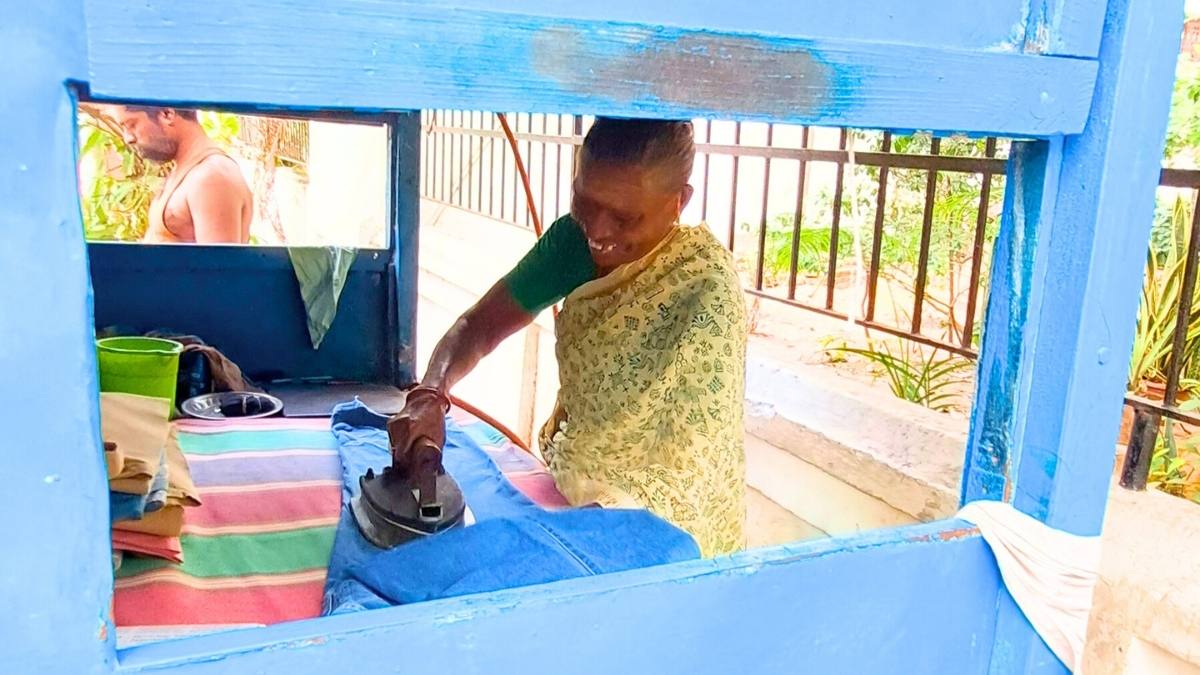
I have, over the years, seen my istriwali have her breakfast, lunch and evening tea by the roadside. She has thus passed most of her life in my street, during the course of which she has managed to marry off her 3 daughters while also managing her (drunkard) husband, innumerable illnesses & tragedies in the family, etc. And yet, despite these hardships, she puts on a smiling face whenever she comes to collect clothes. What a hardworking and confident person she is.
Just the other day, while I was strolling back home one evening, I stopped by her mobile ironing cart to have a chat with her. It was then that I noticed a gas cylinder with a long pipe attached to the iron box. On making enquires, she informed me that she now uses this newly acquired iron box which is quite expensive but very convenient.
It features a metal base heated by an internal combustion chamber connected via a hose to an LPG cylinder, offering superior heat control and durability.
It is like a gas burner, she said. Also, it is far lighter than the iron boxes that require charcoal. So she has now done away with the use of charcoal altogether, which is a relief since it was quite an ordeal getting the coal to light up and it consumed a lot of time and energy as well.
It is wonderful that some traditional ironers are now transitioning to LPG-fuelled irons to improve efficiency and reduce environmental impact.
I hope this technology has caught up with many others of her tribe. I am very happy for her.
People like her are the Micro Entrepreneurs, operating in local neighbourhood, offering quick affordable service.
“They come under the ‘Informal Economy:’ They represent a significant, low-investment, self-employed sector in urban India.”
May each and every ironing person’s life be a success story.
“It is in the quiet lanes of residential neighbourhoods in India’s cities and towns that the istriwala / istriwali marks his / her presence. Often standing under the shade of a tree or in a sparse shop, the istriwala / istriwali wields his / her iron box, carefully smoothing out the creases in our clothes, ensuring we look our very best.”
Istriwali – my neighbourhood ‘Ironlady’
Sudha Mukhopadhyay