

Emerging From Humble Punjabi Life To The Pinnacle Of Stardom
A Tribute to Dharmendra: Bollywood’s He-Man, Forever in Our Hearts
WFY Bureau Mumbai, India: One of Indian cinema’s most enduring and adored icons, Dharmendra, passed away on 24 November 2025 at the age of 89. The veteran actor, lovingly known to millions as Bollywood’s “He-Man,” leaves behind a legacy that spans more than six decades, over 300 films, and a lifetime of unforgettable performances. His family confirmed that he died in Mumbai due to age-related complications, closing a monumental chapter in the history of Indian cinema.
From Punjab’s Soil to the Heart of Indian Cinema
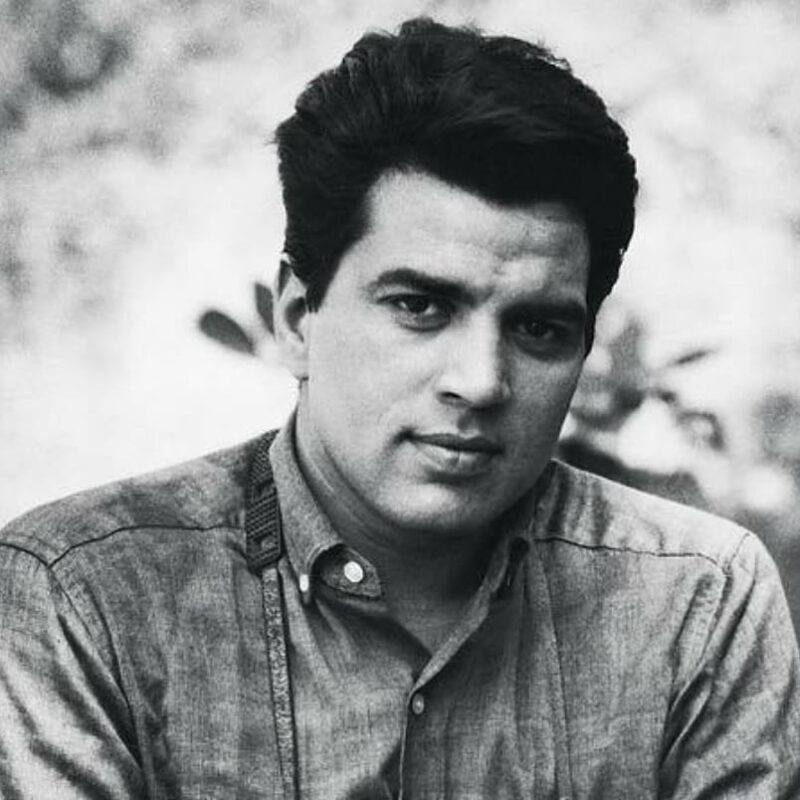
Born Dharam Singh Deol on 8 December 1935 in Sahnewal, Punjab, Dharmendra grew up in a modest household. His father, a schoolteacher, instilled in him values of simplicity and dignity—traits that remained with the actor throughout his extraordinary journey.
His rise to fame began in 1958, when he won the prestigious Filmfare talent contest, a turning point that transported him from rural Punjab to the film studios of Bombay. Two years later, he made his screen debut in Dil Bhi Tera, Hum Bhi Tere (1960), marking the start of one of the most prolific careers Bollywood has ever seen.
Over the years, Dharmendra evolved from a shy young hopeful into a pan-Indian phenomenon, capturing hearts with both his quiet intensity and effortless charisma.
A Star with Remarkable Range
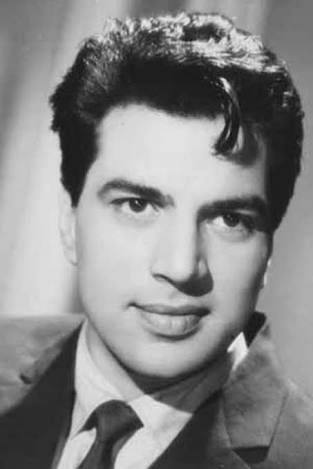
Dharmendra’s versatility set him apart in an industry often defined by typecasting.
He excelled in:
Romance (1960s)
Films like Bandini, Anupama, and Devar showcased his soulful expressions and understated romantic charm. His gentle screen presence earned him widespread admiration.
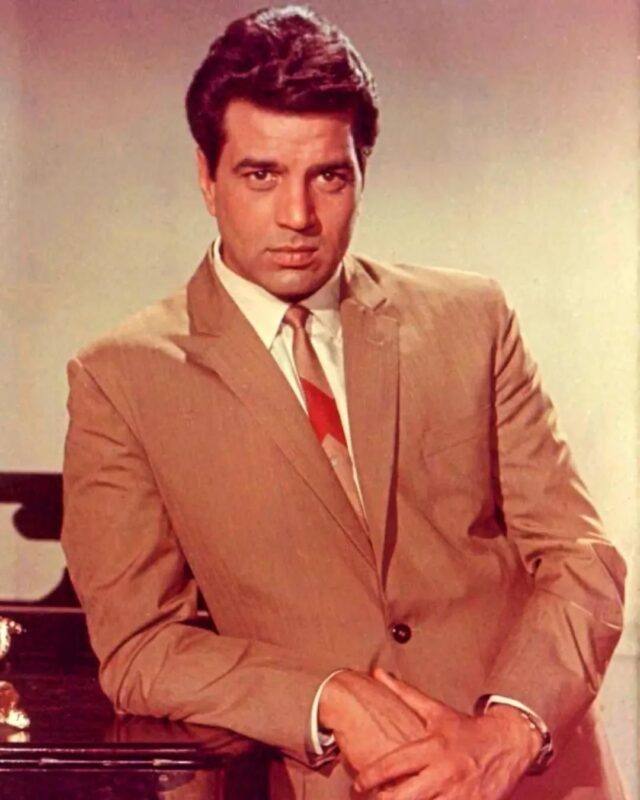
Serious Performances (1960s–70s)
In Satyakam (1969), he delivered a powerful performance still regarded as one of the greatest in Hindi cinema. His ability to convey vulnerability and moral conflict remains unparalleled.
Action Hero (1970s–80s)
His athletic physique and rugged looks transformed him into one of Bollywood’s earliest action icons. Films like Phool Aur Patthar, Dharam Veer, Dream Girl, and The Burning Train cemented his reputation as the “He-Man of Bollywood.”
Comedic Brilliance
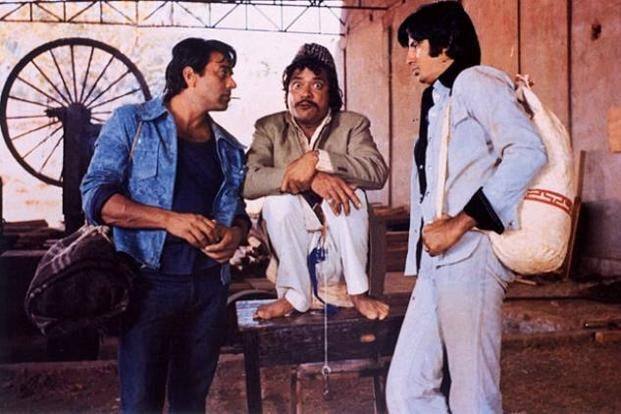
With Chupke Chupke (1975), he proved that comedy was well within his command, charming audiences with his impeccable timing and natural humour.
Across these genres, Dharmendra effortlessly transitioned from romances and family dramas to intense action roles—an adaptability few actors have matched.
The Sholay Legacy
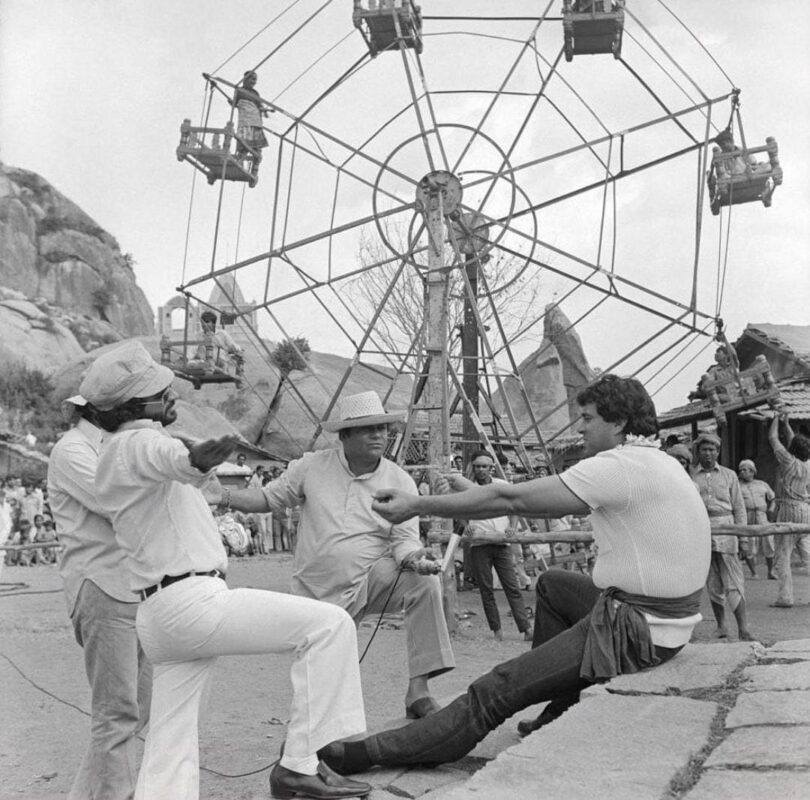
Among his hundreds of roles, none is more iconic than Veeru in Sholay (1975).
His camaraderie with Amitabh Bachchan, the memorable dialogues, and the film’s lasting cultural impact ensured that Dharmendra’s portrayal would become a pillar of Indian cinematic history.
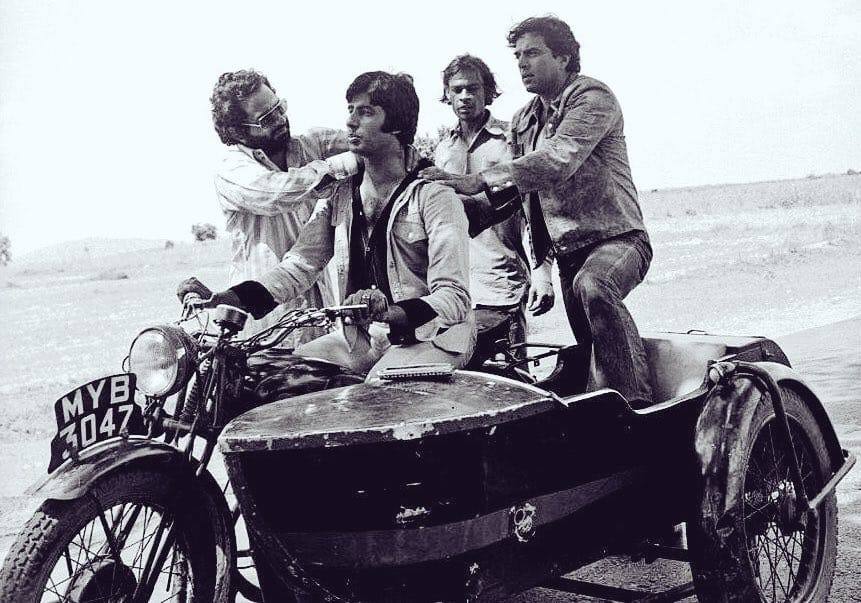
Even decades later, Sholay remains a touchstone of modern Indian pop culture.
Honours, Public Life, and Beyond
Dharmendra’s contributions were acknowledged through multiple honours, including:
- Filmfare Lifetime Achievement Award (1997)
- Padma Bhushan (2012) ,India’s third-highest civilian award
Beyond cinema, he also served the nation in public life, representing Bikaner in the Lok Sabha from 2004 to 2009 as a member of the BJP. Although he preferred the film set to the political stage, his influence extended well beyond entertainment.
Warmth, Humility, and an Unshakable Human Touch
Despite towering fame, Dharmendra remained deeply rooted in humility. Colleagues often described him as gentle, affectionate, and genuine; an actor who treated junior artists, technicians, and fans with equal respect.
His life off-screen was just as rich. A devoted family man, Dharmendra is survived by Hema Malini, his children Sunny Deol, Bobby Deol, Esha Deol, Ahana Deol, and an extended family deeply woven into Indian cinema.
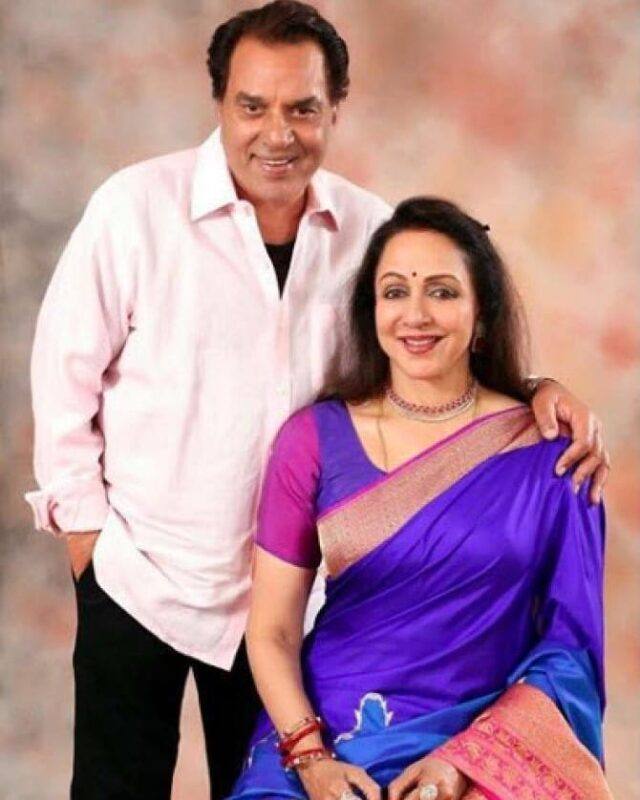
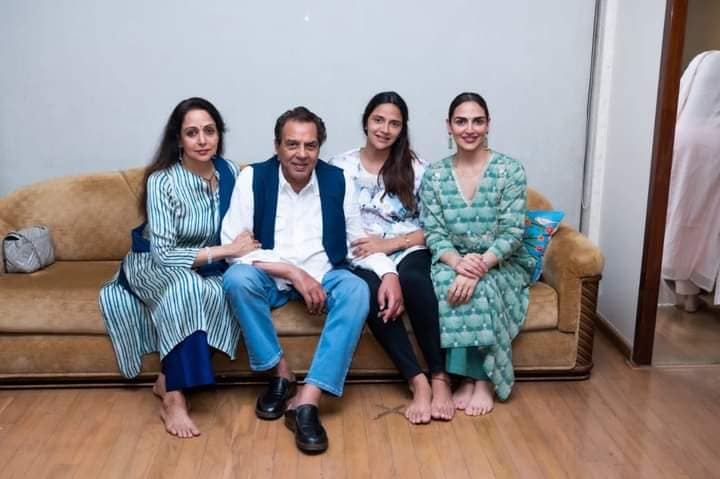
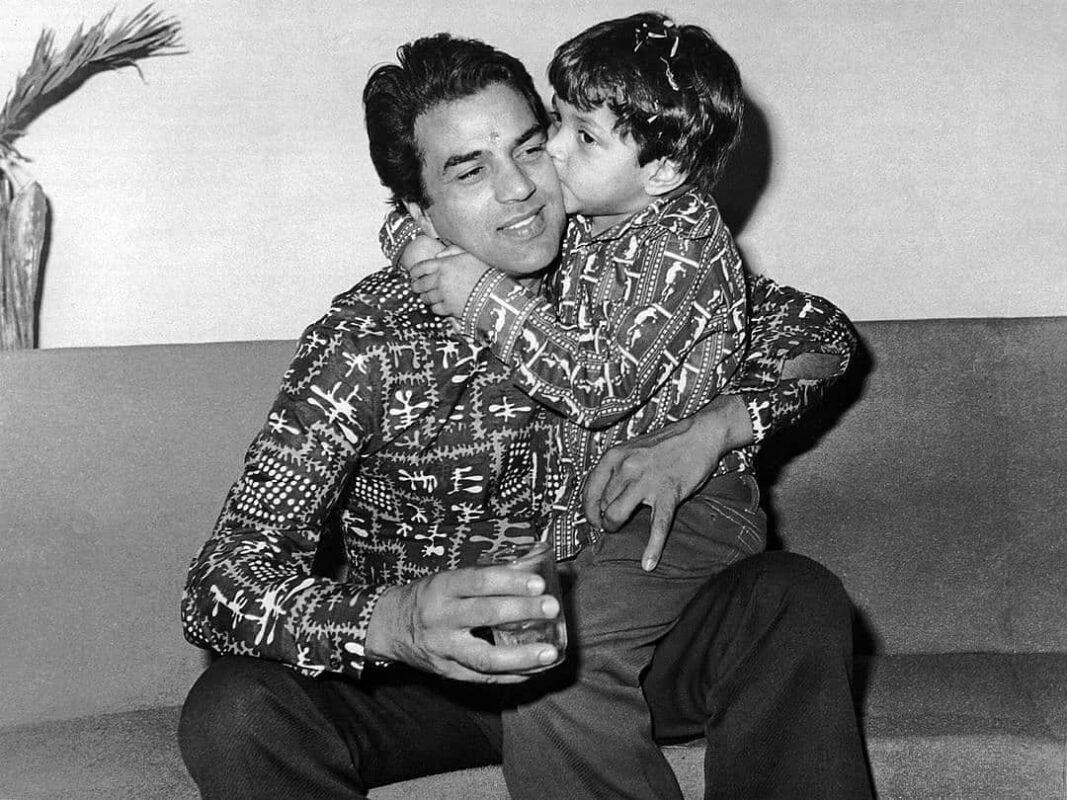
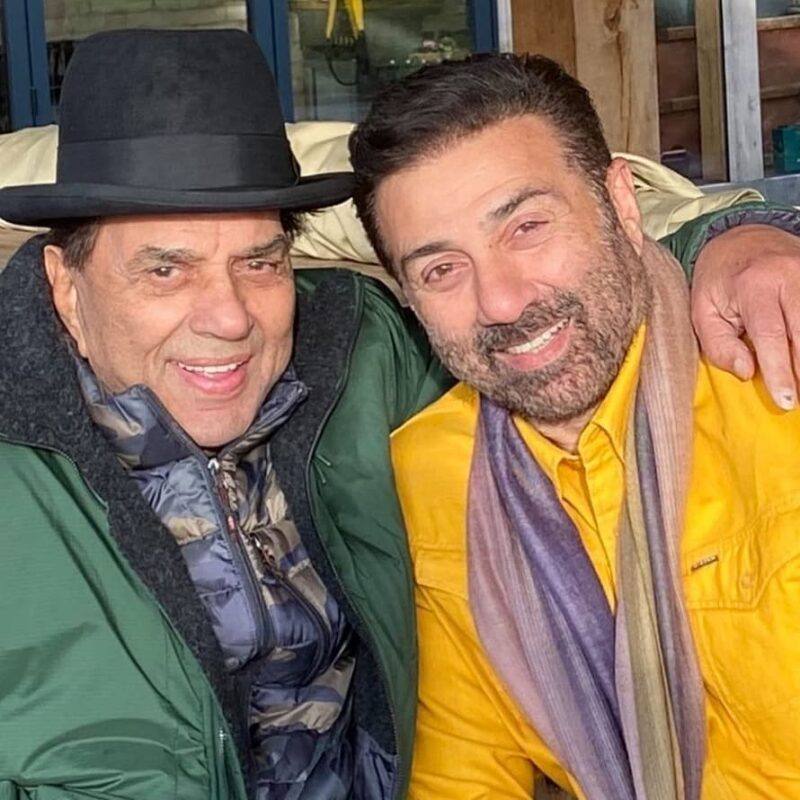
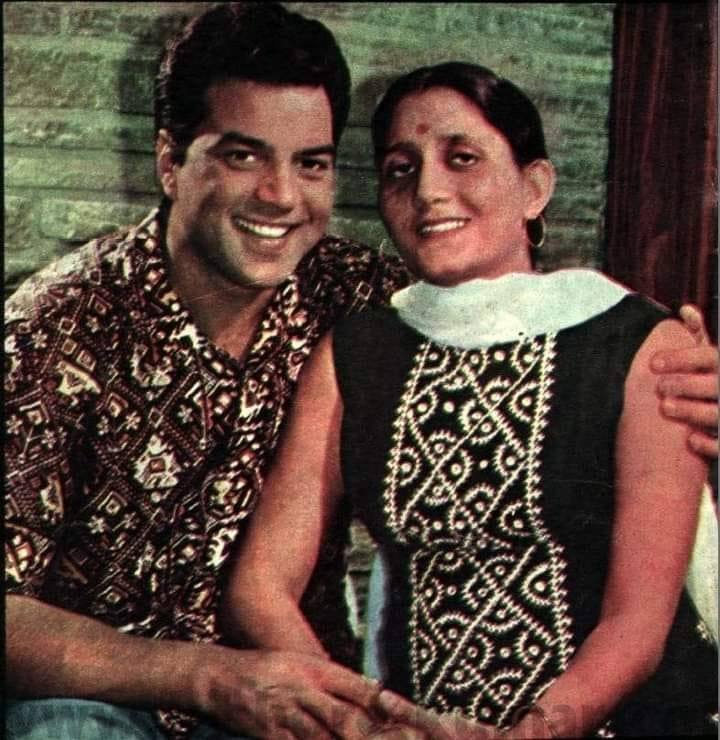
Even in his later years, Dharmendra stayed connected with fans through public events, films, and heartfelt social media messages that revealed the same warmth that endeared him to millions.
An Outpouring of Grief and Gratitude
News of Dharmendra’s passing sparked grief across India and beyond. Actors, filmmakers, and fans commemorated him as a legend, a hero, and a gentle soul whose contributions transcended the screen.
For audiences, he was not just an actor; he was an emotion, a memory, a familiar presence woven into the very fabric of Indian entertainment.
His films continue to be revisited and celebrated, his dialogues remain etched in cultural memory, and his charisma endures across generations.
A Legacy That Will Outlive Time
Dharmendra’s journey—from the quiet countryside of Punjab to the heights of stardom—embodies grit, talent, resilience, and heart.
He shaped eras, redefined genres, and left behind moments of cinema that will never fade.
With his passing, India loses one of its last true giants of classic Bollywood.
Yet, his legacy—built on passion, sincerity, and a lifetime of unforgettable performances—will continue to illuminate screens and hearts for years to come.
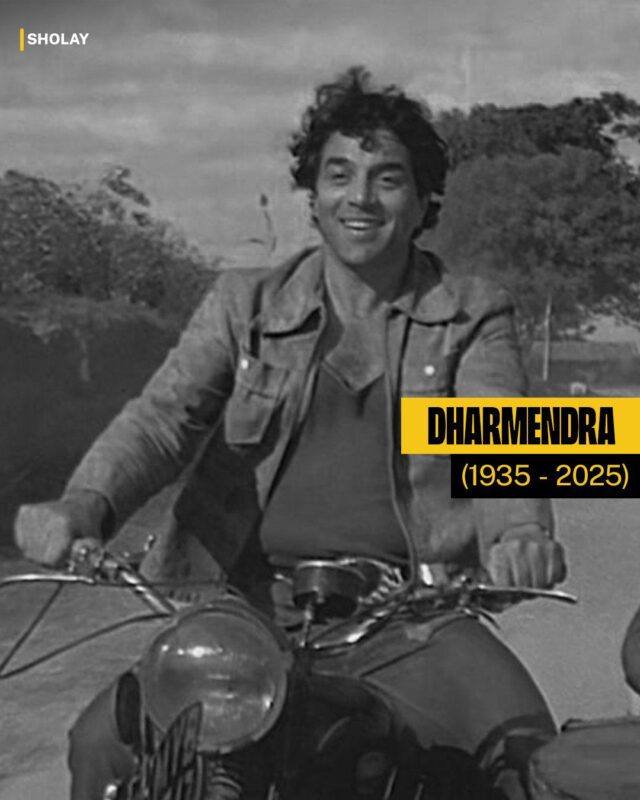
Om Shanti, Dharmendra PaJi.
The He-Man may have left the stage, but the legend remains eternal.
A Complete Timeline of His Life & Major Films
1930s–1950s: Early Life & Beginnings
1935
- December 8 – Born as Dharam Singh Deol in Sahnewal, Punjab, to Kewal Kishen Singh Deol (schoolteacher) and Satwant Kaur.
1940s–1950s
- Raised in a rural environment marked by simplicity, discipline, and strong values.
- Developed an early interest in cinema, particularly inspired by icons like Dilip Kumar.
1958
- Wins the Filmfare Talent Hunt, a nationwide contest that opens the doors to the film industry.
1960–1969: Breakthrough & Rise as a Leading Man
1960
- Film debut: Dil Bhi Tera Hum Bhi Tere.
1963–1966 (Romantic Era)
- Bandini (1963) – Gains attention for his emotional depth.
- Anupama (1966) – Earns acclaim for his understated, sensitive performance.
- Devar (1966) – Strengthens his reputation as a versatile romantic actor.
1969
- Satyakam – Considered one of his greatest performances; a defining dramatic role.
1970–1979: Stardom, Action Roles & Iconic Classics
1970
- Kab Kyun Aur Kahan and Sharafat—begins transition into action and drama.
1971–1975
- Becomes one of Bollywood’s highest-paid actors.
1975
Sholay – Plays Veeru, achieving legendary status.
The film becomes one of the biggest cultural landmarks in Indian cinema.
Other Iconic Films of the 1970s
- Phool Aur Patthar
- Dharam Veer
- Dream Girl
- Jugnu
- The Burning Train
- Chupke Chupke (1975) – Reveals his comedic brilliance.
1980–1989: The Action Era & Continued Popularity
Early 1980s
- Dominates as an action star, earning the moniker “He-Man of Bollywood.”
Major 1980s Releases
- Raaj Tilak
- Main Inteqam Loonga
- Naukar Biwi Ka
- Sultanat
- Loha
1983
- Betaab launches son Sunny Deol’s career; Dharmendra becomes part of a star family legacy.
1990–1999: Senior Roles & Industry Recognition
1990s
- Appears in selective roles as younger actors rise, but continues to draw audiences.
1997
Filmfare Lifetime Achievement Award – Honoured for his contributions to Indian cinema.
1999
- Appears with sons Sunny and Bobby Deol in Apne (later revisited in 2007).
2000–2009: Political Career & Occasional Films
2004–2009
- Serves as Member of Parliament for Bikaner (Lok Sabha) under the BJP.
2007
- Apne – A family drama featuring Dharmendra and both his sons.
2010–2020: Honours & Return to Screen
2012
Padma Bhushan – India’s third-highest civilian honour for his artistic contribution.
2011–2018
- Yamla Pagla Deewana series – Returns in comedic roles, solidifying multi-generational fan appeal.
2021–2025: Later Life & Legacy
2023
- Makes appearances in films and public events; remains beloved and respected by younger actors.
2025
- Continues interacting with fans through social media and interviews, demonstrating remarkable warmth and humility.
November 24, 2025
Dharmendra passes away in Mumbai at the age of 89.
Dharmendra’s Most Iconic Films
1960s
- Dil Bhi Tera Hum Bhi Tere
- Bandini
- Anupama
- Devar
- Satyakam
1970s
- Sholay
- Chupke Chupke
- Phool Aur Patthar
- Dharam Veer
- The Burning Train
- Dream Girl
1980s
- Naukar Biwi Ka
- Raaj Tilak
- Loha
2000s–2010s
- Apne
- Yamla Pagla Deewana (1, 2 & 3)