This Is How Global Politics Is Affecting Indians Now
By WFY Bureau | World Politics | The WFY Magazine, December, 2025 edition
In 2025, global politics stopped being a distant headline for Indians abroad and became a part of everyday life. Trade tensions, shifting visa rules, regional conflicts and climate-driven disruptions filtered directly into migrant decisions, from jobs and salaries to travel plans, safety concerns and long-term settlement choices. Across continents, the Indian diaspora felt the ripple effects of geopolitical turbulence in ways that were subtle, personal and often unavoidable. This article examines how these global shifts reshaped the lived reality of migrants and why their stories matter in understanding the world today.
Global politics in 2025 has been turbulent, unpredictable and frequently unsettling. Conflict zones widened, old rivalries resurfaced, climate pressures intensified, supply chains shifted with startling speed, and governments rewrote immigration and labour policies at a pace that concerned workers, students and professionals alike. While the headlines often focused on nations, armies, leaders and treaties, the impact was felt in far quieter, more personal ways, especially among the 32 million Indians living abroad.
For the Indian diaspora, global politics is never abstract. It affects visas, employment, safety, remittances, community stability, identity, long-term settlement and family decisions. This year, a series of interconnected political developments across the United States, China, the Middle East, Europe, Africa and the Indo-Pacific shaped daily life for Indians around the world.
This article examines how these global shifts have influenced the diaspora’s lived experience in 2025, from trade wars to conflict zones, from climate disruptions to the scramble for critical minerals, and from new migration rules to the uncertain future of global governance. It offers a clear picture of how world events, often distant and complex, become deeply personal when borders tighten, economies slow or communities feel vulnerable.
A Year of Tension: Why Global Politics Felt Different in 2025
The past year did not produce a single defining crisis. Instead, it produced overlapping layers of uncertainty. Three broad patterns stood out:
1. Rivalry between major powers increased.
The United States and China entered a fragile trade truce, but suspicion and strategic competition grew in areas such as technology, minerals and security.
2. Conflict zones expanded rather than resolved.
The Israel–Gaza conflict continued with devastating humanitarian consequences, spilling tension across diplomatic channels and migrant communities.
3. Climate change became a political battlefield.
Extreme weather, food insecurity and rising seas sharpened divisions between the Global North and Global South, as debates on climate responsibility intensified.
Each of these patterns directly or indirectly touched the lives of Indians abroad.
The US–China Rivalry: A Trade Truce With Hidden Consequences
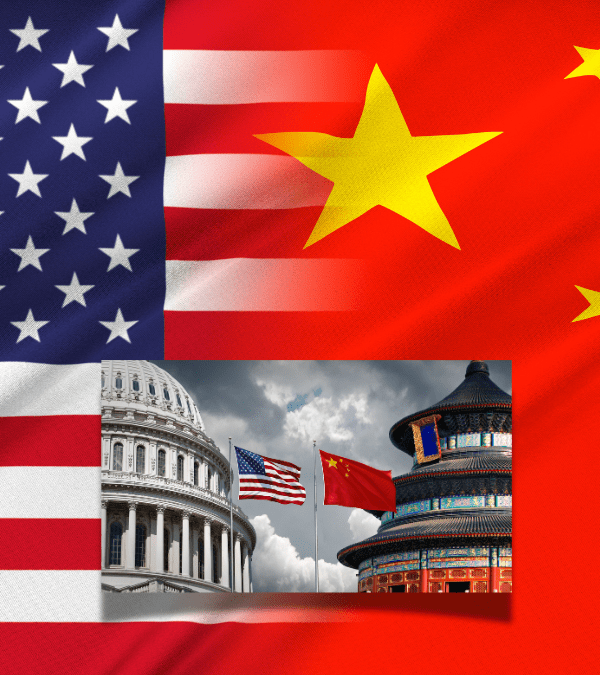
The world welcomed the announcement of a renewed trade truce between the United States and China. Beijing suspended certain critical mineral export curbs, easing short-term pressure on American industries. But the agreement remains fragile. Beneath the diplomatic language, competition has intensified in artificial intelligence, cybersecurity, semiconductor manufacturing, biotechnology and supply-chain control.
What this means for Indians abroad?
The Indian diaspora is deeply embedded in global technology and research sectors. For Indian professionals in the United States, Singapore, Australia and the United Kingdom, the US–China rivalry has produced mixed consequences:
• Higher demand for Indian tech talent
As American firms reduce dependencies on China, Indian engineers and researchers continue to fill skill gaps.
• Increased scrutiny on international workers
Tighter technology security protocols in both the US and China have led to more background checks and slower hiring processes for foreign nationals.
• Rising opportunities in alternative manufacturing hubs
Countries like Vietnam, Indonesia, India and Mexico are gaining investment, creating spillover opportunities for diaspora entrepreneurs and executives.
• Uncertainty in academic partnerships
Joint research projects between Western and Chinese institutions have slowed, indirectly affecting Indian PhD students and academics.
The rivalry may look like a contest between two superpowers, but its aftershocks determine visas, skill shortages, research funding and the global movement of talent, all crucial to diaspora life.
Israel–Gaza Conflict: A Human Tragedy With Diaspora Ripples
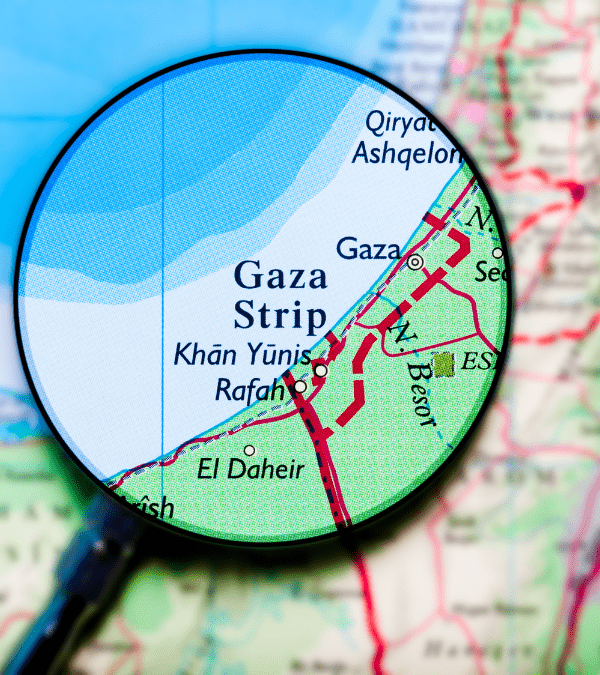
The Israel–Gaza conflict remained one of the most pressing crises of 2025. Beyond the devastating humanitarian toll, its political implications reached far beyond the immediate region.
Impact on Indians abroad
• Migrant workers in the region experienced uncertainty, especially those employed in construction, caregiving and service sectors.
• Travel restrictions and advisories affected mobility, creating delays for families attempting to visit India or return to their workplaces.
• The emotional weight of war influenced diaspora communities, as people navigated debates, media narratives and social tensions in host countries.
• Youth on campuses in Europe and North America encountered charged political environments, affecting community harmony.
For many Indian families, the conflict represented a reminder of how fragile stability can be and how quickly political tension can reshape migrant life.
West African Instability and the Shockwaves Through the Indian Community
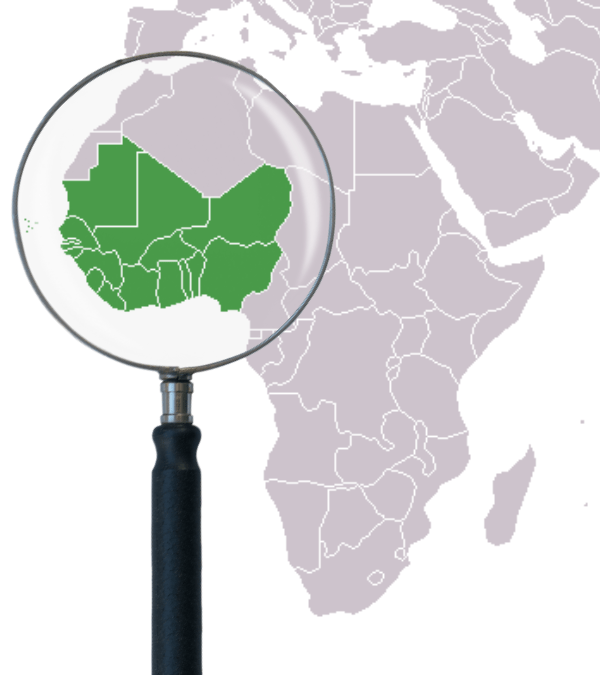
2025 saw renewed instability in West Africa, including a coup in Guinea-Bissau, rising insecurity in the Sahel region and increased cross-border tension. India has long-standing economic and community linkages with African nations. Many Indian-owned businesses operate in East and West Africa, and second- and third-generation families form established communities.
Consequences for Indians
• Several Indian-origin business families faced disruptions, including supply chain challenges and temporary closures.
• Security risks increased, prompting Indian missions to issue precautionary advisories.
• Education and travel plans were affected in pockets of the region.
• Some Indian workers in mid-level trade roles experienced contract uncertainty.
Although most diaspora communities remained safe, the events highlighted the importance of political stability for overseas Indian livelihoods.
Pakistan–Afghanistan Tensions: A Quiet but Significant Factor
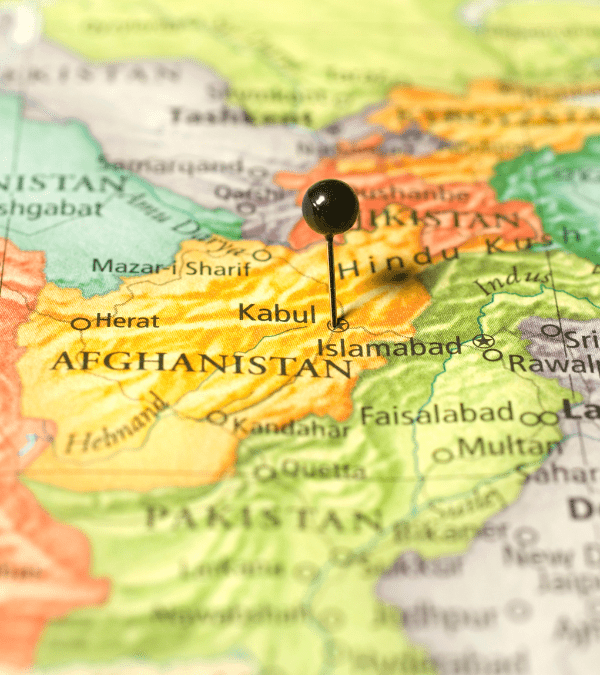
Pakistan’s allegations of militant infiltration from Afghanistan created a new layer of regional friction. While this issue is largely confined to South Asia, it influenced global migration conversations and security policies.
Indirect impact on diaspora communities
• Heightened security screenings in Western countries, particularly for South Asians travelling frequently across the region.
• Increased scrutiny in visa applications, especially for students and workers perceived as coming from “high-risk” zones.
• Broader conversations around extremism and counter-terrorism sometimes caused discomfort for diaspora communities, who often prefer neutrality and distance from political stereotyping.
For Indians abroad, these tensions served as a reminder of how quickly regional conflicts can alter perceptions and bureaucratic processes in other parts of the world.
Critical Minerals: The Quiet Competition That Affects Everyone
One of the least discussed, yet most influential, political stories of 2025 was the competition for critical minerals: lithium, cobalt, nickel, rare earths and semiconductor components.
The United States, China, Australia, Canada and parts of Africa all accelerated their strategies to secure mining rights, refining facilities and technology supply chains.
Why this matters to Indians abroad
• Technology jobs depend on these materials.
Indian engineers in battery manufacturing, AI, electric vehicles and semiconductor design are directly affected by supply chain changes.
• Diaspora investors are shifting portfolios
Investment groups led by Indian-origin professionals are watching mineral-linked markets closely.
• Students in STEM fields face evolving industry priorities.
Research funding is increasingly tied to critical mineral strategies.
The competition may sound technical, but it shapes industries where millions of Indians work or aspire to enter.
Climate Change: The Most Far-Reaching Political Issue of 2025
Extreme weather events in 2025 disrupted food supplies, raised global prices and increased climate migration. Rising seas threatened coastal communities, including several with significant Indian populations.
Political debate sharpened.
The divide between the Global North and Global South widened as developing nations demanded climate justice and greater financial support.
How the diaspora felt the impact
• Higher food and utility prices in cities with large Indian migrant populations.
• Infrastructure stress in countries facing floods, storms or droughts, affecting work stability.
• Climate-linked migration affecting policies, making visa pathways more competitive.
• Emotional impact on families in India, many of whom faced heatwaves, water shortages or crop losses.
For Indians abroad, climate change is not only environmental; it is political, financial and deeply personal.
The Changing Landscape of Global Migration
One of the biggest political themes of 2025 was the steady tightening of migration rules in parts of Europe and Australia, balanced by selective skill-based openings in North America and the Gulf.
Key developments affecting Indians
• Student visa scrutiny increased in the UK and Australia, influencing education decisions.
• Skilled visa pathways in Canada saw sudden rule changes, affecting thousands of applicants.
• Gulf countries introduced labour reforms but also stricter residency monitoring systems.
• The United States expanded certain high-skilled categories but strengthened background checks.
For Indian families planning education, career or settlement routes, these changes had significant consequences.
Economic Pressures and Diaspora Financial Stability
Inflation, energy prices, shipping costs and geopolitical disruptions affected household budgets worldwide. For Indian migrants, this pressure interacts with remittances, savings and the expectation of supporting families back home.
Key observations
• Remittances remained strong but stretched, as migrants tried to send stable amounts despite rising local expenses.
• Currency fluctuations affected long-term planning.
• Diaspora investors took a cautious approach, waiting for clearer global economic signals.
Political decisions in capitals across the world flowed into real-life financial choices made by families thousands of miles away.
Living as a Global Indian in an Uncertain World
The events of 2025 revealed a reality rarely acknowledged openly:
- Indians abroad live between worlds.
- They build futures in one country while carrying responsibilities rooted in another. Global politics, from trade wars to climate crises, complicates this balancing act. Yet the diaspora continues to demonstrate resilience, adaptability and a remarkable ability to navigate uncertainty.
- The biggest challenge of 2025 was not any single conflict or political shift.
It was the constant movement of global events that required migrants to readjust expectations, rethink plans and renegotiate identities.
What Needs to Happen in 2026: A Practical Agenda
To protect the diaspora from political volatility, several steps are essential:
For host countries
• Clear, stable migration pathways
• Transparent visa rules
• Inclusive community policies
• Stronger worker protections
For India
• Faster and more responsive consular services
• Better labour agreements with Gulf and African nations
• Support for students facing sudden policy changes
• Global engagement on climate and human security
For diaspora communities
• Stronger local associations
• Better information-sharing
• Support systems for vulnerable workers
• Civic engagement in host countries
These measures can ease the burden of navigating an unpredictable world.
Reflecting on the Issue
In a year marked by conflict, rivalry, climate disruption and shifting political winds, Indians abroad found themselves confronting challenges that were not of their making, yet deeply influenced their lives. They adapted, worked, studied, raised families and continued building bridges across cultures, even as global politics shifted unpredictably around them.
The story of the global Indian has always been one of resilience. In 2025, that resilience was tested and proven once again.
Disclaimer: This article provides general political analysis for informational and cultural purposes. It is not intended as legal, diplomatic or financial advice. Readers should consult official sources or qualified experts for decisions involving immigration, policy or international affairs.