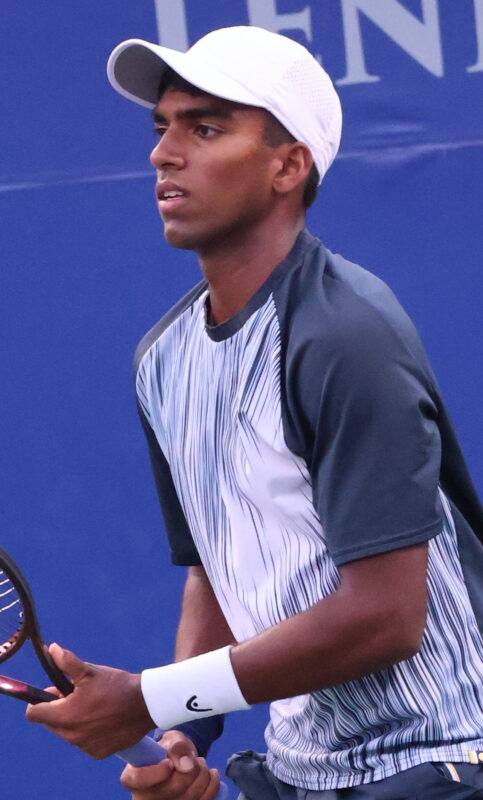
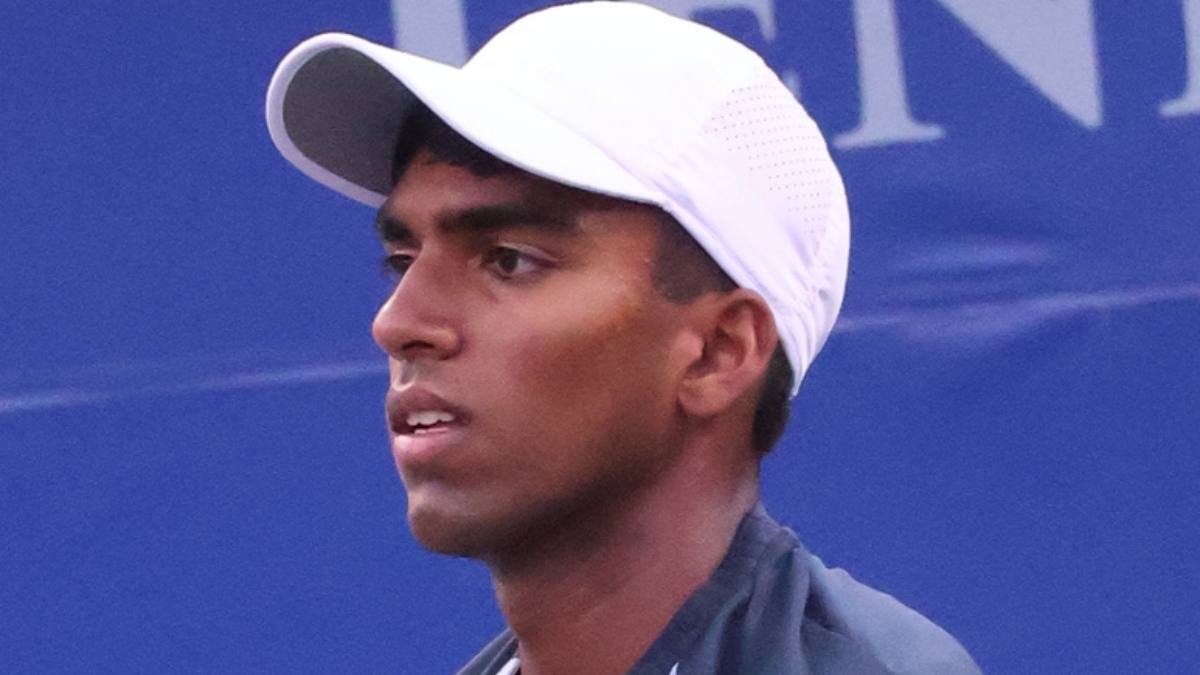
Nishesh Basavareddy: Surging Star In The World Of Tennis
Nishesh Basavareddy: The Indian-Origin Tennis Star Taking the World by Storm
By Wilfred Melwyn
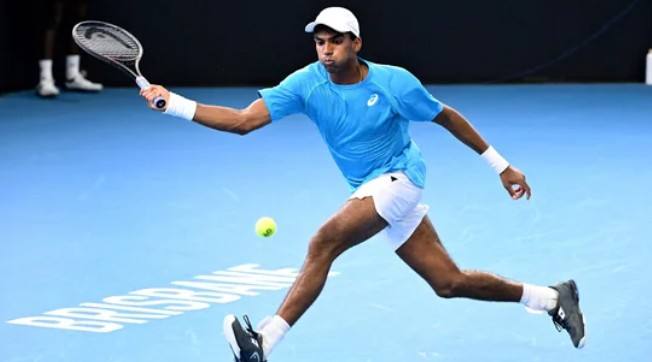
For decades, tennis has searched for its next generation of stars. Every Grand Slam season introduces promising young players, but only a handful possess the combination of talent, discipline, intelligence and mental strength needed to break through at the highest level.
In 2026, one name has suddenly captured the attention of the international tennis community: Nishesh Basavareddy.
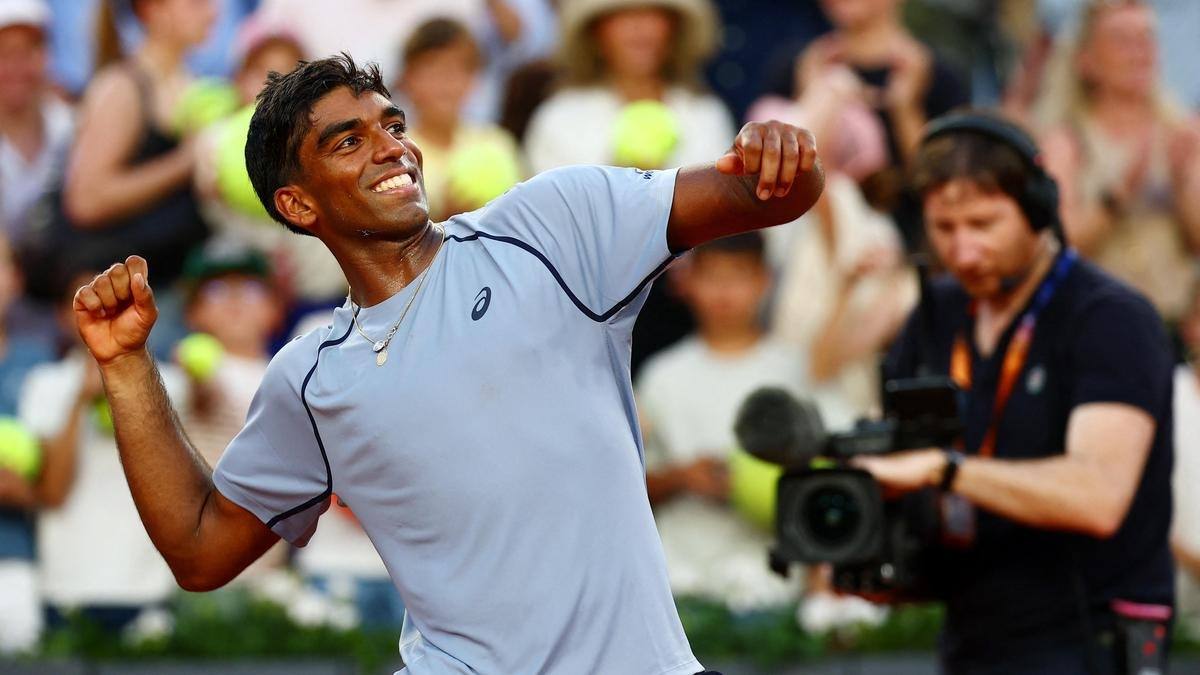
At just 21 years of age, the Indian-origin American stunned the tennis world when he defeated World No. 9 Taylor Fritz in the opening round of the French Open. The victory was not merely an upset. It was a statement. It announced the arrival of a player many experts now believe could become one of the leading figures of men’s tennis in the years ahead.
For the global Indian diaspora, Basavareddy’s rise carries an additional layer of significance. He represents a new generation of young people of Indian heritage who are increasingly making their mark in fields traditionally dominated by other nations and cultures. While Indian-origin professionals have long excelled in business, medicine, technology and academia, the emergence of a world-class tennis talent adds another dimension to the diaspora success story.
His journey from a young boy hitting tennis balls in California to competing against the world’s best players is a story of ambition, sacrifice and perseverance.
Indian Roots, American Opportunity
Nishesh Basavareddy was born on 2 May 2005 in Newport Beach, California, to parents who had emigrated from Nellore in Andhra Pradesh, India. His father, Muralikrishna Basavareddy, and mother, Sai Prasanna, moved to the United States in 1999, becoming part of the growing Indian professional community that has contributed significantly to American society over the past three decades. (Wikipedia)
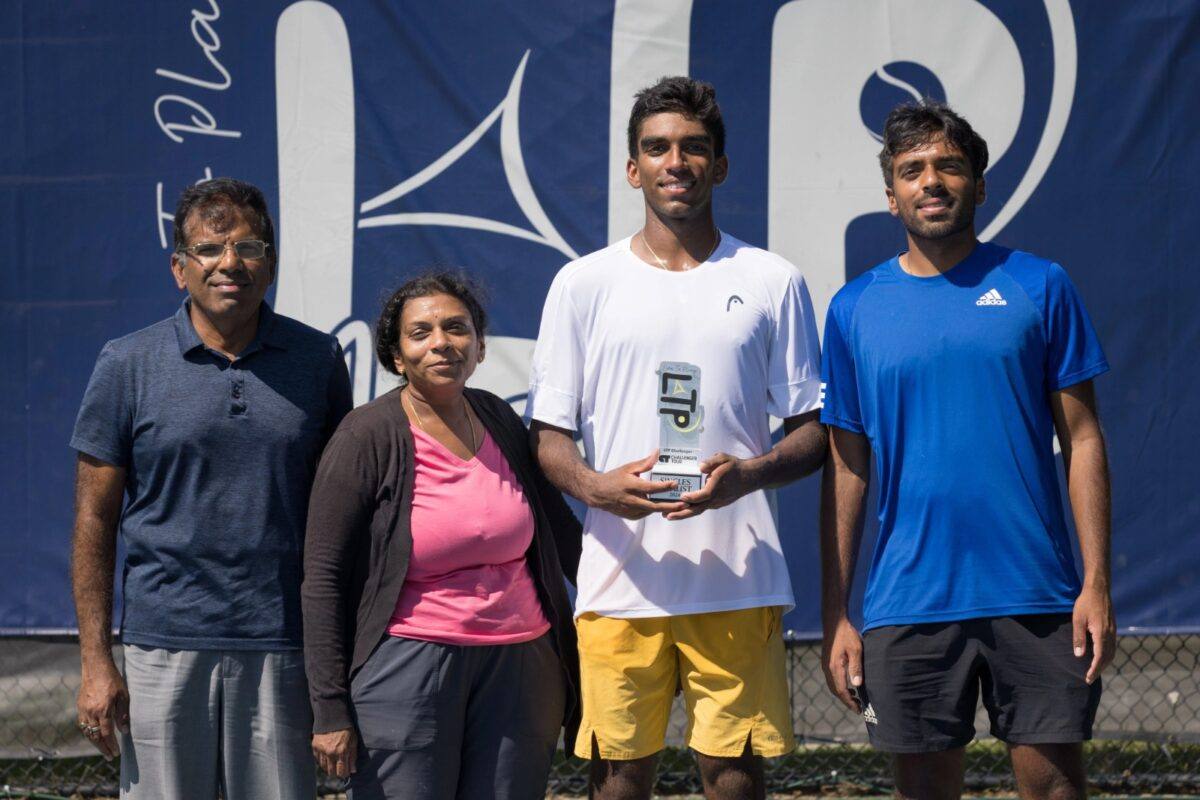
Like many immigrant families, education was highly valued within the household. Yet sport also occupied an important place in family life. Nishesh’s father played tennis recreationally and introduced the game to his sons at an early age. What began as a family activity soon evolved into something much more serious.
The family eventually settled in Carmel, Indiana, where Nishesh’s talent began to flourish. Coaches quickly recognised that he possessed qualities rarely seen in young players: exceptional hand-eye coordination, natural timing and a remarkable understanding of the game.
More importantly, he demonstrated an unusual work ethic.
These qualities would become the foundation of his rise through junior tennis.
Dominating the Junior Circuit
Before attracting attention on the professional tour, Basavareddy established himself as one of the world’s most successful junior players.

His junior career was filled with significant milestones. He won prestigious international junior tournaments, including the Banana Bowl in Brazil and major events in Italy and South America. His performances eventually propelled him to a junior world ranking of No. 3. (Wikipedia)
One of the highlights of his junior career came in 2022 when he captured the boys’ doubles title at the US Open alongside fellow American Ozan Baris. Winning a Grand Slam title at any level is a significant achievement, and it demonstrated that Basavareddy possessed the temperament required for elite competition. (Wikipedia)
His success was not confined to individual tournaments. He also represented the United States in international team competitions, contributing to championship-winning performances at the junior level. (Wikipedia)
By the time he completed his junior career, it was clear that he was destined for bigger stages.
Excelling On and Off the Court
Unlike many young athletes who focus exclusively on sport, Basavareddy also excelled academically.
He enrolled at Stanford University, one of the world’s leading educational institutions. Balancing elite sport with academic excellence is notoriously difficult, yet Basavareddy managed to achieve both.
At Stanford, he quickly established himself as one of the finest collegiate players in the United States. He won the ITA Fall National Championship, earned All-American honours and was recognised as one of the top players in college tennis. During his sophomore season, he was named Pac-12 Singles Player of the Year and played a key role in Stanford’s conference success. (Wikipedia)
His achievements were equally impressive in the classroom, where he maintained a strong academic record and earned academic honours. (Wikipedia)
For many Indian-origin families, Basavareddy’s story is particularly inspiring because it challenges the false choice often presented between education and sport.
He demonstrated that excellence in both arenas is possible.
The Bold Decision to Turn Professional
Many talented college players choose to complete their degrees before pursuing professional sport.
Basavareddy chose a different path.
Recognising his growing potential, he made the difficult decision to leave Stanford and pursue a full-time professional tennis career. It was a significant gamble, particularly for a young man from a family that valued academic achievement. Yet both he and his family believed that the opportunity was too important to ignore.
The decision soon proved justified.
Within months of turning professional, Basavareddy began producing strong performances on the ATP Challenger circuit, steadily climbing the world rankings and attracting attention from coaches, analysts and former players.
His rise was swift but not accidental.
Years of disciplined preparation were beginning to pay dividends.
The Djokovic Moment
Every young athlete dreams of competing against their childhood heroes.
For Basavareddy, that hero was Novak Djokovic.
Like countless young tennis players around the world, he grew up admiring the Serbian legend’s extraordinary achievements. In fact, Djokovic reportedly remained Basavareddy’s WhatsApp profile picture for years.
At the 2025 Australian Open, destiny delivered an extraordinary moment.
Making his Grand Slam debut, Basavareddy found himself facing Djokovic in the first round. Rather than being overwhelmed by the occasion, he produced a fearless performance, winning the opening set and pushing one of the greatest players in tennis history before eventually losing in four sets.
Although he did not win the match, the performance earned widespread admiration.
More importantly, it demonstrated that he belonged at the highest level.
The experience would prove invaluable.
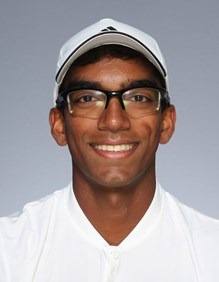
The French Open Breakthrough
Every emerging star needs a defining moment.
For Basavareddy, that moment arrived at Roland Garros in 2026.
Entering the French Open as a wildcard and ranked outside the world’s elite, he faced Taylor Fritz, the seventh seed and one of America’s most accomplished players.
Few observers gave the young challenger much chance.
What followed stunned the tennis world.
Displaying composure beyond his years, Basavareddy defeated Fritz in four sets, securing the first Top-10 victory of his career. The win instantly transformed him from a promising prospect into one of the most talked-about young players in the sport.
The significance of the achievement extended beyond a single match.
It demonstrated that Basavareddy could compete with and defeat the world’s best players on one of tennis’s biggest stages.
For any young athlete, that belief can be transformative.
What Makes Him Special?
Modern tennis is extraordinarily competitive.
Power alone is no longer enough.
Neither is athleticism.
Success requires a complete game.
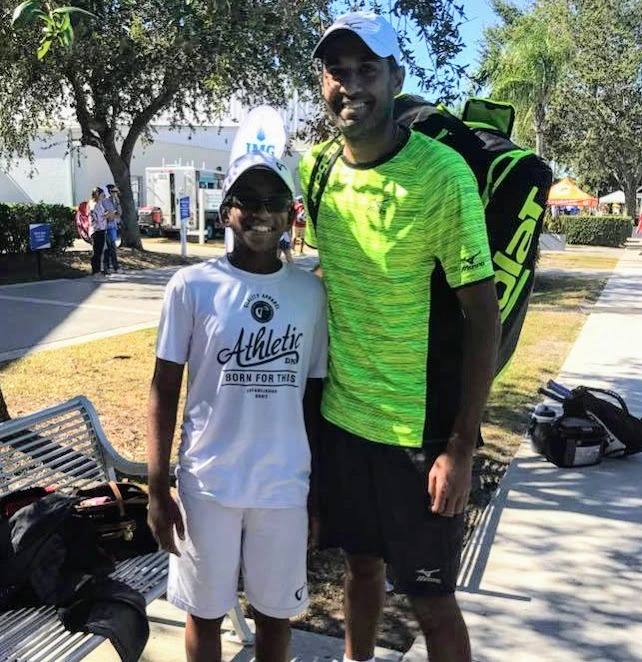
Basavareddy’s greatest strength may be his balance. He combines powerful baseline play with intelligent shot selection, excellent movement and impressive mental discipline. Coaches frequently praise his tactical awareness and ability to remain calm under pressure.
His background in high-level college tennis has also given him experience competing in team environments and managing expectations.
Many young players possess talent.
Far fewer possess maturity.
Basavareddy appears to have both.
A Symbol of a New Diaspora Generation
The rise of Nishesh Basavareddy reflects broader changes occurring within the global Indian diaspora.
Today, more than 35 million people of Indian origin live outside India. Increasingly, second-generation and third-generation diaspora communities are achieving success across diverse fields. Sport is becoming one of the most visible arenas for this success.
Basavareddy’s journey demonstrates how heritage and global opportunity can coexist. He is proudly American and proudly connected to his Indian roots.
In many ways, he represents the modern diaspora experience itself: global in outlook, multicultural in identity and ambitious in aspiration.
The Road Ahead
At 21, Basavareddy’s story is only beginning.
Tennis history is filled with talented players whose early promise failed to translate into sustained success. The journey from prospect to champion is long and demanding.
Yet all the indicators are encouraging.
He has already succeeded at junior level.
He excelled in college tennis.
He has broken into the professional ranks.
He has competed strongly against Novak Djokovic.
He has defeated a Top-10 player on one of the sport’s biggest stages.
The next challenge will be consistency.
If he continues his current trajectory, Basavareddy could soon establish himself among the leading players of his generation.
More Than Just a Tennis Story
The story of Nishesh Basavareddy is ultimately about more than rankings, titles or prize money.
It is about the possibilities that emerge when talent meets opportunity, when hard work meets support, and when young people dare to pursue ambitions that fall outside traditional expectations.
For young members of the Indian diaspora around the world, his journey offers an important reminder.
Success is no longer confined to conventional paths.
Whether in technology, medicine, business, science, the arts or sport, a new generation is redefining what global Indian achievement looks like.
Nishesh Basavareddy may have announced himself through a tennis racket.
But his story resonates far beyond the tennis court.
It is the story of a young man chasing excellence and, in the process, inspiring an entire community to dream a little bigger.