
Why Women Cry When Angry: Fascinating Reasons And Hormonal Myths
Tears during an argument can be mistaken for weakness or an inability to think clearly. In reality, anger, frustration, stress and social expectations may overlap, while hormonal changes matter for some people at particular times. Understanding the difference can change how we respond.
By Naisa V Melwyn, Health & Wellness | November 2026
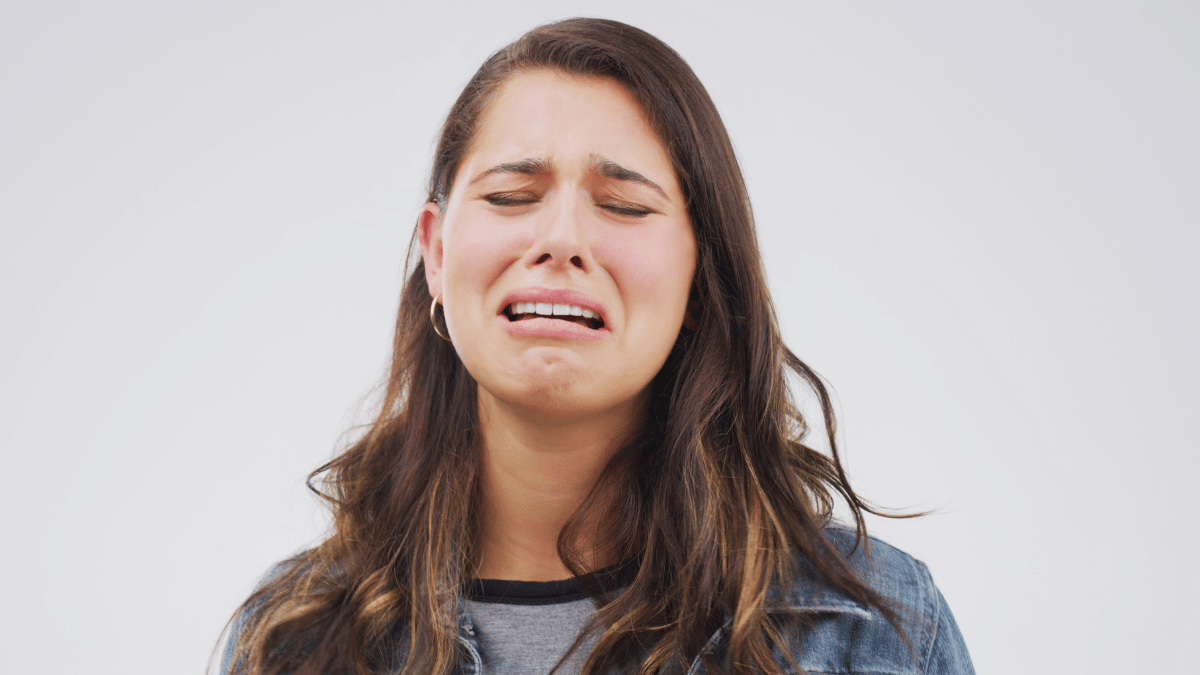
A woman is trying to explain why a remark at work was unfair. She has thought about what to say and knows why she is angry. Then her throat tightens, her eyes fill and the conversation suddenly becomes about whether she is too emotional. Her point may be perfectly clear, but the tears seem to distract everyone from it.
This experience is familiar to many people, although it is neither universal among women nor exclusive to them. Some cry when furious, some raise their voices, some become unusually quiet and others remain composed until long after a difficult exchange. Tears do not provide a reliable measure of how reasonable a person’s argument is.
Yet crying during anger is often misunderstood. Women’s emotions may be dismissed as a hormonal reaction; men’s tears may be treated as something they ought to suppress. Both responses rely on assumptions about gender rather than listening to what the person is saying.
The psychology of crying is more complex. Anger can exist alongside disappointment, hurt, helplessness and fear. Stress and exhaustion can affect emotional regulation. Hormonal changes can influence mood in some circumstances, but they do not explain every tearful disagreement. Most importantly, crying does not cancel out anger or make the underlying concern less legitimate.
Anger Is Not Always a Single Feeling
Anger often signals that something feels unfair, threatening or outside a person’s control. It can arise when a boundary has been crossed, a promise broken or an effort repeatedly overlooked. But anger is rarely experienced in a perfectly isolated form.
Someone who is furious after being spoken to disrespectfully may also feel embarrassed, hurt or unable to change the situation. A disagreement with a close family member may combine affection, disappointment and fear of damaging the relationship. In the workplace, frustration can be intensified by the knowledge that the person expressing it has less authority than the person receiving the complaint.
When several emotions arrive together, crying can become one possible response. The tears may reflect the intensity of the moment, a sense of being cornered or the difficulty of putting complex feelings into words while the body is highly aroused. They do not necessarily mean the person is sadder than angry.
Researchers studying emotional crying have identified a range of situations in which tears occur, including overload, powerlessness, separation and deeply meaningful experiences. That is a broader picture than the familiar assumption that crying belongs only to sadness.
Why Women May Cry More Often Than Men
Research across different countries has generally found that women report crying more frequently than men. But the difference does not establish a single biological explanation. Social norms, beliefs about emotional expression and the setting in which emotions arise all appear to matter.
From childhood, boys and girls may receive different messages about what feelings can be shown openly. A boy who cries may be urged to appear tough, while a girl may be allowed to cry but discouraged from showing anger directly. The precise messages vary by family and culture, and neither pattern applies to everyone.
By adulthood, these expectations can shape which expressions feel acceptable. Some women may find tears more socially permissible than shouting or openly confronting another person. Some men may feel greater pressure to hide distress even when anger makes them tearful. Other people reject those expectations entirely.
This does not mean that women deliberately substitute crying for anger. Much emotional expression is spontaneous. It means that biology and social learning interact, and the surrounding culture influences how tears are interpreted.
For families spanning countries and generations, expectations can differ further. In one household, speaking openly about anger may be encouraged. In another, restraint may be associated with respect. A person moving between those settings may need to navigate several ideas about what an appropriate emotional response looks like.
What Happens in the Body During a Heated Exchange?
Anger and distress can activate the body’s stress-response systems. Heart rate may rise, muscles may tense, breathing may change and a person may become more alert to perceived threats. These responses are not unique to women and do not require a menstrual or hormonal explanation.
Emotional tears are part of a complicated physiological response involving the brain, the nervous system and the tear-producing glands. Scientists continue to study why some people cry in particular situations and others do not. There is no simple bodily switch that turns anger into tears for every person.
It is sometimes said that crying automatically releases stress and calms the nervous system. The evidence is less straightforward. Some people report feeling better after crying, particularly when the situation changes or they receive support. Others feel worse immediately afterwards, especially if they are embarrassed, criticised or left alone with the same unresolved problem. Studies suggest that changes in mood after crying can depend on timing, context and the individual.
The experience of relief can be real, but it is not guaranteed. A person should not be told that crying is always therapeutic or that the tears prove they have finished processing the emotion.
Hormones Matter, but Timing and Context Matter Too
Hormonal changes can influence mood and emotional sensitivity for some people. Oestrogen and progesterone levels vary across the menstrual cycle, and symptoms related to these changes may include irritability, anxiety, sadness or tearfulness.
For people who experience premenstrual syndrome (PMS), emotional and physical symptoms often appear during the days or weeks before menstruation and improve after the period begins. A smaller group experience premenstrual dysphoric disorder (PMDD), a more severe condition in which recurring symptoms can significantly affect everyday functioning and relationships.
But not everyone who menstruates experiences these symptoms, and an argument on an ordinary Tuesday is not evidence of PMS. Nor is it reasonable to assume that a woman’s anger lacks a genuine cause simply because she may be approaching her period.
In fact, the pattern matters. A clinician assessing possible PMS or PMDD will look for symptoms that recur in relation to the menstrual cycle, often using a daily symptom record over at least two cycles. Tearfulness that occurs unpredictably throughout the month, or primarily during difficult conversations, may have a different explanation.
Hormonal conditions can also interact with sleep, stress, existing mental health difficulties and other life circumstances. A person can be experiencing a cyclical increase in emotional sensitivity and have a valid reason to be angry. Those are not mutually exclusive facts.
When Exhaustion Lowers Emotional Resilience
An intense disagreement rarely happens in a vacuum. A person may already be managing work pressure, caring responsibilities, financial worries, illness or inadequate sleep. The immediate argument can become the final demand on an already strained capacity to cope.
Research on sleep and emotion suggests that sleep loss can make emotional regulation more difficult. Stress may also leave people less able to pause, reflect and choose how to respond in a challenging moment.
This helps explain why someone may handle a difficult conversation calmly one week and become tearful in a similar situation the next. The difference need not be a change in character or conviction. Their emotional resources may simply be more stretched.
Recognising this should encourage practical support, not blame. Sleep, recovery time, manageable workloads and the ability to seek help all matter. They do not remove legitimate grievances, but they can influence how comfortably a person is able to address them.
The Harm of Dismissing Women’s Anger
The reaction to tears can sometimes be more damaging than the tears themselves. If a woman raises a genuine concern and the response focuses on whether she is hormonal, sensitive or unable to cope, the conversation moves away from the issue that needs attention.
There is evidence that expressions of anger can be judged differently depending on the gender of the person displaying them. Experimental workplace research has found that gender expectations may influence assessments of status and competence during emotional interactions. These findings do not describe every workplace, but they illustrate why assumptions about anger are worth questioning.
Tearfulness can add another complication. A person may feel pressure to apologise for crying before they can continue explaining the problem. Someone else may interpret the tears as an attempt to win sympathy, even without evidence of such an intention.
A better response is to take the words seriously. The person can be offered a pause or a glass of water without being treated as incapable of participating. If the discussion concerns unfair treatment, an unsafe condition or a breached agreement, those concerns still deserve examination.
Emotional expression and the validity of an argument are separate matters.
Four Common Myths Worth Leaving Behind
Myth 1: Tears mean the person is weak. Crying is a human emotional response, not a test of courage, intelligence or competence. A person can be tearful and still speak accurately, make decisions and defend a boundary.
Myth 2: Angry tears are always hormonal. Menstrual changes may influence mood for some people at certain times, but anger and crying also arise from interpersonal, psychological and situational factors. A person’s cycle cannot be inferred from tears.
Myth 3: Crying is necessarily manipulative. Tears can affect how observers respond, but their presence does not establish an intention to control someone. It is better to assess behaviour and evidence than to assign motives based on an emotional reaction.
Myth 4: Everyone feels calmer after crying. Relief is possible, but emotional recovery varies. The person’s safety, the response of others and whether the original conflict is resolved can all matter.
Men and people of other genders can also cry during anger. The discussion should never be reduced to a rigid division between emotional women and unemotional men.
How to Handle Tears When You Are Trying to Be Heard
There is no need to treat crying as a failure. Still, it can be frustrating when tears interrupt something important you want to say. A few strategies may help without requiring you to suppress your emotions completely.
Pause without abandoning the point. If speaking becomes difficult, take a short break, slow your breathing and return to the issue when you can. A pause is not the same as withdrawing a complaint.
Separate the concern from the emotional reaction. Identify the event, why it matters and what change you are asking for. Clear points can help a difficult conversation stay focused even if your voice trembles.
Choose a different format when useful. A follow-up email, written record or scheduled meeting may be more effective than trying to settle a complicated disagreement in the middle of an emotional exchange. This can be particularly helpful at work, where precise documentation matters.
Notice patterns without judging yourself. If tears are more likely after several nights of poor sleep, during particular conflicts or at a consistent point in the menstrual cycle, that information may help you understand your needs. It does not mean the anger itself was unjustified.
Avoid rushing to apologise for the tears. An apology may be appropriate for hurtful behaviour, such as an insult or an unfair accusation. The involuntary fact of crying does not by itself require one.
The aim is not perfect composure. It is to communicate the issue clearly and protect your dignity while doing so.
What Partners, Families and Colleagues Can Do
Listening well is often more useful than analysing why someone is crying. Allow the person time to finish. Ask whether they would prefer a short pause or to continue. Address the substance of the concern rather than making assumptions about hormones, temperament or intent.
In close relationships, conflict can become particularly painful when one person’s tears are met with ridicule or another’s anger with dismissal. It helps to agree that disagreements can be discussed without shouting, insults or humiliation. Both people remain responsible for how they treat each other, even during intense emotion.
At work, a fair process matters. A tearful employee should not automatically be judged less capable, just as an angry employee should not be excused for threatening conduct. Standards of respectful behaviour should apply consistently, while complaints about decisions or treatment are examined on their merits.
Compassion is not the same as agreeing with everything a person says. It is giving them the opportunity to be heard without attaching a stereotype to their emotional response.
When Frequent Crying Deserves Medical Attention
Occasional tears during an argument are not, on their own, evidence of illness. However, a new or persistent pattern of tearfulness may warrant attention, especially when accompanied by low mood, marked anxiety, severe irritability, exhaustion or difficulty functioning.
If emotional symptoms appear predictably before periods and interfere with work, relationships or ordinary activities, a healthcare professional can assess possible PMS or PMDD. A record of mood and physical symptoms across at least two menstrual cycles may be useful.
Other conditions can sometimes contribute to changes in mood or emotional wellbeing. For example, thyroid problems may be associated with fatigue and low mood, although tearfulness alone is not enough to suggest a thyroid disorder. A clinician can consider symptoms, medical history and appropriate tests rather than assuming that every emotional change is hormonal.
Persistent distress also deserves mental health support where needed. If someone has thoughts of self-harm or feels unable to stay safe, they should seek urgent professional or emergency assistance.
The purpose of medical assessment is to understand a troublesome pattern, not to classify ordinary anger as abnormal.
Tears Do Not Take Away the Right to Be Angry
An argument can be uncomfortable, a boundary can be difficult to defend and a person’s eyes can fill with tears before the right words arrive. None of those things establishes that the concern is unreasonable.
Understanding emotional crying requires attention to the whole person: the immediate conflict, past experiences, social expectations, stress, sleep and, in some cases, cyclical hormonal changes. It also requires acknowledging what research has not yet established, including whether tears reliably relieve distress.
The more useful question is not why a woman failed to remain dry-eyed while angry. It is whether the people around her are willing to hear what made her angry in the first place.
Disclaimer: This article is intended for general health education and editorial information. It is not a medical diagnosis, psychological assessment or substitute for personalised clinical advice. Emotional crying varies considerably between individuals and can have multiple causes. Readers experiencing persistent or severe mood changes, significant premenstrual symptoms or distress affecting daily life should consult an appropriately qualified healthcare or mental health professional. Any thoughts of self-harm require urgent assistance from local emergency or crisis services.