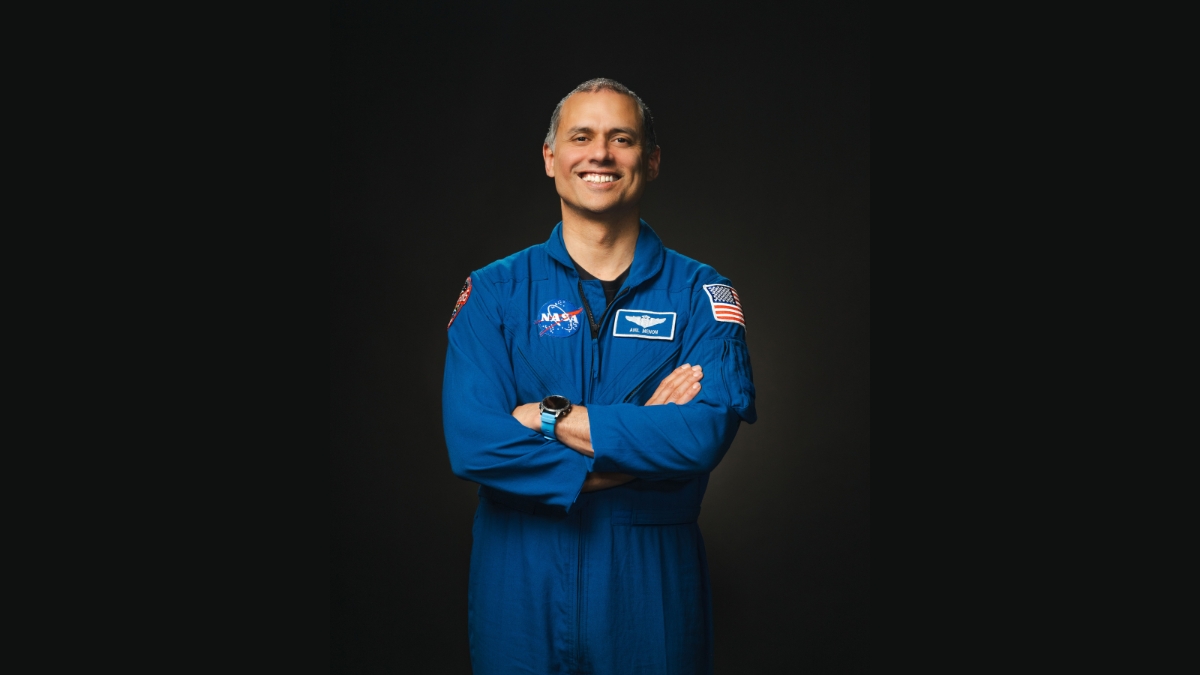
Doctor Sans Frontiers: From Medicine To The Space Station Now
THE DOCTOR BEYOND EARTH: Anil Menon’s Remarkable Journey from Emergency Medicine to the International Space Station
By WFY Bureau I COVERSTORY
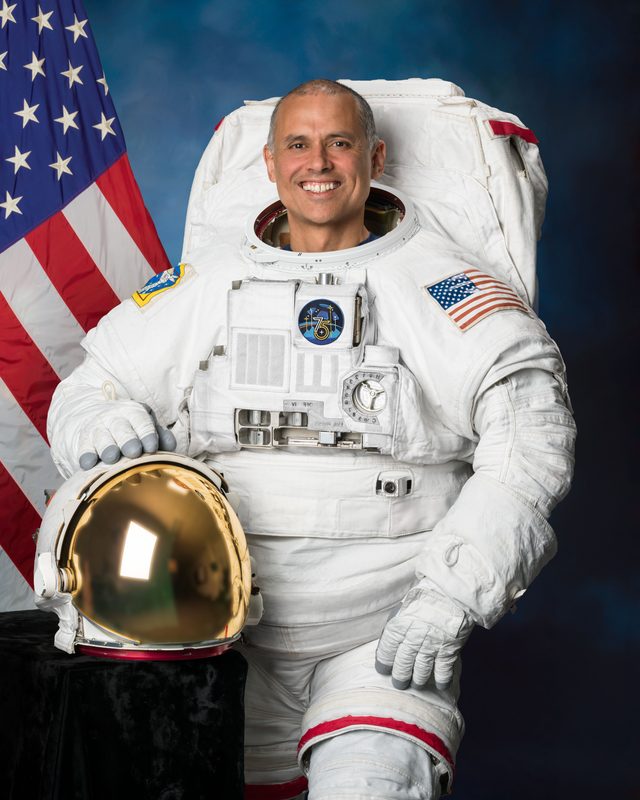
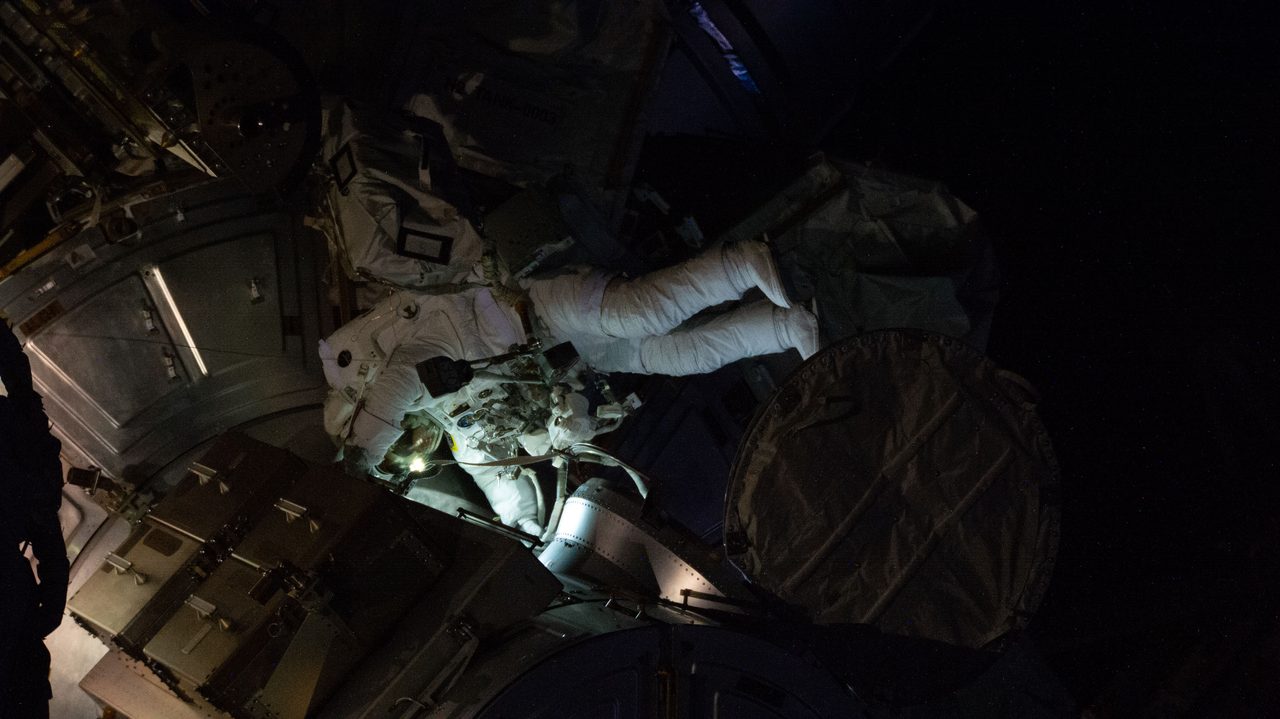
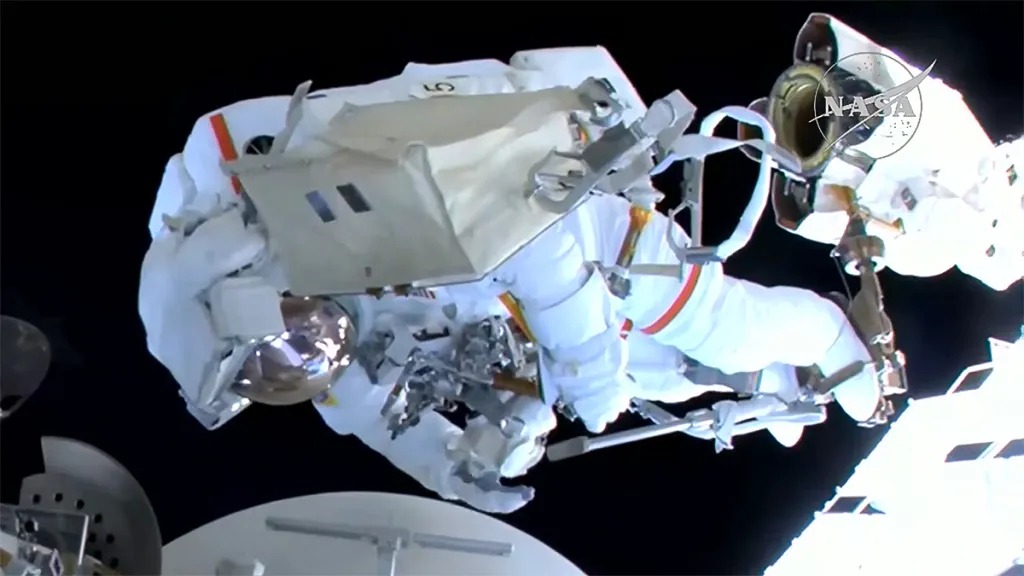
On 25 August 2026, Anil Menon was attached to the end of the International Space Station’s robotic arm, moving through the darkness more than 400 kilometres above Earth.
Beside him was European Space Agency astronaut Sophie Adenot. Their task was exacting: to install and connect a high-speed antenna linking the orbital laboratory with mission controllers on the ground. Menon spent six and a half hours outside the station, secured only by his spacesuit and safety tethers. It was his third spacewalk in less than three weeks.
Credit: NASA/Bill Ingalls
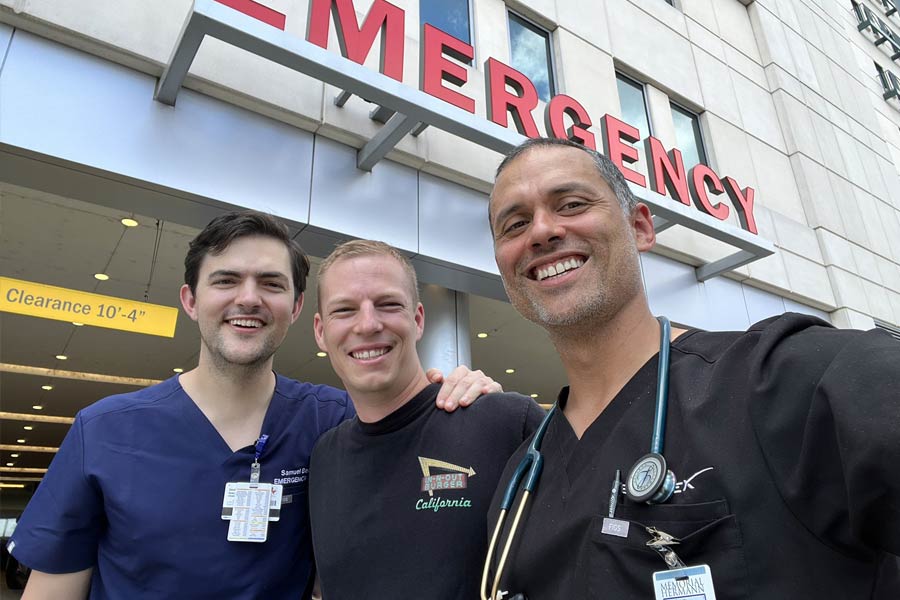
The image seemed to contain the whole improbable arc of his career. Menon had once stood in emergency departments treating patients at their most vulnerable. He had responded to earthquakes and mass-casualty events, transported critically ill patients for the United States Air Force, protected astronauts as a flight surgeon and helped SpaceX send its first human crew into orbit. Now he was the one outside the spacecraft, working in an environment where a minor mistake could become an emergency.
For the global Indian community, Menon’s achievement has an additional resonance. The son of Indian and Ukrainian immigrants, he represents a generation whose identities and accomplishments extend across countries and institutions. He is not an Indian astronaut. He flies as an American representing NASA. Yet his story belongs naturally within the larger history of the Indian diaspora: a history shaped by migration, education, public service and the ability to build a life without erasing one’s origins.
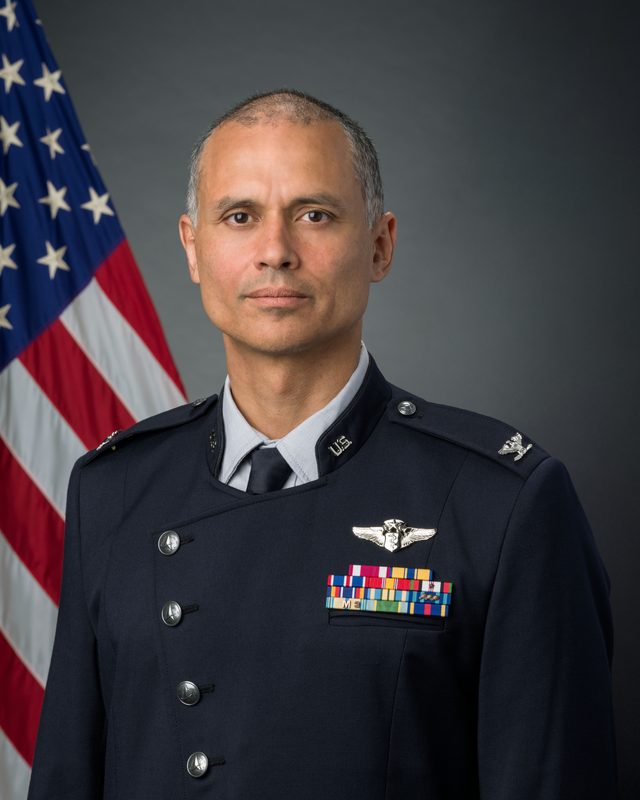
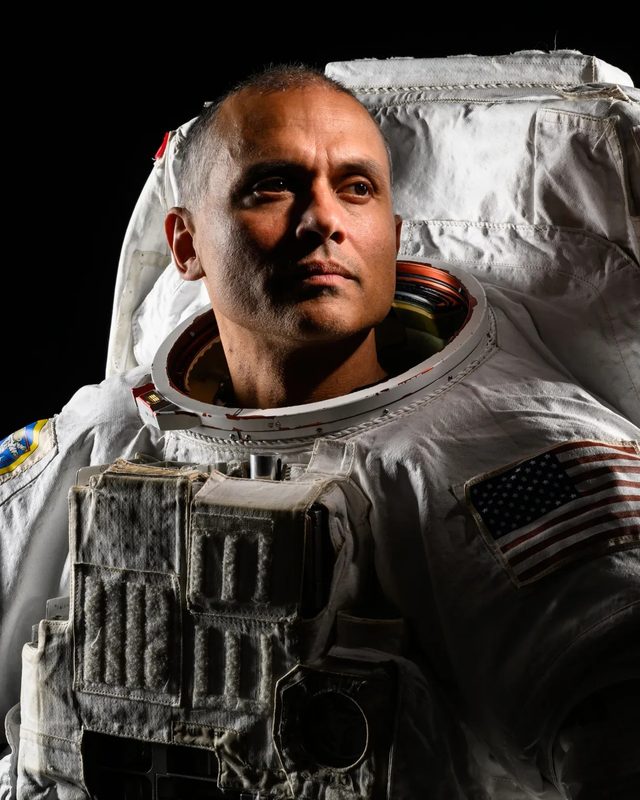
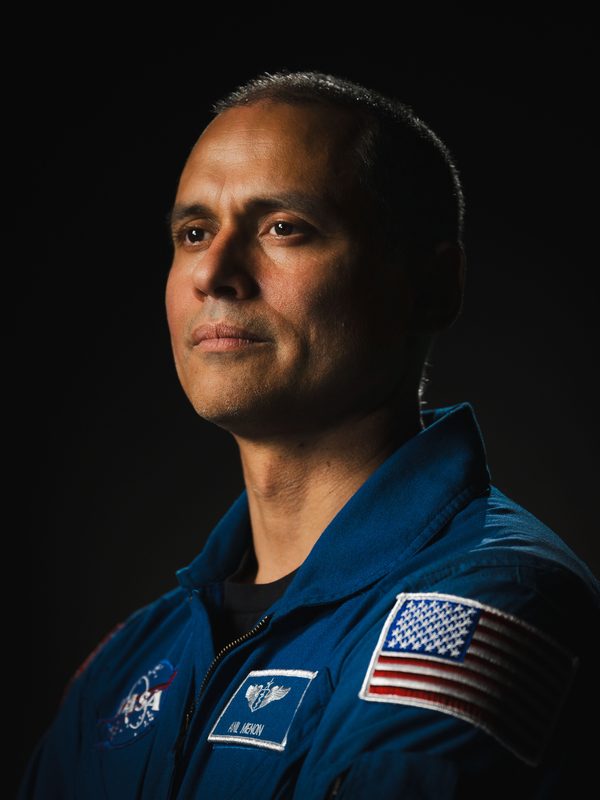
Location: Bldg. 8, Room 183 – Photo Studio
Subject: Anil Menon Official Military Photo – U.S. Space Force
Photo Credit: NASA/James Blair
Menon may not yet possess the public recognition of some celebrated astronauts. But in professional terms, he is one of the most accomplished people of Indian heritage presently working in human spaceflight. His importance lies not simply in having reached orbit, but in the unusual collection of skills that took him there.
The Child Who Looked Up
Menon was born and raised in Minneapolis, Minnesota. His father was an Indian immigrant who worked in computing, while his mother came to the United States from Ukraine. Science, technology and the experience of more than one cultural inheritance were therefore present from the beginning.
His fascination with space began early. At approximately six or eight years old, he watched The Dream Is Alive, a documentary about NASA’s Space Shuttle programme, at the Minnesota Science Museum. The film transformed spaceflight from an abstraction into something carried out by real people.
“I’m one of those people that always wanted to fly to space,” Menon recalled in a NASA interview recorded before his mission.
It would, however, take decades for that childhood ambition to become possible.
Menon studied neurobiology at Harvard University before earning his medical degree from Stanford University. He subsequently completed postgraduate training in emergency medicine and aerospace medicine, while also earning a master’s degree in mechanical engineering.
Medicine and engineering can appear to be separate worlds. One is centred on the uncertain needs of the human body; the other on systems expected to operate with measurable precision. Menon’s career was built at their meeting point.
The combination was particularly valuable in spaceflight. A flight surgeon must understand physiology, but also appreciate how spacecraft, spacesuits, life-support systems, communications and operational decisions affect the people inside them. Menon could speak the language of both clinicians and engineers.
His choice of emergency medicine was equally revealing. It demanded rapid judgement, broad knowledge and an ability to act when information was incomplete. Those qualities would later become central to astronaut training.
Medicine Where It Is Needed Most
Long before Menon travelled into orbit, he repeatedly chose to work in places where ordinary medical systems had broken down.
He supported relief efforts following the 2010 earthquake in Haiti and the 2015 earthquake in Nepal. He also responded to the mass-casualty incident at the Reno Air Races in Nevada in 2011.
Disaster medicine strips healthcare to its essentials. Doctors may face large numbers of casualties, damaged infrastructure, scarce equipment and little time. They must decide who needs immediate intervention, who can wait and how limited resources should be used. Technical competence matters, but so do composure and cooperation.
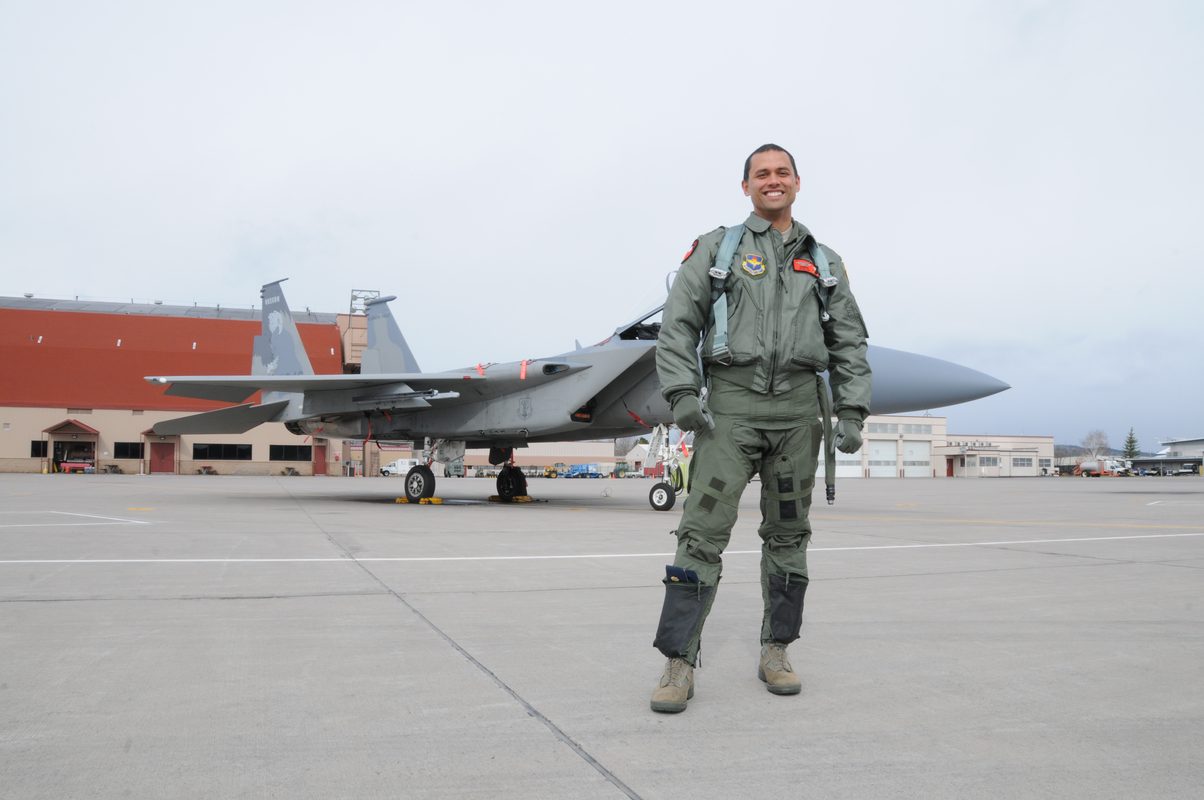
Menon’s military career further developed those skills. As a physician in the United States Air Force, he served with a critical-care air transport team and participated in the movement of seriously ill and injured patients. He flew more than 100 sorties aboard F-15 aircraft and has logged more than 1,000 hours as a pilot. He later became a colonel in the United States Space Force.
This was not a conventional route into the astronaut corps. Menon did not arrive solely as a test pilot, scientist or engineer. He arrived as someone trained to understand what happens when the human body encounters danger.
That distinction matters. Spaceflight is often presented through machines: rockets, capsules, robotic arms and solar arrays. Yet its most fragile component is always the person inside the machinery.
Protecting Astronauts Before Becoming One
Menon joined NASA as a flight surgeon in 2014. He supported International Space Station crews and worked in Russia, where NASA personnel train and coordinate with Roscosmos for Soyuz missions.
A flight surgeon’s responsibility begins long before launch. Astronaut health must be monitored through training, quarantine, flight and recovery. Medical teams prepare for emergencies that may never occur but must nevertheless be anticipated in detail. They also study the less dramatic effects of spaceflight, including muscle loss, reduced bone density, radiation exposure, disrupted sleep and changes in vision.
Menon spent more than six months in Star City, the centre of Russian cosmonaut training outside Moscow. He supported several ISS expeditions and served as the lead flight surgeon for a Soyuz crew. The experience gave him an unusually close view of how human spaceflight actually works, beyond its televised moments.
He later joined SpaceX as the company’s first flight surgeon.
At the time, SpaceX was preparing to transport astronauts aboard Crew Dragon. The company needed more than doctors who could respond to illness. It needed a medical system integrated into spacecraft development and mission operations.
Menon helped build that capability. He worked with engineers on the human consequences of design decisions and supported the Demo-2 mission, which carried astronauts Doug Hurley and Bob Behnken to the ISS in 2020. It was the first crewed orbital mission launched from the United States since the Space Shuttle’s retirement in 2011.
His work continued across subsequent private missions, including Inspiration4. He supported crews during preparation, launch and recovery, helping commercial spaceflight develop medical practices once associated mainly with government programmes.
The doctor who had once treated patients after earthquakes was now preparing human beings for one of the most unforgiving journeys possible.
Four Applications and One Call
Menon’s qualifications might make his eventual selection appear inevitable. It was not.
He applied to become an astronaut four times. Rejection repeatedly placed the childhood ambition at risk, but he continued working in space medicine even when he was uncertain that he would ever fly.
NASA selected him as an astronaut candidate in December 2021. He reported for training the following month and completed the programme in March 2024.
Astronaut training required him to master far more than medicine. Candidates study spacecraft systems, robotics, Russian, survival procedures, aviation and spacewalking. They train underwater in the Neutral Buoyancy Laboratory, where a submerged reconstruction of the ISS allows astronauts to rehearse working in bulky spacesuits.
The training also tests something harder to quantify: whether a person can remain dependable while tired, confined, physically uncomfortable or confronted by an unexpected problem.
Menon’s background provided a strong foundation. Emergency medicine had taught him to establish priorities rapidly. Disaster relief had shown him how to work when normal systems failed. Aviation had given him operational discipline. Engineering allowed him to understand why a system behaved as it did.
His persistence was just as important. Discussing his repeated astronaut applications, Menon offered a straightforward lesson: “Never give up, always try and pursue things that you want to do.”
It is familiar advice. In his case, it was tested over years.
From Baikonur to Orbit
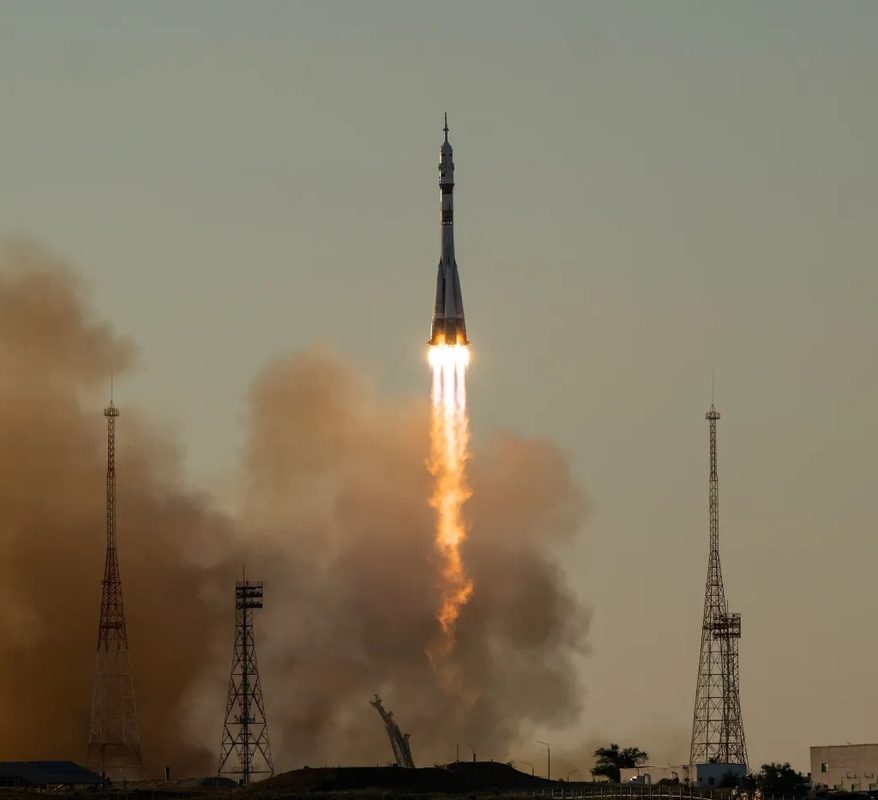
On 14 July 2026, Menon finally left Earth aboard Soyuz MS-29 from the Baikonur Cosmodrome in Kazakhstan. He travelled with Russian cosmonauts Pyotr Dubrov and Anna Kikina.
The spacecraft reached the International Space Station a little more than three hours later. For Menon, the journey represented a reversal of roles. Having spent years monitoring astronauts from the ground, he was now a first-time astronaut beginning an approximately eight-month mission.
The launch also carried political meaning. Menon, the son of a Ukrainian mother and Indian father, travelled to an international laboratory aboard a Russian spacecraft during a period of severe tension between Russia and the West.
The ISS remains one of the few major projects in which the United States and Russia continue to depend on one another. The station’s American segment supplies much of its electrical power, while its Russian systems play an important role in propulsion and orbital control. Whatever disagreements exist on Earth, survival in orbit requires continuous cooperation.
For Menon, who trained alongside his Russian crewmates and studied their language, international partnership is not a ceremonial phrase. It is an operational necessity.
A fire, pressure leak or medical emergency aboard the ISS would not respect nationality. Neither does the daily work of maintaining a laboratory moving at approximately 28,000 kilometres an hour.
Three Spacewalks in One Month
Menon’s first spacewalk came on 6 August, less than a month after his arrival.
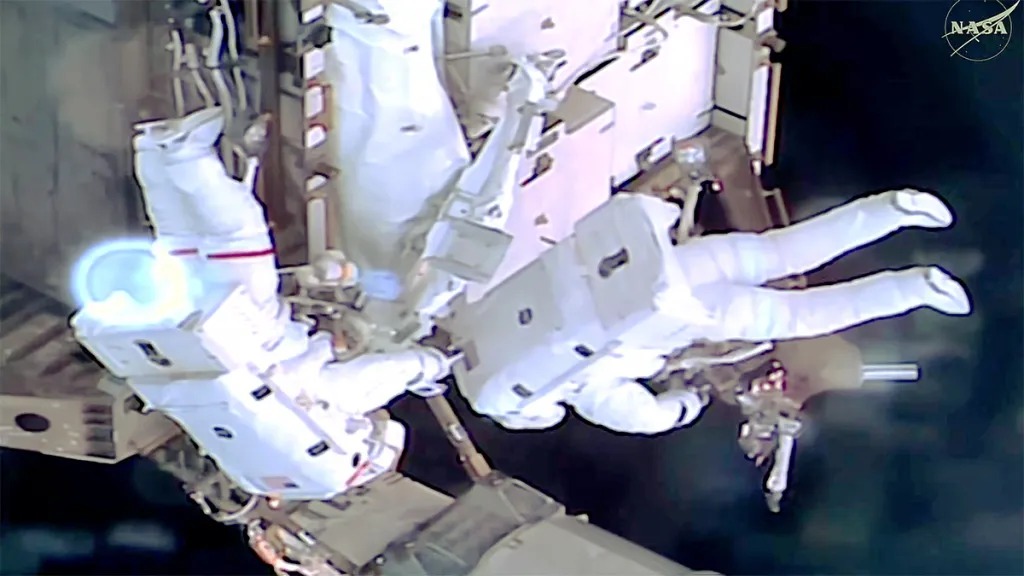
Working with NASA astronaut Jessica Meir, he helped prepare the station’s 3B power channel for a future roll-out solar array. The work lasted six hours and 27 minutes. The additional array will reinforce the ISS power system as its original solar panels age.
Near the end of the spacewalk, a carbon-dioxide sensor in Menon’s suit produced an unexpected reading. Menon reported no accompanying physical problems, and the measurement later returned to normal. Engineers nevertheless examined the incident before further activity.
The episode was a reminder that spacewalking is not simply construction carried out against a spectacular background. Inside the suit, an astronaut depends upon a personal spacecraft supplying oxygen, cooling, pressure and communications. Every instrument reading demands attention.
Menon returned outside on 18 August with Adenot to replace a failed communications antenna. Difficult electrical connections and stubborn bolts prevented the pair from completing the installation, although they removed and secured the failed equipment during a spacewalk lasting six hours and 23 minutes.
They went out again on 25 August. This time Menon rode at the end of Canadarm2 while Adenot worked from the station’s structure. Together they installed and connected the replacement antenna, restoring the planned high-speed link with the ground.
Across the three excursions, Menon accumulated more than 19 hours outside the ISS during his first six weeks in space. NASA’s official mission updates document an unusually intense introduction to life in orbit.
The sequence also displayed a quality central to science and medicine: an unfinished task is not necessarily a failed one. It must be understood, revised and attempted again.
NASA
The Astronaut as Research Subject
Menon did not leave medicine behind when he entered the ISS. In a sense, he carried the laboratory into his own body.
Before launch, he volunteered for research examining pressure changes associated with the redistribution of bodily fluids in microgravity. Without gravity pulling blood and other fluids towards the lower body, more fluid shifts towards the head. Researchers are investigating whether this contributes to headaches, visual changes and other neurological effects reported by astronauts.
Menon underwent a lumbar puncture before flight to establish a baseline, with a follow-up planned after his return. He has also participated in studies involving exercise, cardiovascular function, stress and immune responses.
Such research is essential for future missions. A journey to Mars would expose astronauts to isolation, radiation and reduced gravity for far longer than a typical stay on the ISS. Medical assistance from Earth would be delayed, and immediate evacuation would be impossible.
Menon’s career therefore reflects a changing idea of the astronaut. Future explorers will not merely operate vehicles or conduct experiments. They may also need to diagnose illness, manage psychological strain and respond to injury without a hospital nearby.
A physician who understands engineering is particularly valuable in that future.
Space Runs in the Family
The Menon household has an extraordinary relationship with spaceflight.
His wife, Anna Menon, is an engineer and astronaut who served as a mission specialist aboard SpaceX’s Polaris Dawn mission in 2024. She later joined NASA’s astronaut candidate class. Both have worked at SpaceX, both have trained for human spaceflight, and both understand the sacrifices demanded by the profession.
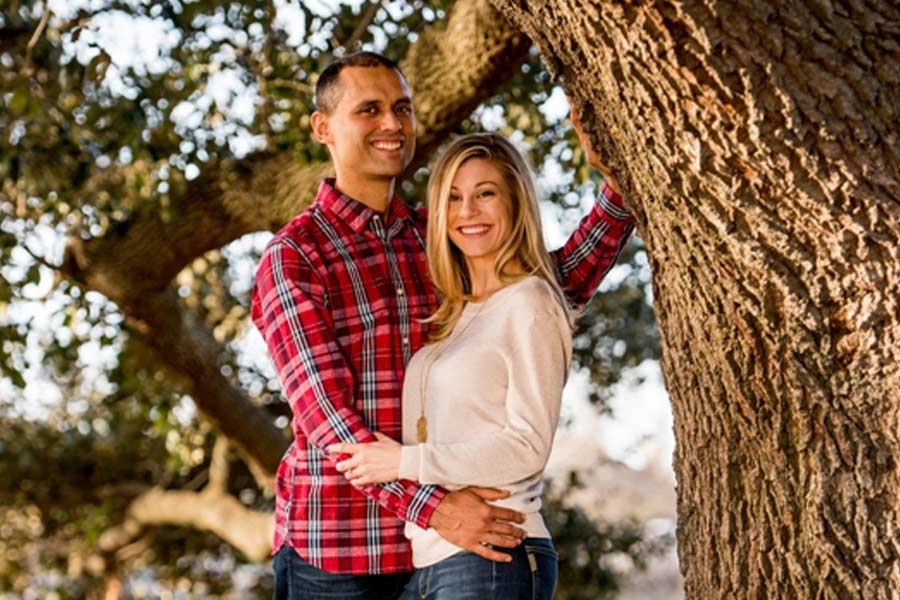
The achievement is impressive, but family life behind it is more ordinary and more affecting. The couple have two children, and Anil Menon knew that his long mission would mean missing routines that cannot be recreated through formal mission communications.
Before departure, he recorded himself reading Harry Potter so that his daughter could listen to him at bedtime. His family traditions include Sunday spaghetti and homemade waffles. Among the personal objects he carried into orbit was a small toy resembling the family’s black German Shepherd, which had died.
These details do not diminish the grandeur of spaceflight. They reveal its cost.
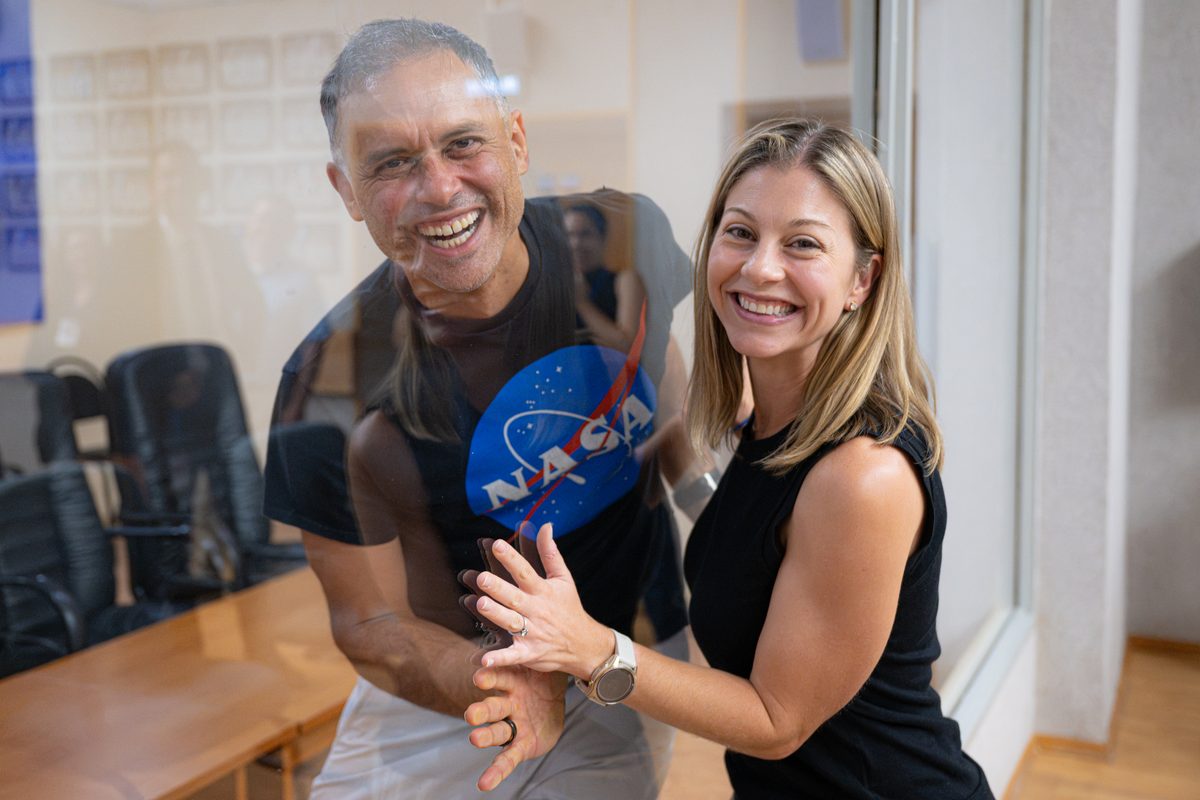
The astronaut seen floating confidently before a camera is also a parent separated from his children by distance, scheduling and machinery. The physician studying human endurance in orbit is simultaneously living its emotional dimension.
Menon’s story gains warmth from this contrast. He is not presented as someone liberated from ordinary attachments by a heroic mission. Those attachments are precisely what keep the mission human. His reflections on childhood, family and training can be heard in NASA’s July 2026 interview, aptly titled “Space Runs in the Family”.
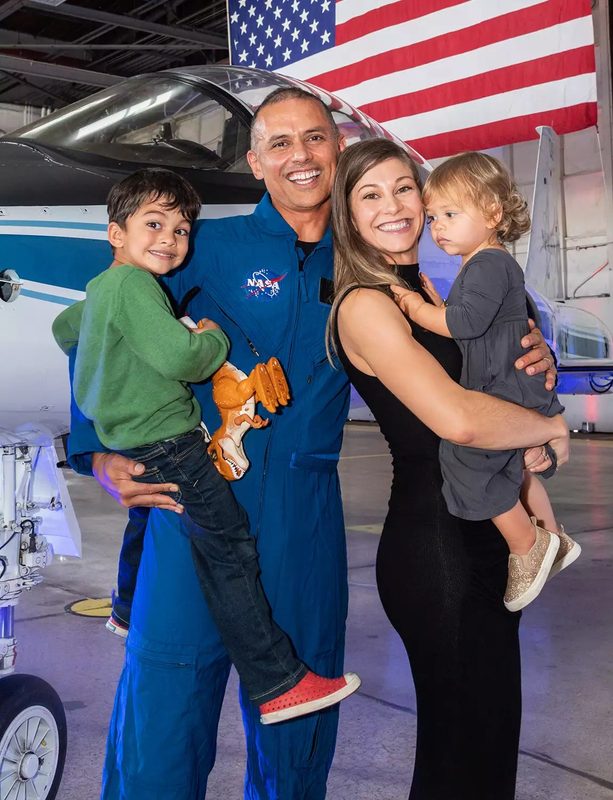
Credit: Courtesy of Polaris Dawn
What His Journey Means for the Diaspora
Indian-origin success stories are sometimes reduced to a familiar ritual. A person reaches a prominent position abroad, ancestry is identified, and achievement is quickly absorbed into a national narrative.
Menon deserves a more accurate reading.
His career was enabled by American universities, public institutions, the US military, NASA and a private space company. His astronaut identity is American. His Indian heritage is part of his life, not a claim of institutional ownership by India.
Yet diaspora recognition remains legitimate. The children of migrants often grow up at the intersection of inherited memory and adopted citizenship. Their achievements cannot be separated neatly into exclusive cultural categories. Menon’s Indian and Ukrainian family history coexists with his American upbringing and service.
That complexity is what makes him relevant to WFY.
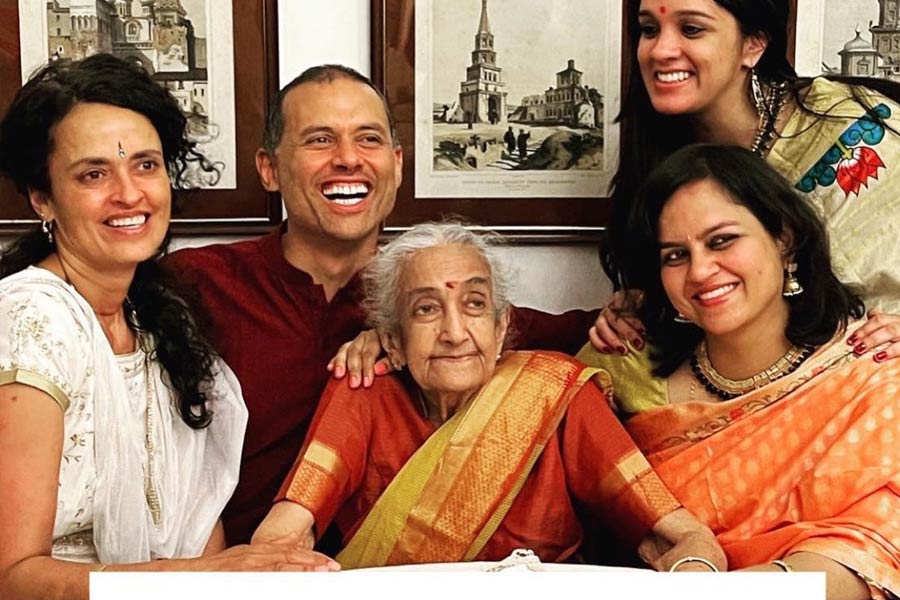
He embodies neither a simple story of departure nor one of return. His life illustrates how migration creates new combinations of identity, knowledge and opportunity. A father who worked with computers helped stimulate his interest in technology. His early engagement with medicine included vaccine-related work in India. His career subsequently took him through Haiti, Nepal, Russia, Kazakhstan and, eventually, low-Earth orbit.
His journey is not a straight line between India and the United States. It is global.
For young people of Indian heritage, the lesson is larger than representation. Menon’s career shows that the boundaries between disciplines are becoming less useful. Medicine led him towards engineering; engineering strengthened his work in space medicine; military and disaster experience prepared him for uncertainty; rejection tested whether the goal would survive without a guarantee of success.
The result was not a carefully staged path to celebrity. It was a body of work that eventually made him difficult to overlook.
A Different Kind of Heroism
Spaceflight encourages superlatives. Rockets are described as powerful, missions as historic and astronauts as heroic. The language can obscure the patient work behind the spectacle.
Menon’s contribution is best understood through preparedness.
He prepared to treat injured people when conventional hospitals were inaccessible. He prepared military teams to move critically ill patients through the air. He prepared NASA crews to remain healthy in orbit. He helped prepare SpaceX for human spaceflight. He applied repeatedly for an astronaut position without knowing whether preparation would ever become opportunity.
Then the opportunity arrived.
Today, the emergency physician is conducting research and maintaining one of humanity’s most complex machines. His work outside the station strengthens its electrical and communication systems. His medical participation helps scientists understand what prolonged spaceflight does to the body. His presence aboard a multinational laboratory demonstrates that exploration remains dependent upon cooperation even when politics is divided.
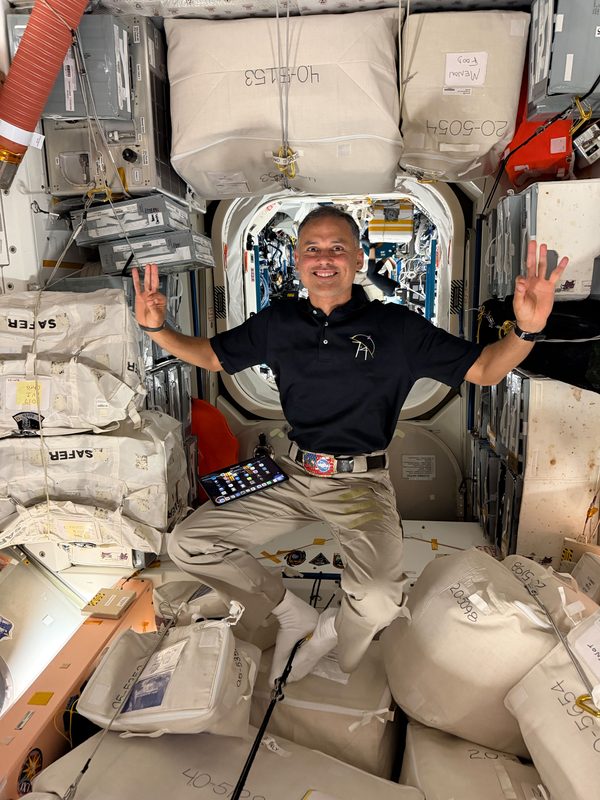
Anil Menon is a compelling cover personality not because he is already a household name, but because his moment has arrived while his story is still unfolding.
When he looked at an IMAX screen as a child in Minnesota, space belonged to the people in the film. In July 2026, he crossed the distance between observer and participant. Weeks later, suspended above Earth at the end of a robotic arm, he became part of the image that another child may see and remember.
The doctor who spent his career keeping others safe had finally travelled beyond Earth himself. And once there, he continued doing what he had always done: understanding risk, solving problems and caring for the fragile human enterprise around him.