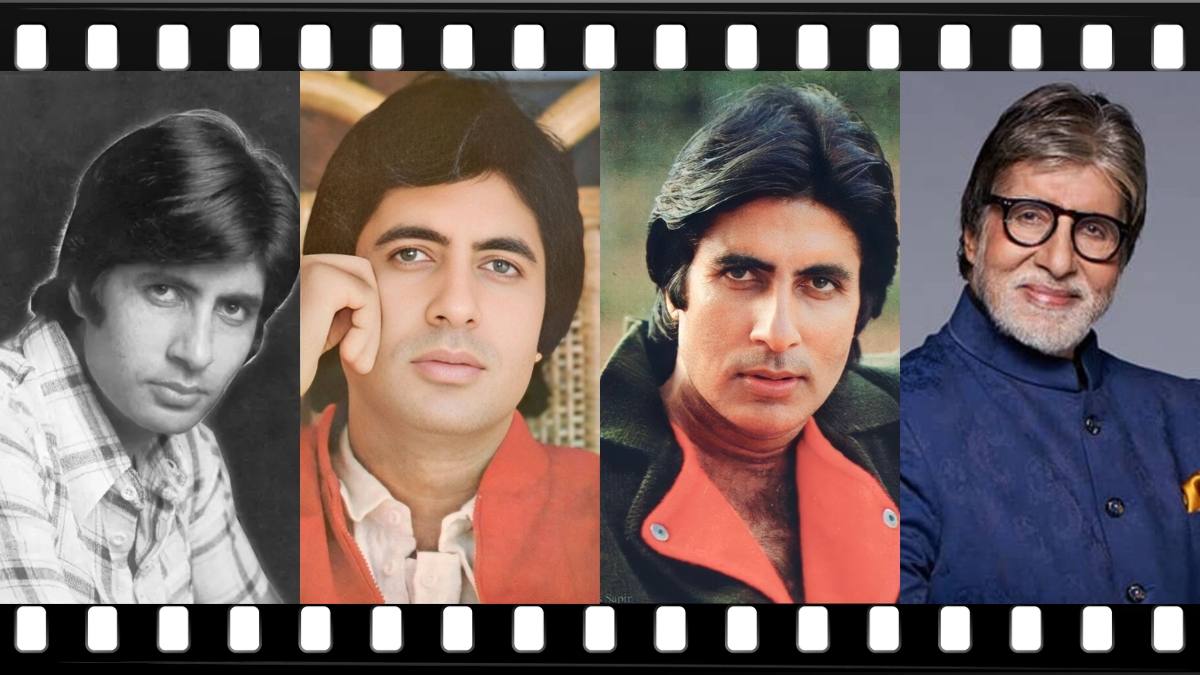
This Is The Remarkable Bachchan Phenomenon: Five Decades, One Legend
From the Angry Young Man to a global cultural icon, the story of how one actor became a shared memory across generations of Indians worldwide.
By Melwyn Williams
In an industry that reinvents itself every Friday and where careers are often measured in years rather than decades, longevity itself is an achievement. Sustained relevance across generations is rarer still. To remain at the centre of public imagination for more than half a century while continuously adapting to changing audiences, technologies and storytelling traditions is almost unprecedented.
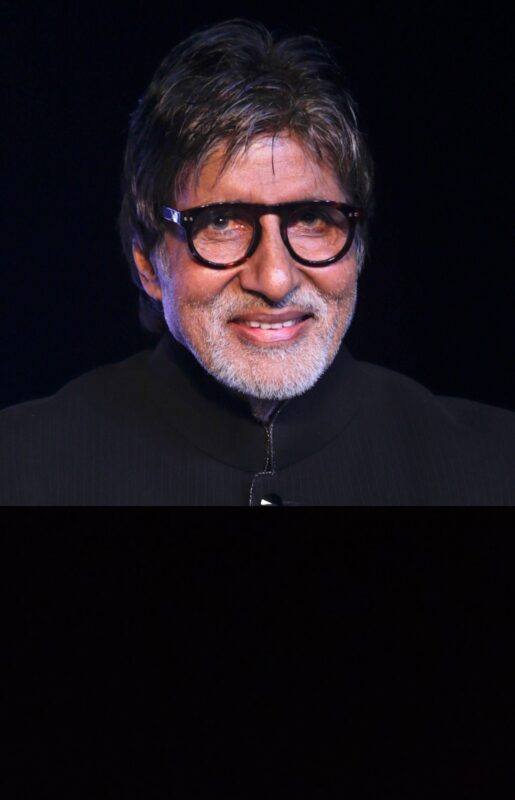
Yet that is precisely what Amitabh Bachchan has achieved.
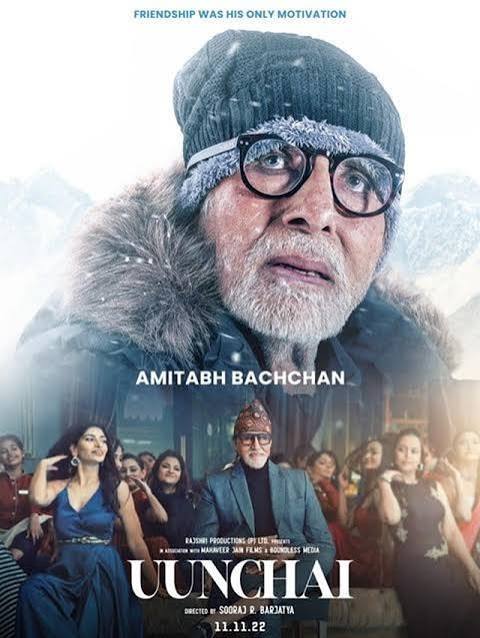
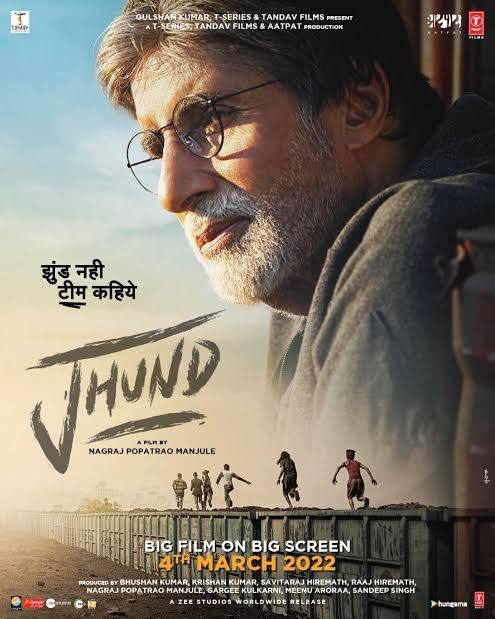
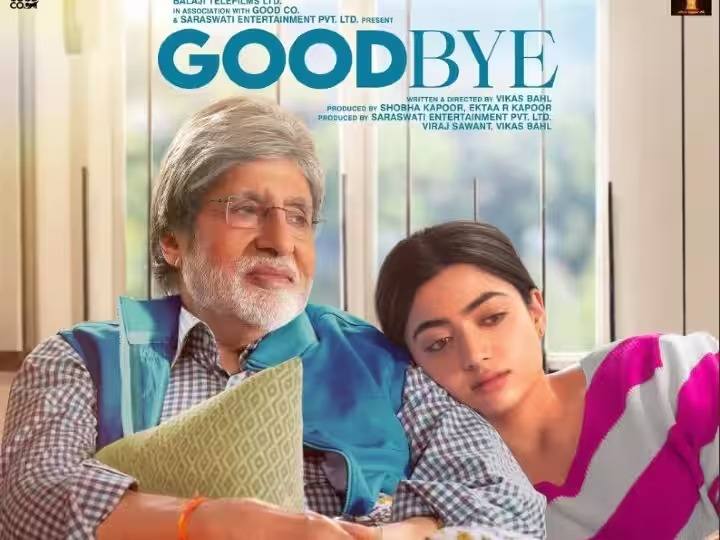
From the turbulence of the 1970s to the streaming age of the 2020s, Bachchan has remained one of the few constants in Indian popular culture. He has headlined some of the biggest films in Hindi cinema history, survived professional setbacks that would have ended most careers, successfully reinvented himself for television audiences and, even in his eighties, continues to command leading roles in some of Indian cinema’s most ambitious productions.
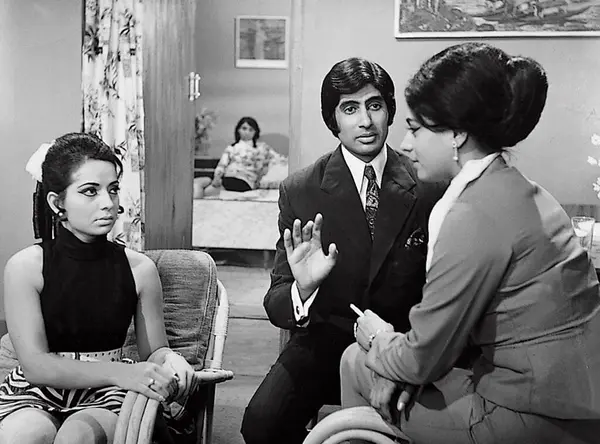
His journey mirrors the journey of modern India itself.
The rise of the “Angry Young Man” coincided with a period of economic frustration and political uncertainty in the 1970s. His transition into mature character roles reflected an India becoming more confident and globally connected during the liberalisation era. His success on television through Kaun Banega Crorepati paralleled the arrival of satellite television into Indian homes. Today, his presence in large-scale pan-Indian productions and digital platforms reflects an entertainment industry that increasingly sees itself as global in ambition and reach.
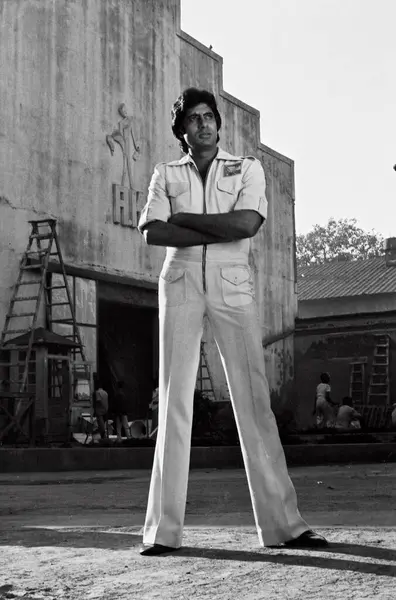
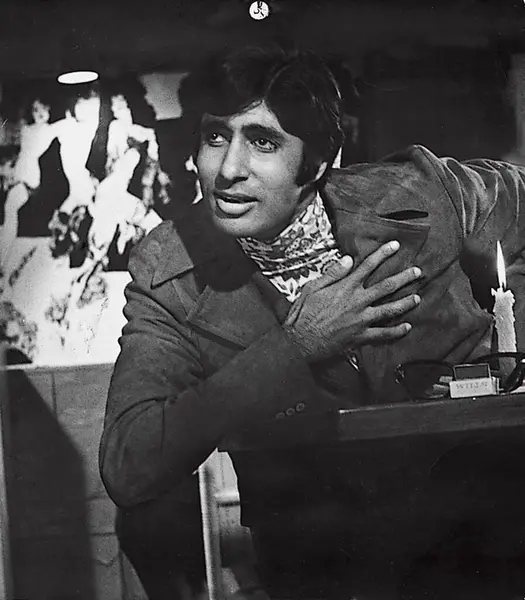
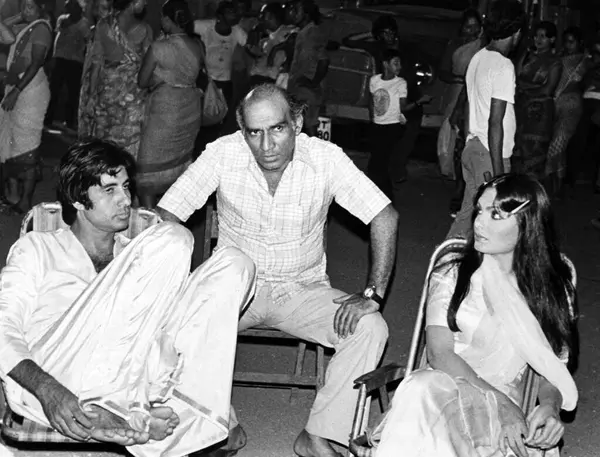
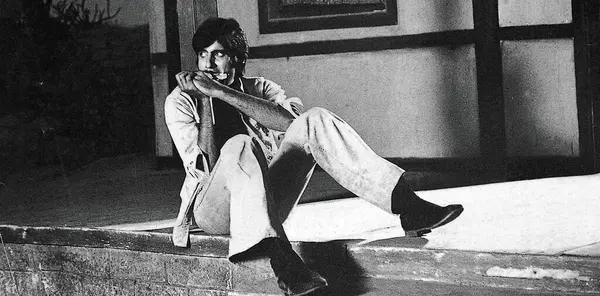
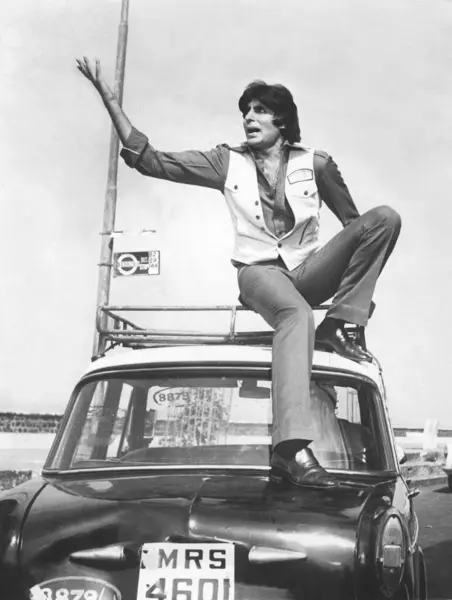
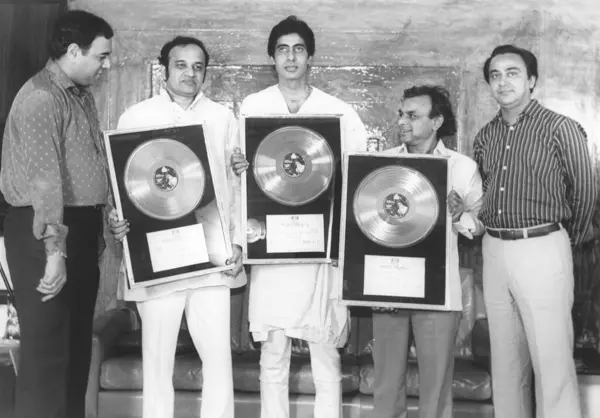
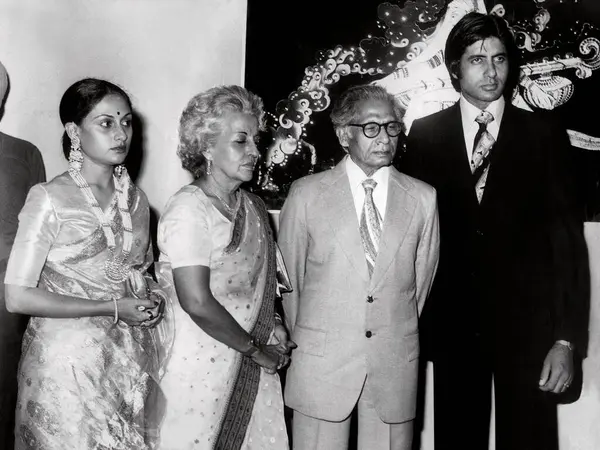
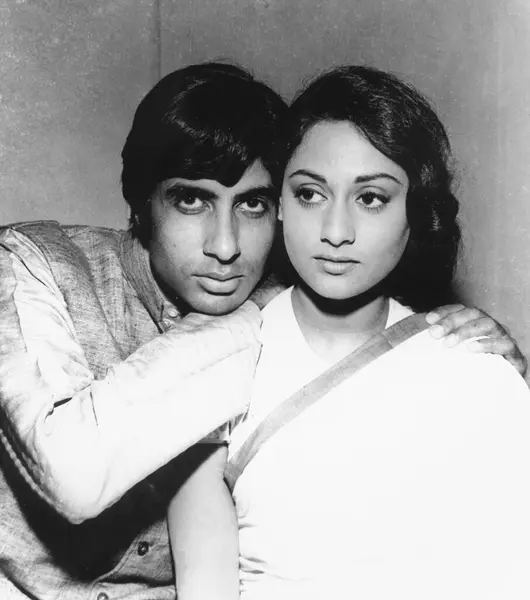
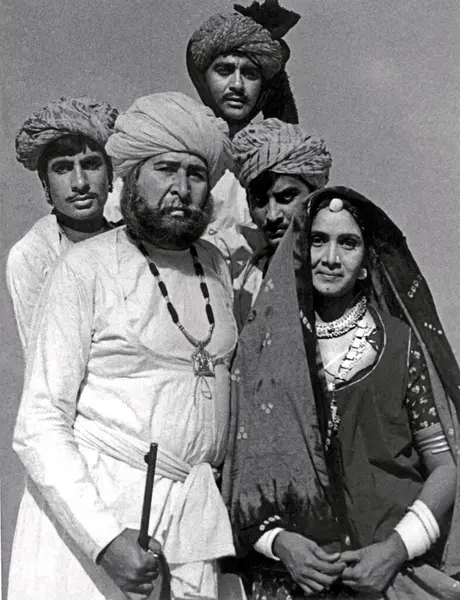
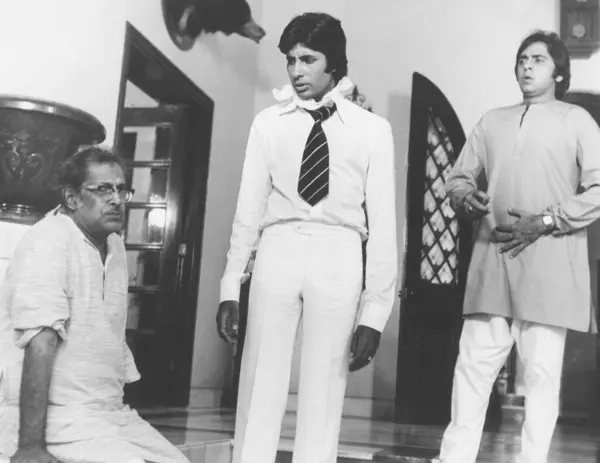
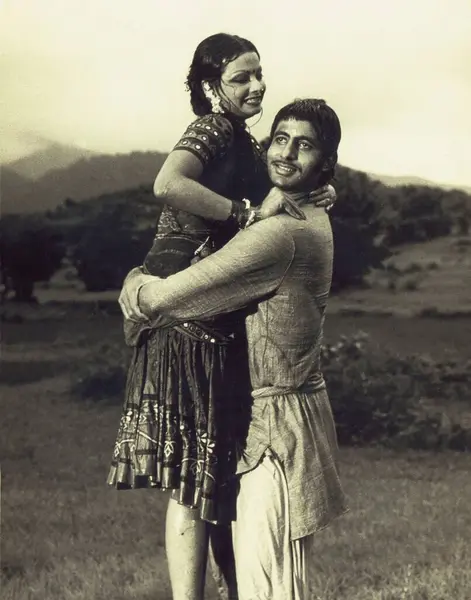
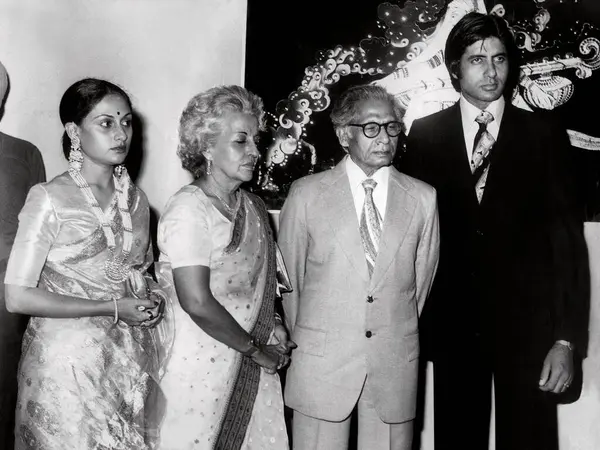
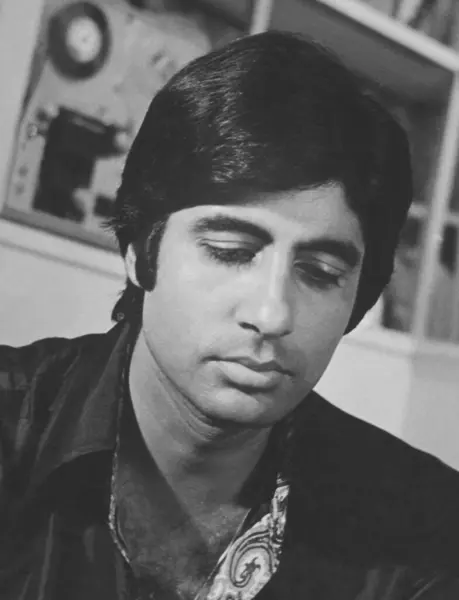
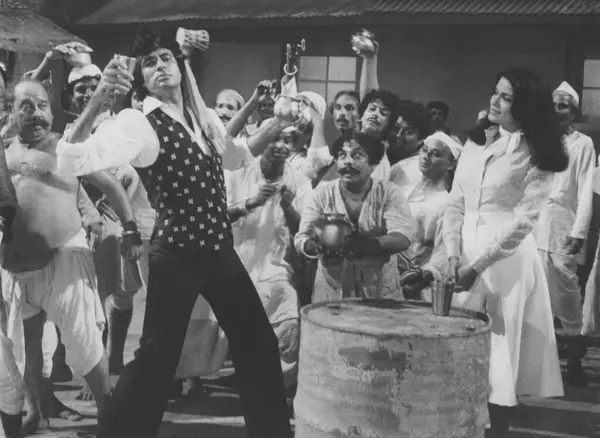
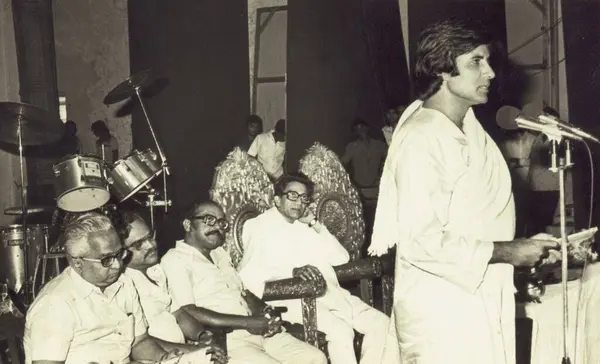
For the Indian diaspora, however, Bachchan’s significance extends well beyond cinema.
Few cultural figures have accompanied overseas Indians through so many stages of migration and settlement. The first generation of migrants who left India during the 1970s and 1980s carried memories of films such as Zanjeer, Deewaar and Sholay into newly adopted homes across the United Kingdom, North America, Africa and the Gulf. Their children grew up with Mohabbatein, Kabhi Khushi Kabhie Gham and Baghban. Their grandchildren know him as the host who welcomed families into their living rooms through Kaun Banega Crorepati and more recently as Ashwatthama in Kalki 2898 AD.
Few actors manage to remain relevant to one generation.
Amitabh Bachchan has remained relevant to four.
That achievement alone explains why his story can no longer be viewed merely through the lens of cinema. It is equally a story about identity, migration, memory and the remarkable ability of popular culture to create connections between Indians separated by geography, language and generations.
At eighty-three, Bachchan continues to work with the discipline and intensity that first defined him in the early years of his career. His recent portrayal of the immortal warrior Ashwatthama in Kalki 2898 AD offered an unexpected metaphor for his own place in Indian public life. In Indian mythology, Ashwatthama survives through the ages as a witness to history. In modern India, Amitabh Bachchan has become something similar: a cultural presence that has endured across eras, continuously rediscovered by each new generation.
There are stars who define a decade.
There are superstars who define an era.
Then there are rare figures who become part of a nation’s collective memory.
For millions of Indians across the world, Amitabh Bachchan belongs firmly in that final category.
The Making Of Amitabh Bachchan: Literature, Learning And The Long Road To Bombay
The story of Amitabh Bachchan’s rise to prominence did not begin in a film studio in Bombay but in an intellectual and literary household in Allahabad, one of the most important centres of education and public life in twentieth-century India.
Born on 11 October 1942 in Allahabad, now Prayagraj, Amitabh Harivansh Rai Bachchan grew up in an environment where literature, ideas and public discourse formed an integral part of everyday life. His father, Harivansh Rai Bachchan, was among the most respected Hindi poets of his generation and became nationally known for works such as Madhushala, a collection that continues to enjoy popularity decades after its publication. His mother, Teji Bachchan, was actively involved in theatre and possessed a keen interest in the performing arts, a passion that many biographers believe influenced her son’s eventual move towards acting.
The family’s original surname was Srivastava, but Harivansh Rai adopted “Bachchan”, meaning “childlike”, as his literary pen name, a practice that was not uncommon among Hindi writers of the period. Over time, the name became the family’s official surname and would eventually become one of the most recognised names in Indian public life.
Bachchan received his early education at Boys’ High School in Allahabad before moving to the prestigious Sherwood College in Nainital, where he developed an interest in dramatics and public speaking. He later enrolled at Delhi University’s Kirori Mal College and graduated with a Bachelor of Science degree. The choice of science as an academic discipline often surprises those who associate him exclusively with cinema and literature, but it reflected the broad educational aspirations of middle-class Indian families during the period.
Like many educated young Indians of his generation, cinema was not initially viewed as an obvious or secure profession.
His first major professional assignment took him not to Bombay but to Kolkata, then one of India’s principal commercial and industrial centres. Bachchan worked for the shipping and freight company Bird & Company as an executive, earning a respectable salary and following what appeared to be a stable corporate career path.
Yet the attraction of cinema remained strong.
The Bombay film industry of the late 1960s offered little encouragement to aspiring actors who did not fit established conventions. Bachchan’s height, deep baritone voice and unconventional screen presence were considered disadvantages rather than strengths in an era dominated by romantic heroes with softer personalities and more traditional appearances.
Ironically, the very characteristics that producers initially viewed as obstacles would later become the defining features of his screen persona.
His first break came not as an actor appearing on screen but as a narrator. The acclaimed 1969 film Bhuvan Shome featured Bachchan’s voice in the narration, introducing audiences to the baritone that would later become one of the most recognisable voices in Indian entertainment.
His first acting role followed in the film Saat Hindustani in the same year. The film earned critical appreciation and brought him the National Film Award for Most Promising Newcomer, but commercial success remained elusive. Several films followed without making a significant impact at the box office.
For a period, the possibility of failure appeared very real.
The turning point arrived in 1971 with Anand, where Bachchan played the reserved and introspective doctor opposite the charismatic performance of Rajesh Khanna, then India’s biggest film star. The film earned him widespread critical appreciation and his first Filmfare Award for Best Supporting Actor.
Even then, few predicted what would follow.
Within two years, Indian cinema would discover not merely a new star but an entirely new kind of hero.
The country was changing rapidly.
Its cinema was about to change with it.
The Rise Of The Angry Young Man: When India Found Its Voice
By the early 1970s, India was undergoing profound social and economic change. The optimism that had accompanied the early decades after Independence had begun to give way to public frustration over unemployment, inflation, corruption and limited opportunities for upward mobility. Urban centres were expanding rapidly, aspirations were rising and a younger generation increasingly found itself at odds with institutions that appeared slow to respond to changing realities.
Hindi cinema, however, had yet to fully reflect this mood.
The dominant screen hero of the late 1960s remained romantic, idealistic and often detached from the everyday frustrations of ordinary Indians. Audiences enjoyed these films, but a growing section of society was looking for something different: a character who expressed their anger, anxieties and ambitions with greater directness.
That character arrived in 1973 with Zanjeer.
Directed by Prakash Mehra, the film introduced audiences to Inspector Vijay Khanna, a police officer driven less by romance and more by a fierce sense of justice. The film marked a decisive break from prevailing cinematic conventions and established Amitabh Bachchan as a major star almost overnight.
More importantly, it established a screen persona that would come to define an era.
The “Angry Young Man” was not simply a film character. He represented a changing India.
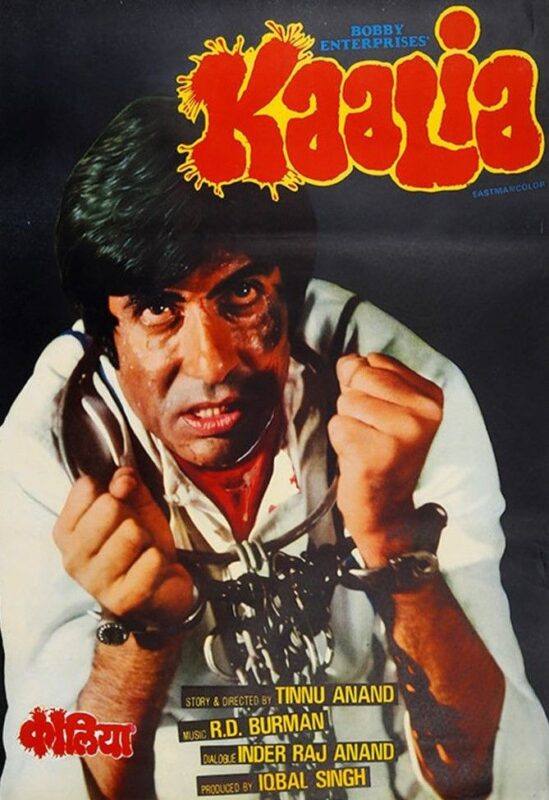
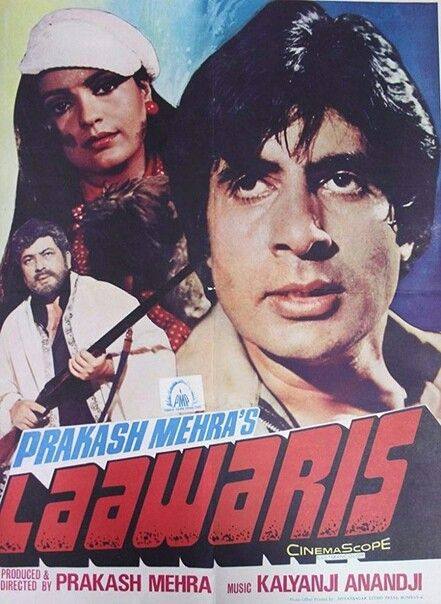
Through films such as Deewaar, Trishul, Kaala Patthar, Muqaddar Ka Sikandar and Shakti, Bachchan portrayed men confronting inequality, corruption, exploitation and personal betrayal. His characters often stood outside traditional systems of authority while retaining a strong moral core that resonated with audiences across social classes.
The recurring name “Vijay” in many of these films became symbolic in itself.
For millions of viewers, Vijay represented the aspirations and frustrations of ordinary Indians attempting to navigate a rapidly changing society.
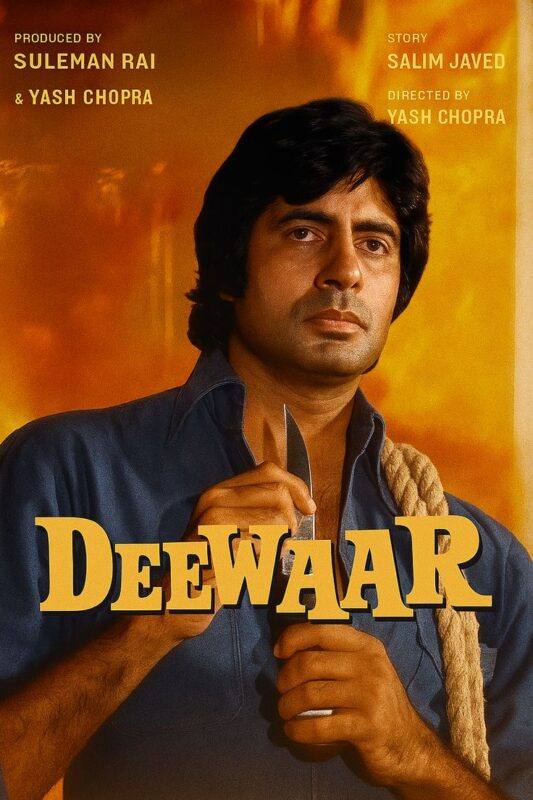
Few films captured this sentiment more powerfully than Deewaar in 1975. The story of two brothers choosing different paths in response to social injustice became one of the defining narratives of post-Independence Indian cinema. Dialogues from the film entered everyday conversation and continue to be referenced nearly half a century later.
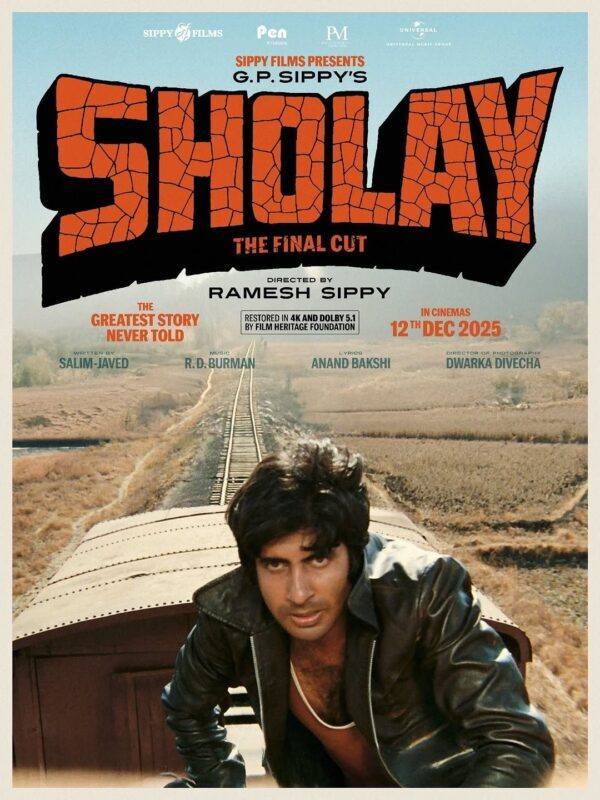
The same year witnessed the release of Sholay, widely regarded as one of the most influential films in Indian cinema history. While the film featured an ensemble cast, Bachchan’s portrayal of the restrained and introspective Jai further consolidated his reputation as the leading actor of his generation.
The numbers reflected this extraordinary rise.
Between the mid-1970s and early 1980s, Amitabh Bachchan delivered an unprecedented succession of commercial and critical successes. Film historians frequently describe this period as one of the most dominant runs enjoyed by any actor in world cinema.
His influence extended far beyond India.
Across East Africa, the Gulf, the United Kingdom and parts of Southeast Asia, Indian migrants embraced his films as cultural touchpoints that connected them to developments back home. Community screenings, cinema halls and later VHS rentals transformed Bachchan’s films into shared experiences for overseas Indians who were adapting to new societies while maintaining emotional links with India.
For many migrants who left India during this period, memories of the homeland became inseparable from memories of Amitabh Bachchan films.
The actor was becoming something larger than a movie star.
He was becoming a cultural reference point.
The scale of his popularity during this period led international media and film observers to draw comparisons with some of the most recognisable screen figures of the twentieth century. Within India, however, the comparison that endured was much simpler.
He was no longer merely Amitabh Bachchan.
He had become “Big B”.
Few actors dominate an industry.
Fewer redefine it.
Amitabh Bachchan did both.



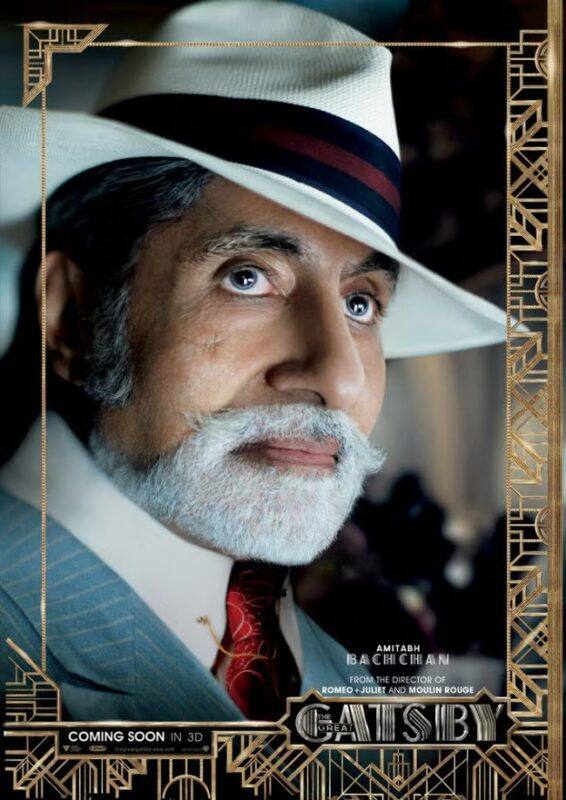
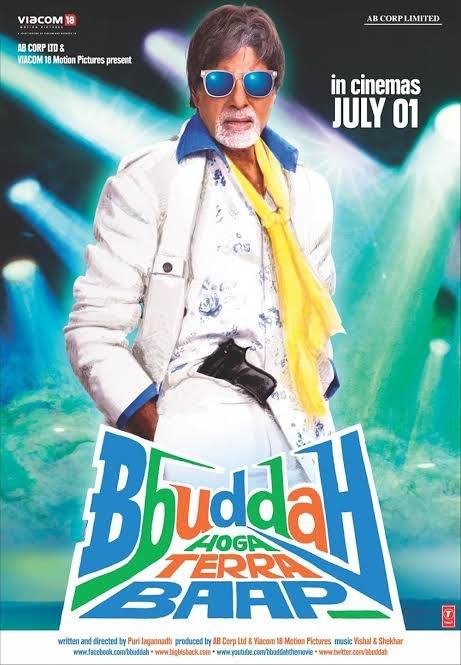

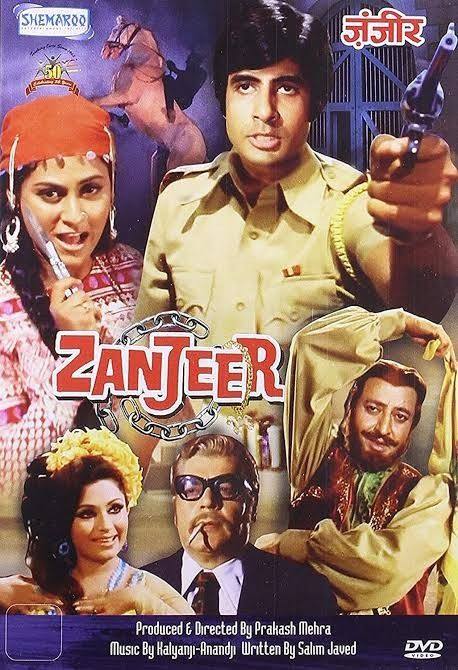
The Bachchan Era: When One Man Came To Symbolise Hindi Cinema
The period between the mid-1970s and the mid-1980s is often regarded as one of the most extraordinary phases in the history of Indian cinema. During these years, Amitabh Bachchan was not simply the industry’s biggest star; he was, in many respects, its defining presence.
His films dominated the box office, his dialogues entered popular vocabulary and his screen image shaped audience expectations of what a Hindi film hero should be. Producers built projects around him, distributors viewed his involvement as a guarantee of commercial viability and cinema owners relied on his films to drive footfall across urban and rural markets alike.
The scale of his influence was unprecedented.
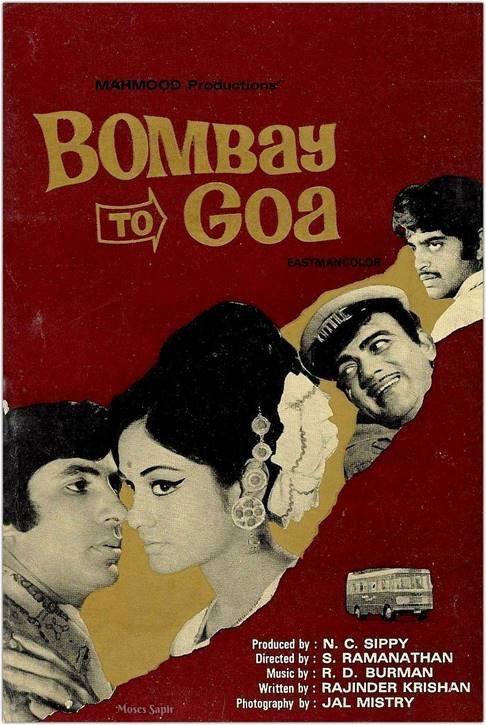
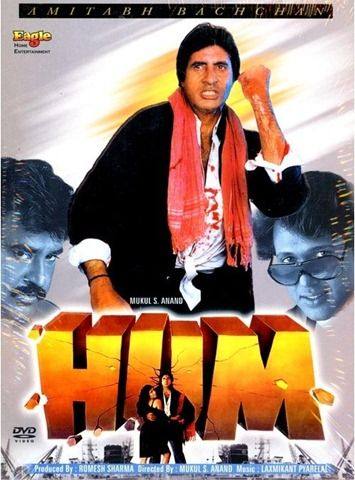
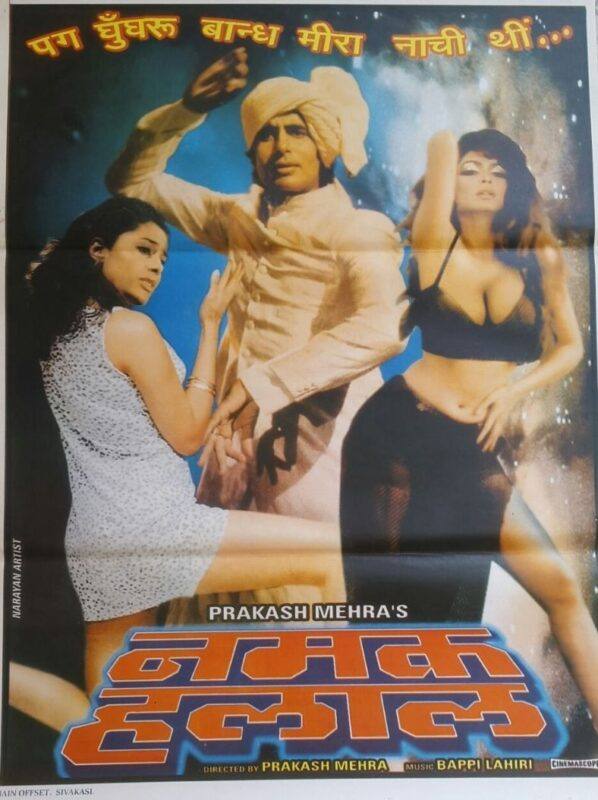
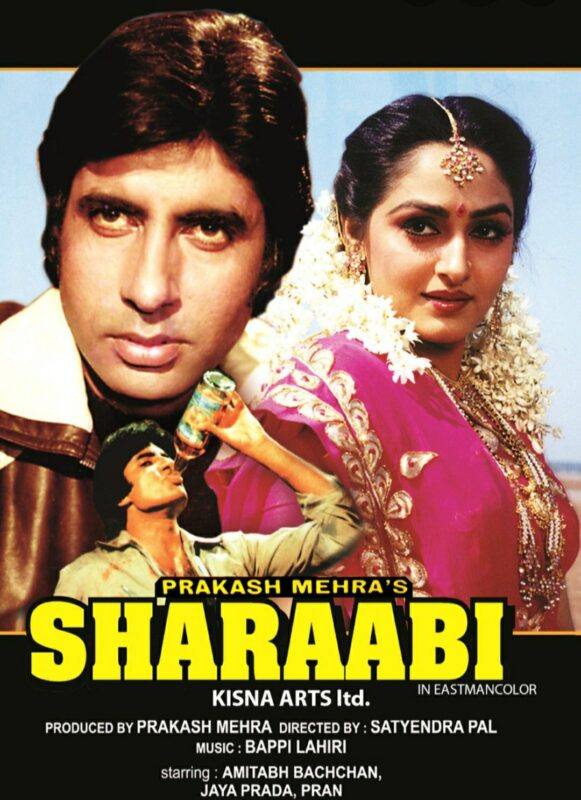
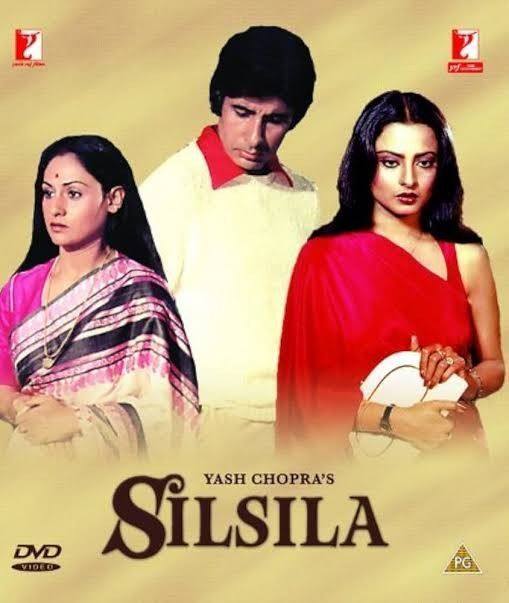
Films such as Deewaar (1975), Sholay (1975), Kabhi Kabhie (1976), Amar Akbar Anthony (1977), Don (1978), Trishul (1978), Muqaddar Ka Sikandar (1978), Mr Natwarlal (1979), Kaala Patthar (1979), Dostana (1980), Silsila (1981), Satte Pe Satta (1982), Shakti (1982) and Coolie (1983) represented not merely commercial successes but milestones in the evolution of mainstream Indian cinema.
What made this period particularly remarkable was the diversity of roles he undertook.
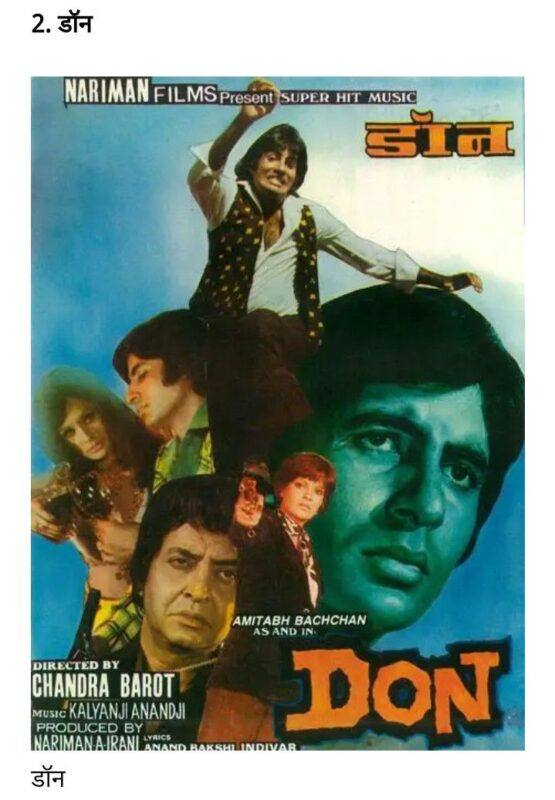
He could portray the brooding and conflicted anti-establishment figure in Deewaar, the comic and flamboyant Anthony Gonsalves in Amar Akbar Anthony, the sophisticated romantic lead in Kabhi Kabhie and the morally complex underworld figure in Don with equal conviction. Few actors before or since have demonstrated such range while maintaining extraordinary box office consistency.
The partnership between Bachchan and the celebrated screenwriting duo of Salim Khan and Javed Akhtar proved particularly influential in shaping modern Hindi cinema. Their scripts gave voice to social anxieties and aspirations that resonated deeply with audiences during a period of economic uncertainty and political upheaval.
Together, they fundamentally altered the grammar of mainstream Indian storytelling.
The hero became more complex.
The conflicts became more grounded.
The victories became harder earned.
Bachchan’s success also transformed the economics of the film industry. The concept of the “superstar-driven” project reached new heights during this period, with overseas distribution markets increasingly factoring into commercial calculations. Indian communities in the Middle East, East Africa and the United Kingdom became important audiences for Hindi films, helping lay the foundations for the global distribution networks that Bollywood would later rely upon extensively.
Long before the term “global box office” entered everyday industry language, Amitabh Bachchan films were already travelling internationally.
For diaspora audiences, these films served purposes beyond entertainment.
They became occasions for community gathering, cultural affirmation and emotional connection with a rapidly changing homeland. Weekend screenings in London, Leicester, Dubai, Nairobi and Durban often brought together families separated from India by geography but united through shared cinematic experiences.
Many overseas Indians still recall queueing outside cinemas for tickets to Sholay or waiting months for VHS copies of the latest Bachchan release to arrive through relatives and friends travelling from India.
These memories became part of migration history itself.
By the early 1980s, Amitabh Bachchan had reached a level of public recognition rarely experienced by entertainers in democratic societies. His popularity crossed linguistic, regional and class boundaries in a country that often resisted uniformity in matters of culture and taste.
There had been major stars before him.
There would be major stars after him.
But there was only one period in which an actor became so closely identified with the aspirations, frustrations and imagination of an entire nation that the era itself came to bear his name.
Indian cinema had entered the Bachchan era.
Politics, Tragedy and Turbulence: The Years That Tested A Superstar
By the early 1980s, Amitabh Bachchan occupied a position in Indian public life that extended well beyond cinema. His films dominated the box office, his public appearances attracted extraordinary crowds and his influence cut across regions, languages and social backgrounds.
Then came an incident that revealed the true scale of his connection with the public.
On 26 July 1982, during the filming of Coolie in Bengaluru, Bachchan suffered a serious abdominal injury while performing an action sequence with actor Puneet Issar. What initially appeared to be a routine accident quickly developed into a life-threatening medical emergency requiring multiple surgeries and prolonged treatment.
For weeks, newspapers carried daily updates on his condition.
Outside hospitals, crowds gathered to pray.
Temples, mosques, churches and gurdwaras across India held special prayers for his recovery. Blood donation drives were organised voluntarily by fans. Similar scenes unfolded among Indian communities overseas, where newspapers and radio bulletins followed developments with unusual intensity.
India had witnessed the popularity of film stars before.
It had never witnessed public anxiety of this scale for one.
His eventual recovery was widely celebrated and further strengthened an already exceptional bond between actor and audience. The makers of Coolie chose to freeze the frame at the moment of the accident in the completed film, marking the scene that had nearly claimed the life of the country’s biggest star.
The episode became part of Indian popular history.
The years that followed, however, brought fresh challenges.
In 1984, at the urging of his close friend Rajiv Gandhi, Bachchan entered electoral politics and contested the parliamentary elections from Allahabad. He won decisively, defeating veteran politician H. N. Bahuguna by one of the largest margins recorded in that election.
For many observers, the move appeared to signal the beginning of a significant political career.
It proved remarkably brief.
Bachchan resigned from Parliament in 1987, describing politics as “a cesspool” and expressing discomfort with the nature of public life in the political arena. His name later surfaced in political controversies surrounding the Bofors investigations, although no wrongdoing on his part was ever established and he was eventually cleared of all allegations.
The episode nevertheless marked a difficult period in his public journey.
For perhaps the first time since the rise of the Angry Young Man, the seemingly invincible Bachchan image had begun to show signs of vulnerability.
The Hindi film industry itself was also changing.
A new generation of actors was emerging. Audience preferences were evolving and the era of the larger-than-life action hero that had defined the previous decade was beginning to give way to different cinematic sensibilities.
Many stars struggle with success.
Even more struggle with change.
The greatest challenge facing Amitabh Bachchan was no longer whether he could reach the top.
It was whether he could remain there.
The answer would not arrive immediately.
The 1990s would become the most difficult period of his professional life and would ultimately produce one of the most remarkable reinventions in the history of global entertainment.
From Financial Crisis To Reinvention: The Collapse Of ABCL And The Birth Of A New Amitabh
By the mid-1990s, Amitabh Bachchan had already achieved more than most actors could aspire to in a lifetime. He had dominated Indian cinema for over two decades, influenced an entire generation of performers and established himself as one of the most recognisable faces in the country.
Yet it was during this period that he encountered perhaps the greatest challenge of his professional life.
In 1995, Bachchan established Amitabh Bachchan Corporation Limited, commonly known as ABCL, with the ambition of building a fully integrated entertainment company that would operate across film production, distribution, talent management, television content and live events.
The vision was ahead of its time.
Today, vertically integrated entertainment companies are common within the global media industry. In the mid-1990s, however, the Indian entertainment business was still largely fragmented and unstructured. ABCL sought to introduce corporate practices into an industry that traditionally operated through informal networks and individual producers.
The timing proved unfortunate.
Several projects underperformed commercially, costs escalated and the company encountered significant financial difficulties. The high-profile management of the 1996 Miss World pageant in Bengaluru further added to operational and financial pressures.
Within a few years, ABCL had accumulated substantial liabilities and was facing legal and financial challenges that threatened not only the company but Bachchan’s own financial stability.
For a man who had spent years at the summit of Indian cinema, the reversal was dramatic.
In later interviews, Bachchan would speak openly about the period, describing a situation where debts mounted and opportunities became increasingly limited. The actor who had once defined the industry now found himself searching for work in order to rebuild his finances and professional standing.
Many careers end at this stage.
His did not.
What followed became one of the most remarkable reinventions in Indian entertainment history.
In 2000, Bachchan accepted an offer that many film stars of his generation would have considered unthinkable: hosting a television quiz show.
At the time, television was widely viewed within the film industry as a medium of lower prestige compared with cinema. Established film actors rarely crossed into television, fearing that it would diminish their stature or signal the decline of their film careers.
The programme was called Kaun Banega Crorepati.
It changed Indian television forever.
Adapted from the international format Who Wants To Be A Millionaire?, the programme arrived at a moment when satellite television was transforming Indian households. Bachchan’s warmth, gravitas, humour and ability to engage with contestants from every part of the country quickly made the programme a national phenomenon.
The host became as important as the format itself.
Viewers were not simply watching contestants answer questions for prize money. They were watching conversations unfold between one of India’s biggest cultural figures and ordinary citizens representing every region, profession and social background.
The programme brought Bachchan into millions of homes several evenings each week.
A new generation discovered him.
Older audiences rediscovered him.
The reinvention was complete.
What began as a financial necessity evolved into one of the most successful career transitions in Indian media history. Kaun Banega Crorepati not only restored Bachchan’s financial position but also transformed his public image from superstar to statesman of Indian entertainment.
The success on television was accompanied by a parallel reinvention in cinema.
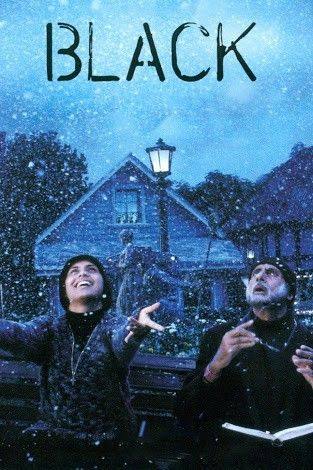
Rather than competing with younger actors for traditional leading roles, Bachchan embraced age-appropriate characters that offered depth, authority and emotional complexity. Films such as Mohabbatein (2000), Baghban (2003), Black (2005), Cheeni Kum (2007) and Paa (2009) demonstrated an actor willing to evolve rather than resist change.
It was a lesson that extended beyond cinema.
Relevance is rarely inherited.
It has to be earned repeatedly.
Few actors reinvent themselves successfully once.
Amitabh Bachchan has done it several times.
The Diaspora’s Amitabh: A Shared Memory Across Continents
For much of the twentieth century, Indian migration was accompanied by a familiar set of essentials: family photographs, religious artefacts, favourite recipes and memories of home. Increasingly, another item joined that list.
Hindi cinema.
Long before streaming platforms, global day-and-date releases and international box office strategies became standard industry practice, films served as one of the most important cultural links between overseas Indians and the country they had left behind. Among the actors who travelled most successfully across borders and generations, Amitabh Bachchan occupied a unique position.
His rise as a superstar coincided with some of the largest waves of Indian migration to the Gulf, the United Kingdom, North America and parts of Africa during the 1970s and 1980s.
As communities settled abroad, Bachchan’s films travelled with them.
Cinema halls in London, Leicester, Birmingham, Dubai, Nairobi, Durban, Toronto and Singapore regularly screened his films to audiences eager not merely for entertainment but for connection. Weekend visits to Indian films became social occasions that helped maintain community bonds and cultural continuity in unfamiliar surroundings.
In many diaspora households, Amitabh Bachchan films became family events rather than individual viewing experiences.
Parents introduced their children to Sholay and Deewaar in much the same way they introduced them to Indian festivals, languages and traditions. Dialogues from his films entered family conversations. Songs became part of weddings and celebrations. Characters became reference points for discussions about morality, ambition and social change.
For many second-generation Indians growing up abroad, Hindi cinema often provided one of the earliest and most accessible windows into Indian culture.
Amitabh Bachchan happened to be at the centre of that experience.
The first generation remembered the worker, the rebel and the fighter.
The second generation encountered the mentor, the father figure and the patriarch.
The third generation found the television host who spoke to contestants with warmth, dignity and respect regardless of their social background.
Few public figures remain culturally relevant long enough to become a shared experience between grandparents, parents and grandchildren.
Bachchan achieved precisely that.
His career also mirrors the evolution of the Indian diaspora itself.
The migrants of the 1970s sought familiarity and emotional reassurance through cinema that reminded them of home. The global Indian professionals of the 1990s and 2000s embraced films that reflected increasingly international lifestyles and aspirations. Today’s younger audiences consume Indian content through digital platforms that place Indian cinema alongside international productions in a highly competitive global marketplace.
Across each of these phases, Amitabh Bachchan remained present.
His ability to adapt to changing audiences without appearing disconnected from earlier generations is one of the defining reasons for his extraordinary longevity.
This cultural continuity has also contributed significantly to India’s soft power.
International discussions on soft power often focus on diplomacy, trade, education and technology. Yet culture frequently proves equally influential in shaping perceptions of nations and societies. Indian cinema has become one of the country’s most effective cultural ambassadors and Amitabh Bachchan has been one of its most recognisable representatives.
For decades, he was among the first Indian faces recognised by international audiences with little prior exposure to India.
His films introduced viewers to Indian family structures, social values, humour, music and storytelling traditions long before the rise of social media or global streaming platforms accelerated cultural exchange.
The influence worked in both directions.
For overseas Indians, Bachchan represented continuity with India.
For many international audiences, he represented an introduction to it.
Few actors become stars abroad.
Fewer become symbols of a country’s cultural identity.
Amitabh Bachchan gradually became both.
His contribution to Indian soft power was never formally assigned or strategically designed.
It emerged organically through cinema, television and public life over several decades.
That may be precisely why it proved so effective.
For millions of Indians living overseas, memories of migration are often accompanied by memories of particular songs, scenes and films.
More often than not, somewhere within those memories, Amitabh Bachchan appears.
Reinventing Stardom At Eighty-Three: Why Younger Filmmakers Still Want Big B
One of the defining characteristics of long careers in cinema is the ability to recognise change and adapt to it. The history of global entertainment is filled with performers who struggled to navigate shifting audience preferences, new technologies and changing storytelling traditions.
Amitabh Bachchan chose a different path.
Rather than attempting to recreate the image of the Angry Young Man indefinitely, he embraced reinvention as an essential part of longevity. The transition was neither abrupt nor accidental. It involved a gradual evolution from leading man to character actor, from action hero to mentor figure and from superstar to institution.
The result has been one of the most successful late-career transformations in international cinema.
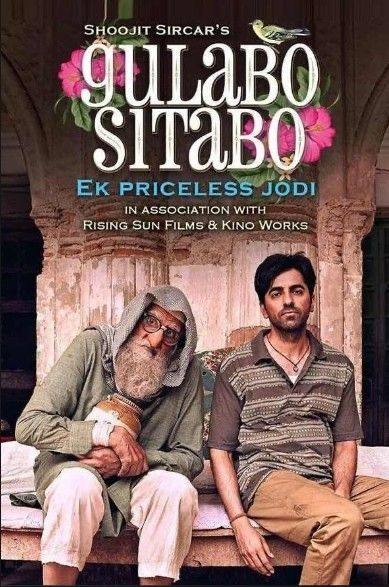
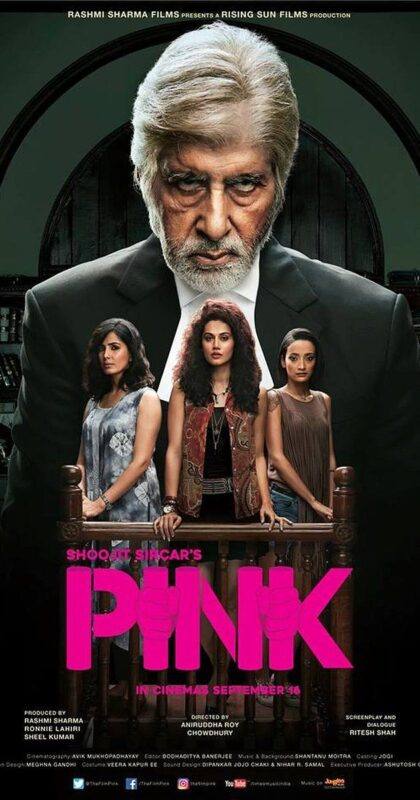
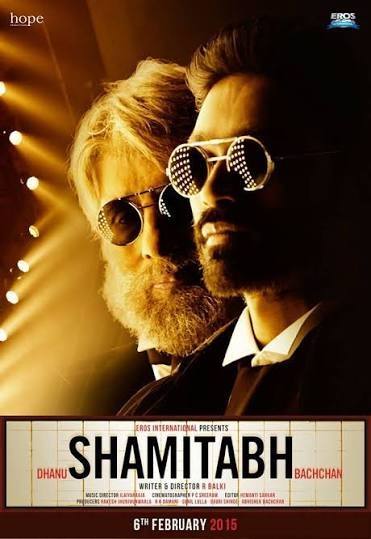
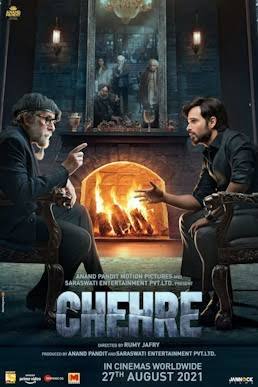
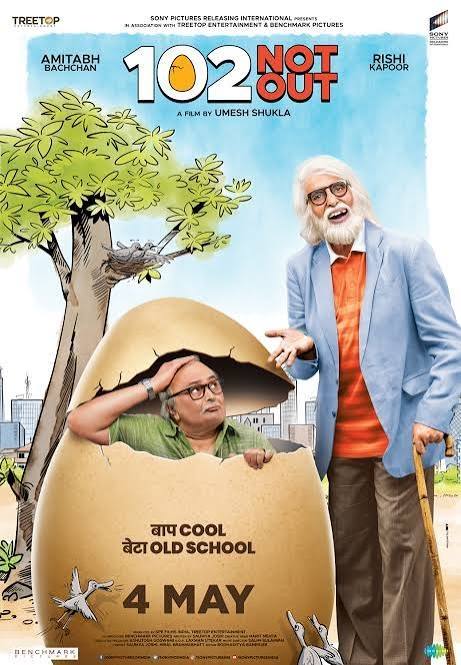
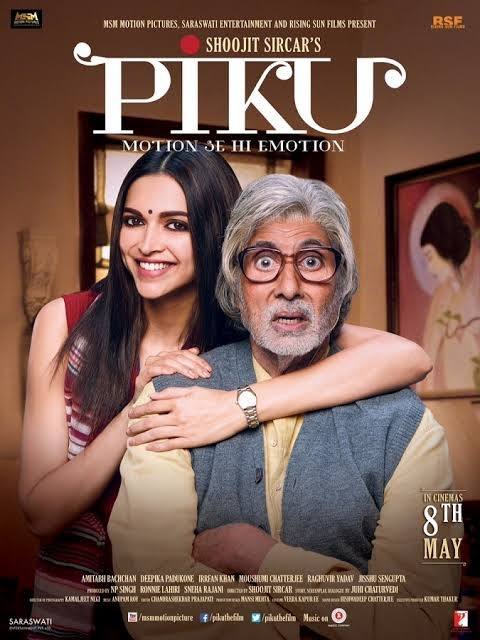
Films such as Black (2005), Cheeni Kum (2007), Paa (2009), Piku (2015), Pink (2016), Badla (2019) and Gulabo Sitabo (2020) demonstrated a willingness to experiment with roles that many actors of similar stature might have avoided. These performances relied less on star image and more on craft, restraint and emotional depth.
The critical reception reflected that shift.
Younger directors increasingly began to view Bachchan not merely as a legendary actor but as a performer capable of elevating complex material through experience and screen presence alone.
His work in Pink remains a particularly significant example.
The courtroom drama’s central message on consent and gender equality resonated strongly with younger audiences and introduced Bachchan to viewers who had little direct connection with his films from the 1970s or 1980s. His portrayal of the retired lawyer Deepak Sehgal demonstrated an ability to remain relevant to contemporary social conversations without appearing disconnected from his own cinematic legacy.
The same adaptability has characterised his participation in the emerging pan-Indian film landscape.
As Indian cinema increasingly moves beyond linguistic and regional boundaries, Bachchan has continued to play important roles in large-scale productions aimed at audiences across the country and overseas markets. His appearance in Brahmāstra and later in Kalki 2898 AD reflected his willingness to participate in ambitious new cinematic universes that appeal to younger demographics and global audiences.
His presence lends continuity to an industry undergoing rapid transformation.
Directors frequently speak of his professionalism, punctuality and preparation. Stories of long working hours, detailed script engagement and an enduring curiosity about new technologies have become part of industry folklore. At an age when many contemporaries have retired, Bachchan continues to maintain a work schedule that would challenge performers several decades younger.
Perhaps this explains why new generations of filmmakers continue to write roles specifically with him in mind.
He offers something that cannot be manufactured.
Credibility.
Experience.
Cultural memory.
These qualities were particularly evident in his portrayal of Ashwatthama in Kalki 2898 AD, one of the most commercially successful Indian films of recent years. In Indian mythology, Ashwatthama is the immortal warrior of the Mahabharata, condemned to walk the earth through centuries as a witness to history and human civilisation.
The casting carried an irony that audiences immediately recognised.
Here was an actor in his eighties portraying a character who survives across millennia while he himself continued to remain relevant across generations that had grown up decades apart.
The comparison is, of course, symbolic rather than literal.
Ashwatthama survives through mythology.
Amitabh Bachchan survives through reinvention.
The migrant worker who watched Deewaar in the 1970s recognised him.
The family that gathered around television sets for Kaun Banega Crorepati recognised him.
The teenager discovering Indian science fiction through Kalki 2898 AD recognises him too.
Few actors remain relevant for fifty years.
Fewer remain relevant to grandparents, parents and grandchildren simultaneously.
This may ultimately be Amitabh Bachchan’s greatest achievement.
Not merely longevity.
Continuity.
There are stars who define a decade.
There are superstars who define an era.
Amitabh Bachchan has become one of the rare cultural figures who has managed to belong to many eras at once.
Why The World Still Calls Him Big B
Every generation produces stars who capture the imagination of audiences for a period of time. A much smaller number transcend their profession and become woven into the cultural fabric of a nation.
Amitabh Bachchan belongs firmly in the latter category.
His influence cannot be measured solely through box office figures, awards or filmographies, impressive though those numbers may be. His significance lies equally in the way he has accompanied India’s social, economic and cultural evolution over the past five decades.
Few public figures have remained visible through so many different phases of contemporary Indian history.
He emerged during the political and economic turbulence of the 1970s as the voice of frustration and aspiration. He adapted to the liberalisation era of the 1990s and the globalising India of the early twenty-first century. Through Kaun Banega Crorepati, he became a familiar presence in households across urban and rural India alike, engaging with participants whose stories reflected the changing realities of the country itself.
His career mirrors India’s own transformation from a largely inward-looking economy to a globally connected society confident in projecting its culture internationally.
For overseas Indians, this continuity carries particular significance.
Migration often creates a complicated relationship with memory and identity. Countries change, cities evolve and generations gradually develop different relationships with the idea of home. Cultural figures who remain constant across these changes frequently assume an importance that extends beyond entertainment.
Amitabh Bachchan became one of those constants.
His films linked first-generation migrants to the India they had left behind. His later work introduced younger generations to a cultural legacy that might otherwise have felt distant or unfamiliar. Through cinema and television, he became one of the few public figures capable of speaking simultaneously to multiple generations of the diaspora.
In many respects, he became a shared language.
Grandparents and grandchildren may disagree on music, politics, fashion and technology.
They are often able to agree on Amitabh Bachchan.
The durability of that appeal remains remarkable in an age defined by fragmented audiences and rapidly changing tastes. Streaming platforms, social media and algorithm-driven entertainment have created highly personalised viewing habits, making truly universal cultural figures increasingly rare.
Yet Bachchan continues to occupy that space.
His social media presence attracts millions of followers across platforms. His television appearances continue to command strong audiences. His films remain subjects of discussion, restoration and rediscovery. New generations continue to encounter his work, while older generations continue to revisit it.
Few careers survive changing technologies.
His has embraced them.
Few careers survive changing industries.
His has evolved with them.
Few careers survive changing generations.
His has spoken to all of them.
That perhaps explains why the title “Big B” has endured for so long.
It is not merely a nickname.
It is recognition of a place in public life that extends beyond cinema.
As India continues to project its economic, technological and cultural influence globally, the role of cinema as an instrument of soft power is likely to become even more significant. New stars will emerge, new platforms will develop and new forms of storytelling will reshape entertainment.
But the benchmark against which longevity, reinvention and cultural influence are measured may continue to bear a familiar name.
For more than fifty years, Amitabh Bachchan has represented different things to different audiences.
To some he remains Vijay from Deewaar.
To others he is the host who asks contestants if that is their final answer.
To younger viewers he is Ashwatthama standing guard over the future in Kalki 2898 AD.
Perhaps that is the secret of the Amitabh Bachchan phenomenon.
Every generation discovers its own Amitabh.
And somehow, he always seems ready to meet them there.
ACHIEVEMENTS, AWARDS AND RECOGNITIONS
Major National Honours
- Recipient of the Padma Shri in 1984.
- Awarded the Padma Bhushan in 2001.
- Received the Padma Vibhushan in 2015.
- Honoured with the prestigious Dadasaheb Phalke Award in 2019 for his contribution to Indian cinema.
National Film Awards
Amitabh Bachchan has won the National Film Award for Best Actor on multiple occasions, including for:
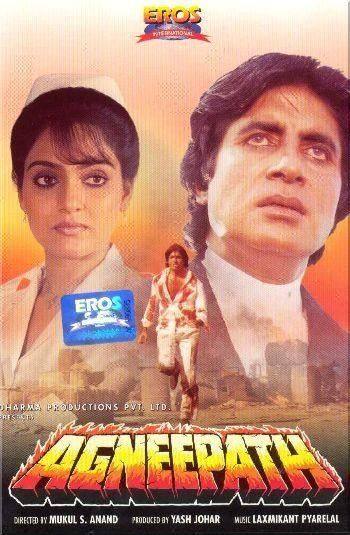
- Agneepath (1990)
- Black (2005)
- Paa (2009)
- Piku (2015)
He also received the National Film Award as Most Promising Newcomer for Saat Hindustani in 1969.
Filmfare Recognition
- Multiple Filmfare Awards across acting categories.
- Recipient of the Filmfare Lifetime Achievement Award.
- One of the most nominated actors in Filmfare history.
International Honours
- Awarded the Knight of the Legion of Honour by the Government of France in 2007.
- Honoured by several international universities and institutions for contributions to cinema and cultural exchange.
Career Milestones
- More than 200 films across multiple languages.
- Active career spanning over five decades.
- One of the pioneers of Indian television celebrity hosting through Kaun Banega Crorepati.
- Among the earliest Indian actors to successfully transition across cinema, television and digital media.
- Recognised globally as one of the most influential figures in Indian popular culture.
PERSONAL LIFE, EARLY LIFE AND EDUCATION
Early Life
Amitabh Bachchan was born on 11 October 1942 in Allahabad, Uttar Pradesh, to celebrated Hindi poet Harivansh Rai Bachchan and social activist and theatre enthusiast Teji Bachchan.
Education
- Boys’ High School, Allahabad.
- Sherwood College, Nainital.
- Kirori Mal College, Delhi University, where he graduated with a Bachelor of Science degree.
Family
He married actress Jaya Bachchan in 1973.
The couple have two children:
- Shweta Bachchan Nanda
- Abhishek Bachchan
The family later expanded to include actress Aishwarya Rai Bachchan and granddaughter Aaradhya Bachchan.
Beyond Cinema
Beyond acting, Bachchan has been associated with numerous public awareness campaigns involving health, education, sanitation, polio eradication and tourism promotion. He has also maintained one of the most active personal blogs and social media presences among senior public figures in India.
Even after more than five decades in public life, he continues to work with a regularity and discipline that remain exceptional within the entertainment industry.
At eighty-three, retirement appears to be a concept that interests audiences far more than it interests Amitabh Bachchan himself.