
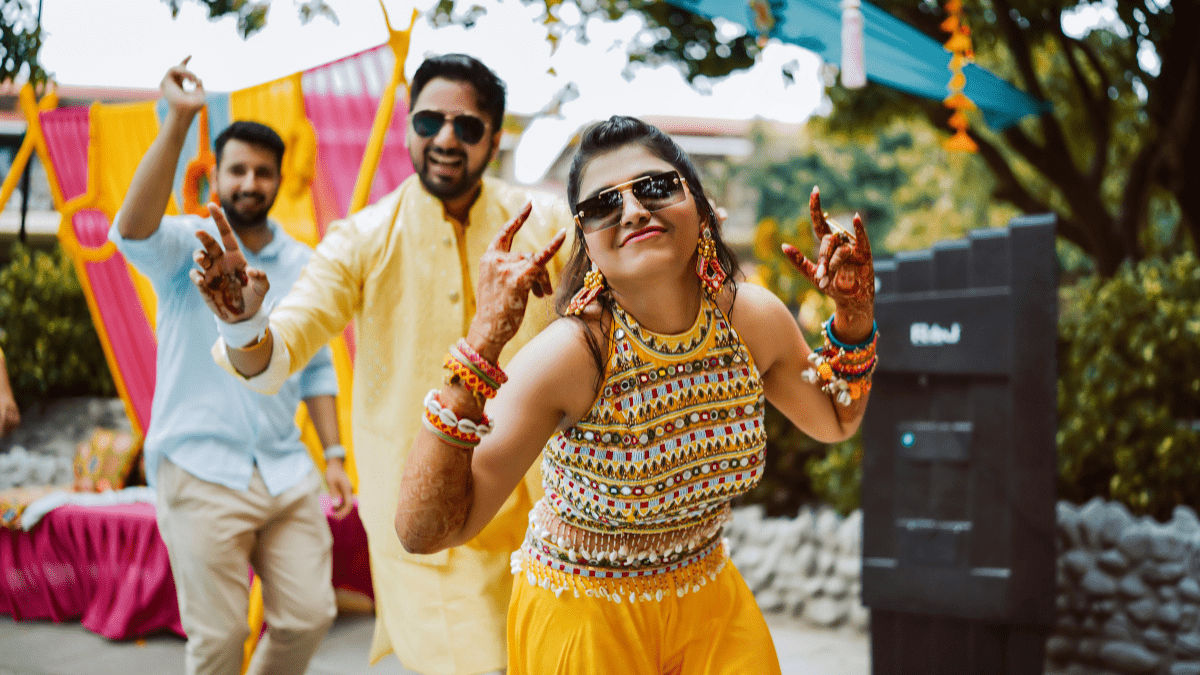
Amazing: This Is How Indians Celebrate Festivals Across The World
By WFY Bureau | Art & Culture | The WFY Magazine, December, 2025 edition
Across continents, from the quiet suburbs of Canada to the bustling streets of Singapore, Indians carry their festivals like living memories. They bring them across oceans, reshape them in new countries and pass them on to their children with the same affection that once filled the air in their hometowns. Festivals have become the strongest cultural link for the Indian diaspora, offering comfort, belonging and continuity in places that are otherwise unfamiliar.
This feature explores how Indians celebrate festivals across the world, how traditions evolve abroad and how a new global Indian culture has formed around these celebrations. It is a journey through colours, rhythms, rituals and communities that refuse to let distance dilute identity.
1. The Festival as a Cultural Anchor
India’s festivals have always been tied to the rhythm of seasons, crops, traditions and community life. When Indians migrate, they carry these rhythms with them. Festivals are more than celebrations. They become anchors that hold emotional memory in place.
In foreign lands, festivals serve three purposes:
• They preserve cultural identity
• They create community belonging
• They provide comfort during emotional distance
For Indians abroad, festivals become moments when the world feels familiar again.
2. Diwali: The Global Festival of Light
Diwali is the most widely celebrated Indian festival across the world. It has grown from a religious event into a cultural phenomenon. Cities like London, Melbourne, New York and Dubai host grand public celebrations that attract thousands of Indians as well as people from other communities.
How Diwali looks abroad
• Streets lit with colourful lights
• Community halls decorated with diyas
• Public fireworks in selected cities
• Cultural performances and dance shows
• Indian food stalls
• Craft booths for children
• Sweets shared with neighbours
The emotional significance
Indians abroad often describe Diwali as the time when they miss home the most. It reminds them of extended family gatherings, noisy neighbourhoods and rituals that were once taken for granted. Celebrating it abroad becomes an act of remembrance.
A global shift
In many cities, Diwali has become a mainstream event. Schools teach children about the festival. Offices allow cultural dress. Local governments support community events.
Diwali has truly gone global.
3. Holi: Colour, Freedom and a Festival Reinvented Abroad
Holi celebrations abroad have taken on a new life. Large parks, open grounds and cultural centres host events that bring thousands together. Powdered colours, music and food recreate the energy of Indian Holi without the chaos of narrow lanes.
Typical Holi abroad includes
• Music and dance
• Controlled colour zones
• Food stalls
• Family-friendly timings
• Safety and environmental guidelines
Why Holi resonates globally
Holi is inclusive. It is joyful. It crosses cultural boundaries. People from various backgrounds enjoy participating, making it one of the easiest Indian festivals to integrate into multicultural societies.
For the diaspora, it becomes a reminder of community spirit and shared joy.
4. Onam: Kerala’s Festival Finds a New Life Worldwide
Onam celebrations have travelled far beyond Kerala. In countries with large Malayali populations such as the Gulf, the UK, Canada and Australia, Onam is one of the most anticipated annual events.
Key elements recreated abroad
• Beautiful pookkalam designs
• Traditional games
• Cultural programmes
• Vallamkali screenings
• Elaborate Onam Sadhya meals
The diaspora innovation
Since availability of ingredients varies across countries, families blend tradition with adaptation. They replace certain vegetables or spices without compromising the spirit of the meal. This creativity reflects the resilience of tradition abroad.
5. Ganesh Chaturthi Across Continents
Ganesh Chaturthi has grown into a global celebration, especially in cities with strong Maharashtrian communities.
Features of diaspora celebrations
• Eco-friendly idols
• Processions inside community halls
• Collective aartis
• Cultural performances
• Fund-raising for local charities
• Workshops for children
In places where public processions are restricted, families collaborate to host smaller celebrations in homes or neighbourhood clubs. This has strengthened community bonds.
6. Durga Puja: A Cultural Universe Recreated Abroad
Durga Puja is one of the most elaborate festivals celebrated outside India. Bengali associations across Europe, America and Asia build pandals, organise rituals and recreate Kolkata’s festive atmosphere in impressive detail.
What makes global Durga Puja unique
• Detailed idols shipped or crafted locally
• Cultural evenings featuring music and dance
• Food counters serving traditional Bengali dishes
• New-generation volunteers managing the event
• Community-run exhibitions
Durga Puja abroad blends devotion with nostalgia. It becomes a window into cultural memory for younger generations.
7. Lohri, Baisakhi and North Indian Community Celebrations
In countries with Punjabi populations, these festivals bring together large gatherings marked by dance, music and food.
Diaspora celebrations often include
• Bonfires during Lohri
• Dhol performances
• Giddha and bhangra competitions
• Langar and community meals
• Local sports matches
Punjabi festivals abroad often mirror the energy of India, though adapted to local rules and spaces.
8. Christmas and New Year Through an Indian Lens
Indians carry their traditions into festivals that are not originally theirs. Christmas and New Year celebrations in the diaspora often include Indian food, cultural performances and family gatherings.
Typical Indian festive additions
• Fusion menus combining Indian and global dishes
• Bollywood music at parties
• Family-oriented celebrations
• Community events hosted by Indian groups
These adaptations show how festivals evolve when cultures blend.
9. Ramadan and Eid Among Indian Muslims Abroad
Indian Muslims have built strong cultural identities in countries such as the UAE, UK, USA and Malaysia. Ramadan and Eid celebrations blend Indian traditions with local ones.
Shared practices include
• Community iftars
• Family gatherings
• Charity initiatives
• Traditional Indian Eid dishes
• Cultural outreach programmes
These celebrations strengthen solidarity and cultural pride.
10. How Festivals Change When Carried Abroad
Indian festivals abroad evolve because of practical realities.
Key changes include
• Time restrictions
• Public-space limitations
• Cultural sensitivity
• Ingredient availability
• Multicultural participation
• Climate differences
For example:
• Holi colours must follow safety norms
• Diwali fireworks are limited in many countries
• Onam Sadhya may require ingredient substitutions
• Ganesh idols must be eco-friendly
Despite these changes, the spirit of the celebration remains intact.
11. The Rise of Fusion Festivals
One of the most interesting diaspora trends is the emergence of fusion festivals.
Examples
• Diwali with international food stalls
• Holi combined with live Western music
• Christmas dinners featuring Indian sweets
• Community gatherings blending Indian and local rituals
Fusion festivals represent a new cultural identity: not Indian, not foreign but a blend of both.
12. Children and the Future of Cultural Celebrations
The biggest challenge for diaspora families is passing on cultural traditions to children. Festivals play a key role in shaping identity.
Common diaspora practices include
• Storytelling sessions
• Cultural dress days
• Dance and music practices
• Language introduction through festival songs
• Community volunteering
• Involvement in rituals
Children abroad grow up with a multicultural lens. Indian festivals give them a sense of belonging and heritage.
13. Case Illustrations from Around the World
A British-Indian Diwali in London
A family decorates their home with handmade diyas and shares sweets with neighbours who have begun to recognise the festival over the years.
A Malayali Onam in Toronto
Families gather in community centres, share sadhya on banana leaves and recreate Kerala’s warmth despite snowy weather outside.
A Bengali Durga Puja in Singapore
The community collaborates for months to create pandals that mirror Kolkata artistry, attracting visitors from diverse backgrounds.
A Holi in Doha
Organised events allow colours, music and food while following local regulations. Families gather early morning to celebrate before the heat rises.
These stories capture the emotional depth behind diaspora celebrations.
14. Why Festivals Feel More Special Abroad
Indians abroad often feel that festivals carry deeper meaning overseas than they once did in India.
Reasons include
• Limited opportunities make celebrations more precious
• Emotional distance intensifies cultural longing
• Community events create belonging
• Families recreate memories intentionally
• Children experience festivals as identity markers
Festivals become moments of clarity, reminding migrants of where they come from.
15. The Future of Indian Festivals Abroad
As migration patterns evolve, so will cultural celebrations.
Expected trends
• Larger, more organised community events
• Greater involvement from local governments
• Increased fusion elements
• Stronger focus on sustainability
• Tech-supported celebrations for global participation
• Enhanced involvement of diaspora youth
Indian culture is no longer confined to India. It is global, dynamic and evolving.
Across the world, Indians celebrate festivals with a passion that defies distance. Their rituals carry memory, meaning and resilience. Each diya lit in a foreign land, each pookkalam created in a snowy city, each plate of sweets shared among new friends reflects the strength of cultural identity.
Indian festivals abroad are not imitations. They are reinventions. They are proof that culture travels, adapts and grows. For millions of Indians across continents, festivals remain a reminder that home is not only a place. It is a feeling.
Disclaimer: This article is intended for cultural awareness and global understanding. It does not represent religious instruction. Readers should follow local guidelines and personal practices according to their own beliefs and community traditions.