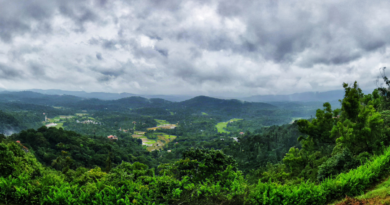

Travel Destinations Of The World: Hidden Now, Popular Tomorrow?
By Ritabhari Chatterjee, WFY Bureau | Travel & Leisure | The WFY Magazine, January 2026 Anniversary Edition
Summary
As overtourism strains cities and travellers grow weary of crowds, queues and curated experiences, a quieter shift is taking place in global travel. Increasingly, people are choosing lesser-known towns, remote regions and secondary destinations that offer space, authenticity and a slower rhythm of life. This article explores why these hidden corners of the world are gaining quiet popularity, how changing travel behaviour, sustainability concerns and post-pandemic sensibilities are reshaping destination choices, and what this emerging trend means for travellers, local communities and the future of tourism.
The great escape from crowds
For decades, global travel followed a predictable map. Paris, London, Rome, Dubai, New York, Bali. A small cluster of cities and landmarks absorbed an outsized share of the world’s curiosity. Guidebooks reinforced the same circuits, social media amplified them, and budget aviation stitched them together with ruthless efficiency. The result was prosperity for some destinations, but congestion, rising costs and cultural strain for others.
As the world enters 2026, that pattern is breaking down.
A growing number of travellers, including Indian diaspora communities with greater global mobility than ever before, are deliberately turning away from famous hotspots. They are seeking quieter corners, secondary cities, rural regions and overlooked countries that offer space, authenticity and slower rhythms. This is not a rejection of travel itself. It is a recalibration of what travel is meant to deliver.
The shift is subtle but measurable. Global tourism has recovered strongly since the pandemic years, yet growth is no longer concentrated only in traditional hubs. Smaller destinations are seeing steady, sometimes unexpected rises in arrivals. Airlines are opening routes to regional airports. Accommodation platforms report increasing demand for longer stays in less central locations. Governments are actively promoting dispersion to relieve pressure on saturated sites.
This article explores why less-crowded destinations are gaining quiet popularity, what the data reveal about this shift, and which hidden corners of the world are emerging as the new geography of travel for a thoughtful, globally connected audience.
Overtourism and the fatigue factor
At the heart of this movement lies fatigue.
Overtourism is no longer an abstract academic term. It is experienced viscerally. Long queues, inflated prices, strained infrastructure, restricted access and local resentment have altered the experience of travel in many iconic places. Visitors increasingly report feeling like spectators rather than participants, moving through environments designed to manage crowds rather than invite curiosity.
In Europe alone, cities such as Venice, Barcelona and Amsterdam have introduced restrictions, visitor caps and additional levies. Similar pressures are visible in parts of Southeast Asia, the Middle East and North America. While these measures are necessary, they also signal to travellers that the old model of unrestricted access has reached its limits.
For diaspora travellers who often combine leisure with family visits, business or extended stays, the appeal of crowded destinations diminishes quickly. Travel becomes stressful rather than restorative. The promise of discovery is replaced by logistics.
This fatigue is pushing travellers to ask different questions. Not where everyone goes, but where few go. Not what looks impressive on a screen, but what feels meaningful on the ground.
The rise of secondary cities
One of the clearest manifestations of this shift is the growing appeal of secondary cities.
Secondary cities are not obscure villages. They are functional urban centres with history, culture and infrastructure, but without the relentless spotlight. They often offer better value, easier navigation and more genuine interaction with local life.
In Europe, cities such as Porto, Bologna, Ljubljana and Ghent have seen increased interest as alternatives to more famous neighbours. In Asia, places like Da Nang, Chiang Mai, Galle and Hualien are gaining attention for similar reasons. In North America, travellers are looking beyond New York and Los Angeles to cities such as Pittsburgh, Asheville and Santa Fe.
Data from international tourism bodies indicate that while flagship cities continue to attract visitors, growth rates in secondary cities are often higher. Airlines have responded by expanding regional connectivity. Remote work trends have further encouraged longer stays in less pressured environments.
For Indian diaspora travellers, secondary cities offer an appealing balance. They provide cultural depth without overwhelming crowds, and are often well suited for extended visits that blend work, leisure and family time.
Remote regions and the rediscovery of distance
Beyond cities, remote regions are experiencing a quiet resurgence.
Highlands, islands, deserts and borderlands once considered too difficult or niche are now drawing a different kind of traveller. Improved infrastructure, digital connectivity and changing attitudes towards travel time have made remoteness less daunting.
In the Nordic countries, northern regions are attracting visitors year-round, not only for seasonal phenomena but for their calm landscapes and sustainable tourism models. In South America, regions away from capital cities are seeing gradual increases in international arrivals. Parts of Central Asia, Southern Africa and Eastern Europe are also emerging from relative obscurity.
This trend reflects a deeper cultural shift. Travel is no longer solely about ticking destinations off a list. It is increasingly about immersion, solitude and perspective. Remote regions offer precisely that.
For diaspora communities accustomed to transcontinental journeys, adding an extra leg to reach a quieter destination is less of a barrier than it once was. The journey itself becomes part of the experience rather than an inconvenience to be minimised.
Longer stays, fewer places
Another factor reshaping travel geography is the growing preference for longer stays.
Short, intensive trips built around major attractions are giving way to slower travel that prioritises depth over breadth. This trend is reinforced by flexible work arrangements, extended leave patterns and a reassessment of how people wish to spend time.
Longer stays favour destinations where daily life is manageable. Affordable housing, walkability, access to nature and local markets become more important than landmark density. Less-crowded destinations often meet these criteria more effectively than saturated centres.
Accommodation data suggest that bookings for stays of one month or longer are rising fastest in smaller towns and regional areas. Local economies benefit from steadier spending rather than seasonal spikes. Travellers benefit from reduced stress and richer experiences.
For Indian diaspora professionals balancing careers and personal lives across borders, this model aligns well with hybrid lifestyles. Travel becomes a temporary relocation rather than a compressed escape.
Cultural authenticity and the search for connection
Crowds do more than strain infrastructure. They dilute connection.
In highly touristic areas, interactions are often transactional. Menus are translated, performances scheduled, experiences curated for maximum throughput. While convenient, this environment limits genuine engagement.
Less-crowded destinations offer a different dynamic. Visitors are more visible, conversations are less rehearsed, and cultural exchanges unfold organically. Markets serve residents rather than tourists. Festivals retain local meaning. Daily routines remain intact.
For many travellers, particularly those with roots in multiple cultures, this authenticity matters deeply. It allows travel to become a dialogue rather than a spectacle.
Anthropologists and tourism researchers have long argued that meaningful cultural exchange requires time and scale that mass tourism struggles to provide. The current shift suggests that travellers are internalising this insight, even if they articulate it simply as a desire to avoid crowds.
Sustainability as a motivator
Environmental awareness is also influencing destination choices.
Overtourism concentrates environmental impact in fragile areas. Water shortages, waste management challenges and ecosystem degradation are common consequences. As awareness grows, some travellers are choosing destinations that actively manage visitor numbers or promote dispersion.
Less-crowded destinations often have more capacity to integrate tourism sustainably, especially when growth is gradual. Governments and local communities are increasingly positioning quiet regions as responsible alternatives to overloaded hotspots.
Sustainability, however, is not merely about environmental protection. It also encompasses social and economic balance. Spreading tourism benefits more evenly can reduce inequality between regions and support cultural preservation.
For diaspora travellers who often feel a responsibility to contribute positively to places they visit, these considerations carry weight.
Quiet popularity and the role of digital discovery
The popularity of hidden destinations is described as quiet for a reason. It is not driven by mass marketing or viral trends, but by incremental discovery.
Digital platforms play a paradoxical role. On one hand, social media can rapidly expose hidden places, triggering sudden influxes. On the other, algorithmic personalisation allows travellers to discover destinations aligned with specific interests rather than global trends.
Niche travel communities, long-form travel writing and independent research are influencing decisions more than generic lists. Travellers share detailed experiences rather than highlight reels. This favours places that reward attention and patience.
Indian diaspora travellers, often drawing on multilingual resources and transnational networks, are well positioned to benefit from this mode of discovery. Recommendations circulate within communities before reaching mainstream awareness.
Regions Gaining Quiet Attention
While the appeal of hidden corners is global, certain regions are emerging more clearly in current travel patterns. These destinations share a common trait: they reward time and patience rather than speed and spectacle.
Eastern Europe: Beyond the Familiar Circuits
Countries outside the traditional Western European loop are drawing travellers for their layered histories, walkable cities and relatively low visitor density. Smaller towns and rural regions offer cultural depth without the pressure of mass tourism.
Emerging destinations
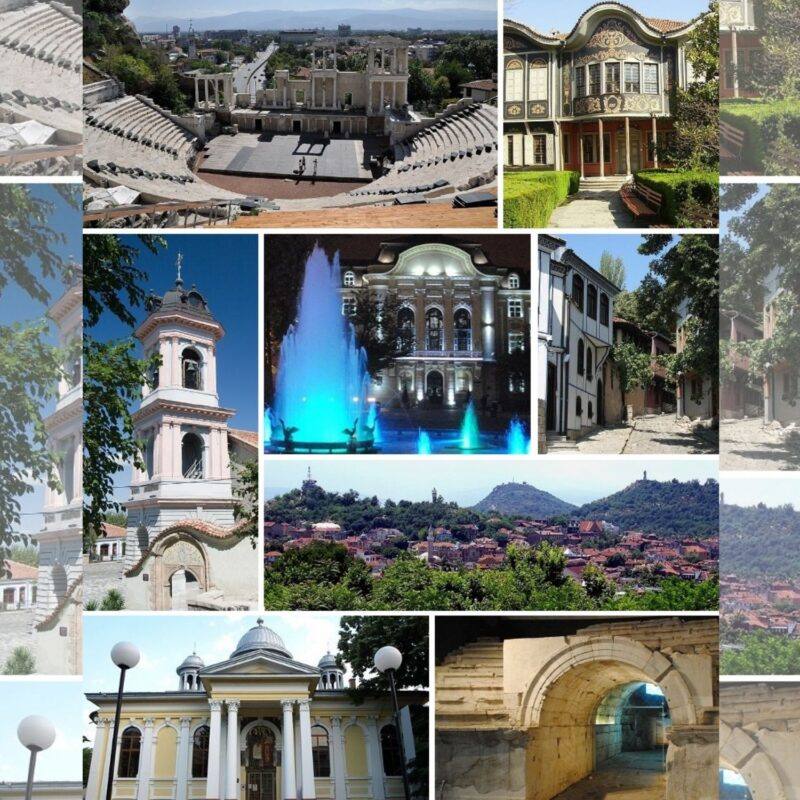
Plovdiv, Bulgaria – one of Europe’s oldest continuously inhabited cities, rich in Roman and Ottoman heritage. Recommended stay: 3–4 days
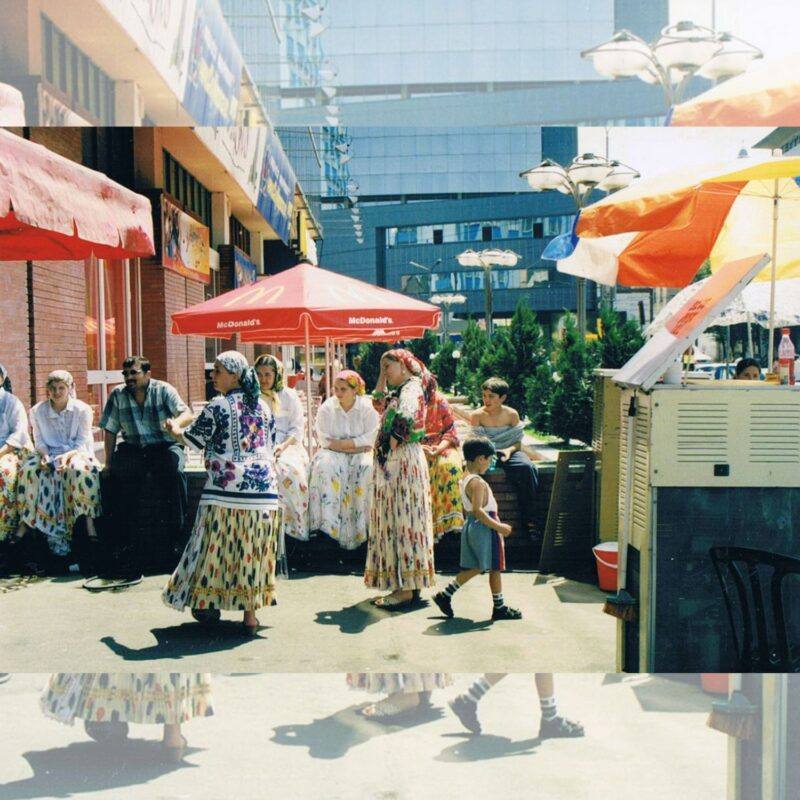
Cluj-Napoca, Romania – a cultural and academic hub in Transylvania with growing creative energy
Recommended stay: 3 days
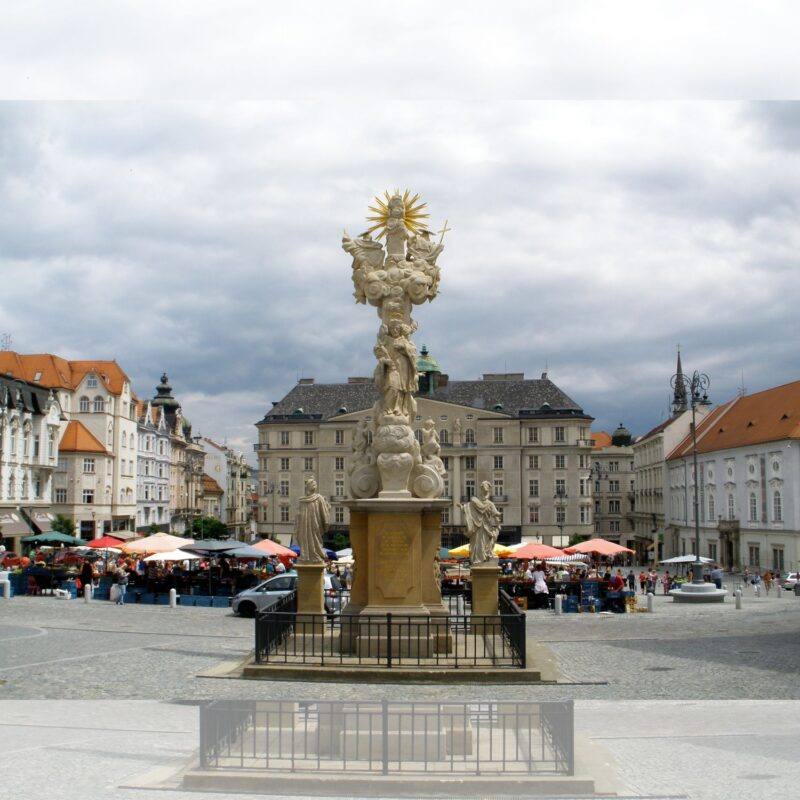
Brno, Czech Republic – a quieter alternative to Prague with modernist architecture and local food culture
Recommended stay: 2–3 days
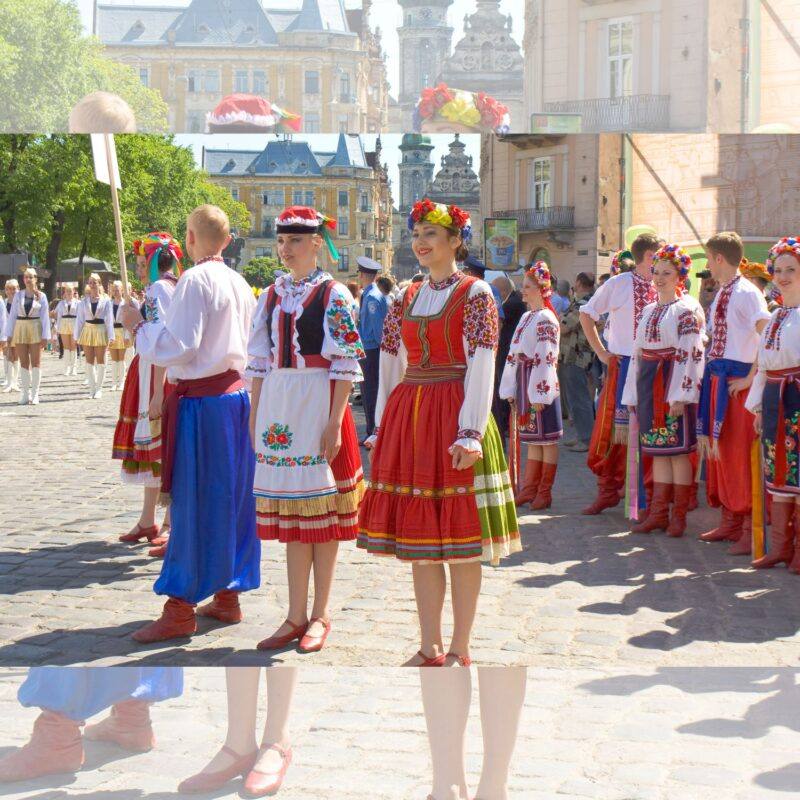
Lviv – historically significant and culturally resilient, when travel conditions permit
Recommended stay: 3–4 days
These destinations appeal to travellers interested in history, architecture and everyday European life rather than landmark-hopping.
The Caucasus and Central Asia: Long Overlooked, Slowly Opening
Improved air connectivity, simpler visa processes and growing regional stability have brought renewed interest to the Caucasus and parts of Central Asia. These regions offer dramatic landscapes and distinct cultural identities without the density seen in more established destinations.
Emerging destinations
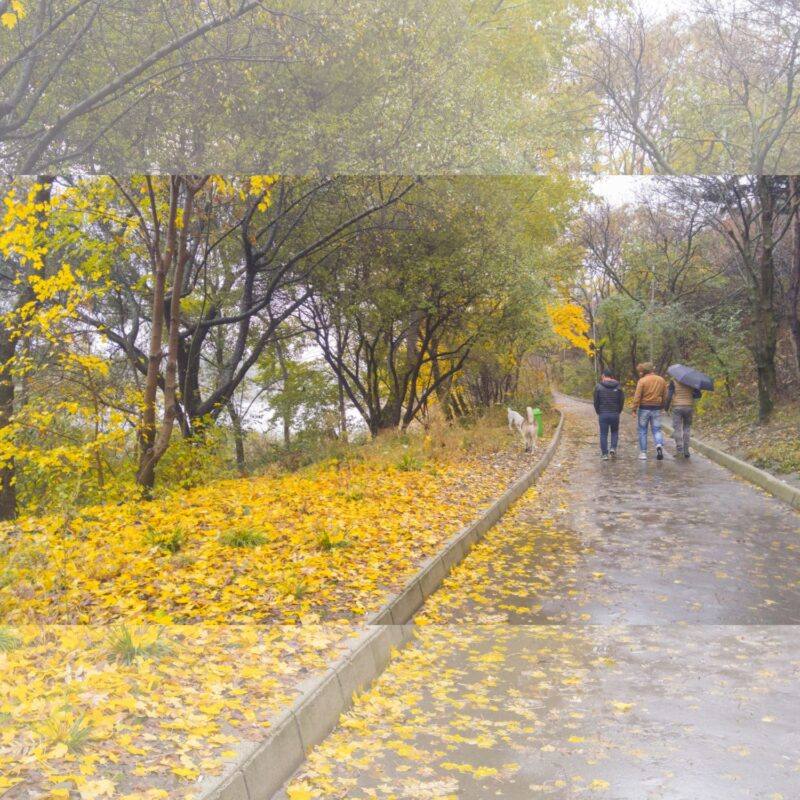
Tbilisi, Georgia – known for its old town, thermal baths and evolving food scene
Recommended stay: 4–5 days
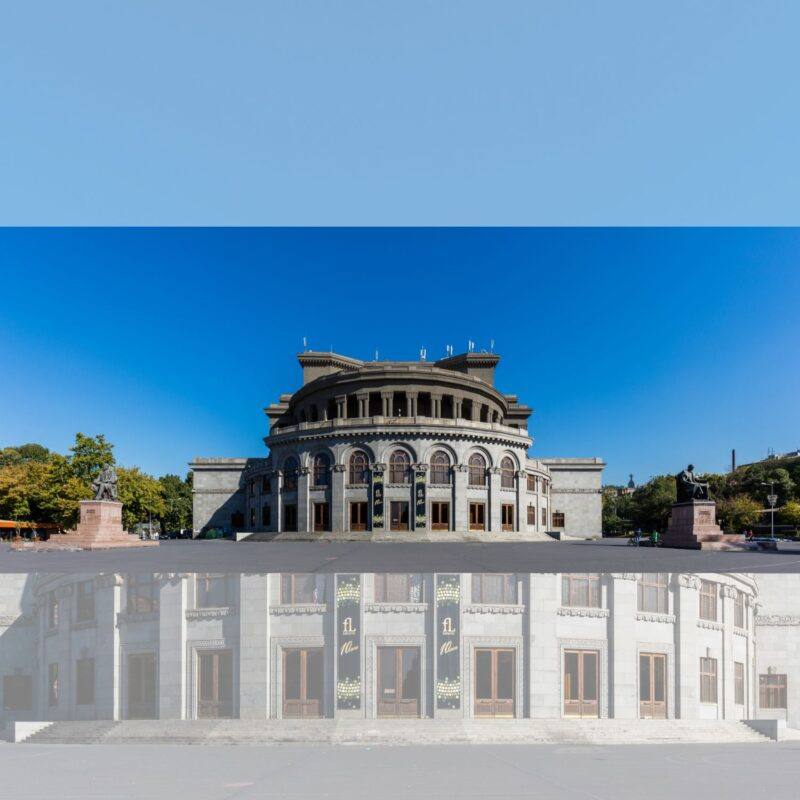
Yerevan, Armenia – a compact city offering deep history and access to surrounding monasteries
Recommended stay: 3–4 days
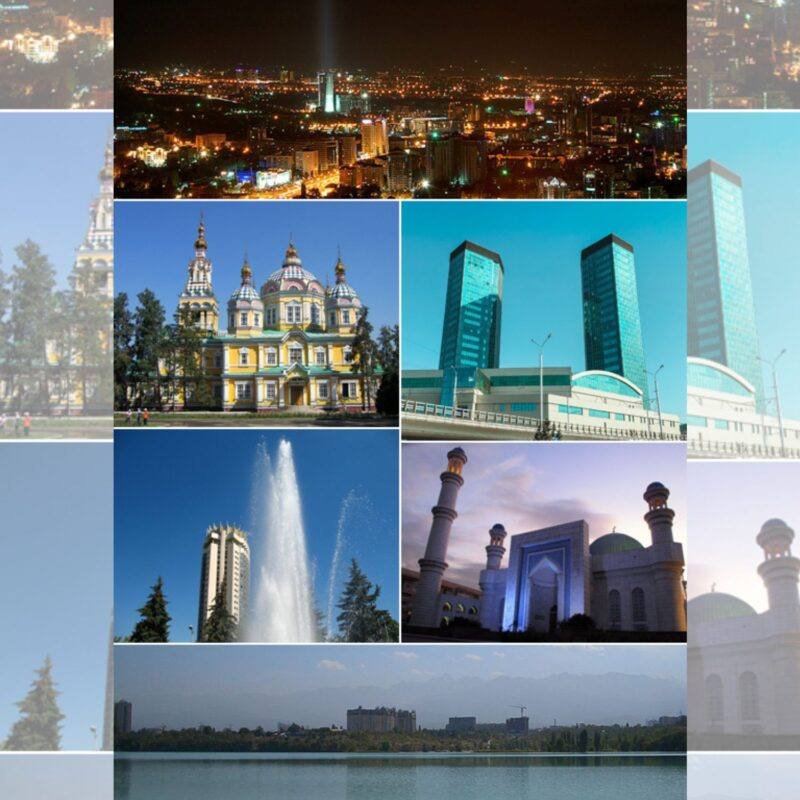
Almaty, Kazakhstan – a gateway to mountains, lakes and Soviet-era urban planning
Recommended stay: 4 days
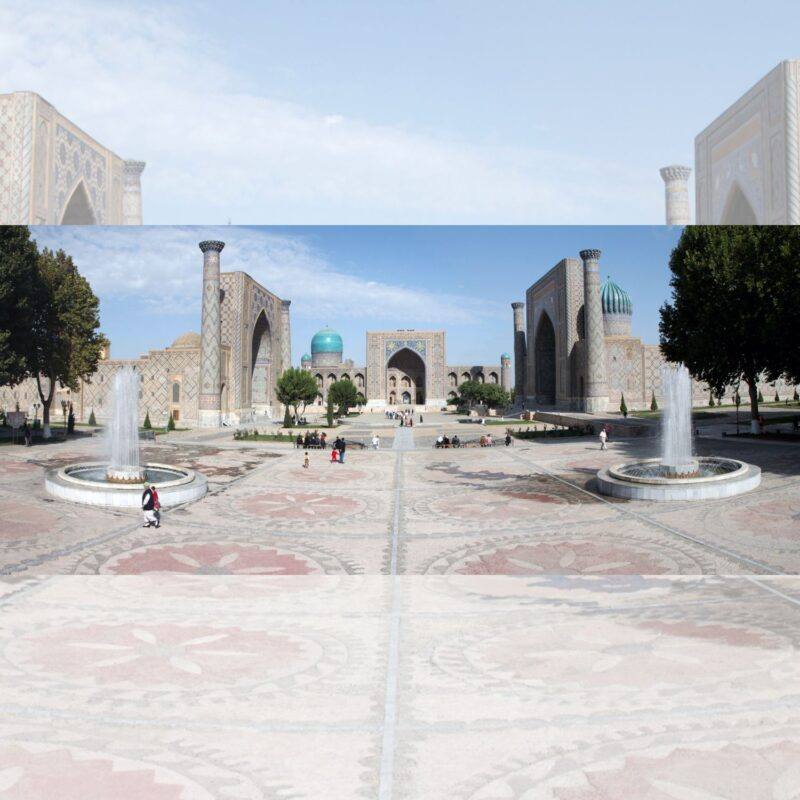
Samarkand, Uzbekistan – historic Silk Road architecture without the crowds seen in similar heritage cities
Recommended stay: 3 days
These are destinations best suited to slower itineraries and travellers open to cultural difference rather than familiarity.
Southern Africa Beyond Flagship Parks
Outside globally recognised safari zones, several Southern African regions are attracting travellers interested in community-based tourism, lesser-known wildlife corridors and quieter landscapes.
Emerging destinations

KwaZulu-Natal Midlands, South Africa – rolling countryside, craft villages and walking trails
Recommended stay: 4–5 days
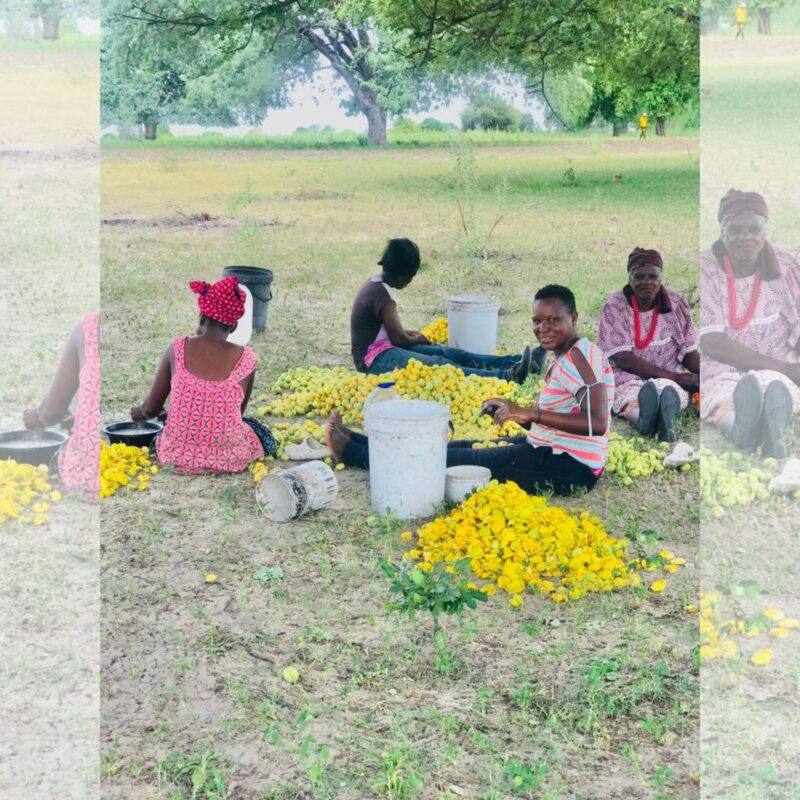
Northern Namibia – desert landscapes and conservation-led travel away from high-traffic reserves
Recommended stay: 5–6 days
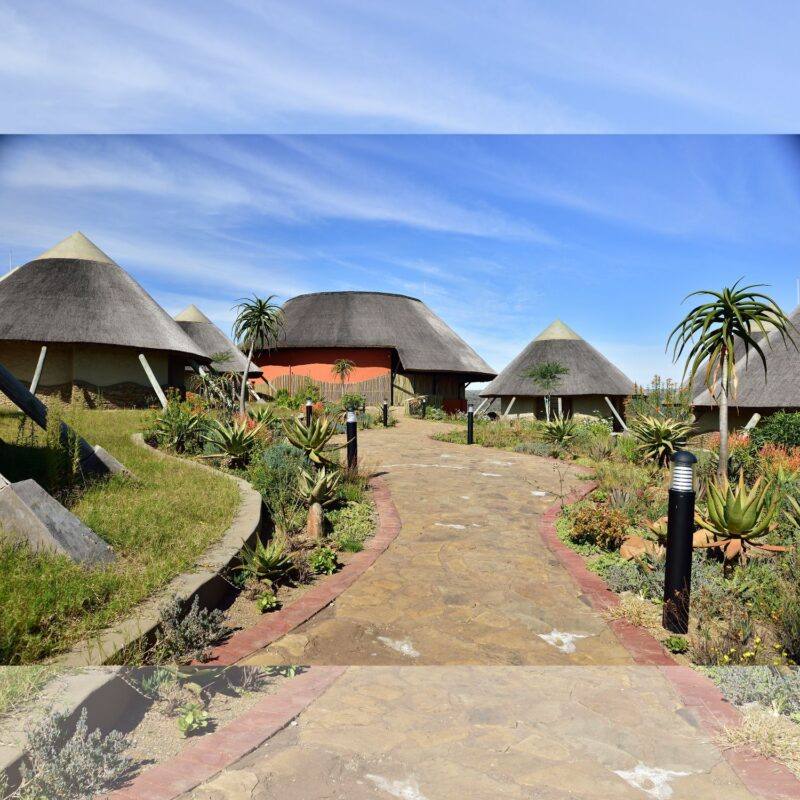
Eastern Cape, South Africa – quieter coastal towns and emerging wildlife experiences
Recommended stay: 4 days
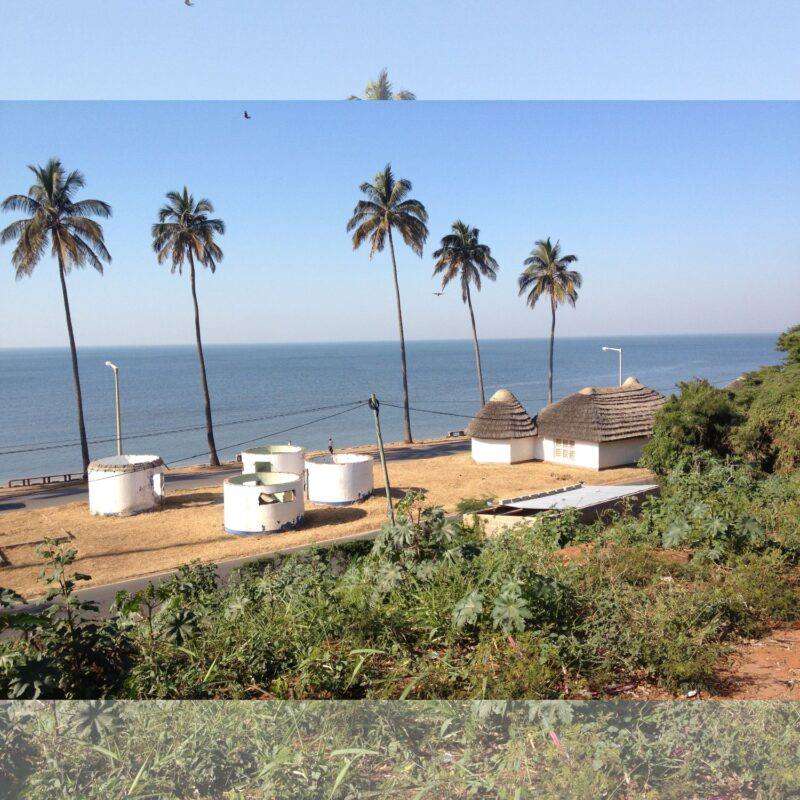
Maputo, Mozambique – a low-key coastal city with a strong cultural identity
Recommended stay: 3 days
These regions attract travellers seeking nature and space rather than luxury-driven safari tourism.
Latin America Beyond Capital Cities
Beyond headline destinations, secondary cities and interior regions across Latin America are gaining attention for cultural immersion, outdoor activity and affordability, without the congestion of major capitals.
Emerging destinations

Oaxaca, Mexico – known for indigenous culture, food traditions and surrounding villages
Recommended stay: 4–5 days
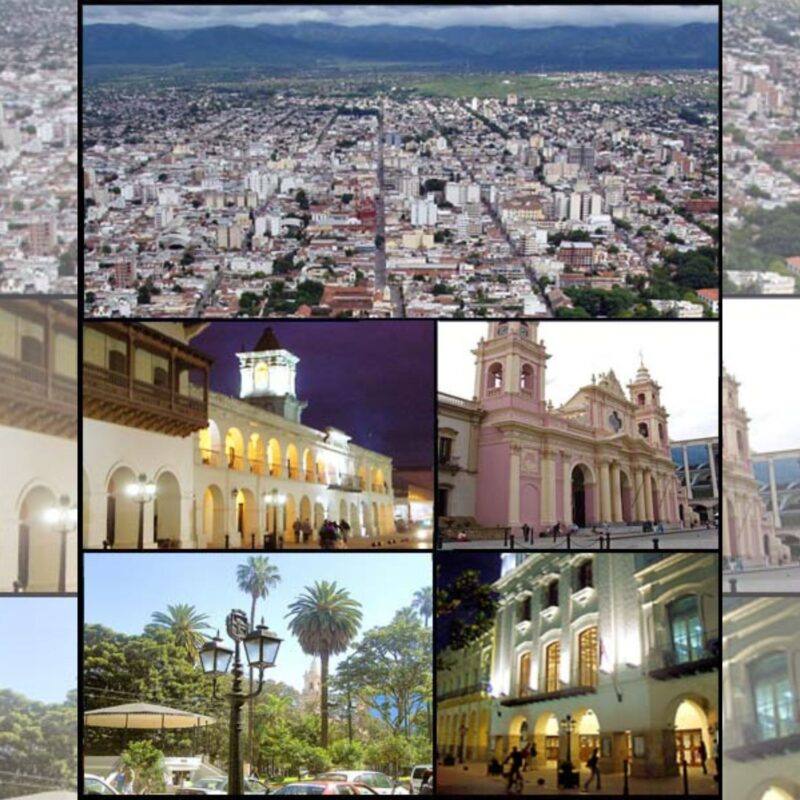
Salta, Argentina – a base for exploring the Andean northwest and desert landscapes
Recommended stay: 3–4 days
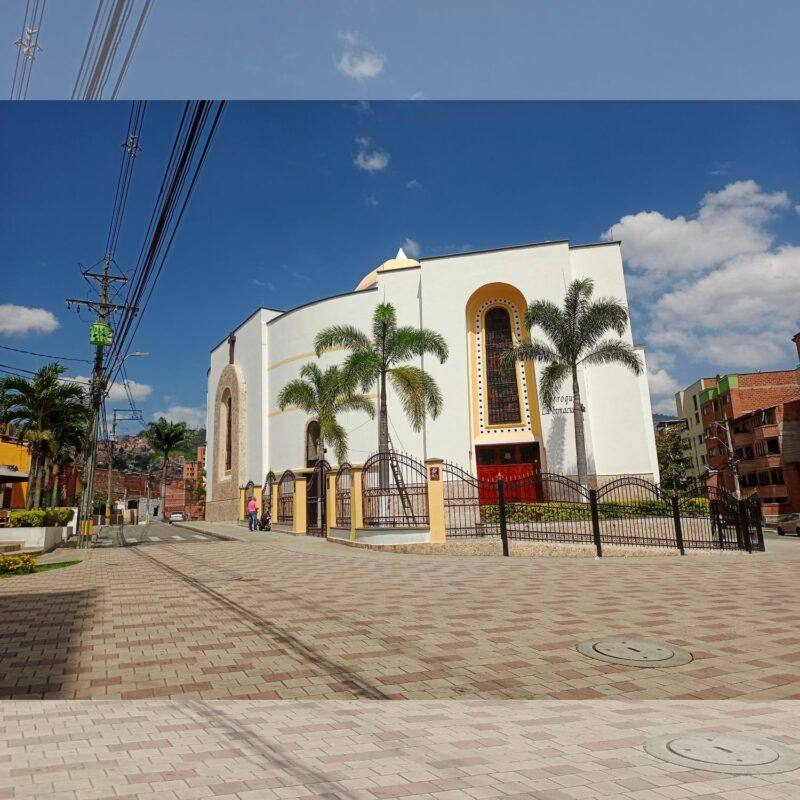
Medellín, Colombia – increasingly known for urban renewal and creative communities
Recommended stay: 4 days
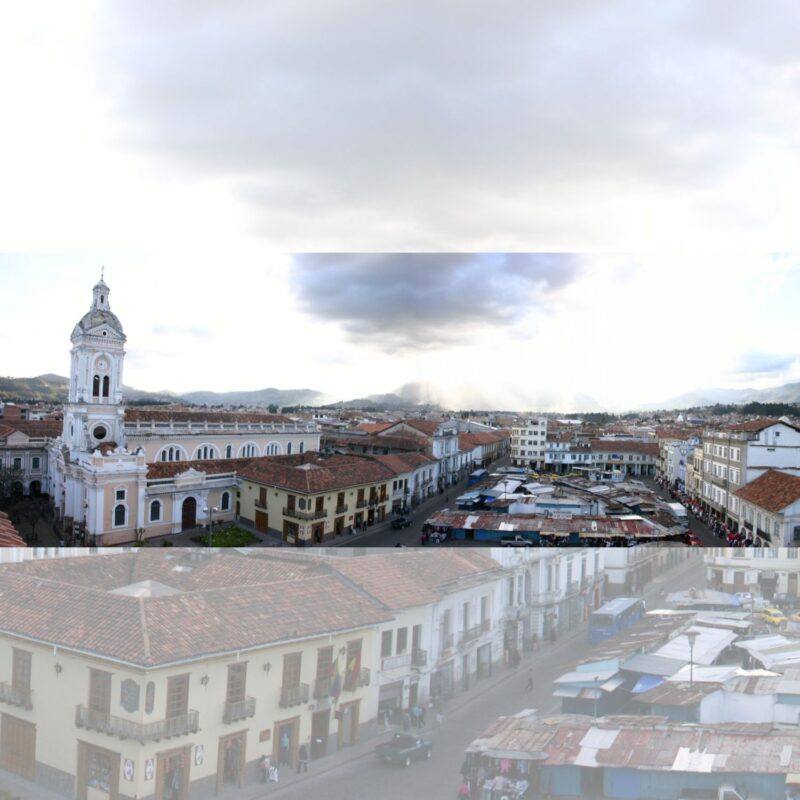
Cuenca, Ecuador – a walkable colonial city with strong local culture
Recommended stay: 3 days
These destinations favour travellers interested in learning, walking and engaging with local rhythms rather than rapid sightseeing.
East and Southeast Asia Beyond Capitals and Islands
As overtourism affects major Asian hubs, travellers are exploring inland regions, secondary cities and smaller coastal towns that balance infrastructure with calm.
Emerging destinations
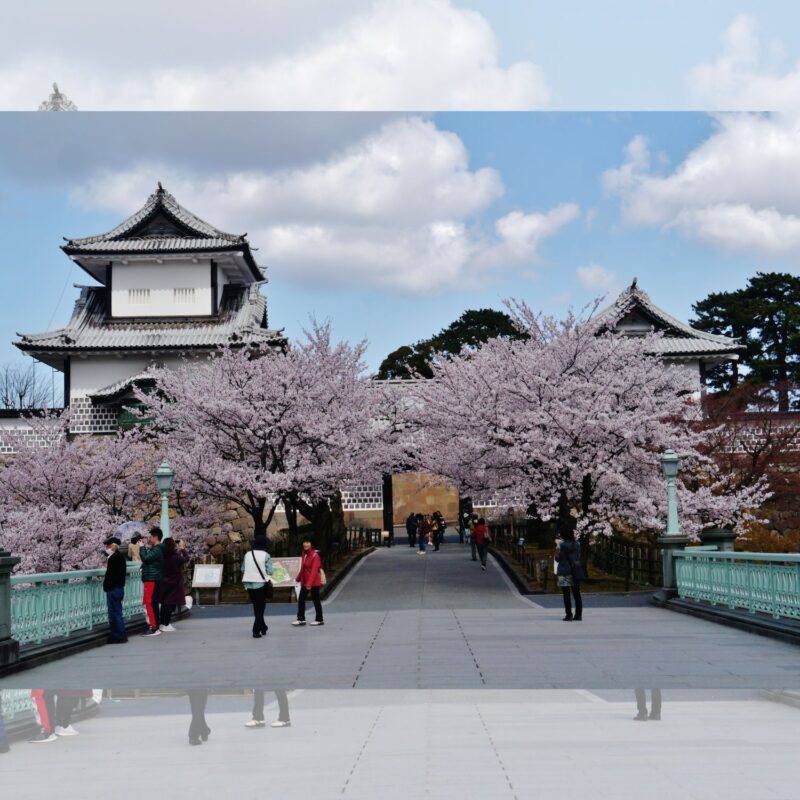
Kanazawa, Japan – traditional districts and crafts without Kyoto-level crowds
Recommended stay: 3 days
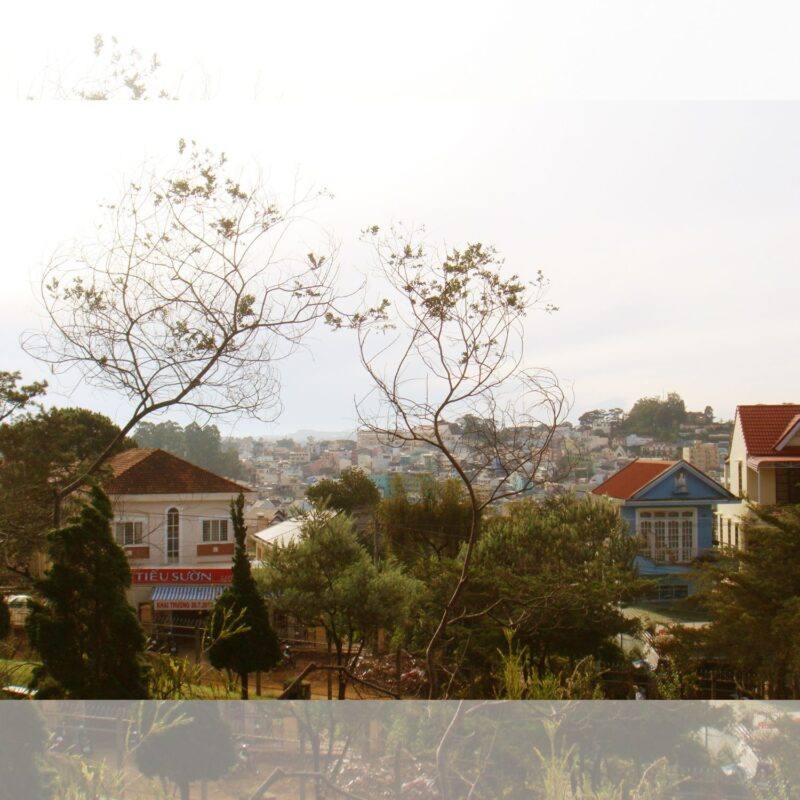
Da Lat, Vietnam – cooler climate, slower pace and colonial-era planning
Recommended stay: 3–4 days
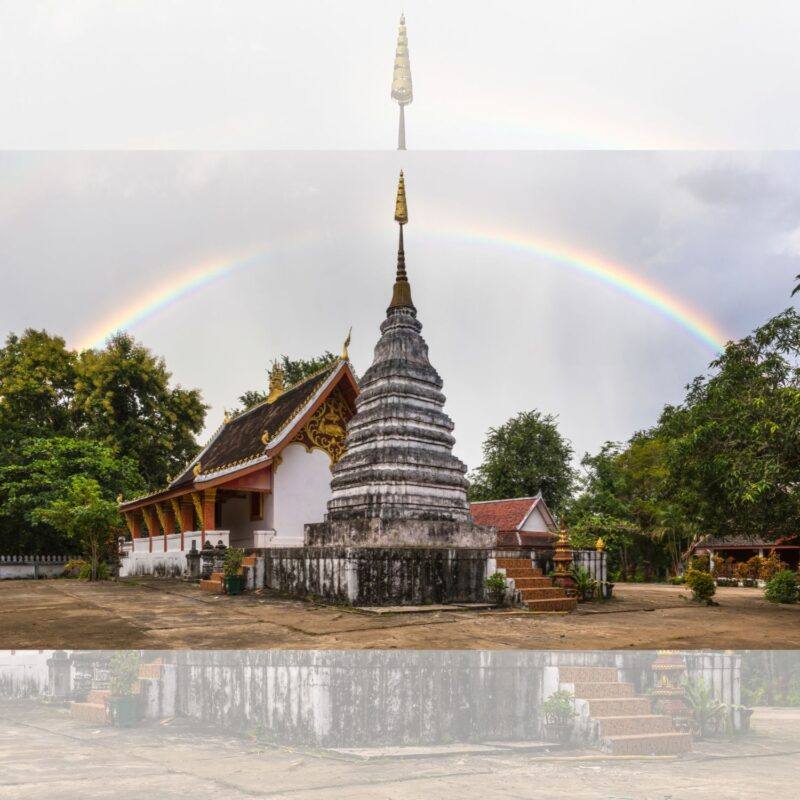
Luang Prabang, Laos – river landscapes and Buddhist heritage, still largely low-rise
Recommended stay: 3 days
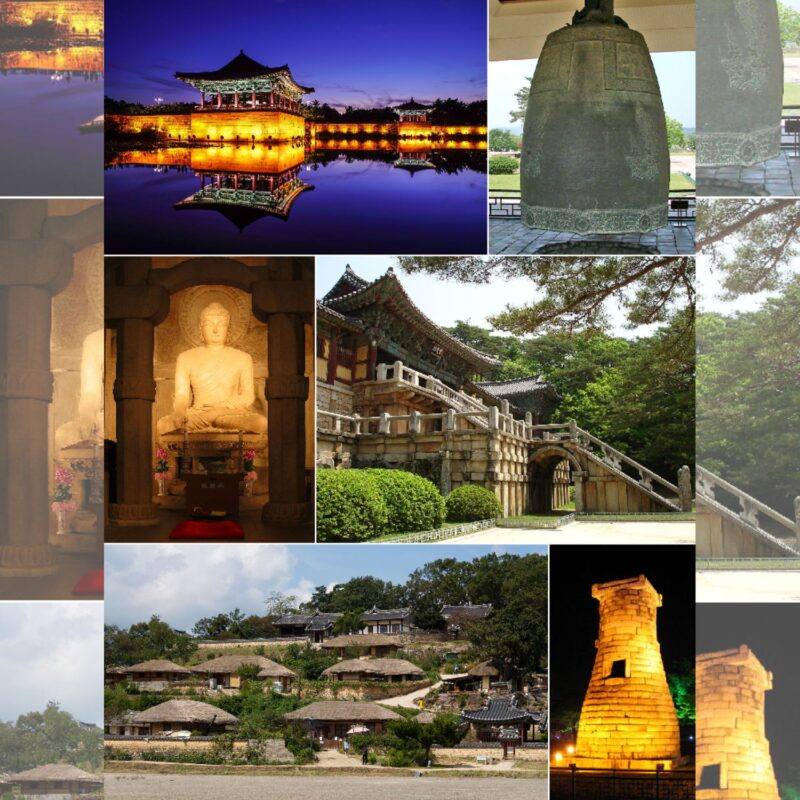
Gyeongju, South Korea – historic sites and natural surroundings away from Seoul’s pace
Recommended stay: 2–3 days
These destinations reward unhurried exploration and are well suited to travellers seeking calm without isolation.
A Note on Pace and Responsibility
These trends are neither uniform nor guaranteed. As destinations gain attention, pressures inevitably follow. The defining difference today is pace. Growth remains gradual, allowing communities time to adapt and travellers’ time to experience places without urgency.
For readers of The WFY, particularly those balancing work, family and global mobility, these quieter destinations offer something increasingly rare: the chance to travel without performing travel.
The Indian diaspora perspective
For Indian diaspora communities, the turn towards less-crowded destinations resonates on multiple levels.
Many diaspora travellers already navigate complexity. Visas, work commitments, family obligations and cultural transitions shape their travel decisions. The appeal of predictable tourist circuits is limited when travel time is precious and expectations are nuanced.
Less-crowded destinations offer flexibility. They are often easier to navigate, less expensive and more accommodating of varied travel styles. They support multigenerational travel, extended stays and blended purposes.
There is also an emotional dimension. Diaspora travel is frequently reflective. It involves identity, memory and belonging. Quiet destinations provide space for such reflection in ways crowded landmarks rarely do.
The risk of repeating history
The growing popularity of hidden corners raises an important question. Will these places eventually become the next crowded hotspots?
History suggests that unchecked popularity can overwhelm even the most remote destinations. However, there are reasons for cautious optimism.
First, travellers themselves are changing. Many who seek quiet destinations do so intentionally and are more sensitive to impact. Second, destinations have learned from others’ experiences and are adopting proactive management strategies. Third, diversification rather than concentration appears to be the prevailing policy direction.
The challenge lies in maintaining balance. Popularity need not mean saturation if growth is managed thoughtfully.
Rethinking what travel success looks like
Underlying the shift towards less-crowded destinations is a deeper redefinition of travel success.
Success is no longer measured solely by iconic photos or checklist completion. It is measured by ease, learning, rest and resonance. The value of travel is increasingly judged by how it feels during and after the journey, not by how it appears.
This reframing aligns with broader lifestyle changes. People are prioritising mental well-being, environmental responsibility and meaningful experiences across many domains. Travel is reflecting these priorities.
For publications like The WFY, which serve globally minded readers with complex lives, this shift offers fertile ground for exploration. Travel is no longer escapism alone. It is part of how individuals organise their time, identity and connection to the world.
The future map of travel
As 2026 begins, the map of global travel is being redrawn quietly.
Famous destinations will remain important. They carry history and symbolic weight that cannot be replaced. But they will increasingly share attention with a wider array of places that offer different kinds of value.
Hidden corners are not hidden because they lack substance. They are hidden because they demand curiosity rather than conformity. As travellers become more discerning, these places will continue to gain quiet popularity.
The challenge for the travel industry, policymakers and travellers themselves is to ensure that this popularity enhances rather than erodes what makes these destinations special.
In the end, the appeal of less-crowded destinations is not about avoidance. It is about intention. It reflects a desire to travel not faster or farther, but wiser.
Disclaimer: This article is intended for general informational and editorial purposes only. Travel conditions, accessibility, regulations and tourism impacts vary by destination and are subject to change. Readers are advised to conduct independent research and follow local guidelines when planning travel. All data and trends discussed are based on information available up to 31 December 2025.