
Why Beautiful Thailand Continues To Be The World’s Favourite Escape
Thailand has evolved far beyond its image as simply a tropical holiday destination.
Today, it stands as one of the world’s most successful tourism stories, attracting more than 35 million international visitors annually before the pandemic and rapidly rebuilding its position as one of Asia’s most visited destinations thereafter. For travellers from Europe, North America, Australia, the Middle East and increasingly from Indian diaspora communities spread across the globe, Thailand occupies a unique position in the international travel landscape: exotic without being intimidating, affordable without sacrificing quality, and accessible without losing its cultural identity.
For decades, countries have attempted to replicate Thailand’s tourism model. Few have succeeded.
The kingdom’s ability to combine natural beauty, efficient infrastructure, hospitality and value for money has created a tourism ecosystem that appeals equally to backpackers, luxury travellers, honeymooners, retirees, digital nomads and wellness seekers. It is this extraordinary versatility that explains why Thailand continues to remain one of the world’s favourite destinations despite increasing competition from newer markets across Asia and the Middle East.
A Geography Designed For Tourism
Few countries possess the geographical diversity that Thailand offers within relatively short travel distances. The bustling urban energy of Bangkok exists alongside the mountains and cultural heritage of the north, while the southern provinces provide access to some of Southeast Asia’s most celebrated beaches and islands.
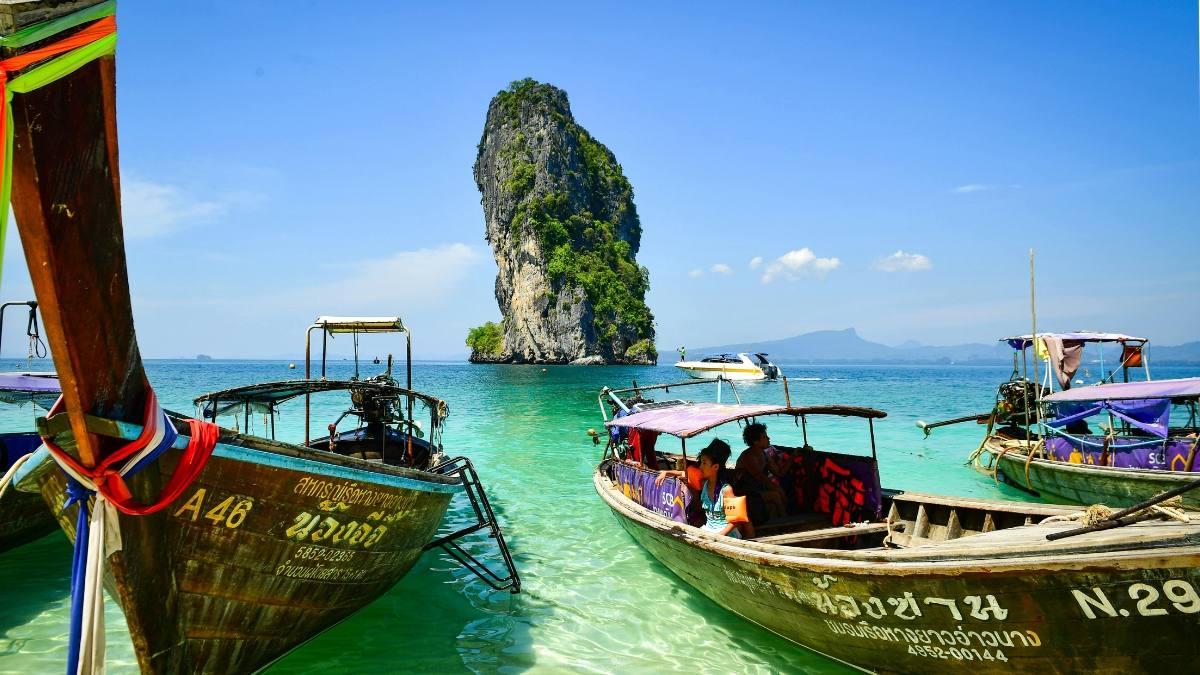
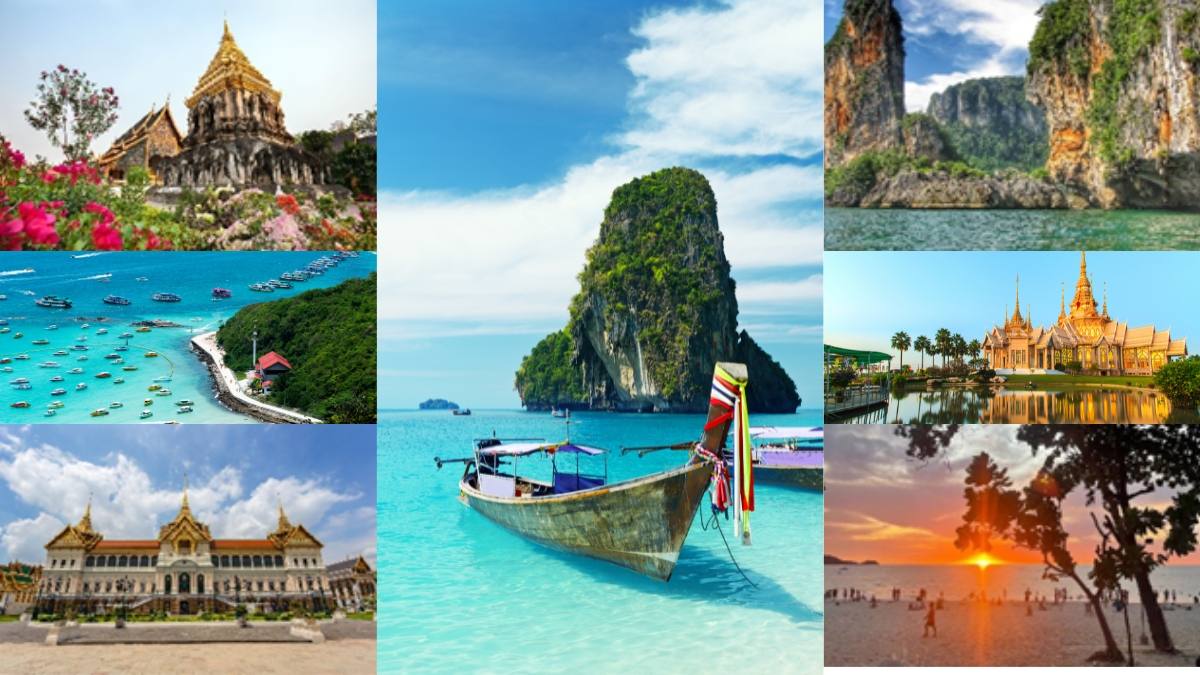
The limestone cliffs of Krabi, the turquoise waters surrounding Phuket and the quieter islands of Koh Samui and Koh Lanta continue to dominate international travel brochures for good reason. Thailand’s beaches offer an unusual combination of natural beauty and tourism infrastructure. Visitors can enjoy world-class resorts, efficient transport links and modern amenities while still experiencing landscapes that retain much of their original charm.
Unlike some destinations where overtourism has significantly damaged the visitor experience, Thailand has largely managed to balance accessibility with sustainability, although challenges remain in certain high-volume areas.
For many international travellers, particularly families and older visitors, this balance provides reassurance without sacrificing adventure.
Bangkok: Asia’s Great Gateway City
No discussion of Thailand can begin anywhere other than Bangkok.
The Thai capital has developed into one of Asia’s most important aviation and tourism hubs, connecting Europe, the Middle East, Australia and East Asia through one of the region’s busiest airport systems. For many travellers, Bangkok serves as both a destination and a gateway to the rest of Southeast Asia.
The city’s appeal lies partly in its contrasts. Ancient temples stand alongside skyscrapers, traditional markets operate in the shadows of luxury shopping malls and centuries-old food traditions coexist comfortably with modern gastronomy and global brands.
Visitors can spend mornings exploring historic landmarks and evenings enjoying rooftop restaurants overlooking one of Asia’s most dynamic skylines. This coexistence of old and new perhaps captures Thailand’s broader appeal more effectively than any marketing slogan ever could.
Culture That Remains Accessible
One of Thailand’s greatest tourism strengths is its ability to make culture approachable.
Many first-time travellers to Asia experience concerns regarding language barriers, unfamiliar customs or navigating complex social norms. Thailand has spent decades developing tourism infrastructure that reduces these anxieties without reducing cultural authenticity.
Temples remain active places of worship rather than museum exhibits. Traditional festivals continue to attract local participation alongside international visitors. Markets, crafts and culinary traditions remain embedded within everyday life rather than existing purely for tourism consumption.
This authenticity matters.
Travellers increasingly seek experiences rather than attractions, and Thailand offers opportunities to participate in local culture without feeling like an outsider observing from a distance.
The World’s Favourite Street Food Destination
If beaches attract visitors to Thailand, food often convinces them to return.
Thai cuisine has become one of the world’s most successful culinary exports, yet many travellers discover that eating in Thailand bears little resemblance to the international versions they encounter elsewhere.
Street food remains one of the country’s greatest cultural experiences. From late-night noodle stalls in Bangkok to seafood markets in coastal towns and mountain cuisine in northern provinces, food forms an essential part of daily life and social interaction.
Perhaps most importantly for international travellers, exceptional food remains remarkably affordable. A visitor can enjoy meals prepared with extraordinary skill and fresh ingredients for prices that would seem impossible in many Western cities. This accessibility allows travellers to experience culinary diversity without the financial pressures often associated with major tourism destinations.
Wellness Tourism Finds A Natural Home
Long before wellness tourism became a global industry, Thailand had already established itself as one of the world’s leading destinations for physical and mental rejuvenation. Traditional massage therapies, meditation retreats, holistic treatments and health resorts have attracted visitors seeking alternatives to conventional tourism experiences for decades.
The global wellness economy has grown dramatically in recent years, driven partly by changing attitudes towards stress, work-life balance and preventative health. Thailand has benefited enormously from this trend.
The country now offers experiences ranging from luxury spa retreats and detox programmes to yoga centres and mindfulness resorts that attract visitors from around the world. Importantly, these experiences are available across multiple price points, allowing wellness tourism to remain accessible to a broad range of travellers rather than becoming an exclusively luxury product.
Value Without Compromise
Affordability remains one of Thailand’s most important competitive advantages.
Accommodation options range from budget hostels and boutique guesthouses to internationally recognised luxury resorts, while food, transport and activities often remain significantly cheaper than equivalent experiences in Europe, North America or parts of the Middle East.
However, Thailand’s success has never depended solely upon low prices. Travellers increasingly expect quality alongside affordability, and Thailand has invested heavily in airports, roads, healthcare facilities and digital infrastructure that support international tourism. Reliable mobile connectivity, efficient domestic flights and extensive hospitality training programmes have all contributed to the country’s reputation for convenience and professionalism.
Value, rather than simply cost, remains Thailand’s greatest strength.
Connectivity In A Connected World
Modern tourism increasingly depends upon accessibility, and Thailand enjoys advantages that many competing destinations struggle to match.
Major international airlines connect Bangkok directly with cities across Europe, the Gulf, Australia and Asia, while an extensive domestic aviation network makes internal travel relatively straightforward. High-speed digital infrastructure has also made Thailand attractive to remote workers and digital nomads seeking long-term stays.
The emergence of flexible working arrangements has created a new category of traveller who combines employment with lifestyle choices, and Thailand has become one of the principal beneficiaries of this trend. Cities such as Bangkok, Chiang Mai and Phuket increasingly attract professionals who remain for months rather than days.
Why Thailand Continues To Matter
Tourism trends change quickly. Destinations rise and fall in popularity as travellers search for novelty and new experiences. Yet Thailand has demonstrated remarkable resilience across economic downturns, pandemics and shifting consumer preferences.
The explanation lies partly in geography and partly in infrastructure, but perhaps mostly in hospitality itself. The phrase “Land of Smiles” may have become a tourism cliché, but enduring clichés often survive because they contain some measure of truth. Hospitality remains deeply embedded within the country’s tourism identity, and visitors frequently cite warmth and friendliness among their strongest memories of travelling in Thailand.
For global travellers, Thailand offers something increasingly rare in modern tourism: familiarity without predictability and adventure without discomfort. That balance explains why millions continue to return.
And it explains why, despite growing competition from emerging destinations across Asia, Thailand remains not merely one of the world’s most popular travel destinations but one of its most enduring success stories.
Disclaimer: The views, opinions and interpretations expressed in articles published in WFY – World For You are those of the respective authors and contributors and do not necessarily reflect the official position of the Editor, Editorial Board, publishers or affiliated organisations. Every effort is made to ensure the accuracy and reliability of information at the time of publication. However, facts, figures, laws, regulations, policies, scientific understanding and global developments may change over time. Readers are advised to independently verify information and seek appropriate professional advice before making decisions relating to health, finance, legal matters, immigration, education, investments or any other specialised subject. Articles published in WFY – World For You are intended for general information, discussion and educational purposes only and should not be construed as professional, medical, legal, financial or other expert advice. References to organisations, institutions, products, services or individuals are made solely for editorial, informational or illustrative purposes and do not constitute endorsement or recommendation unless explicitly stated. All rights to original content remain with their respective authors and contributors unless otherwise specified. Unauthorised reproduction, distribution or republication of material published in WFY – World For You without prior written permission is prohibited. © 2026 WFY – World For You. All Rights Reserved.