
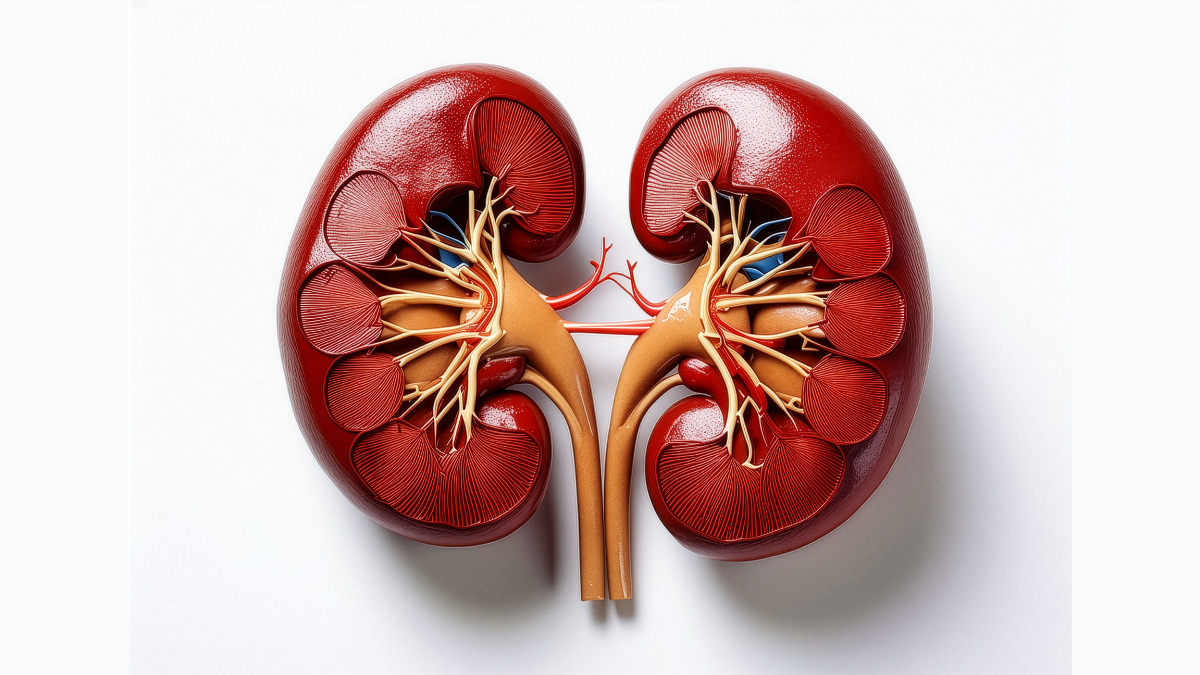
Kidney Health: Important Morning Habits You Need To Know
HEALTH & WELLNESS
THE MORNING HABITS THAT MAY BE PUTTING YOUR KIDNEYS AT RISK
The kidneys work continuously to filter waste, regulate fluid and electrolytes, help control blood pressure and perform several other functions essential to health. Yet kidney disease can develop quietly, often without obvious symptoms in its early stages. This has encouraged considerable online advice about supposedly “kidney-damaging” morning habits, but some popular claims are more scientifically convincing than others. Hydration matters, particularly when the body is losing fluid. Frequent or inappropriate use of certain painkillers can pose a genuine kidney risk, especially in susceptible people. Regularly delaying urination can create urinary problems, although occasionally waiting to use a toilet is not equivalent to damaging the kidneys. Meanwhile, claims that everyone must drink water immediately after waking or that skipping breakfast directly harms healthy kidneys require greater nuance. This article examines five frequently discussed morning habits, separates reasonable kidney-health advice from exaggeration, and looks at the everyday factors that matter far more for protecting kidney function over a lifetime.
YOUR KIDNEYS HAVE ALREADY BEEN WORKING WHILE YOU SLEEP
For many people, mornings begin almost automatically. The alarm sounds, the kettle goes on, coffee or tea follows, breakfast may be hurried or skipped, medication is swallowed, and exercise or the journey to work begins. Few people stop to consider their kidneys during this routine.
Yet the kidneys have been active throughout the night. These two relatively small organs continually filter the blood, remove metabolic waste, regulate the body’s balance of water and electrolytes, contribute to blood-pressure regulation, support red blood cell production through hormonal signalling and help maintain the body’s acid-base balance.
Kidney health deserves far more attention than it generally receives. Chronic kidney disease, or CKD, is a major and growing global health problem, with hundreds of millions of people estimated to be affected worldwide. The condition is particularly concerning because early kidney disease often produces no obvious symptoms. A person can lose significant kidney function before realising anything is wrong.
This makes prevention important, but it also creates fertile ground for oversimplified health advice. Online discussions increasingly identify particular foods, drinks and routines as either “kidney-saving” or “kidney-damaging”. Morning habits have become part of this trend.
The reality is more interesting. Some morning behaviours genuinely can affect kidney health, particularly when repeated or combined with existing medical risks. Others are sensible general-health habits that have been promoted as kidney rules without strong evidence that the morning timing itself is important.
Understanding the difference is more useful than simply following another wellness checklist.
1. NOT DRINKING WATER IMMEDIATELY AFTER WAKING: IS IT REALLY HARMFUL?
The advice to drink a glass of water immediately after waking is widespread. There is nothing inherently wrong with it. After several hours without drinking, many people are thirsty, and water is an excellent way to replace fluid.
But the stronger claim that healthy kidneys require everyone to drink water before coffee or tea is difficult to justify as a universal medical rule.
Kidneys regulate water remarkably effectively. Healthy adults do not ordinarily develop kidney damage simply because they drink their first glass of water later in the morning. Coffee and tea also contribute fluid, although caffeine can have a mild diuretic effect, particularly in people who are not accustomed to it.
What genuinely matters is overall hydration in relation to the body’s needs.
Fluid requirements vary considerably. Climate, physical activity, body size, diet, pregnancy, illness, medications and health conditions can all change how much fluid somebody requires. A person exercising outdoors in hot and humid conditions may need considerably more water than someone spending the day in an air-conditioned office.
Dehydration becomes more medically relevant when fluid losses are substantial or prolonged. Vomiting, diarrhoea, fever, heavy sweating, extreme heat and strenuous exercise can reduce circulating blood volume and, in severe cases, contribute to acute kidney injury.
The practical message is therefore straightforward. Drinking water after waking can be a healthy habit, especially for people who tend to forget fluids later in the day, but the kidneys do not operate according to a rule that water must enter the body before the morning coffee.
Hydration is important. The clock is much less important.
There is another qualification. More water is not always better. People with certain kidney, heart or liver conditions may be advised to restrict fluid. Excessive water consumption can also disturb the body’s sodium balance. Someone with a diagnosed medical condition should therefore follow individual medical guidance rather than generic instructions to drink large quantities of water.
2. REGULARLY HOLDING URINE: WHEN DELAY BECOMES A HABIT
Many people postpone going to the toilet. A long commute, an important meeting, a classroom, a busy hospital shift or simply reluctance to get out of bed can make delaying urination convenient.
Occasionally holding urine for a reasonable period is something most healthy adults can tolerate. It does not mean that kidney damage is occurring every time someone waits before using a toilet.
Repeatedly and excessively delaying urination, however, is a different matter.
The bladder is designed to store urine temporarily, but chronically ignoring the urge to urinate can contribute to bladder dysfunction in some people. In particular circumstances, incomplete emptying or urinary retention can increase the risk of urinary tract problems. Severe urinary retention can create pressure within the urinary system and, if persistent and untreated, potentially affect the upper urinary tract and kidneys.
This is particularly relevant for people who already have difficulty emptying the bladder because of an enlarged prostate, neurological disease, urinary obstruction, pelvic-floor dysfunction or certain medications.
The important distinction is between an ordinary delay and chronic urinary retention. Waking with a full bladder after sleeping through the night is normal physiology for many people. There is no need for a healthy person to panic if the bathroom visit does not occur the instant their eyes open.
Persistent difficulty urinating, a weak urinary stream, pain, repeated urinary infections, blood in the urine, a feeling that the bladder has not emptied, or inability to urinate despite a strong urge deserves medical attention.
The healthier habit is therefore not to become anxious about the bladder clock, but to avoid routinely ignoring the body’s signals for unnecessarily long periods.
3. CASUAL PAINKILLER USE CAN BE A GENUINE KIDNEY CONCERN
Among the five commonly discussed habits, medication use deserves particular attention.
Non-steroidal anti-inflammatory drugs, commonly known as NSAIDs, include widely used medicines taken for pain, inflammation, headaches, muscular injuries, arthritis and menstrual discomfort. These medicines can be extremely useful when appropriately taken, but they are not harmless simply because some are available without prescription.
NSAIDs can reduce the production of substances involved in maintaining blood flow through the kidneys. In most healthy people taking appropriate doses for short periods, this may not cause a problem. Risk increases, however, with excessive or prolonged use and in people whose kidneys are already vulnerable.
Dehydration can make the situation more concerning. Someone who has been vomiting, has severe diarrhoea, is exercising intensely in the heat or is otherwise volume-depleted may already have reduced blood flow to the kidneys. Adding certain medications can increase the risk of acute kidney injury.
People with chronic kidney disease, heart failure, high blood pressure, diabetes or advanced age may also require greater caution, as may those taking particular combinations of prescription medicines.
One point in popular advice needs correction. Taking an NSAID on an empty stomach is particularly relevant to gastrointestinal irritation and bleeding risk, but the principal kidney concern is not simply whether breakfast has been eaten. Kidney risk depends much more on the drug, dose, duration, hydration status, existing kidney function and other health conditions or medications.
This is an important example of why health information needs precision. “Never take painkillers before breakfast because they damage the kidneys” is memorable, but it is not an adequate explanation of the actual risk.
The safer principle is to avoid casual, excessive or prolonged use of pain medication and to seek professional advice when painkillers are needed frequently.
4. MORNING EXERCISE IS HEALTHY, BUT FLUID LOSS STILL MATTERS
Morning exercise can be an excellent habit. Regular physical activity helps control body weight, blood pressure and blood glucose, all of which are relevant to long-term kidney health.
The potential problem is not exercise itself but failing to account for substantial fluid loss.
During physical activity, particularly strenuous exercise in warm conditions, the body loses water and electrolytes through sweat. If those losses are not adequately replaced, dehydration can develop. Severe dehydration reduces blood flow to the kidneys and can contribute to acute kidney injury.
For most ordinary workouts, hydration does not need to become complicated. Drinking according to thirst and ensuring adequate fluid intake before and after activity is sufficient for many healthy people. Longer, more strenuous sessions, especially in hot climates, may require greater attention to fluid and electrolyte replacement.
There is also a rare but serious exercise-related kidney risk worth understanding. Extremely intense physical exertion can sometimes cause severe muscle breakdown, known as rhabdomyolysis. Damaged muscle cells release substances into the bloodstream that can injure the kidneys. Warning signs can include severe muscle pain or weakness and unusually dark urine following extreme exertion.
This should not discourage exercise. Quite the opposite. Physical inactivity contributes indirectly to several major causes of chronic kidney disease, including obesity, hypertension and type 2 diabetes.
The lesson is simply that exercise should be accompanied by sensible recovery. For someone who finishes a demanding morning workout soaked in sweat and then rushes directly into the working day without replacing fluids, rehydration is a reasonable priority.
5. DOES SKIPPING BREAKFAST REALLY DAMAGE THE KIDNEYS?
This is perhaps the most interesting of the five claims because the answer requires considerably more nuance than a simple yes or no.
Breakfast is often described as essential for health, while intermittent fasting and time-restricted eating have made skipping breakfast increasingly common. From a kidney perspective, the evidence does not support declaring that missing breakfast occasionally directly damages otherwise healthy kidneys.
Observational studies have found associations between habitual breakfast skipping and chronic kidney disease or progression of existing kidney disease in some populations. However, an association does not establish that skipping breakfast itself caused the kidney problem.
People who routinely skip breakfast may differ in many other ways. They may have different working patterns, sleep habits, overall diets, body weight, metabolic health or meal timing. These factors can complicate interpretation.
The quality of the entire diet matters far more than whether everybody eats at a particular hour.
A person who skips breakfast but later consumes a balanced diet is not necessarily placing the kidneys in danger. Conversely, someone who eats breakfast every morning but consumes excessive salt, large quantities of ultra-processed foods and an overall poor-quality diet cannot assume the kidneys are protected because breakfast was eaten.
There may nevertheless be indirect reasons why breakfast habits matter. If skipping breakfast consistently leads someone to become extremely hungry and then choose highly processed, salty foods later in the day, the resulting dietary pattern could contribute to high blood pressure and poor metabolic health. Those conditions, rather than the missing breakfast itself, are well-established threats to kidney function.
The better question is therefore not simply, “Do you eat breakfast?” It is, “What does your overall pattern of eating do to your blood pressure, blood glucose, weight and cardiovascular health?”
THE BIGGER KIDNEY RISKS MAY NOT BE IN YOUR MORNING ROUTINE
The fascination with small daily habits can distract from the factors that account for much of the serious burden of kidney disease.
Diabetes and high blood pressure are among the major causes and risk factors for chronic kidney disease. Both can damage the small blood vessels and filtering structures within the kidneys over time.
This matters enormously because hypertension is frequently silent. A person can feel perfectly well while high blood pressure gradually damages blood vessels in the kidneys, heart and brain. Type 2 diabetes can likewise remain undiagnosed for years while elevated blood glucose contributes to vascular and organ damage.
Smoking, obesity, cardiovascular disease, some infections, genetic disorders, certain medicines and toxins can also contribute to kidney disease. Acute kidney injury itself can increase the later risk of chronic kidney disease.
For long-term kidney protection, therefore, knowing your blood pressure and, when appropriate, your blood glucose and kidney function may be far more consequential than worrying about whether the first drink of the day was water or tea.
KIDNEY DISEASE CAN BE SILENT
One of the most dangerous assumptions is that kidney disease will announce itself through pain.
The kidneys can lose function without causing obvious symptoms, particularly during the earlier stages of chronic kidney disease. By the time fatigue, swelling, nausea, itching, breathlessness or other noticeable symptoms develop, disease may already be advanced.
Kidney function can be assessed with relatively simple tests. A blood test measuring creatinine can be used to estimate the glomerular filtration rate, commonly abbreviated to eGFR, while a urine test can detect abnormal albumin leakage. These measurements help identify kidney damage that might otherwise remain unnoticed.
Routine kidney screening is not necessarily required for every healthy young person. It becomes particularly important for people at increased risk, including those with diabetes, hypertension, cardiovascular disease, known kidney abnormalities or a relevant family history.
Early detection matters because progression can often be slowed through appropriate management of the underlying condition, blood-pressure control, diabetes treatment, medication and lifestyle measures.
SALT MAY MATTER MORE THAN THE MORNING GLASS OF WATER
If there is one dietary issue that deserves more attention in discussions of kidney health, it is excessive sodium intake.
A high-salt diet can contribute to elevated blood pressure, and hypertension is a major cause of kidney damage. Much of the sodium people consume does not necessarily come from the salt shaker. Packaged snacks, processed meats, instant foods, sauces, restaurant meals and many convenience foods can contain substantial quantities.
This creates an important contrast with popular kidney-health advice. Someone may faithfully drink water every morning while consuming a diet consistently high in sodium and leaving hypertension untreated. The morning water ritual may feel healthy, but it cannot compensate for the larger risk.
Kidney protection works best when viewed as part of cardiovascular and metabolic health rather than as a collection of isolated kidney “hacks”.
A balanced diet, sensible salt intake, regular physical activity, healthy body weight, avoidance of tobacco, appropriate medication use and good control of blood pressure and diabetes form a far stronger foundation.
HOW MUCH WATER DO YOUR KIDNEYS ACTUALLY NEED?
There is no universal number of glasses of water that guarantees healthy kidneys.
Fluid requirements vary from person to person and from day to day. Someone living in a hot climate, working outdoors or exercising heavily may require considerably more than someone who is sedentary in a cooler environment. Fever, diarrhoea and vomiting can dramatically alter requirements.
Urine colour can sometimes provide a rough indication of hydration, with very dark urine suggesting greater concentration, but it is not a diagnostic test. Foods, vitamins, medications and medical conditions can alter urine colour.
Constantly forcing water beyond thirst is unnecessary for most healthy adults and can occasionally be dangerous. People with advanced kidney disease or certain heart conditions may actually need medically supervised fluid restriction.
The sensible principle is adequate hydration rather than maximum hydration.
FIVE MORNING HABITS, BUT NOT FIVE EQUAL RISKS
When the original five habits are examined carefully, they do not carry equal scientific weight.
Avoiding significant dehydration is sound kidney-health advice, but everyone does not need to drink water immediately upon waking. Habitually ignoring urinary urges can contribute to bladder and urinary problems, but an occasional delay is not equivalent to kidney damage. Inappropriate use of NSAID painkillers represents a genuine kidney concern, particularly in people who are dehydrated or already vulnerable. Replacing substantial fluid lost during strenuous exercise is sensible, while regular physical activity itself is beneficial to long-term kidney health. Habitual breakfast skipping has been associated with kidney disease in some observational research, but evidence does not establish that missing breakfast directly damages healthy kidneys.
That distinction is important because health advice becomes less useful when every behaviour is described as dangerous.
People need to know not merely what habits have been associated with health, but how strong the evidence is, what the actual mechanism may be and who is most at risk.
THE HABITS THAT PROTECT KIDNEYS OVER A LIFETIME
Kidney health is unlikely to depend on one perfect morning. It is built through patterns repeated over years.
Staying reasonably hydrated matters. So does exercising regularly, eating a balanced diet, limiting excessive salt, avoiding tobacco and using medicines responsibly. Blood pressure should not be ignored simply because it produces no symptoms, and diabetes requires effective management. People at higher risk of kidney disease should have appropriate medical monitoring rather than waiting for symptoms to appear.
Perhaps the most valuable habit is learning not to take kidney function for granted. The kidneys perform an extraordinary amount of work quietly, which is precisely why disease can remain unnoticed.
Morning routines can provide a useful starting point because they are repeated every day. A glass of water after waking, emptying the bladder when necessary, thinking carefully before casually reaching for painkillers, rehydrating after strenuous exercise and making sensible food choices are all reasonable behaviours.
But they should be understood in perspective.
Kidneys do not need fashionable detoxes, miracle drinks or rigid morning rituals. They need something much less dramatic and far more effective: sensible hydration, responsible medication use, healthy blood pressure, good metabolic health, appropriate testing when risk is present and consistent care over a lifetime.
That may not make for the most sensational health advice. It is, however, much closer to how kidney protection actually works.
Disclaimer
This article is intended for general health information and awareness only and should not be regarded as medical advice, diagnosis or treatment. Individual fluid requirements, medication risks and kidney-health needs vary according to age, existing medical conditions, climate, physical activity and other factors. People with kidney disease, heart disease, diabetes, hypertension or other chronic conditions should follow the advice of their healthcare professional regarding fluids, diet and medicines. Persistent changes in urination, blood in the urine, unexplained swelling, severe pain, inability to urinate, unusual fatigue or other concerning symptoms should be medically assessed. Medicines, including over-the-counter painkillers, should not be stopped, started or substantially changed solely on the basis of general health information.