
Papa Buka: When Forgotten Histories Find A New Voice
By WFY Bureau | Art & Culture | The WFY Magazine, December 2025 Edition
An Art & Culture Spotlight on Papua New Guinea’s First Oscar Entry and the Extraordinary Film That Bridged Two Nations
The Man in the Forest
The morning mist moves slowly through the forests of Papua New Guinea’s Kokoda Track, settling like breath on ancient leaves. The forest does not speak in words here; it speaks in memory. It carries the echoes of wounded soldiers, the footfall of villagers navigating danger, and the quiet secrets of a land that once watched war unfold across its skin.
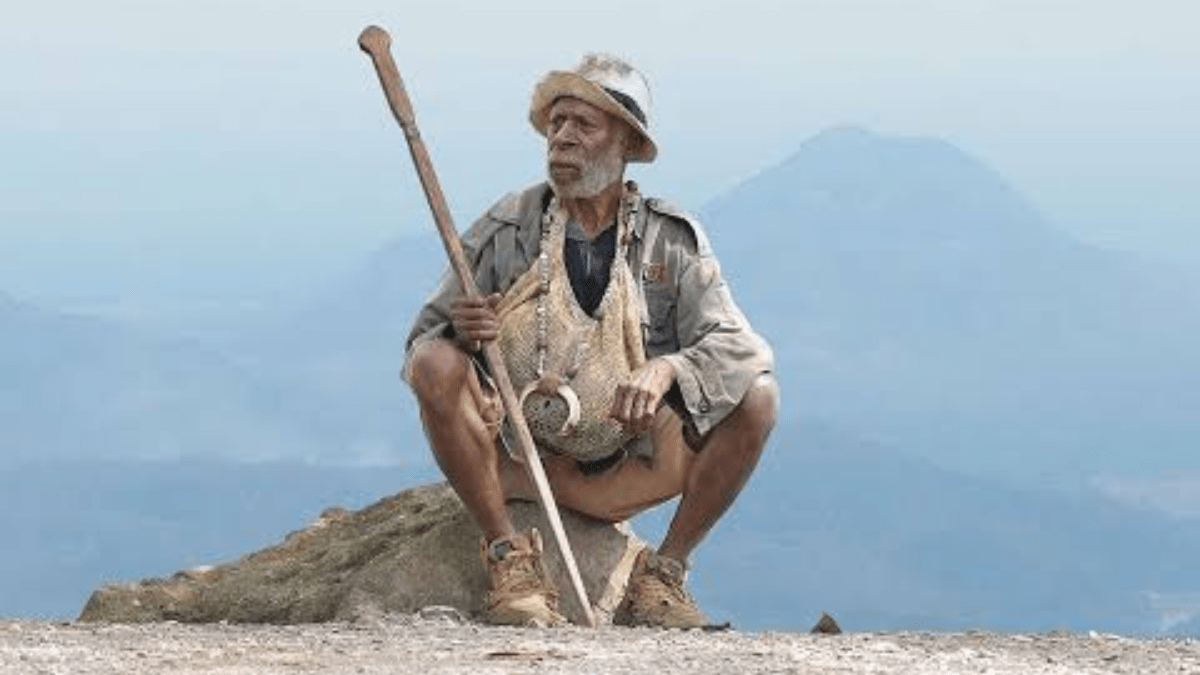
In this forest, an elderly man walks with unhurried dignity. His name is Sine Boboro, a tribal elder and war survivor. For decades he lived untouched by cinema, he had never sat in a theatre or watched a movie on a screen. Yet in 2025, at the age of 81, he became the face of a film that would take Papua New Guinea to the Oscars for the first time in its history.
This man, with his quiet authority, weathered wisdom, and memories forged during wartime, became the soul of Papa Buka. His presence does not merely support the story; it becomes the story itself.
Papa Buka is more than a film. It is a bridge between India and Papua New Guinea, nations whose histories crossed in the shadows of World War II but whose people never fully realized the depth of their connection. In retelling the forgotten story of Indian soldiers and the Papuans who helped them survive, the film reshapes how both nations remember a war that altered their destinies.
A Story Rooted in the Scars of War
History often remembers the victors and the powerful. It rarely remembers the ones who carried the wounded through mud, jungle, and gunfire. It rarely remembers the ones who fought a war they never chose, on lands far from home.
During World War II, over 2.5 million Indian soldiers served under the British Empire, the largest volunteer army in human history. Thousands were deployed to the Pacific front, including the harsh and unforgiving Kokoda region in Papua New Guinea. Here they became part of a brutal chapter of the Pacific War, malaria-infested terrain, Japanese air raids, relentless rain, and the constant threat of death.
Yet one detail still shocks historians:
Not a single Indian grave exists in the Bomana War Cemetery in Port Moresby, despite thousands serving and dying in the region. Their stories faded. Their names vanished. Their sacrifices were scattered across rain-soaked forests.
And what of the Papua New Guineans?
The world remembers them only as the Fuzzy Wuzzy Angels, a term used by Allied soldiers to describe the Papuans who carried the wounded across impossible terrain, feeding them, sheltering them, and guiding them to safety at great personal risk.
But they, too, vanished into the footnotes of war literature.
Papa Buka seeks to return these forgotten lives to the heart of historical memory.
The Cinematic Journey ,A Cross-Continental Collaboration
The idea for the film began not with a script, but with curiosity.
When director Dr. Bijukumar Damodaran, widely known as Dr. Biju, arrived in Port Moresby, he was immediately drawn to the living landscape of forgotten stories. The three-time Indian National Award–winning filmmaker, known for socially conscious cinema, spent three years in research and two in preparation, speaking with elders, families, and communities who carried the last echoes of wartime memory.

Meanwhile, producers Noelene Taula Wunum (PNG), Akshay Kumar Parija, Pa. Ranjith, and Prakash Bare built what would become the first-ever Papua New Guinea–India co-production ,a historic artistic partnership supported by the PNG Government, the High Commission of India, the National Cultural Commission, and multiple academic institutions.
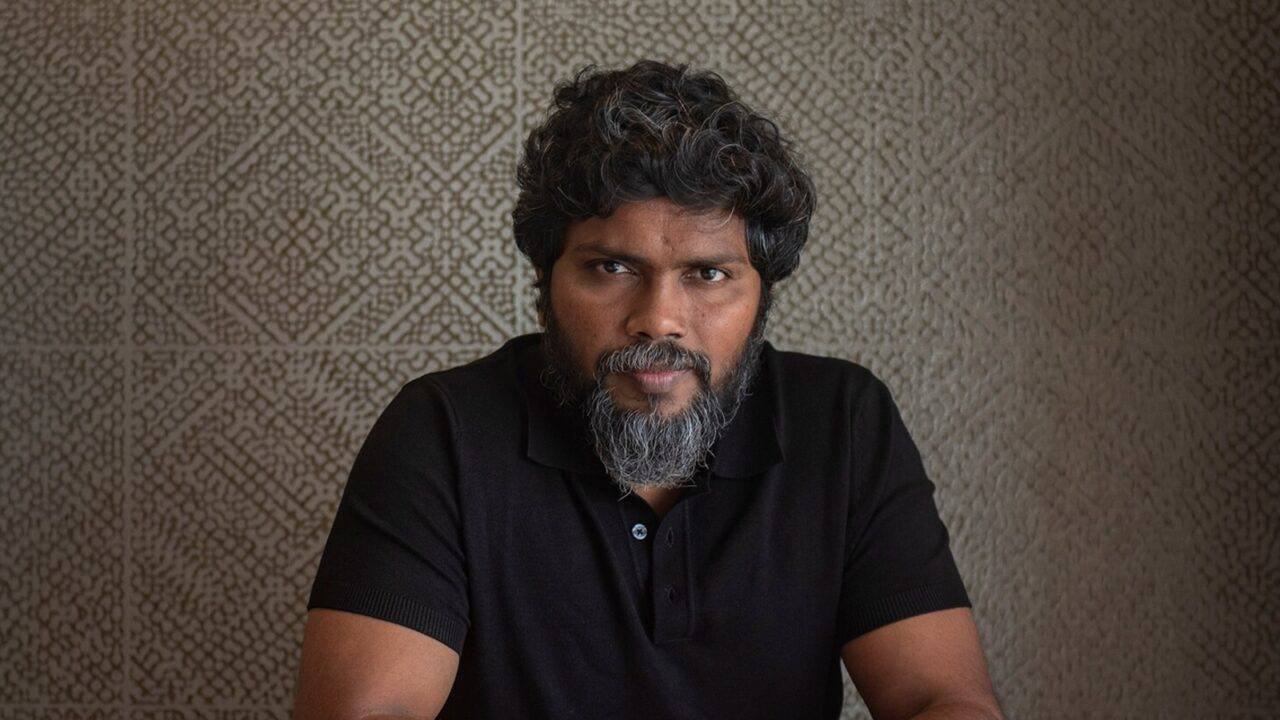
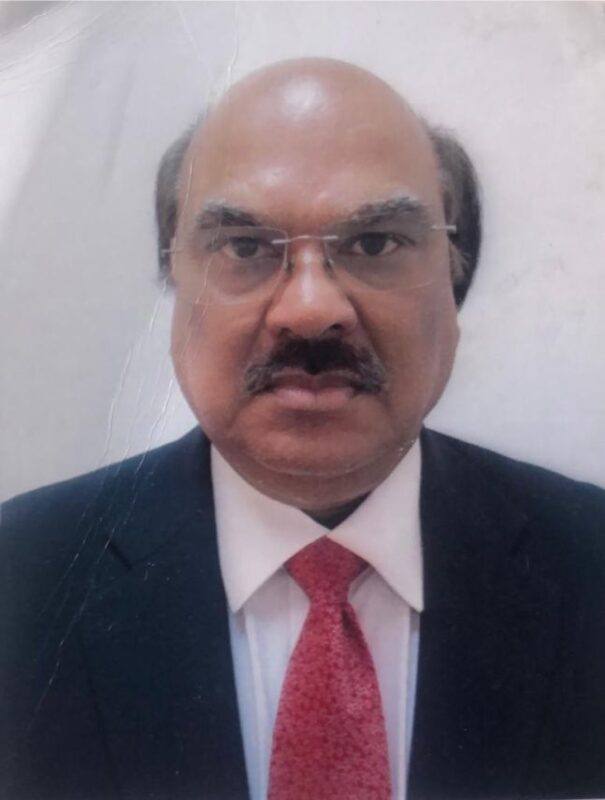
This collaboration, bridging languages, landscapes, film cultures, and lived histories ,became the soul of Papa Buka.
Director’s Vision: “History Lives in People, in Landscapes”
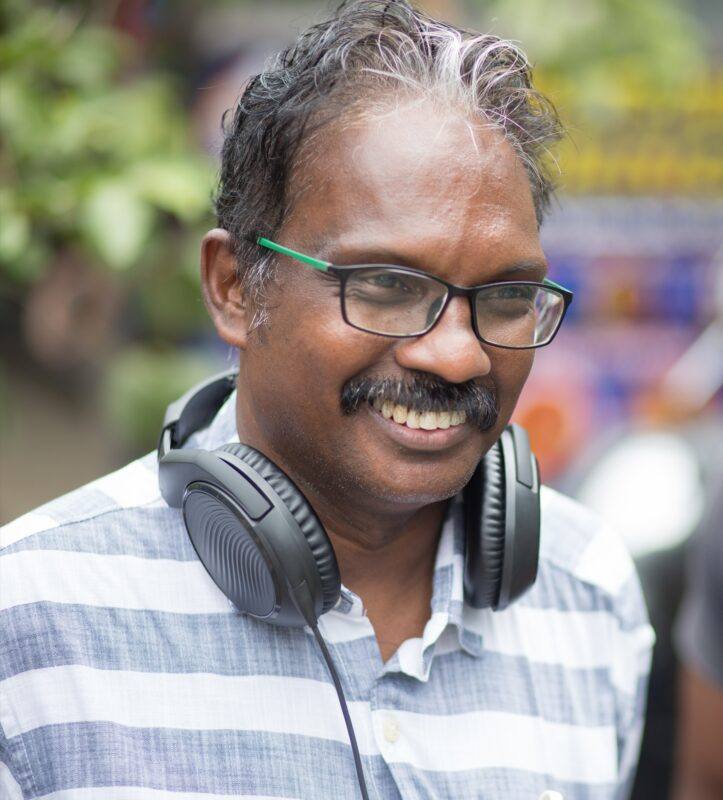
No narrative about Papa Buka is complete without understanding the philosophical core that guided its director.
Director’s Statement ,Dr. Bijukumar Damodaran (Dr. Biju)
For the film “Papa Buka”
“When I began the journey of Papa Buka, I felt an immense responsibility, not just as a filmmaker, but as someone entrusted with a shared history belonging to both India and Papua New Guinea.”
“During the Second World War, thousands of Indian soldiers fought and fell on Papuan soil. Most of their stories vanished from collective memory. This film is a chance to bring those forgotten voices back into the world.”
“One of the most extraordinary aspects of this project was working with Sine Boboro, an 85-year-old tribal chief who had never seen a film before. His memories of witnessing WWII bombings reminded me that history lives in people, in communities, in landscapes.”
“To me, nature is not a backdrop; it is a character. Papua New Guinea’s forests, mountains, and rivers hold their own memories and wisdom. In Papa Buka, the land becomes a storyteller.”
“I am grateful to the PNG Oscar Selection Committee and Chairman Dr. Don Niles, who said the film ‘embodies our stories, our traditions, and our artistic voice.’”
“Ultimately, Papa Buka is not about war. It is about remembrance, compassion, and healing the silences history leaves behind.”
,Dr. Bijukumar Kumar Damodaran (Dr. Biju)
Meeting the Man Who Became Papa Buka
When the crew found Sine Boboro, he was not an actor seeking a role, he was a custodian of memories. He lived in a remote Papuan village, serving as a community leader, counsellor, and storyteller. During pre-production conversations, he recounted vivid memories of Japanese aircraft roaring overhead, villagers fleeing through forests, and mothers shielding their children under the cover of night.
“We realized immediately,” Biju recalls,
“this man is the film.”
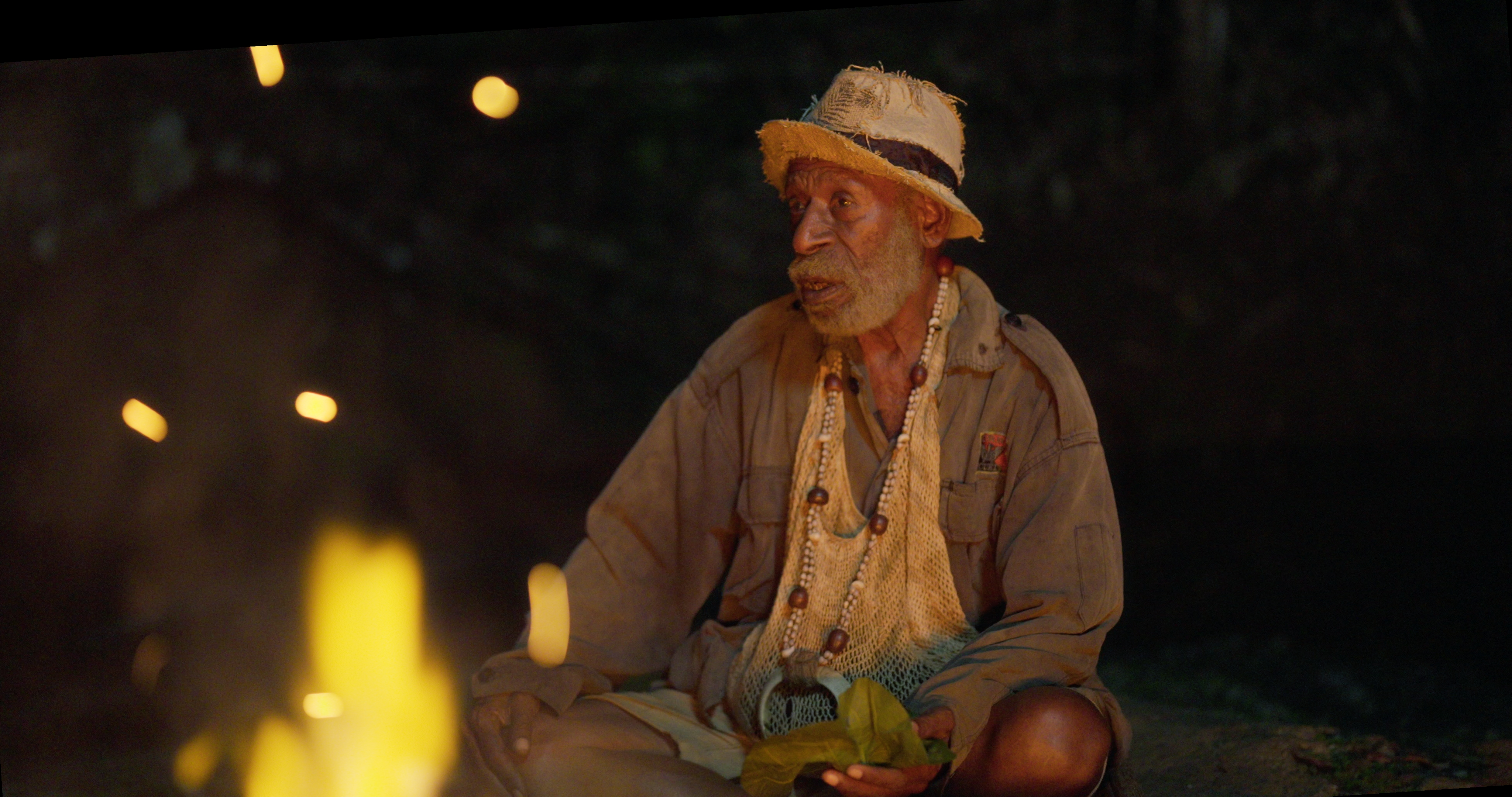
Sine’s performance is profoundly natural. He brings grief, resilience, humour, and humanity to the screen. He embodies the unspoken truths of people who remember war not through archives, but through lived trauma.
His portrayal, gentle, wise, and sorrow-laden, anchors the film with a human authenticity early reviewers have called mesmerising.
He is the emotional core that makes the film transcend fiction.
The Indo-Papuan Collaboration: A New Chapter in Cinema
Papa Buka is a milestone not only in story, but in process:
- First-ever cinema co-production between India and Papua New Guinea
- Shot entirely in PNG with local communities
- 90% first-time crew, many from tribal villages
- 60% female crew, marking a historic shift in PNG filmmaking
- A multilingual production: Tok Pisin, Hindi, English, Bengali
- Supported by PNG’s National Cultural Commission, Film Institute, and Indian High Commission
The film stands as a testament to how cinema becomes a shared language among people separated by thousands of kilometres.
“It Is Their Story”: Producer & Actor Prakash Bare Speaks
Reflecting on the film’s Oscar journey, co-producer and actor Prakash Bare recalls:

“What stays with me is not the red-carpet moment but the collaboration that made this film possible. Two distant countries discovered a forgotten bond forged during the war.”
He adds:
“Among those who fought and fell were Indian soldiers, and among those who helped them were Papuans. History forgot most of them. Papa Buka is, in essence, their story.”
Their research led them through the Kokoda Track, across villages, and finally to Sine Boboro ,whose life embodied the spirit of the film.
An Interview with Prakash Bare ,Actor & Co-producer
A Film Born During Papua New Guinea’s 50th Independence
As PNG celebrated its 50th year of independence, Papa Buka carried the nation’s name to the world’s largest cinematic stage: it’s first-ever submission to the 2026 Academy Awards.
Q: Looking back, what defines this journey for you?
“The human connection. This film brought together people from two countries who shared a forgotten wartime bond. Papua New Guinea and India were tied by the Pacific War long before they met through cinema.”
Q: What is the Indian connection?
“Few realise that 2.5 million Indians fought in WWII. Many served in the Pacific, including the Kokoda front. Papuans, the Fuzzy Wuzzy Angels, saved countless lives. Yet neither community received proper recognition. Papa Buka honours them.”
He notes the painful irony that the Bomana War Cemetery, where thousands of Allied soldiers rest, holds not a single Indian or Papuan grave.

Q: What did Dr. Biju bring to the project?
“This is our seventh collaboration, and perhaps the most meaningful. He saw this film as a cultural bridge. What began as conversations with the Indian community in Port Moresby grew into an unprecedented co-production.”
Q: How did the people of Papua New Guinea shape the film?
“Sine Boboro brought truth to every frame. We didn’t just cast an actor; we found a living archive.”
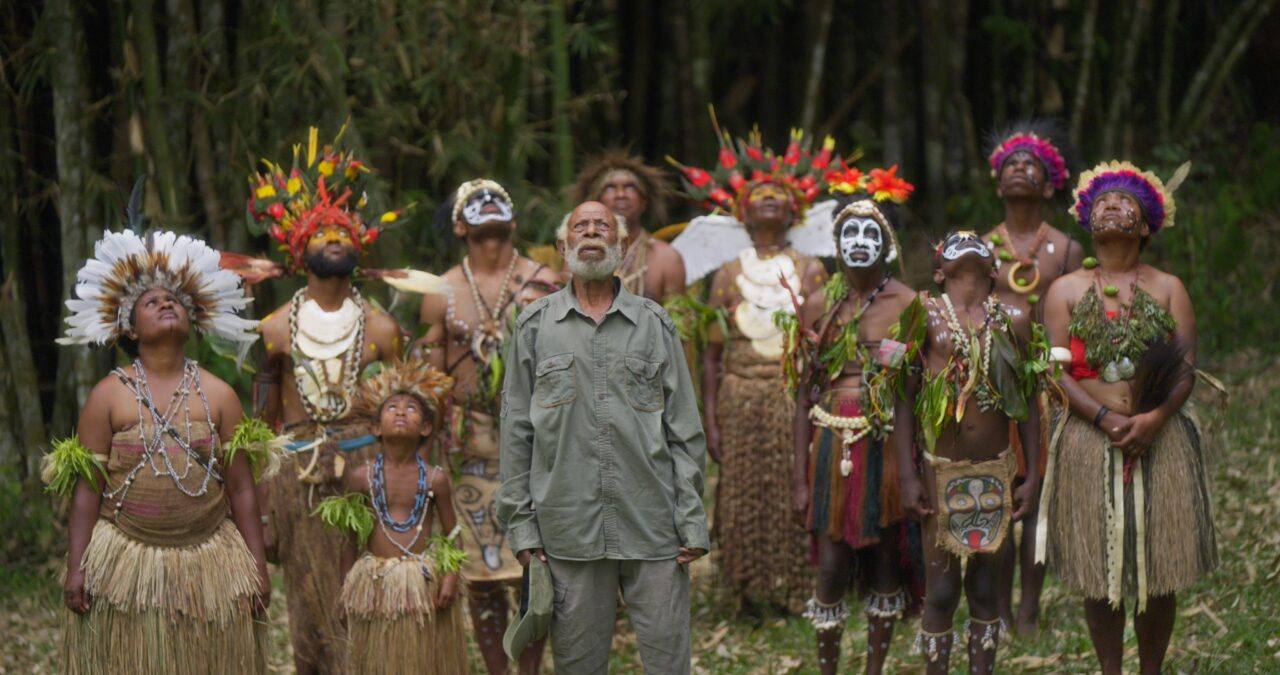
Alongside him, villagers, young trainees, and women filmmakers transformed the production into a cultural exchange and creative workshop.
Visual Poetry & Soundscapes
Cinematographer Yedhu Radhakrishnan makes the forest feel sacred, mysterious, and alive, capturing shimmering leaves, ancestral mountains, and rhythmic village life with reverence.
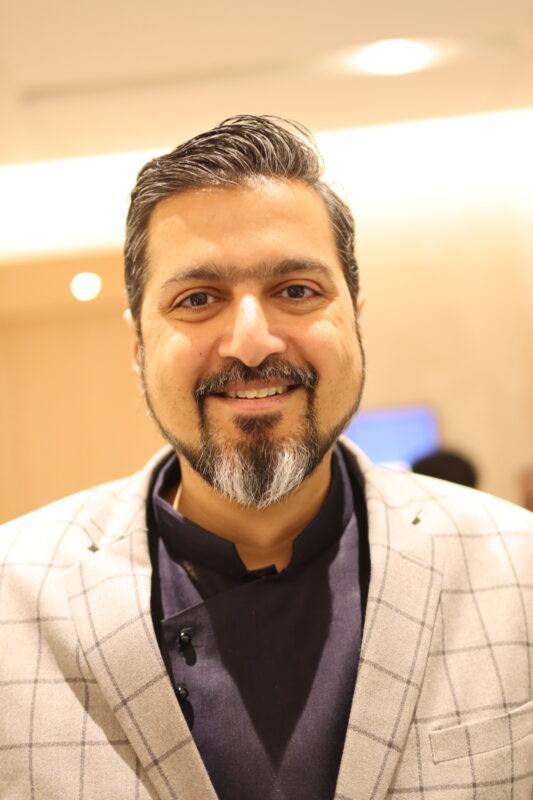
Three-time Grammy winner Ricky Kej weaves a soundscape of indigenous Papuan instruments, ambient forest soundscapes, and subtle Indian textures.
“Ricky’s music carries the film’s heartbeat,” Bare says.
“It echoes both mourning and hope.”
Editor Davis Manuel maintains momentum while allowing contemplation. The second half of the film, once the forest journey begins, is particularly gripping.
Tribal Portrayal: Respect, Dignity, and Realism
The film stands out for its sincere portrayal of tribal communities.
Unlike many films that exoticize indigenous people, Papa Buka allows them to speak in their own languages, inhabit their own spaces, and present their own worldviews.
There is no romanticization.
There is no caricature.
There is simply truth, captured with deep respect.
History, Humanity, and the Politics of Memory
The film follows two Indian historians guided by Papa Buka as they uncover:
- lost oral histories
- unmarked sacrifices
- erased wartime connections
- the quiet cost of forgetting
Here, the forest becomes a metaphor, a witness to suffering and a sanctuary of resilience.
A Film That Belongs to the People
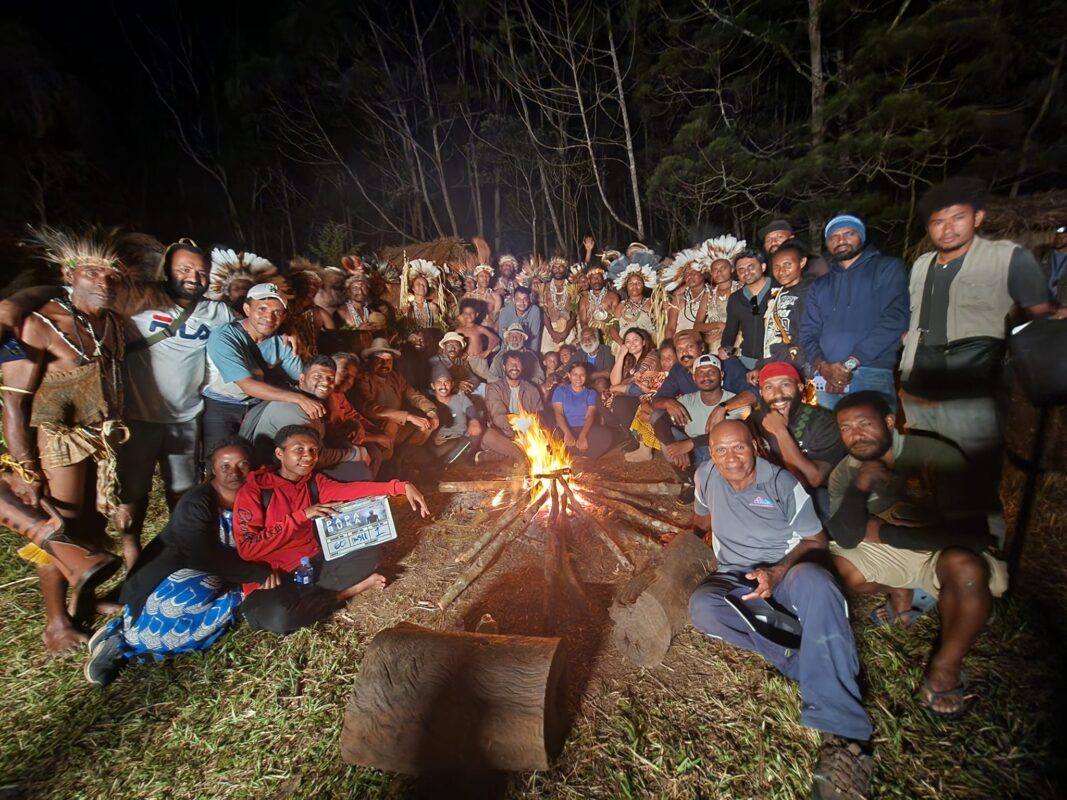
Ultimately, Papa Buka is more than a cinematic project.
It is:
- a tribute
- a historical correction
- a cultural bridge
- a celebration of memory
- a collaboration across continents
- a healing of historical silence
Bare said it best:
“At its core, Papa Buka is not about war. It is about remembering what we lost, and who we lost.”
The film listens to the forest, to survivors, to forgotten soldiers, to tribes, to the land itself, giving voice to stories that history abandoned.
A Historic Oscar Entry & Cultural Milestone
In 2025, PNG’s Oscar Selection Committee chose Papa Buka as it’s first-ever submission to the Academy Awards, a historic moment coinciding with the country’s 50th Independence anniversary.
Chairman Dr. Don Niles praised the film:
“Papa Buka embodies our stories, our traditions, and our artistic voice.”
The film premiered in Port Moresby before a packed audience including dignitaries, ministers, diplomats, tribal leaders, and Prime Minister James Marape.
The applause was not mere appreciation, it was recognition, perhaps even healing.
The film now travels to major international festivals, including:
- World Premiere ,Port Moresby, Oct 24
- International Premiere ,Listapad Film Festival, Belarus
- Asian Premiere ,IFFI Goa, Red Carpet Gala, Nov 22
- US Premiere ,UCLA (FYC screening for Academy & Golden Globes), Nov 25
- Bangladesh Premiere ,Dhaka International Film Festival, Jan 2025
- Kerala Premiere ,30th IFFK, Dec 12–19
Papa Buka continues to build momentum on the festival and awards circuit. The film earned a Special Jury Award at Listapad (Minsk) and was screened at IFFI Goa; it has also been selected for IFFK, the Dhaka International Film Festival and Fantasporto in Portugal.
Currently on an active promotion campaign in the United States, Papa Buka is being presented for major international honours, including Academy Award consideration in categories such as Best Picture, Best Director, Best Screenplay, Best Actor, Best Cinematography and Best Editing, and Golden Globe consideration for Best Film (Non-English), Best Director, Best Screenplay, Best Original Score and Best Actor.
For Papua New Guinea, Papa Buka is not just cinema, it is a declaration of identity.
An Unforgettable Cinematic Achievement
Ultimately, Papa Buka is an ode to remembrance, to what nations forget, what communities remember, and what individuals carry silently within them.
Visually stirring, historically rich, and emotionally resonant, the film ties together two cultures that once crossed paths in war and now reconnect through art.
“At its core, Papa Buka is not about war,” Bare says.
“It is about the human cost of forgetting, and the healing power of remembering.”
In a world where history often leaves the vulnerable behind, Papa Buka walks gently into the forest, listens to its whispers, and returns with a story that finally gives its forgotten heroes the honour they always deserved.
Papa Buka is a visually stirring and emotionally resonant Indo-Papuan triumph.
Its strength lies not only in its unique story but in its humanism.
Highlights:
- Sine Boboro’s extraordinary performance
- Rich, atmospheric cinematography
- Evocative, soulful music
- Honouring forgotten Indian and Papuan wartime heroes
- Cultural authenticity
- Strong performances by Ritabhari Chakraborty & Prakash Bare
This is a deeply moving, historically important, culturally rich film, one that deserves global recognition.
In an age where nations look increasingly inward, Papa Buka looks outward, across oceans, across histories, across wounds. It reminds us that we are closer than we think, tied not only by borders but by shared tragedies, shared resilience, and shared humanity.
In the forests of Papua New Guinea, the past has been waiting for someone to listen.
With Papa Buka, the world finally does.


