
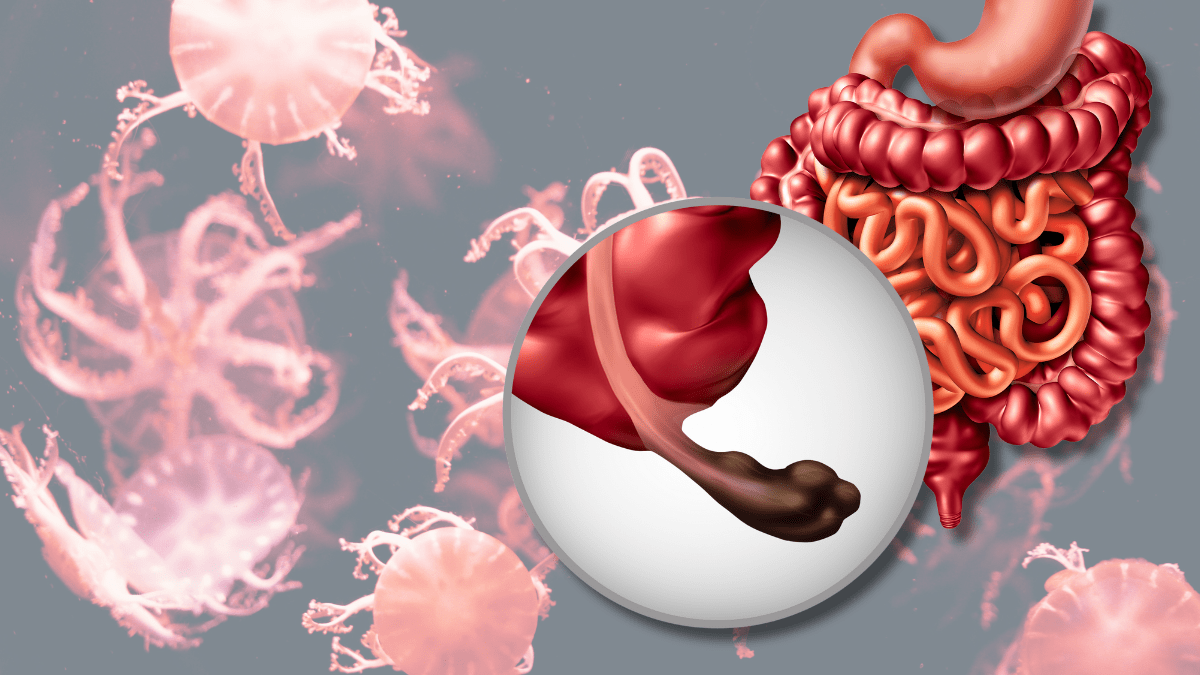
Spotlight – Colon Cancer: Know It All Here
By WFY Bureau | Health & Wellness | The WFY Magazine, December, 2025 edition
Colon Cancer: The Silent Disease Rising in a Younger World
Colon cancer has long been considered a disease of older adults, something that appears around the age of retirement or later. For decades, the medical community told the public that the risk meaningfully increased only after fifty. That belief shaped screening guidelines, family decisions and personal health habits. It shaped who worried and who did not.
But this belief no longer matches the reality. In 2025, colon cancer has become one of the most rapidly rising cancers in the world, and it is increasingly affecting people under fifty, including those in their twenties and thirties. This shift has left doctors alarmed, families confused and patients wondering how a disease that once seemed distant has arrived at their doorstep far sooner than expected.
This long-form report takes a close and investigative look at the nature of colon cancer today, how it develops silently, why it is rising among younger adults, the symptoms many ignore, the new lifestyle and environmental forces playing a role, and what people can do to protect themselves. The medical facts are layered with human stories, global trends and scientific observations, written in a tone that respects both clinical accuracy and everyday lived experience.
Colon cancer does not offer loud warnings. It grows quietly, masks itself as common digestive trouble and is often discovered only when it has already reached an advanced stage. This article aims to break that silence.
“The Silent Cancer Rising Among the Young, How Modern Living Is Feeding a Hidden Health Crisis”
The heart of this article is the disturbing movement of colon cancer into younger age groups and how modern lifestyle patterns across countries are colliding with delayed screening habits. It traces how diet, stress, sedentary routines, processed foods, gut inflammation, pollution, sleep disturbances and genetic predispositions have created an invisible pressure on digestive health.
It also explores how early symptoms often look harmless and are therefore ignored. The story emphasises how colon cancer is not an illness that belongs to any specific region, class or community. It is a disease that develops inside everyday habits, food choices and environmental exposures shared by millions.
A DISEASE THAT HIDES IN PLAIN SIGHT
Colon cancer, also known medically as colorectal cancer, develops when abnormal cells begin growing in the colon or rectum. These cells usually start as small polyps, tiny growths inside the intestinal lining. Many polyps are harmless, but some slowly turn cancerous over several years. The problem is that polyps rarely cause pain or discomfort. There are no early alarms, no dramatic symptoms, and no immediate warnings.
This is why colon cancer is often described as a “silent” disease. People live with it for months or even years without realising anything is wrong. Most early signs are subtle and easy to dismiss as indigestion, stress, tiredness, or problems linked to irregular eating patterns.
Medical case records around the world reveal the same truth repeatedly: the majority of colon cancer patients show clear symptoms only once the disease has progressed. This delay in recognition is one of the main reasons survival outcomes depend heavily on early detection.
Yet the public continues to associate colon cancer with older age, and that outdated belief is contributing to delayed diagnosis among younger adults.
THE RISE OF EARLY-ONSET COLON CANCER, A GLOBAL SHIFT
Colon cancer is now the third most common cancer worldwide. But one of the most troubling developments of the past decade is the rapid rise of early-onset cases, meaning diagnoses in people under 50 years of age.
International health agencies report the same global shift:
- Colon cancer among people aged 20 to 39 has seen year-on-year increases in multiple countries.
- In some Western nations, early-onset cases have risen by nearly 70 per cent in two decades.
- Several Asian countries now report similar upward trends.
- Studies from Europe and North America show that many younger patients are diagnosed at stage three or four because symptoms were mistaken for everyday digestive problems.
This rise cannot be attributed solely to genetics. Something in modern environments and lifestyles is accelerating risk.
Food patterns have changed rapidly. Young adults today often begin consuming highly processed foods earlier in life. Gut health is influenced by chemicals, preservatives, unhealthy fats and low-fibre diets. Sedentary routines, screen-centred work, disrupted sleep cycles and chronic stress have become near-universal. Many experience disturbed bowel patterns as early as their teenage years.
Doctors point to these lifestyle factors as the new drivers of inflammation in the digestive system. Long-term inflammation can create an environment in which abnormal cells develop more easily.
The striking rise in younger patients has raised key questions about how society has changed, and how those changes are affecting the body in slow, hidden ways.
THE SYMPTOMS WE IGNORE, AND WHY THEY MATTER
The early warning signs of colon cancer often resemble minor digestive complaints. People dismiss them as tiredness, acidity, stress, constipation or irregular meals. Yet many early-stage patients, including those in their thirties, later report that symptoms had been present for months before they sought medical help.
Below are the signs that frequently appear early but are commonly misunderstood:
1. Persistent fatigue and unexplained tiredness
One of the most overlooked symptoms is chronic exhaustion. Patients often describe falling asleep as soon as they get home or waking up tired even after long rest. This fatigue may be linked to slow internal bleeding that cannot be seen externally but reduces iron levels over time.
2. Night sweats or unexpected sweating episodes
Although night sweats are not the earliest indicator of colon cancer, they can appear when inflammation or metabolic stress in the body intensifies. People often blame the weather or room temperature, not realising it may reflect deeper health issues.
3. A sudden urge to pass stools, even at odd hours
Many patients describe frequent, unexpected urges to use the toilet. This is often a sign that something in the colon is irritating the intestinal wall or obstructing smooth bowel movement.
4. Feeling of incomplete evacuation
One of the most common symptoms, especially when polyps or tumours become larger, is the sensation that the bowel is not fully empty even after passing stools. Patients often ignore this, thinking it is a temporary digestive issue.
5. Blood in stool, visible or hidden
Bright red or dark brown blood in stools is a serious warning sign. But many people assume it is caused by piles and delay medical evaluation. There are also cases where bleeding is invisible, detected only through stool tests or iron deficiency anaemia.
6. Change in bowel habits lasting more than two to three weeks
Long-lasting diarrhoea, constipation, thinner stools or unpredictable bowel patterns signal disruption in the colon. These changes often go unnoticed because people adapt their diet instead of investigating the cause.
7. Unexplained weight loss
Losing weight without trying, especially over a short period, is a sign that the body is under stress or that the digestive system is not absorbing nutrients properly.
8. Persistent abdominal pain or discomfort
Chronic cramps, bloating or sharp pain that is not linked to meals or minor infections should always be taken seriously.
The challenge with these symptoms is that they appear in other illnesses too. But what makes colon cancer dangerous is the tendency to normalise these signs for too long. Many younger patients report that they dismissed symptoms because they believed colon cancer was an older person’s disease.
This belief needs urgent correction.
WHAT MAKES COLON CANCER DIFFERENT FOR YOUNGER ADULTS
Colon cancer in young adults behaves differently in several ways:
1. It is often more aggressive
Clinical patterns show that cancers in younger patients can grow faster and spread earlier compared to older patients. This may be linked to genetic mutations or to delayed diagnosis because symptoms are ignored.
2. Young adults delay seeking help
People in their twenties and thirties often think they are too young to develop cancer, leading to delay. They attribute symptoms to lifestyle, food habits or work stress.
3. Screening does not begin early enough
Most countries begin colon cancer screening at age 45 or 50. This leaves younger adults without routine checks that could save lives.
4. Lifestyle factors play a bigger role
Higher exposure to processed food, irregular sleep, inadequate fibre intake, prolonged sitting and stress from work or studies all influence digestive health. Over time, these factors can set the stage for inflammation and polyp growth.
5. Misdiagnosis is common
Younger patients are sometimes treated for irritable bowel syndrome, acidity or piles without receiving the detailed examination needed to rule out cancer.
This combination of aggressive disease and delayed diagnosis has made colon cancer a major global concern for public health.
THE GLOBAL DATA, HOW SERIOUS IS THE SITUATION?
To understand the scale of the crisis, here are some key data points from international cancer registries and public health organisations (presented without direct quotations):
- Colon cancer is now the third most common cancer worldwide.
- It is the second leading cause of cancer-related deaths globally.
- Cases in people aged under 50 have risen by an estimated 50 to 70 per cent in several developed countries.
- In some nations, early-onset colon cancer deaths have increased faster than cases because many are diagnosed late.
- Dietary shifts over the past 30 years correlate with rising digestive cancers.
- Sedentary lifestyles are linked to higher risk in numerous studies.
- Chronic inflammation from obesity, sleep deprivation and poor gut health contributes significantly.
These statistics point to a major shift in global health. Colon cancer is no longer a disease confined to older adults. It is appearing in young families, university students, professionals, athletes and people who believed they were completely healthy.
The world is only beginning to acknowledge this shift.
PART SIX: THE DRIVERS, HOW MODERN LIFE AFFECTS THE COLON
Experts studying disease patterns have identified several modern lifestyle factors contributing to early colon cancer.
1. Ultra-processed foods
Over the last two decades, processed snacks, meats, refined carbohydrates and sugary drinks have become normal daily foods. These items disrupt gut bacteria, raise inflammation levels and strain digestion.
2. Low-fibre diets
Dietary fibre protects the colon by promoting smooth digestion and removing harmful substances. But surveys show that a very large percentage of young adults consume far less fibre than recommended.
3. Sedentary routines
Long office hours, workstation-based jobs and online lifestyles reduce physical movement. This slows digestion, increases inflammation and contributes to weight gain.
4. Chronic stress
Stress hormones affect how food moves through the digestive system. Chronic stress also weakens the immune system, making it harder for the body to repair abnormal cell growth.
5. Sleep disruption
Shift work, late-night screen usage and poor sleep patterns disturb digestive rhythms, weaken the immune response and alter the gut microbiome.
6. Obesity and metabolic changes
Higher body weight increases the risk of colon cancer because visceral fat produces substances that promote inflammation and influence cell growth.
7. Environmental pollutants
Chemicals, pesticides and air pollution can influence digestive health indirectly by increasing systemic inflammation.
8. Genetic predispositions
Family history plays a major role. Yet many people with genetic risks are never tested until symptoms appear.
The modern lifestyle has reshaped colon cancer risk across age groups, making prevention more important than ever.
STORIES THAT REVEAL THE PATTERN, WHAT WE ARE SEEING
A number of recent cases reflect consistent patterns seen across countries:
- Young adults who felt unusually tired for weeks but assumed it was work pressure.
- Patients who experienced persistent bowel changes but ignored them until pain intensified.
- Individuals who saw traces of blood in their stool but blamed piles.
- People who were repeatedly told their symptoms were normal, only to later discover they had advanced disease.
- Young professionals who struggled with irregular meals, stress, sleepless nights and constant screen exposure before falling ill.
These stories show how easily colon cancer blends with everyday life. The symptoms do not appear dramatic or frightening at first, which is why the disease advances silently.
SCREENING, THE SINGLE MOST IMPORTANT STEP YOU CAN TAKE
Colon cancer is one of the cancers that can be prevented early through screening. Screening can detect polyps before they turn cancerous. It can also detect cancer at a stage when it is far easier to treat.
There are several types of screening tests:
1. Stool-based tests (FIT / FOBT)
These detect hidden blood in stool, a sign of internal bleeding.
2. Colonoscopy
The most comprehensive test. It allows doctors to see inside the colon and remove polyps immediately.
3. Sigmoidoscopy
Examines the lower part of the colon.
4. Imaging tests
Sometimes used when colonoscopy is not possible.
Current medical recommendations encourage screening from age 45 in many countries. But early screening is advised for anyone with:
- Family history of colon cancer
- Persistent symptoms
- Genetic predisposition
- History of polyps
- Chronic inflammatory bowel diseases
Early screening has saved countless lives, yet the public remains unaware or hesitant. Many people, especially younger adults, feel embarrassed discussing digestive health or undergoing screening procedures. This reluctance needs to change.
DIET, PREVENTION AND PRACTICAL CHANGES
Although colon cancer has multiple causes, there is strong evidence that lifestyle changes can reduce risk significantly.
Here are evidence-based measures that protect colon health:
1. Increase fibre intake
Whole grains, vegetables, fruits, lentils and seeds support smooth digestion and healthy gut bacteria.
2. Reduce processed foods
Limiting sugary drinks, packaged snacks, refined carbohydrates and processed meat helps lower inflammation.
3. Maintain regular physical activity
Even 30 minutes of walking daily improves digestion and reduces risk.
4. Improve sleep habits
Consistent sleep patterns help regulate digestion and support the immune system.
5. Manage stress
Mindfulness, breathing exercises and balanced routines help reduce digestive strain.
6. Avoid smoking and limit alcohol
Both are linked to higher colon cancer risk.
7. Pay attention to changes in bowel habits
Any persistent change should be evaluated by a doctor.
8. Do not ignore blood in stool
Even small traces must be investigated.
9. Stay hydrated
Water helps digestion and reduces irritation in the colon.
10. Seek screening when appropriate
Family history, symptoms or age above 45 make screening essential.
These changes do not eliminate risk, but they significantly reduce it.
WHY AWARENESS MATTERS, THE HUMAN COST OF IGNORING SYMPTOMS
Colon cancer affects more than the body. It affects families, careers, finances and emotional well-being. When diagnosed early, treatment options are far easier. When diagnosed late, the physical and emotional toll becomes intense.
Delayed diagnosis not only reduces survival chances but also increases treatment complexity. Late-stage colon cancer often requires extensive surgery, chemotherapy or radiation. Recoveries can be long and physically draining.
Raising awareness is therefore vital. People need to recognise symptoms, seek help early and prioritise their digestive health.
WFY SPECIAL:
“10 EARLY SIGNS OF COLON CANCER YOU SHOULD NEVER IGNORE”
For quick reference:
- Unexplained tiredness
- Persistent bowel changes
- Blood in stool
- Sudden urges to pass stool
- Incomplete evacuation
- Thin or irregular stools
- Abdominal pain
- Unexpected weight loss
- Bloating or cramps
- Persistent discomfort lasting beyond two weeks
WFY GUIDE:
“How to Protect Your Colon Health Every Day”
A practical checklist for daily life:
- Add vegetables or fruits to at least two meals.
- Include fibre-rich foods such as oats, lentils or brown rice.
- Avoid sitting for long hours without movement.
- Keep your water intake steady throughout the day.
- Limit processed and packaged foods.
- Reduce red meat consumption.
- Maintain a sleep schedule.
- Keep stress in check with breathing or exercise.
- Monitor bowel habits regularly.
- Do not delay screening if you fall in any risk category.
A PREVENTABLE DISEASE THAT DEMANDS ATTENTION NOW
Colon cancer should not be dismissed as an illness of older age. It no longer fits that stereotype. The rising number of younger patients is a warning sign that modern life is reshaping our bodies in subtle but serious ways.
This disease can be prevented, controlled and treated effectively when caught early. But ignoring symptoms or delaying screening gives it time to grow quietly.
Everyone needs to pay closer attention to their digestive health. Every persistent symptom deserves to be taken seriously. Every individual over 45, or younger with risk factors, should consider screening.
Knowledge is protection. Awareness saves lives. Colon cancer may be silent, but we do not have to be.
Disclaimer: This article provides general information for educational purposes. It is not a substitute for professional medical diagnosis or treatment. Anyone experiencing symptoms or concerns should consult a qualified healthcare provider promptly. WFY Magazine does not take responsibility for individual medical decisions made on the basis of this content.