
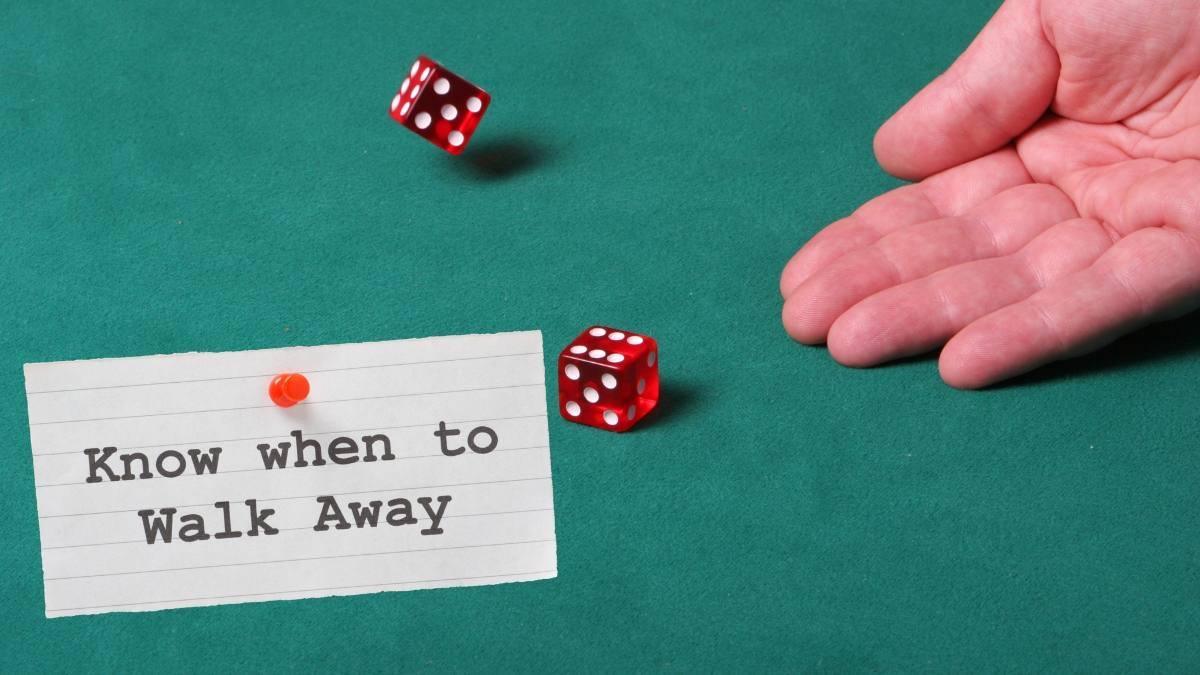
Game Of Life: The Truth About Knowing When To Stop
By Kulmohan Kaur, WFY Bureau | Lifestyle | The WFY Magazine, January, 2026 Anniversary Edition
Growing Up Means Learning When to Stop Playing
When we were children, we had an underrated superpower: honesty without hesitation.
If someone ruined a game—changed the rules midway, cheated, or simply didn’t know how to play—we didn’t analyse it to death. We didn’t worry about feelings or consequences. We said it plainly:
“You don’t know how to play. I’m not playing with you.”
And then we moved on.
Somewhere along the way, adulthood trained that clarity out of us.
When Games Turn Into Relationships
As adults, the playground changes. The games are no longer visible; they’re emotional.
The game of staying in touch.
The game of making time.
The game of reassurance.
The game of showing up.
And when someone plays these games differently from us, we don’t opt out anymore. We stay. We stretch. We adapt. We tell ourselves this is maturity.
Often, the shift is subtle. Messages that once came naturally start needing prompts. Updates stop arriving unless asked for. Conversations feel shorter, less curious. Nothing is dramatically wrong—but something doesn’t feel right either.
Instead of naming that discomfort, we normalise it.
“They must be busy.”
“I shouldn’t overthink.”
“Maybe this is how things settle.”
And just like that, we keep playing a version of the game that doesn’t suit us—without ever saying so.
The Polite Disappearance of the Self
What we often call adjustment is actually self-erasure, neatly wrapped.
We soften our needs until they barely sound like needs at all. We wait for the other person to notice what’s missing. We convince ourselves that asking for small things makes us demanding.
I remember moments when I found myself asking questions I didn’t want to ask—like checking if someone had reached safely—not because I needed the information, but because the habit of being informed had quietly disappeared.
It’s a small thing. But small things are rarely small. They’re signals.
Yet instead of saying, “I miss feeling thought of,” I stayed silent.
That’s how it starts.
Not with heartbreak—
But with swallowed sentences.
Feelings Don’t Fade. They Ferment.
We like to believe that unspoken emotions dissolve over time.
They don’t.
They ferment.
They turn into irritation over tone.
Distance over silence.
Sudden coldness that surprises even us.
Then one day, something minor triggers a reaction that feels excessive. The other person is confused. We are exhausted. The relationship suddenly feels heavier than it should.
We call it conflict. Or drama.
But it’s neither.
It’s delayed honesty finally forcing its way out.
The original feeling was gentle.
The delayed expression is volcanic.
Why Silence Feels Safer Than Truth
Most adults don’t avoid honesty because they don’t know what they feel.
They avoid it because they’re afraid of what it might cost.
What if the other person pulls away?
What if we’re seen as needy or difficult?
What if the dynamic changes?
So we convince ourselves that silence is safer.
But silence has its own cost. It teaches us to abandon ourselves slowly, convincingly, and with a smile. Over time, we forget what we’re even waiting for—only that something feels missing.
The Power of Saying It Early
Here’s what experience teaches us, often too late: most people don’t intentionally play the game wrong.
They play the way they’ve always played.
Someone who doesn’t send updates may genuinely see them as unnecessary. Someone who withdraws after long days may believe presence doesn’t need expression.
Unless told otherwise, they assume everything is fine.
A simple sentence—said early—can change a lot:
“This may seem small to you, but it matters to me.”
Not an accusation.
Not an ultimatum.
Just information.
Sometimes, the response surprises you. The other person adjusts. They show up differently—not because they were forced, but because they were informed.
And sometimes, they don’t.
But even then, something important happens: you stop guessing.
Remembering How to Opt Out
As children, we knew something adults forget—we are allowed to stop playing games that don’t feel fair.
That doesn’t mean storming out or ending things at the first discomfort. It simply means saying, “This version doesn’t work for me.”
In adult relationships, this sounds like:
“I need more consistency.”
“This pace doesn’t feel right for me.”
“This is how I experience closeness.”
It’s not about control.
It’s about compatibility.
Choosing Clarity Over Endurance
We often confuse emotional endurance with maturity.
But growing up isn’t about how much discomfort you can tolerate without speaking. It’s about how early you can recognise misalignment—and respond without losing yourself.
There is quiet strength in stating your boundary once, clearly and without apology.
After that, whatever happens is honest.
They either meet you there.
Or they don’t.
Either way, you don’t turn into a volcano.
And that, perhaps, is the freedom adulthood should have given us long ago—the courage to say:
“This is not how I play.”
Not in anger.
Not in blame.
But in self-respect.
Because relationships aren’t meant to be survived.
They’re meant to be played—together.