Measles Returns: The Truth We Need To Know Now
Why Measles Is Returning: The Disease the World Thought It Had Defeated
By WFY Bureau
For many families, measles belongs to another age.
It is remembered, if at all, as a childhood illness from the years before modern vaccination. Older relatives may describe it as an unpleasant but ordinary experience involving fever, isolation and a red rash. Younger parents in countries where measles became rare may never have seen a single case.
That sense of distance has created a dangerous misunderstanding. Measles was controlled in many countries, but it was never eradicated from the world.
Now it is returning.
Countries that had eliminated continuous domestic transmission are reporting outbreaks again. Communities with declining vaccination coverage are discovering how quickly a few imported infections can spread. Hospitals and public-health departments are once more tracing contacts, isolating patients and trying to reach children whose routine vaccinations were delayed or missed.
The resurgence is not the result of one cause. It reflects pandemic-era disruption, conflict, displacement, underfunded health systems, unequal access, vaccine hesitancy and misinformation. International travel allows the virus to move rapidly between communities that may appear geographically distant but are connected through families, tourism, education and work.
Measles is often described as a childhood rash. That description is medically incomplete and socially misleading. It is one of the most contagious human diseases, capable of causing pneumonia, brain inflammation, long-term disability and death.
It is also one of the most preventable.
That is what makes its return particularly troubling.
Controlled Is Not the Same as Eradicated
Public-health language can easily confuse the public.
When a country “eliminates” measles, it does not mean that no case will ever occur there again. Elimination generally means that continuous local transmission has been interrupted for a defined period within that country or region.
The virus may still be introduced by an infected traveller. If most people are immune and health authorities respond quickly, the chain of transmission ends. If vaccination gaps have developed, the imported case can ignite an outbreak.
Eradication is different. It means that transmission has been stopped everywhere in the world and no new infections occur naturally. Smallpox remains the great example. Measles has not reached that point.
Its return to a country that had eliminated it does not mean vaccination failed. It usually means that the protective barrier created by widespread vaccination weakened enough for the virus to circulate again.
The distinction matters because success can produce complacency. When a disease becomes rare, parents no longer see its consequences. The perceived threat from the illness falls, while concerns about vaccination may receive disproportionate attention.
Vaccination then becomes a victim of its own achievement.
Why Measles Spreads So Easily
Measles is caused by a virus that spreads through the air when an infected person breathes, coughs or sneezes.
The virus can remain infectious in an airspace for up to two hours after the infected person has left. Someone may therefore be exposed without standing face to face with the patient.
According to the United States Centers for Disease Control and Prevention, as many as nine out of ten susceptible people who come into close contact with an infected person may also become infected. CDC
This level of contagiousness gives measles an exceptional ability to find gaps in community protection.
A person can spread the infection before the rash appears. During those early days, the symptoms may resemble several ordinary respiratory infections. The individual may travel, attend school, visit relatives, sit in a waiting room or use public transport without knowing that measles is responsible.
By the time the characteristic rash is recognised, many exposures may already have occurred.
This is why an outbreak response requires more than treating the person who is ill. Health workers must identify places the patient visited, determine who may have been exposed, check vaccination records and provide time-sensitive guidance.
In an airport, university, religious gathering or densely populated neighbourhood, the number of contacts can expand quickly.
The Importance of the 95 Per Cent Threshold
Measles requires an unusually high level of population immunity to prevent sustained outbreaks.
The World Health Organization states that at least 95 per cent immunity is needed to stop epidemics. Because one vaccine dose does not produce immunity in every recipient, public-health programmes generally aim for very high coverage with two measles-containing doses.
The latest WHO and UNICEF estimates reveal the gap between what is required and what has been achieved.
In 2025, approximately 84 per cent of the world’s children received a first measles-containing vaccine dose by their first birthday, while only 77 per cent received the second. About 29 million infants remained inadequately protected against measles.
The global average is concerning, but averages can conceal even greater local vulnerability.
A country may report 90 per cent national coverage while particular districts, ethnic groups, religious communities, migrant populations or urban settlements remain far below that level. Measles does not respond to a national average. It spreads through the people who actually meet one another.
A school or neighbourhood with low coverage can sustain an outbreak even if the country’s overall figure appears respectable.
This is why a decline of only a few percentage points can matter. When protection falls below the level required to interrupt transmission, the virus gains access to clusters of susceptible people.
In 2025, 57 countries reported large or disruptive measles outbreaks. WHO and UNICEF
The Pandemic’s Long Shadow
The COVID-19 pandemic disrupted routine healthcare across the world.
Clinics reduced services. Vaccination campaigns were postponed. Health workers were reassigned. Supply chains became unreliable. Families avoided medical facilities because they feared infection. Schools, which often help identify children who have missed vaccines, remained closed.
These disruptions did not affect every family equally. Children in remote regions, informal settlements, conflict zones and migrant communities were more likely to fall out of the system.
Routine vaccination is a sequence rather than a single event. A child may receive one vaccine but miss a later dose. A family may move before records are transferred. A clinic may run out of supplies on the day of an appointment. Parents may intend to return but never do so.
WHO and UNICEF estimated that 13.5 million children received no routine vaccine at all during their first year of life in 2025. These children are frequently described as “zero-dose” children. Millions more began vaccination schedules but did not complete them.
The pandemic did not create every weakness in immunisation. It exposed and deepened problems that already existed.
Several years later, health systems are still trying to find children who were missed.
Conflict, Poverty and Unequal Protection
Vaccine hesitancy receives considerable attention, particularly in wealthier countries. Globally, however, many unvaccinated children are not unprotected because their parents consciously rejected vaccination. They are unprotected because healthcare did not reach them.
Conflict destroys clinics, displaces families and interrupts the refrigeration systems needed to store vaccines. Poverty makes transport difficult. Informal workers may lose income if they take a day away from work. Remote communities may receive health services only intermittently. Undocumented migrants may fear contact with government institutions.
In April 2026, Bangladesh notified the WHO of a major nationwide increase in measles. Between 15 March and 14 April, authorities reported more than 19,000 suspected cases, nearly 3,000 laboratory-confirmed cases and numerous deaths. Cases were recorded across 58 of the country’s 64 districts.
Children under five accounted for 79 per cent of suspected cases, while infants younger than nine months represented a significant part of the total. Many cases were concentrated in densely populated and economically vulnerable urban communities. World Health Organization
Ukraine reported close to 1,000 measles cases during the first five months of 2026 while continuing to deliver mobile vaccination services in regions affected by conflict and disruption.
These examples show why measles is sometimes described as an indicator of health-system weakness. Because the virus is so contagious, it exposes immunity gaps quickly. An outbreak reveals where routine care, surveillance and trust have failed.
Misinformation Changes the Risk
Some vaccination gaps arise from access. Others arise from fear.
False claims about measles vaccines have circulated for decades, often repeating arguments that have been extensively investigated and rejected by scientific evidence. Social media has allowed old misinformation to return in new forms, presented through emotional personal stories, misleading graphs or individuals claiming medical authority they do not possess.
Not every hesitant parent is ideologically opposed to vaccination. Many are confused. They encounter contradictory messages and worry about making the wrong decision for their child.
Public-health communication sometimes responds poorly. Dismissing every question as ignorance can increase distrust. Providing only technical statistics may fail to address emotional concerns.
The better approach is to distinguish genuine questions from organised misinformation.
Parents deserve clear explanations of expected side effects, recognised contraindications, vaccine effectiveness and the risks associated with the disease itself. They should be able to consult qualified healthcare professionals without being mocked or frightened.
But respectful communication does not require pretending that all claims have equal evidential value.
The measles vaccine has been used since the 1960s. Its effectiveness and safety have been studied across enormous populations. According to the CDC, one MMR dose provides approximately 93 per cent protection against measles, while two doses provide about 97 per cent protection.
No medical intervention is entirely without risk. The relevant comparison is between the small risk associated with vaccination and the much greater risk created by measles infection and renewed community transmission.
More Than a Childhood Rash
Measles symptoms usually begin seven to fourteen days after exposure.
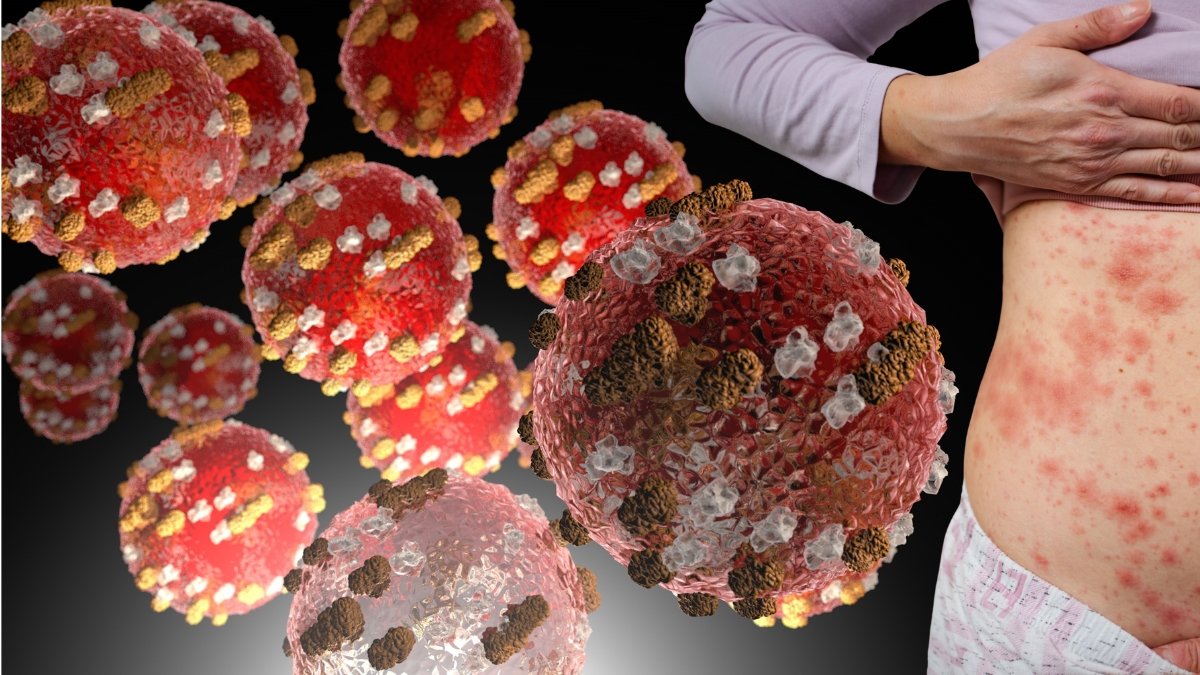
Early illness often includes fever, cough, a runny nose and red, watery eyes. Small white spots may appear inside the mouth. The recognisable rash usually develops later, often beginning on the face before spreading down the body.
The rash is the visible feature, but it is not the principal danger.
Common complications include diarrhoea, ear infections and pneumonia. Severe cases can involve dehydration, breathing difficulties and encephalitis, an inflammation of the brain that may cause seizures, hearing loss or permanent neurological injury.
Babies and young children face particular danger. So do pregnant women, people with weakened immune systems, severely undernourished children and adults who lack immunity. Even a previously healthy person may require hospital treatment.
WHO estimated that approximately 95,000 people died from measles in 2024, most of them children younger than five. More than 95 per cent of measles deaths occur in countries with low incomes and weak health infrastructure.
Yet the history is also one of extraordinary progress. Vaccination reduced estimated annual measles deaths from about 780,000 in 2000 to 95,000 in 2024. Nearly 59 million deaths were prevented during that period. World Health Organization
The return of measles should not erase that success. It should remind the world that success depends on maintaining the systems that produced it.
Measles Can Affect Immune Memory
Scientists have also examined a less visible consequence of measles: its effect on the immune system.
Measles infection can reduce immune memory, weakening the body’s existing protection against other pathogens. This phenomenon is sometimes called “immune amnesia”. Following infection, a person may become more vulnerable to illnesses against which the immune system had previously developed some defence.
This does not mean that every person who has measles loses all immunity. It means the infection can disrupt part of the body’s accumulated immunological protection.
The significance extends beyond the days of fever and rash. Preventing measles may also help preserve a person’s defences against other infections.
This is another reason the illness should not be treated as a harmless rite of childhood.
The Diaspora and the Travel Connection
For diaspora families, measles is an especially relevant international-health issue.
People travel frequently between India and countries such as the United Kingdom, United States, Canada, Australia, the United Arab Emirates and nations across Europe, Africa and Asia. Journeys may include weddings, funerals, festivals, school holidays and visits by grandparents.
A family may move between countries with different vaccination schedules and record systems. One country may administer the first routine dose at nine months because measles remains common. Another may administer it at twelve to fifteen months. The timing of the second dose may also vary.
These differences do not necessarily mean one schedule is wrong. National programmes are designed around local disease patterns, healthcare systems and public-health priorities.
Problems arise when families assume that a child is fully protected without checking the complete record.
Vaccination information may be stored in a paper booklet, a hospital file, a government portal or an application that is not accessible after migration. Names and dates may be recorded differently. Parents may remember that “all vaccines were given” without knowing whether two measles-containing doses were included.
Before international travel, families should review the record with a qualified healthcare professional, particularly when travelling with an infant or visiting an area experiencing an outbreak.
What Travellers Should Know
Travel recommendations differ slightly between countries, so families should follow the official guidance applicable to their place of residence and destination.
The CDC recommends that international travellers be fully protected against measles. For most eligible travellers, this means documented evidence of two measles-containing vaccine doses or another recognised form of immunity.
Its current guidance recommends an early MMR dose for infants aged six to eleven months who will travel internationally. Because a dose given before the first birthday may not count as part of the routine childhood series, those infants generally require further doses after turning twelve months.
The CDC does not recommend measles vaccination for infants younger than six months. Families planning travel with very young infants should obtain individual medical advice and may need to reconsider non-essential travel to an outbreak area.
The agency advises planning vaccination at least two weeks before departure where possible. A traveller leaving sooner may still benefit from speaking to a clinician rather than assuming it is too late.
People who are pregnant, severely immunocompromised or otherwise unable to receive a live measles-containing vaccine should not attempt to follow general online advice. They require personalised guidance from a qualified healthcare professional.
The purpose of travel preparation is not to create panic. It is to identify a preventable gap before entering an airport, aircraft, family gathering or crowded public event.
If Exposure or Illness Is Suspected
A person who believes they may have been exposed to measles should contact a healthcare provider or public-health service promptly.
They should telephone before arriving at a clinic or hospital. Walking unannounced into a crowded waiting room can expose babies, pregnant women and people with weakened immune systems.
Health professionals can arrange an appropriate evaluation and advise whether testing, isolation, vaccination or another intervention is required. Some post-exposure measures are time-sensitive, which makes early contact important.
A person with fever, cough, red eyes and a developing rash should avoid travel and close contact with others until medical advice has been obtained.
There is no routine specific antiviral treatment that eliminates measles. Medical care focuses on symptoms, hydration and complications. WHO recommends vitamin A for people diagnosed with measles in specified clinical circumstances, particularly children, but the dosage must be determined by a healthcare professional. Excess vitamin A can itself be harmful.
Antibiotics do not treat the measles virus, although they may be used when a doctor diagnoses a secondary bacterial infection.
Why Disputed Cases Still Matter
Measles surveillance is not always straightforward.
Other illnesses can cause fever and rash. Suspected cases may later be reclassified after laboratory testing. Authorities may disagree over whether measles directly caused a death, contributed to it or was present alongside another condition.
Such disputes can become politically charged, particularly when vaccination has entered wider ideological conflict.
Accurate classification matters. Public-health agencies must correct errors and distinguish suspected, probable and confirmed cases. At the same time, uncertainty in one case should not be used to dismiss an entire outbreak or the established risks of the disease.
Good public-health reporting should neither exaggerate provisional numbers nor allow political argument to erase scientific evidence.
The Return Was Not Inevitable
Measles is not returning because the virus has suddenly become unbeatable.
It is returning because human protection has become uneven.
The world possesses a safe and highly effective vaccine. It understands how the virus spreads. It knows that two-dose coverage of approximately 95 per cent is required in every community. It has surveillance systems, laboratory tools and established outbreak-control methods.
What is missing is consistent reach.
Health systems must identify children who received no vaccines and those who began but did not complete their schedules. Countries need reliable supplies, trained workers and accurate records. Migrants and displaced families must be able to obtain vaccination without fear or impossible administrative barriers.
Doctors and public-health authorities must communicate more effectively. Technology companies must take greater responsibility for the organised spread of demonstrably false health claims. Community and religious leaders can help build trust where government messages alone are insufficient.
Families also have a role. Vaccination records should be treated as important documents, particularly when moving or travelling internationally. Adults uncertain of their immunity should seek professional advice rather than assuming measles affects only children.
A Disease That Exposes Our Weaknesses
Measles tells societies something about themselves.
It reveals where healthcare fails to reach the poor, where war has broken routine services, where record systems cannot communicate, where public trust has collapsed and where misinformation travels more efficiently than medicine.
It also reveals how connected the world has become.
An infection acquired in one country may be carried to another before symptoms appear. A virus does not ask whether the traveller is a citizen, migrant, tourist, student or pilgrim. It finds the person who is not protected.
The lesson is not that international travel should be feared. It is that public health can no longer be protected within national borders alone.
Measles was never a defeated disease. It was a controlled disease, and control required continuous work.
The vaccine changed what childhood could look like. It spared millions of families from loss. It allowed generations to grow up without witnessing a disease that had once moved relentlessly through homes and schools.
That memory of safety should not become the reason protection is neglected.
A world capable of preventing measles should not accept its return as normal. Nor should it respond with panic.
It should respond with accurate information, accessible healthcare, careful travel preparation and renewed commitment to reaching every child.
Measles has returned to remind us of a simple public-health truth: when protection is shared widely, even one of the world’s most contagious diseases can be stopped. When that protection becomes fragmented, the virus quickly finds the spaces left behind.
This article provides general public-health information and is not a substitute for individual medical advice. Vaccination and post-exposure recommendations may vary by age, health condition, country and outbreak situation. Readers should consult qualified healthcare professionals and the official guidance applicable to their location.