
The World Of Art Finds New Vibrant Life
By Wynona M, WFY Bureau | Art & Culture | The WFY Magazine, January, 2026 Anniversary Edition
Tradition in Transition: How Indian Art Forms Are Being Reimagined for a New Generation
Summary
As younger artists reinterpret classical, folk, and visual traditions through contemporary themes and digital mediums, Indian art is entering a period of creative renewal rather than decline. From music and dance to craft and new media, tradition is being reshaped to speak to changing audiences at home and across the diaspora. This article explores how Indian art forms are evolving without losing their cultural core, revealing why reinvention may be the key to their survival.
When Heritage Refuses to Stand Still
Indian art has never been static. Across centuries, it has absorbed influences, responded to social change, and reinvented itself while retaining a recognisable cultural core. Yet the current moment feels distinct. As the world enters 2026, Indian art forms are undergoing a visible transformation, shaped by generational shifts, digital platforms, global exposure, and changing ideas of identity.
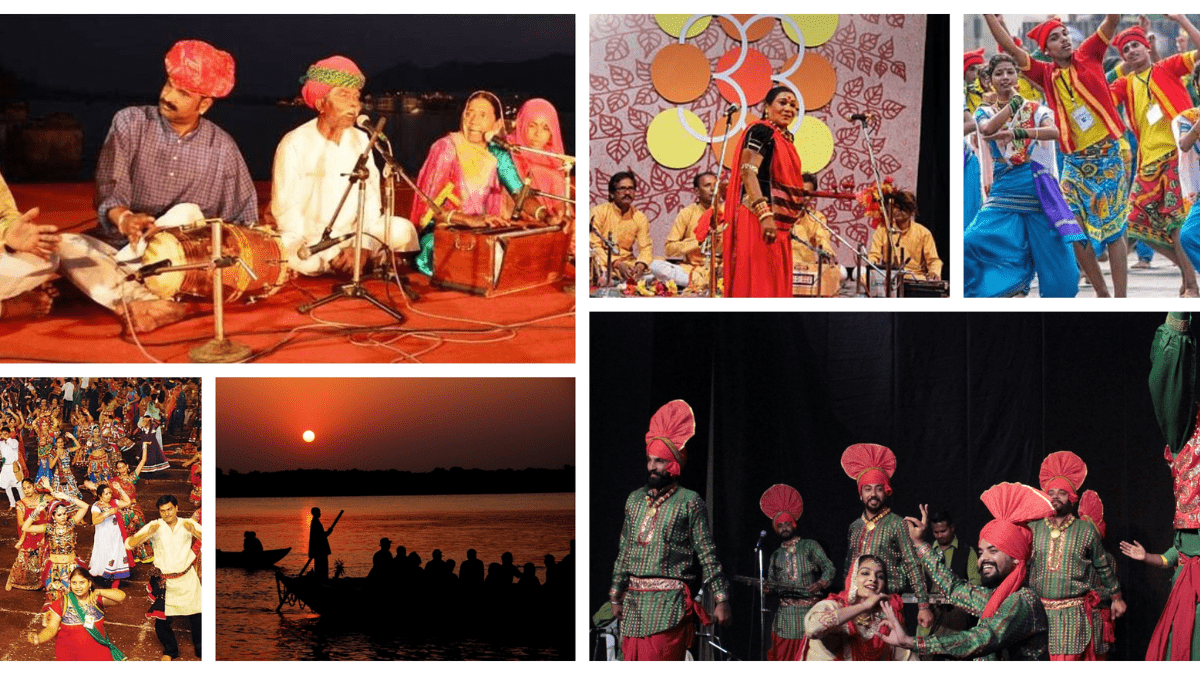
What once belonged primarily to temples, courts, festivals, and formal auditoriums now finds expression in experimental spaces, online platforms, collaborative performances, and hybrid media. Classical music merges with electronic soundscapes. Traditional dance speaks to contemporary themes. Folk art migrates from village walls to global galleries and digital canvases.
This is not a rejection of tradition. It is a renegotiation of its place in modern life.
The Weight and Freedom of Inheritance
Indian art traditions carry deep histories. Classical music systems, dance forms, craft practices, and visual languages have evolved through lineage, discipline, and ritual. For generations, mastery required years of training under strict frameworks. Authority rested with teachers, institutions, and inherited knowledge.
For younger artists, this inheritance is both grounding and constraining. Respect for tradition remains strong, yet the need to speak in contemporary idioms has become unavoidable. Audiences have changed. Platforms have multiplied. Attention spans are shorter, but curiosity is wider.
This tension between preservation and expression defines much of today’s artistic experimentation.
Music: Classical Roots, Contemporary Resonance
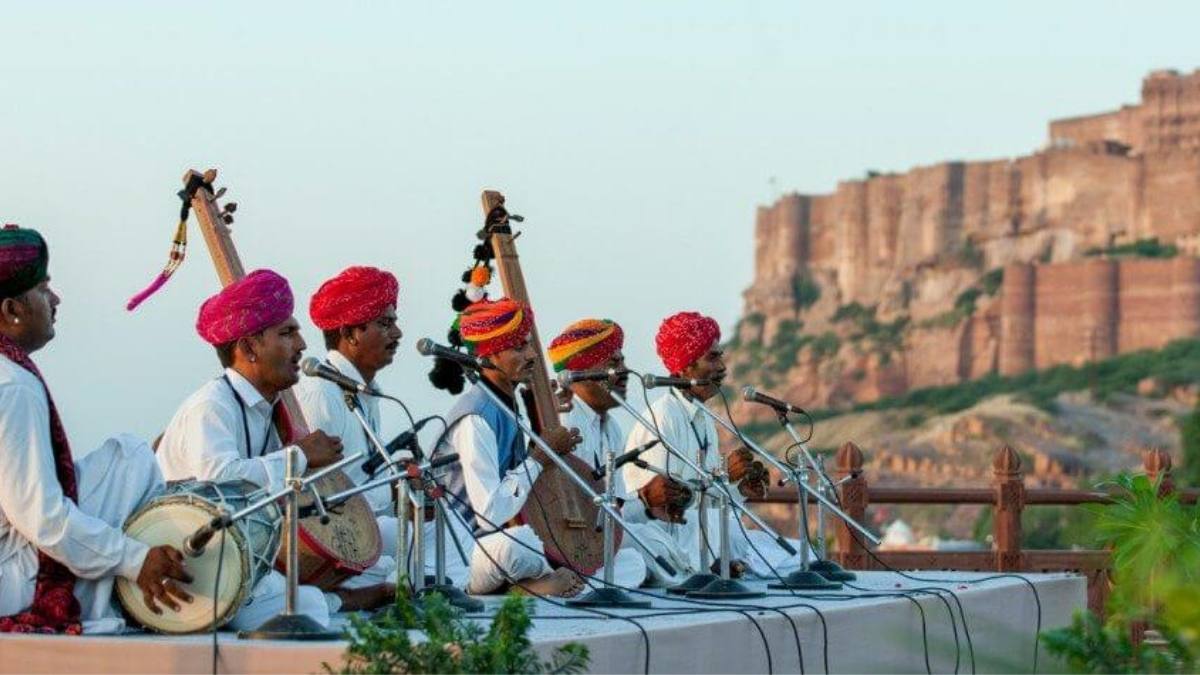
Indian classical music remains one of the most structured art forms in the world. Its ragas, talas, and improvisational systems demand discipline and patience. Yet younger musicians increasingly explore ways to bring these traditions into dialogue with modern sound.
Fusion is no longer a novelty. It has matured into a distinct practice. Classical instruments converse with jazz, electronic music, ambient sound, and global rhythms. These experiments attract audiences who may never attend a traditional concert but connect emotionally with familiar melodic structures presented in new forms.
Importantly, this movement is not about dilution. Many practitioners maintain rigorous classical training, treating fusion as extension rather than replacement. The classical framework remains intact, but its context expands.
Digital platforms amplify this reach. Performances circulate globally, allowing artists to find niche audiences across borders. For the diaspora, such music bridges memory and modernity, offering familiarity without nostalgia.
Dance: Tradition Meets Contemporary Narratives
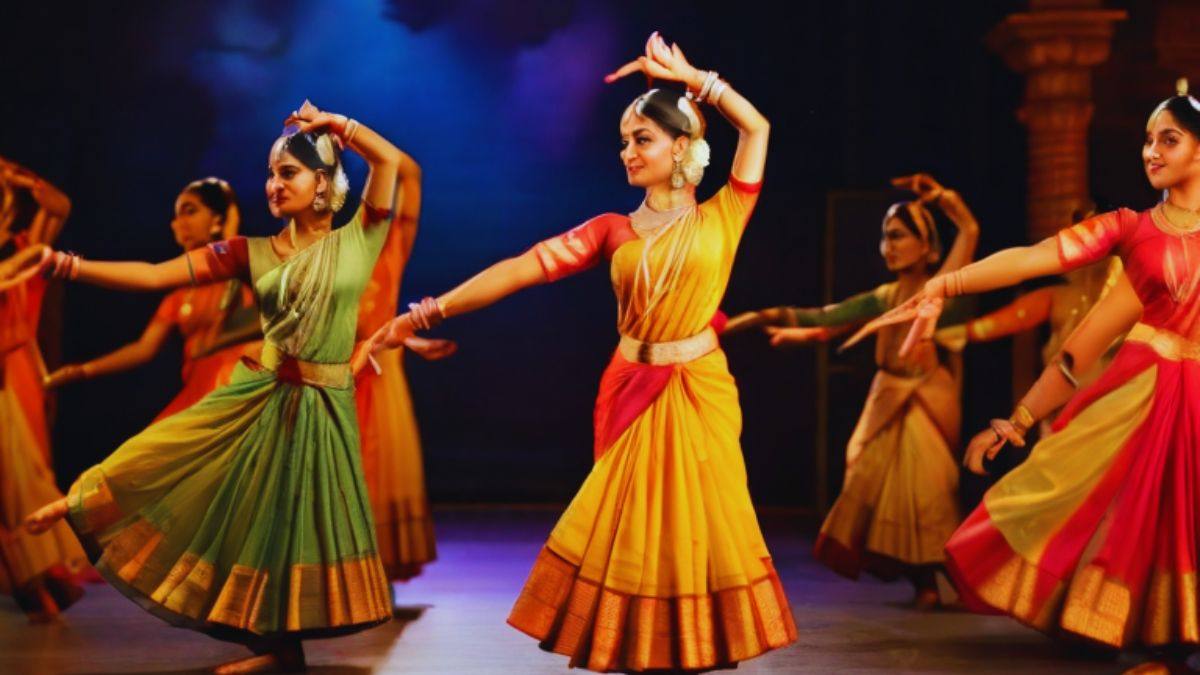
Indian classical dance forms have long communicated mythological and spiritual stories through codified gestures and expressions. Today, dancers increasingly use these vocabularies to address modern realities.
Themes such as migration, gender identity, urbanisation, environmental change, and mental health enter performances rooted in classical technique. Stage design, lighting, and multimedia elements enhance storytelling without erasing tradition.
This evolution reflects broader social conversations. Younger audiences seek relevance alongside reverence. Dance becomes not only aesthetic but reflective.
Training institutions also adapt. While preserving technical rigour, they encourage creative exploration, interdisciplinary collaboration, and contextual understanding. This shift ensures that tradition remains alive rather than frozen.
Visual Art: Ancient Motifs, Digital Mediums
Indian visual art has always balanced symbolism with storytelling. From temple murals to miniature paintings, visual language conveyed layered meaning. Contemporary artists draw on these traditions while embracing new media.
Digital tools enable reinterpretation of motifs once confined to physical surfaces. Artists work with animation, virtual reality, projection mapping, and mixed media to explore heritage in new dimensions.
Exhibitions increasingly blur boundaries between craft and fine art, tradition and technology. Viewers encounter ancient symbols rendered through contemporary processes, inviting both recognition and reinterpretation.
This fusion reflects a broader cultural reality. Technology does not replace tradition; it offers new ways to engage with it.
Folk Art: Revival Without Romanticisation
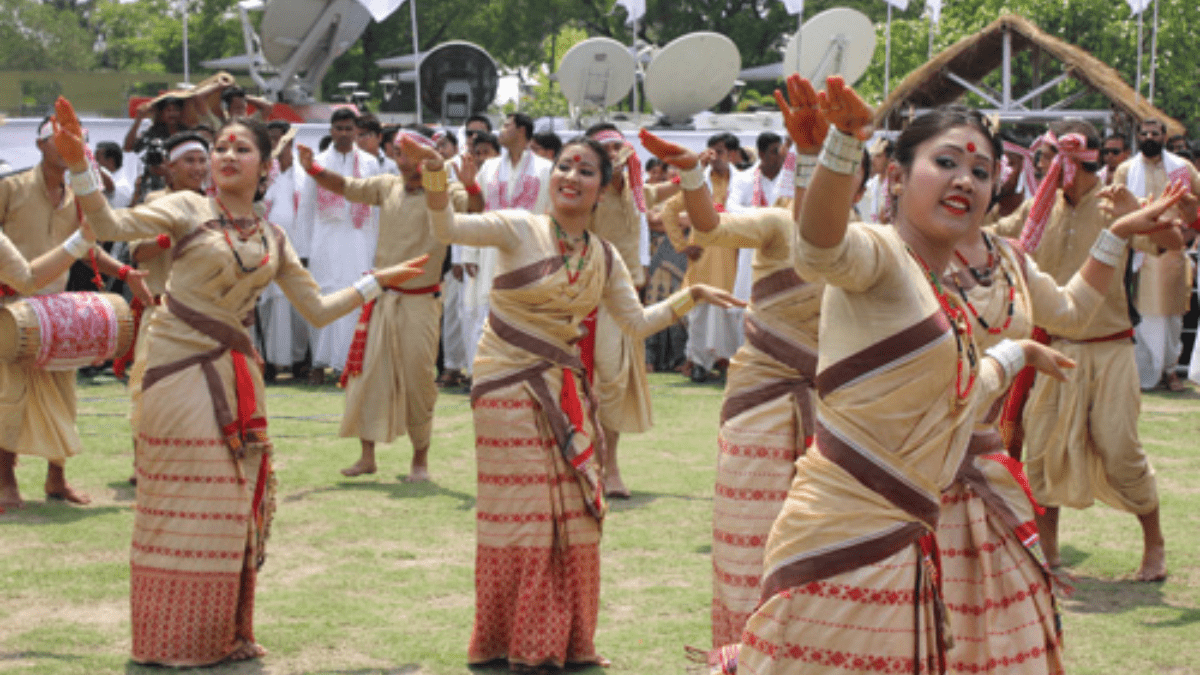
Folk and regional art forms occupy a unique space in India’s cultural ecosystem. Often rooted in community practice rather than individual authorship, they face challenges of survival amid urbanisation and economic pressure.
Recent revival efforts focus not only on preservation but sustainability. Artisans collaborate with designers, educators, and cultural organisations to adapt traditional forms for contemporary markets while retaining integrity.
This approach avoids romanticising poverty or freezing tradition in time. Instead, it recognises artisans as active cultural producers capable of innovation.
For the diaspora, such initiatives reconnect cultural memory with present relevance, creating opportunities for cross-cultural appreciation.
The Role of Education and Access
Education plays a crucial role in this transition. Formal art institutions, informal workshops, and online platforms democratise access to training and exposure. Young artists no longer depend solely on elite gatekeepers.
Digital learning expands reach, allowing students in remote locations to access master classes and archives. This accessibility reshapes who gets to participate in artistic traditions.
However, challenges remain. Quality training requires mentorship, practice, and institutional support. Balancing accessibility with depth remains an ongoing concern.
The Diaspora as Cultural Collaborator
The Indian diaspora influences how tradition evolves. Artists living abroad navigate dual identities, blending heritage with global exposure. Their work often reflects hybrid sensibilities shaped by movement and adaptation.
Diaspora-based festivals, galleries, and performance spaces create platforms for experimentation. Collaboration across borders introduces Indian traditions to new audiences while enriching them with global perspectives.
This exchange is not one-directional. Artists based in India draw inspiration from diaspora experiences, creating a continuous cultural dialogue.
Markets, Audiences, and Authenticity
As Indian art gains global visibility, questions of authenticity and commodification arise. Market demand can shape creative choices, sometimes encouraging superficial fusion over meaningful exploration.
Sustaining artistic integrity requires conscious effort. Artists, curators, and institutions must resist reducing tradition to aesthetic novelty.
At the same time, financial viability matters. Artists need sustainable livelihoods. Navigating this balance remains one of the defining challenges of the current moment.
Technology as Catalyst, Not Replacement
Technology accelerates visibility, but it does not replace craftsmanship. Algorithms may recommend content, but emotional connection sustains engagement.
Artists who succeed in this environment combine technical mastery with storytelling. They understand platforms without surrendering purpose.
The most compelling work emerges when technology serves expression rather than dictates it.
Intergenerational Dialogue
The transformation of Indian art forms is not a generational conflict but an evolving conversation. Senior artists increasingly mentor younger practitioners exploring new directions. Tradition adapts through dialogue, not rupture.
This continuity ensures that innovation remains anchored in knowledge. It also allows elders to witness their art forms breathe in new contexts.
Such dialogue reflects cultural maturity rather than anxiety.
Cultural Identity in a Global Age
As Indian art travels globally, it contributes to broader conversations about identity. It challenges simplistic representations and offers layered narratives rooted in lived experience.
For younger generations, art becomes a way to negotiate belonging. Tradition provides language, while reinterpretation allows agency.
This process reflects a broader truth: culture survives by responding to change.
Looking Ahead
As 2026 begins, Indian art stands at a crossroads rich with possibility. Tradition remains a source of strength, not constraint. Innovation emerges not from abandonment, but from engagement.
The next phase will depend on thoughtful support for artists, equitable access to resources, and respect for cultural depth.
If nurtured carefully, this transition will ensure that Indian art continues to speak meaningfully to future generations.
Conclusion: Continuity Through Change
Indian art has always evolved through adaptation. The current moment is no exception. What distinguishes it is scale, speed, and global connectivity.
From classical music to folk traditions, from dance to digital art, Indian creators are reimagining heritage with confidence and care. They honour the past while addressing the present.
In doing so, they remind us that tradition is not a relic. It is a living conversation.
Disclaimer: This article is an independent cultural feature produced by the WFY Bureau for editorial and informational purposes. It does not represent the official views of any institution or organisation. Observations are based on publicly available information, cultural trends, and reasoned analysis as of the period leading into 2026.