
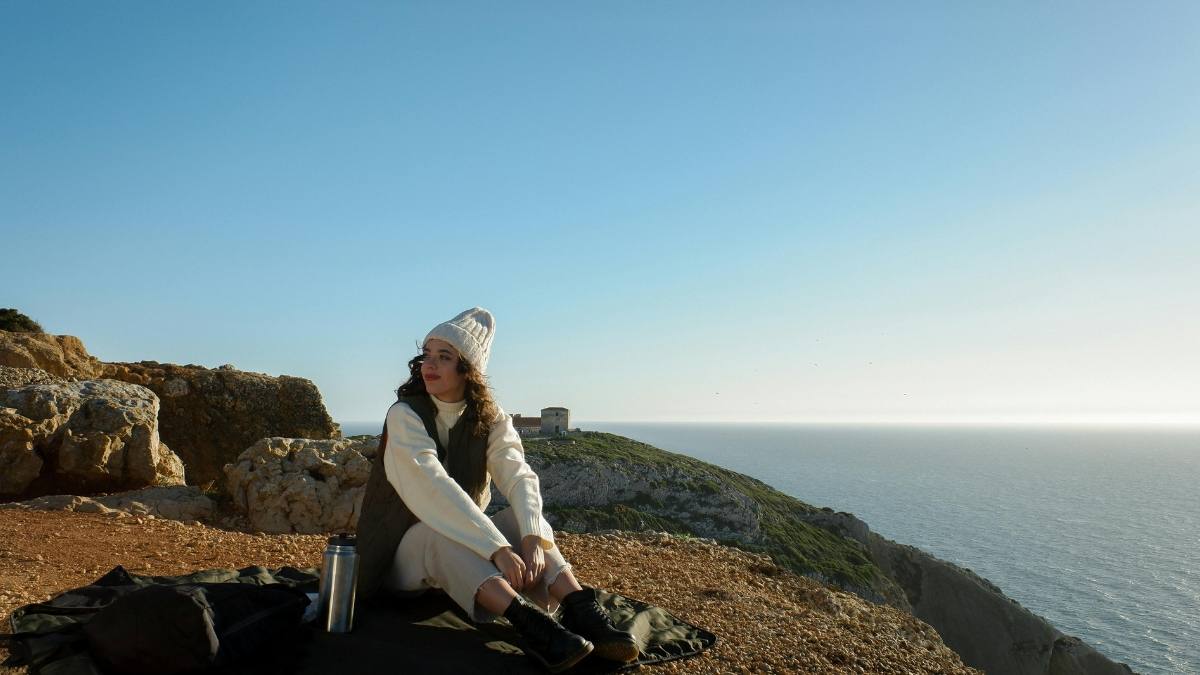
Travel: Is This The New Healing Therapy?
By Ridhima Kapoor, WFY Bureau | Travel & Leisure | The WFY Magazine, January 2026 Anniversary Edition
Summary
In a world marked by fatigue, displacement and emotional overload, travel is being rediscovered not as escape, but as repair. Across continents, people are using movement, slow journeys and intentional solitude to process grief, anxiety and burnout in ways that conventional wellness routines often fail to address. This article explores how travel has quietly evolved into a therapeutic tool, drawing on global trends, psychological insights and diaspora experiences to examine why movement itself is becoming a form of healing in the modern age.
When travelling becomes medicine
For decades, travel was sold as indulgence. A break from work. A reward. A postcard moment to escape routine before returning to it. Healing, if it happened at all, was incidental.

That idea is changing.
Across continents and cultures, a growing number of people are travelling not to escape life, but to repair their relationship with it. They are travelling to regain emotional balance, process grief, recover from burnout, rebuild identity after migration, or simply to feel whole again. Movement itself has begun to function as therapy.
This shift is not accidental. It reflects deeper changes in how modern life is lived, how stress accumulates, how identities fracture across borders, and how traditional support systems fail to keep pace. Travel is no longer merely leisure. For many, it has become an intentional psychological practice.
Among Indian diaspora communities, this transformation is especially visible. Living between cultures, navigating migration stress, caring for families across time zones, and carrying the emotional weight of dislocation, many are turning to travel as a way to heal what cannot be solved through rest alone.
The emotional exhaustion of modern mobility
The modern world moves fast, but not always meaningfully. Digital work collapses boundaries between personal and professional life. Global migration stretches families across continents. News cycles remain relentless. Loneliness increasingly hides behind connectivity.
Mental health indicators across the world reveal rising levels of anxiety, burnout and emotional fatigue, particularly among urban professionals and migrant populations. Diaspora communities often experience a layered form of stress, combining career pressure with cultural displacement and unresolved belonging.
Traditional coping mechanisms struggle in such conditions. Short holidays designed around consumption rarely provide lasting relief. Therapy, while essential, is not always accessible or culturally normalised. Medication addresses symptoms but not context.
Movement offers something different. Travel disrupts routines that reinforce stress. It introduces novelty, distance and perspective. It forces the mind to reorient. In doing so, it creates space for psychological repair.
Why the brain responds to new places
Human brains evolved to adapt through exploration. Novel environments stimulate neural pathways associated with curiosity, learning and emotional regulation. When individuals step into unfamiliar settings, the brain shifts from repetitive stress patterns into adaptive mode.
Studies in cognitive psychology consistently show that exposure to new environments improves mood, enhances cognitive flexibility, and reduces rumination. Even modest changes in surroundings can reset mental loops that fuel anxiety and depression.
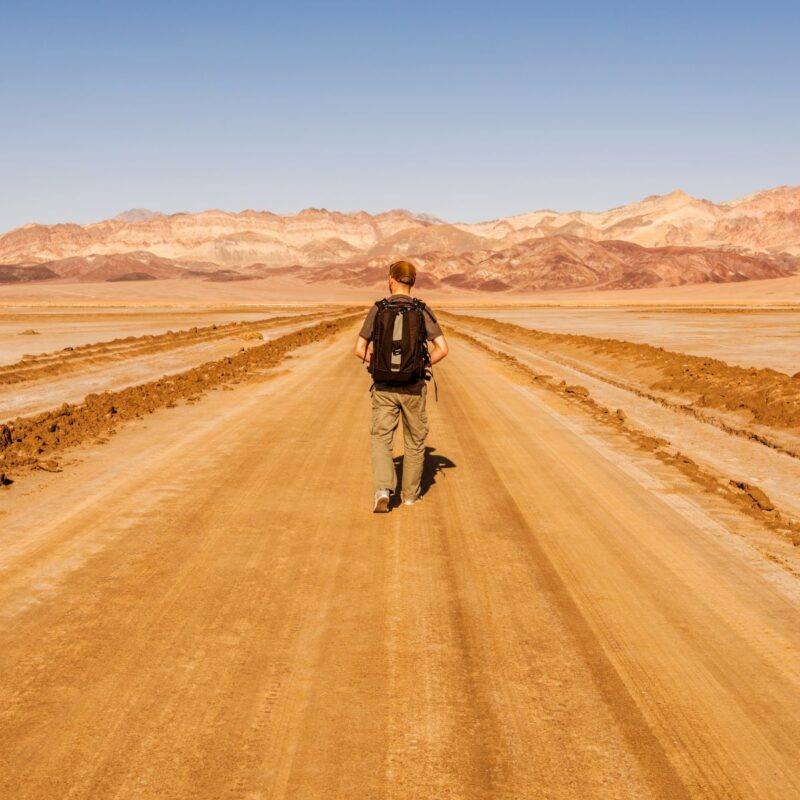
Travel amplifies this effect. It combines physical movement, sensory variation, social interaction and mental engagement. Unlike passive leisure, it demands presence. The brain must pay attention.
For diaspora individuals who often live in high-pressure, structured environments, this interruption can be deeply restorative. The mind, temporarily released from habitual identities and responsibilities, finds room to breathe.
The rise of intentional travel
What distinguishes therapeutic travel from traditional tourism is intention.
People are no longer travelling simply to see places. They are travelling to feel differently. This has led to a rise in journeys designed around inner outcomes rather than external checklists.
Solo travel has grown sharply, particularly among professionals in their thirties and forties. So has slow travel, where people spend longer periods in fewer locations, allowing deeper engagement and reflection. Retreat-based travel focused on wellness, nature immersion and creative practices has expanded rapidly across Asia, Europe and Latin America.
Importantly, these trends cut across income groups. Healing through movement is not confined to luxury wellness resorts. It is visible in budget backpacking, long train journeys, pilgrimages, volunteering trips and rural homestays.
For Indian diaspora travellers, intentional travel often includes reconnecting with ancestral regions, revisiting childhood landscapes, or exploring parts of India never previously seen. These journeys carry emotional resonance that goes beyond relaxation.
Travel and grief, burnout and identity loss
One of the most significant shifts in travel behaviour has been its role in processing grief and emotional rupture.
After bereavement, divorce, job loss or major illness, many individuals report an urge to leave familiar surroundings. This is not escapism. It is an instinctive attempt to reset identity after disruption.
Grief alters perception. Everyday spaces become heavy with memory. Travel introduces emotional neutrality. New places allow people to exist without constant reminders of loss. This creates psychological breathing room, essential for healing.
Burnout follows a similar pattern. When stress becomes chronic, the body signals withdrawal. Travel interrupts the cycles that sustain exhaustion. It changes time perception, reduces cognitive overload, and restores a sense of agency.
Among diaspora communities, identity loss can be subtle but persistent. Living abroad often involves partial belonging everywhere and complete belonging nowhere. Travel becomes a way to renegotiate identity, not by choosing one place over another, but by integrating multiple selves.
Nature, solitude and sensory repair
Modern environments overstimulate the nervous system. Noise, screens, artificial lighting and constant notifications keep stress responses activated.
Natural environments have the opposite effect. Research consistently shows that time spent in nature lowers cortisol levels, reduces blood pressure and improves emotional regulation. Travel allows people to access landscapes unavailable in daily life, whether mountains, forests, oceans or deserts.

Solitude also plays a role. Many therapeutic travellers intentionally choose journeys that reduce social demand. Solo travel is not about isolation, but about reclaiming internal dialogue without interruption.
For diaspora professionals accustomed to performative social roles, solitude offers rare psychological honesty. Without the need to explain identity or manage expectations, individuals often rediscover emotional clarity.
The Indian diaspora experience
For Indian migrants, travel as therapy takes on distinctive forms.
Some travel back to India, not for family obligations, but for personal reconnection. They explore regions outside ancestral homes, seeking distance from expectation while remaining within cultural familiarity.
Others travel away from both host country and homeland, choosing neutral territories where identity can be temporarily suspended. Southeast Asia, Eastern Europe, Central Asia and parts of Africa have become popular among Indian travellers seeking perspective rather than nostalgia.
There is also a growing trend of intergenerational travel, where families use shared journeys to repair relationships strained by migration, caregiving burdens or long periods of separation.
Travel becomes a bridge. Between generations. Between identities. Between versions of the self shaped by different geographies.
The economics of wellness travel
This emotional shift has economic consequences. Wellness tourism has become one of the fastest-growing segments of the global travel industry. Destinations are adapting infrastructure to support longer stays, slower travel and holistic experiences.
However, there is a risk in over-commodifying healing. When therapy becomes packaged as a product, it can lose authenticity. Not every healing journey needs a spa or a retreat schedule.
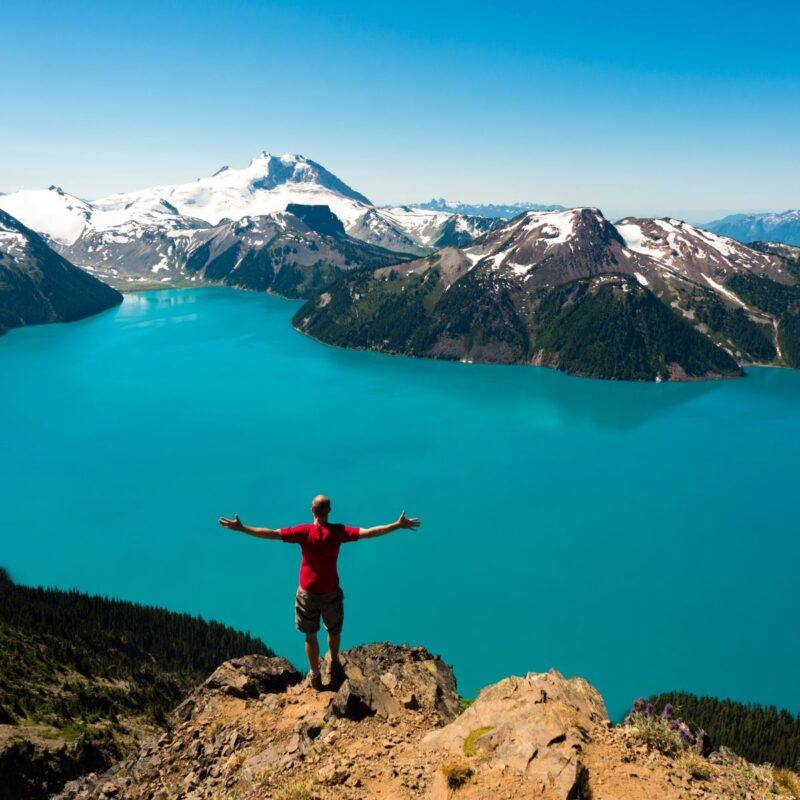
Many of the most transformative experiences involve simple movement. Walking unfamiliar streets. Taking trains without urgency. Living temporarily with fewer possessions. Engaging with local rhythms.
For diaspora travellers, affordability matters. Healing travel often succeeds precisely because it steps away from performance and consumption.
Travel is not a substitute for care
It is important to state clearly that travel is not a replacement for mental health care. Severe psychological conditions require professional support. Movement alone cannot resolve deep trauma.
However, travel can complement therapy. It can reinforce insights gained through counselling. It can create conditions where healing practices become sustainable. It can restore agency when individuals feel trapped.

In many cultures, including Indian communities, travel has historically been part of healing. Pilgrimages, seasonal migrations and journeys of renewal were embedded in social life long before modern psychology named their benefits.
What is new is the articulation of travel as an intentional mental health tool in a globalised world.
A cultural shift in how we rest
Perhaps the most radical aspect of travel as therapy is its challenge to how rest is defined.
Rest is no longer understood solely as inactivity. It is increasingly understood as meaningful movement. As engagement without pressure. As exploration without productivity goals.
This redefinition resonates strongly with younger diaspora generations who reject burnout as a badge of honour. For them, travel is not about escape, but alignment.
Movement becomes a way to recalibrate values, relationships and priorities. Healing emerges not from stillness alone, but from motion with purpose.
What this means for the future of travel
As we move into the latter half of the decade, travel will continue to evolve beyond tourism. Destinations that recognise emotional needs rather than merely attractions will remain relevant.
For travellers, particularly those navigating cross-border lives, the question will not be where to go, but why.
Travel as therapy invites a slower, more honest engagement with the world. It acknowledges that healing does not always happen at home, and that sometimes, the body must move before the mind can follow.
In a world marked by fragmentation, movement offers coherence. In a world of constant noise, travel offers listening. In a world that rarely pauses, travel offers permission to heal.
Nature-Led Healing Destinations
- Iceland – Geothermal baths, volcanic silence, low population density; widely linked to stress reduction and nervous system reset.
- Patagonia (Chile & Argentina) – Vast open landscapes that support emotional release and cognitive reset through awe and physical exertion.
- Banff National Park – Alpine environments shown to reduce cortisol levels through prolonged nature exposure.
- Bled – Walkable, slow-paced lakeside living ideal for anxiety recovery and digital detox.
- Faroe Islands – Isolation, strong winds, and minimal stimulation encourage deep mental stillness.
Spiritual & Mindfulness Retreat Centres
- Rishikesh – Long associated with yogic discipline, breathwork, and trauma-informed meditation practices.
- Kyoto – Zen aesthetics, ritual walking, and seasonal awareness that encourage mental clarity.
- Luang Prabang – Gentle rhythms of monastic life foster emotional grounding and reflection.
- Bhutan – Policy-driven emphasis on well-being over consumption; travel here often reframes personal values.
- Mount Koya – Temple stays combining silence, routine, and forest immersion.

Coastal & Water-Based Healing Environments
- Amalfi Coast – Sunlight, walking, and Mediterranean diet linked to mood regulation.
- Tulum – Popular for breathwork, somatic therapies, and nature-based retreats.
- Big Sur – Cliffside landscapes that induce introspection and emotional processing.
- Byron Bay – Surf therapy and community wellness culture.
- Lofoten Islands – Cold-water exposure and light variation associated with resilience training.
Mountain & Altitude-Driven Healing
- Swiss Alps – Clean air, walking trails, and regulated silence zones.
- Leh – High-altitude minimalism encouraging mental recalibration and emotional humility.
- Cusco – Cultural continuity and mountain energy often associated with personal transitions.
- Dolomites – Slow hiking and visual serenity linked to anxiety reduction.
- Himalayas – Long used for contemplative retreats and grief processing.
Slow-Living & Community-Centred Places
- Tuscany – Agrarian rhythms and food culture supporting emotional regulation.
- Kerala – Ayurveda, water-based living, and slower daily tempo.
- Provence – Light, colour, and seasonal living associated with mood elevation.
- Ubud – Mind-body therapies combined with nature immersion.
- Alentejo – Low population density and restorative silence.
Why these places matter now?
Across global studies, movement, novelty, natural environments, and ritualised slowness are increasingly recognised as tools for:
- Stress recovery
- Burnout healing
- Grief processing
- Emotional recalibration
- Cognitive renewal
For the Indian diaspora, these destinations also offer distance without disconnection—spaces to heal without abandoning cultural or emotional roots.
Disclaimer: This article is intended for general informational and cultural insight purposes only. It does not constitute medical, psychological or therapeutic advice. Readers experiencing mental health concerns are encouraged to seek qualified professional support. Observations and trends discussed reflect information available up to 31 December 2025 and may evolve thereafter.