
Modern Life Now Turns Out To Be A Lonely Affair
By Ridhima Kapoor, WFY Bureau | Lifestyle | The WFY Magazine, January, 2026 Anniversary Edition
Living Between Worlds: Solo Lives, Identity, and Belonging in a Global Age
Summary
As solo living becomes a defining feature of modern life, millions are navigating identity and belonging without the anchors of traditional family structures. For global and diaspora communities, living alone is no longer just a lifestyle choice, but a reflection of mobility, cultural negotiation, and the search for connection in an increasingly borderless world.
A Quiet Shift in How We Live
Across cities and continents, a quiet but profound change is unfolding. More people than ever before are living alone, not as a temporary stage but as a long-term way of life. This shift is not confined to any one country or culture. It spans age groups, professions, and economic classes. What once carried social stigma is now increasingly normalised, even aspirational.
As 2026 begins, solo living is no longer simply about housing choices. It reflects deeper changes in identity, mobility, work, relationships, and how individuals locate belonging in a world that is more connected yet often more isolating.
For diaspora communities, particularly those shaped by migration, this shift carries additional layers of meaning. Living alone often means living between worlds: balancing inherited cultural expectations with the realities of modern, global life.

The Rise of Solo Living
Demographic patterns across developed and developing economies show a steady rise in single-person households. Urbanisation, delayed marriage, longer life expectancy, and economic independence have all contributed to this trend. In many global cities, one-person households now account for a substantial share of total housing units.
This rise is not driven by a single cause. For some, solo living represents freedom and self-definition. For others, it reflects economic constraints, work mobility, or fractured family structures. What unites these experiences is that living alone is no longer an anomaly. It is a defining feature of modern lifestyles.
Technology has made this possible. Digital communication reduces reliance on physical proximity. Services once shared within families are now outsourced. Homes are smaller, careers more mobile, and social networks less geographically anchored.
Migration and the Experience of Living Alone
Migration has always involved separation. What is new is the scale and duration of that separation. Millions now spend decades away from extended family networks, often in societies where individualism is culturally dominant.
For members of the Indian diaspora, solo living can be both empowering and disorienting. Traditional expectations emphasise collective living, interdependence, and family proximity. Modern realities often demand autonomy, flexibility, and self-reliance.
Living alone becomes a negotiation between cultural inheritance and lived necessity. It reshapes daily routines, emotional support systems, and the sense of who one is when removed from familiar social structures.
Identity in a Mobile World
Global mobility has altered how identity is formed and sustained. People move across borders for education, work, and opportunity, often multiple times over a lifetime. Each move adds layers to identity while also diluting singular attachments.
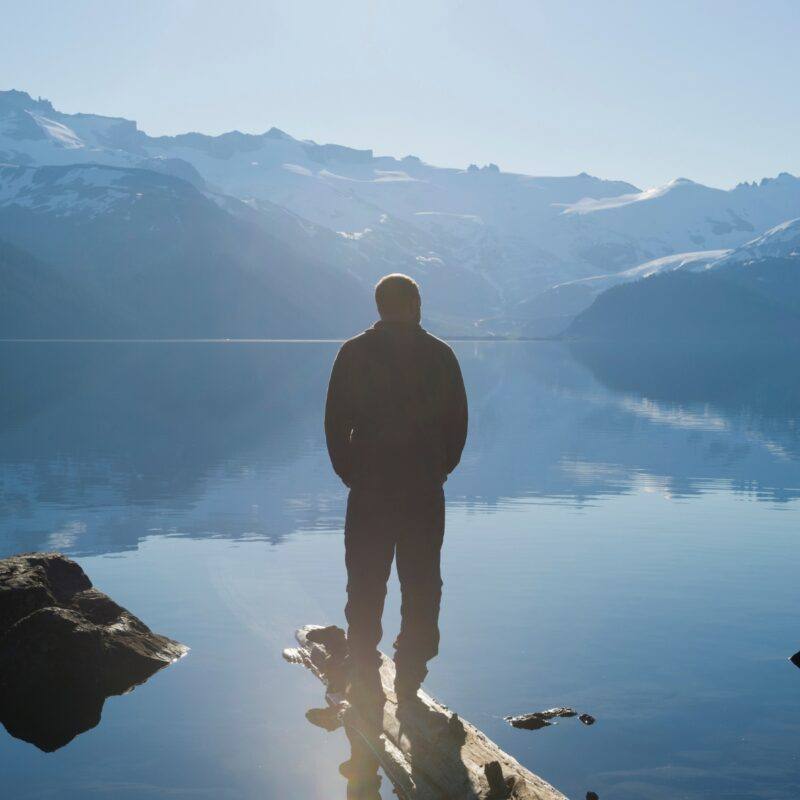
Living alone in such contexts intensifies self-reflection. Without constant social mirroring, individuals confront questions of belonging more directly. Where is home? Who constitutes community? What traditions endure when practised alone?
This process can be liberating. It allows for reinvention and personal growth. It can also be unsettling, particularly when cultural anchors weaken without replacement.
The Emotional Landscape of Solo Lives
Living alone does not equate to loneliness, but neither does it guarantee fulfilment. The emotional reality lies somewhere in between.

Many solo dwellers report greater autonomy, control over time, and personal space. At the same time, absence of shared daily experiences can amplify moments of isolation, particularly during illness, crisis, or cultural milestones.
For diaspora individuals, distance from family traditions can intensify this duality. Festivals, rituals, and life events often unfold digitally rather than physically. The emotional labour of maintaining connection increases.
The challenge is not solitude itself, but sustaining meaningful connection without constant proximity.
Belonging Beyond Geography
Belonging in a global age is increasingly detached from place. Communities now form around shared interests, values, and experiences rather than neighbourhoods or kinship alone.
Digital platforms enable connection across time zones. Cultural identity is maintained through media, language, and virtual networks. Yet digital belonging often lacks the tactile reassurance of physical presence.
Many navigate this gap by cultivating hybrid communities: professional networks, cultural associations, hobby groups, and informal social circles that provide partial belonging across contexts.
Belonging becomes plural rather than singular.
Changing Family Structures
Solo living is also reshaping family structures. Marriage and parenthood are delayed or redefined. Extended families are dispersed across continents. Care responsibilities shift as traditional support systems stretch thinner.
For some, living alone is a deliberate rejection of conventional timelines. For others, it is a consequence of economic or geographic necessity. In both cases, the social contract surrounding family is evolving.
This evolution raises practical questions. Who provides care during illness? How is ageing managed across borders? What replaces the informal safety nets once provided by co-residence?
These questions remain largely unanswered.
Economic Independence and Lifestyle Choice
Economic factors play a central role in solo living. Rising incomes among young professionals, especially women, have increased financial independence. At the same time, housing costs and job mobility discourage long-term commitments.
Solo living offers flexibility. It allows individuals to pursue opportunities without negotiating shared responsibilities. Yet it also carries higher per-capita costs, from rent to healthcare.
For diaspora populations, economic independence can be both a shield and a burden. Financial success often masks emotional isolation. The expectation of resilience can discourage seeking support.
Lifestyle choices intersect with economic realities in complex ways.
The Role of Cities
Cities have become the primary habitat for solo living. Urban environments offer anonymity, opportunity, and diversity. They also foster transience and fragmentation.
Global cities attract migrants but rarely offer deep belonging easily. Social life becomes transactional. Relationships are fluid. Community must be actively constructed.
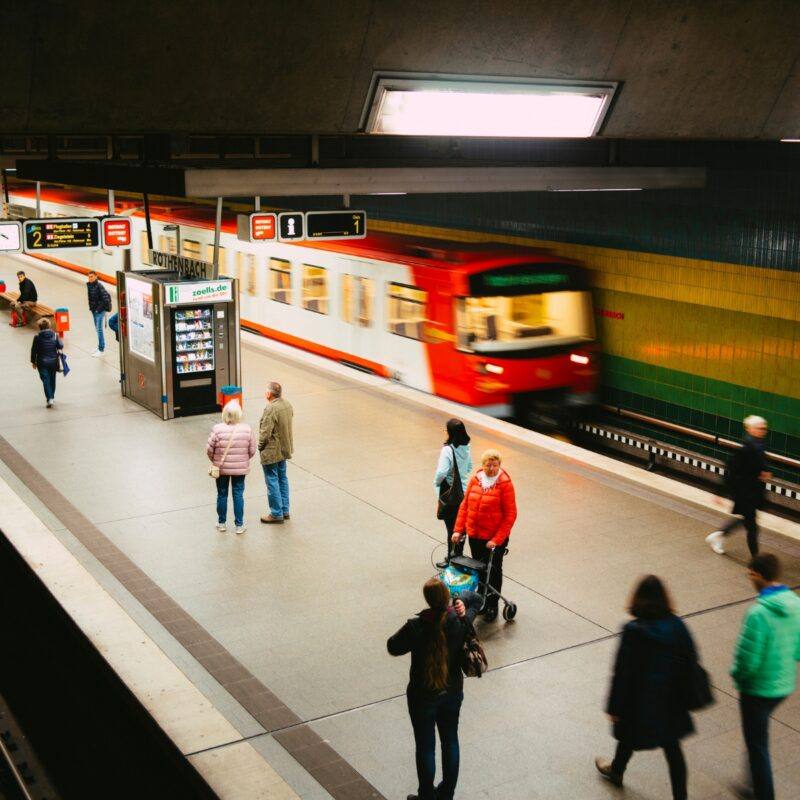
Urban design often prioritises efficiency over connection. Small apartments, long commutes, and digital services reduce incidental interaction.
Reimagining cities as spaces of connection rather than mere productivity hubs is an ongoing challenge.
Mental Health and the Solo Experience
Living alone places greater responsibility for emotional regulation on the individual. Without daily social feedback, stress and anxiety can intensify unnoticed.
Mental health challenges do not stem from solo living itself but from lack of supportive networks. When combined with high work pressure and cultural displacement, the risk increases.

Recognising the need for intentional connection is essential. Community engagement, routine social contact, and self-awareness become protective factors.
Mental wellbeing in solo lives requires deliberate care.
Redefining Success and Fulfilment
Modern success narratives often celebrate independence and self-sufficiency. Solo living fits neatly into this ideal. Yet fulfilment remains relational.
As more people live alone, success may need redefinition. Achievement without belonging risks emptiness. Balance lies in integrating autonomy with connection.
For diaspora individuals, this integration involves reconciling inherited values with lived realities. Fulfilment becomes less about conformity and more about coherence.
Building New Forms of Community
Communities of choice are emerging to fill the gaps left by dispersal. Shared housing, co-living spaces, cultural hubs, and interest-based groups offer alternatives to traditional family structures.
These spaces provide companionship without obligation, belonging without permanence. They reflect experimentation with how people live together in a mobile world.
Such models remain unevenly accessible, often limited to urban centres and higher incomes. Expanding inclusive community spaces remains a social priority.
Technology as Connector and Divider
Technology enables solo living by replacing many functions of shared life. Food delivery, entertainment, work, and communication are mediated through screens.
While this increases convenience, it can reduce embodied social interaction. The challenge lies in using technology to enhance connection rather than substitute it.
Intentional digital engagement, combined with offline interaction, offers a path forward.
Cultural Continuity in Isolation
Maintaining cultural identity while living alone requires conscious effort. Language, rituals, and traditions must be practised without communal reinforcement.

Many diaspora individuals become cultural custodians by choice rather than default. Cooking traditional food, observing festivals privately, and engaging with cultural media sustain continuity.
This personalisation of culture transforms tradition from obligation into expression.
The Question of Home
For those living between worlds, home becomes a fluid concept. It may reside in memory, relationships, or future plans rather than a fixed location.
Solo living intensifies this ambiguity. Without shared domestic life, home becomes internalised.
Accepting this fluidity can be freeing, but it also demands resilience.
Towards a More Connected Solo Life

Living alone does not mean living disconnected. It requires intentional design of social life, routines, and support systems.
Policy, urban planning, and cultural narratives can support healthier solo living by fostering inclusive spaces, accessible services, and community engagement.
For individuals, cultivating belonging becomes an active practice rather than a passive inheritance.
Conclusion: Living Between Worlds With Purpose
As 2026 begins, solo living stands as both a symbol of modern freedom and a test of social cohesion. It reflects how deeply globalisation has reshaped daily life.
For diaspora communities, living between worlds is not merely geographic. It is emotional, cultural, and existential.
Belonging in a global age is no longer given. It is built.

Disclaimer: This article is an editorial feature produced by the WFY Bureau for informational and cultural reflection purposes. It does not constitute psychological, medical, or social advice. Readers are encouraged to seek professional guidance where needed.