
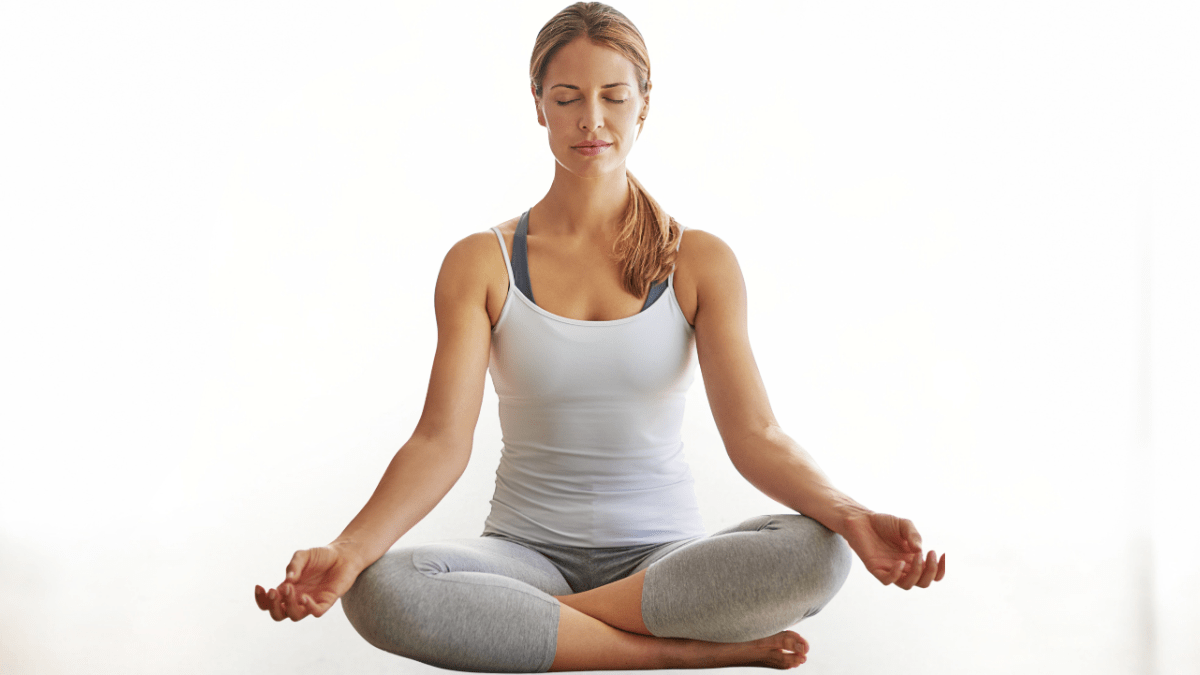
Revealing The Best Exercises That Can Improve Your Lung Capacity
By WFY Bureau | Health & Wellness | The WFY Magazine, December, 2025 edition
Breathing Exercises That Can Help Improve Lung Capacity And Respiratory Health
A Health Story Written in the Air We Breathe
For millions of people around the world, especially those of Indian origin living in global mega-cities, the simple act of breathing has become more complicated than ever before. Air pollution, indoor contaminants, respiratory infections, sedentary lifestyles, and increasingly stressful work cultures have made healthy breathing a daily challenge. Across Delhi, London, Dubai, Singapore, Johannesburg and New York, Indian families often find themselves living in environments where air quality fluctuates unpredictably and lung health requires active attention.
In India alone, several metropolitan areas regularly record dangerously high Air Quality Index (AQI) levels during winter. On one recent morning in Delhi-NCR, many stations crossed 400, a range officially classified as severe. Such readings are not merely statistics. For vulnerable individuals, children, the elderly, and those living with asthma or chronic bronchitis, they can be a real health threat. Across 39 monitoring points, more than half recorded air thick with pollutants. Many Indian diaspora communities living abroad watch these numbers anxiously, particularly when elderly parents or relatives live in affected cities.
But air quality is no longer only an Indian challenge. Indian-origin families across the world are increasingly raising concerns about pollution spikes in foreign cities. In parts of the Gulf region, dust storms seasonally elevate particulate matter. In Southeast Asia, forest fires cause trans boundary haze. In North America and Europe, wildfire smoke has become an annual phenomenon. As a result, lung and respiratory health have become shared issues across continents.
This is where a quiet yet powerful solution steps in, one that costs nothing, can be done anywhere, and has scientific backing. Breathing exercises.
This article explores how deliberate breathing techniques strengthen the lungs, improve respiratory efficiency, and help individuals living in polluted or high-stress environments manage their health better. It also shows how Indian traditions, particularly yogic breathing, have travelled with the diaspora and now find place in hospitals, sports academies, community centres, and corporate wellness programmes around the world.
To tell this story, we take a simple angle:
How can ordinary people, especially Indians living across global cities, strengthen their lungs in an era where clean air can no longer be taken for granted?
Why Lung Health Has Become a Global Concern
1. Urban living and reduced lung efficiency
The way most of us live today makes it harder for the lungs to perform optimally. Many Indian families abroad work long hours in offices, often sitting for extended periods, limiting chest expansion and natural deep breathing. When the diaphragm, the main muscle responsible for respiration ,remains underused, the lungs lose elasticity over time.
Clinicians have observed that sedentary adults tend to gradually develop shallow breathing patterns. This reduces oxygen intake and affects general vitality, concentration, sleep, and immunity.
2. Pollution and environmental triggers
Air quality remains one of the most significant modern threats to respiratory health. Across several Indian cities and many international urban centres, pollutant levels regularly cross recommended limits. Particulate matter (PM2.5 and PM10), nitrogen dioxide, sulphur dioxide and ozone contribute to airway inflammation and increased breathlessness among sensitive individuals.
For diaspora communities, the concern is two-fold. They must protect themselves in their host countries and also help family members in India prepare for heavy pollution months.
3. The rise of respiratory illnesses post-pandemic
Health experts worldwide have noted an increase in respiratory symptoms, including shortness of breath, post-viral fatigue, chronic cough, and reduced lung function among people recovering from infections over the past few years.
Breathing exercises, when performed regularly, have shown benefits in helping individuals regain lung strength and improve recovery time.
4. Stress and the breath
This is a factor widely overlooked. Stress alters breathing. People under pressure tend to breathe rapidly and shallowly. Many diaspora families, especially those navigating high-paced work cultures in Western and Middle Eastern cities, unknowingly adopt shortened breath patterns that deprive the body of full oxygen supply.
Over time this affects not only the lungs but also mental wellbeing, cardiovascular health and immunity.
Why Breathing Exercises Matter More Than Ever
The lungs are one of the few organs that can be strengthened through conscious training. Much like muscles respond to physical exercise, the diaphragm and respiratory muscles respond to targeted breathing practices.
Benefits recorded in several health studies include:
• increased lung capacity
• better oxygen exchange
• improved endurance for physical activity
• reduced breathlessness in people with mild respiratory issues
• improved sleep quality
• enhanced immunity
• stabilised heart rate
• reduced stress and anxiety
• improved posture and spinal alignment
For Indian-origin communities, many of these practices are not unfamiliar. Yogic pranayama techniques have been part of Indian culture for centuries. Today, global health institutions increasingly recognise the value of these traditional breathing methods.
This article now explores each of the most effective exercises, rewritten into original descriptions, and explains how they support the respiratory system.
The Most Effective Breathing Techniques for Stronger Lungs
1. Diaphragmatic Breathing
Strengthening the lungs from their foundation
Diaphragmatic breathing, commonly known as belly breathing, trains the body to use the diaphragm efficiently. It improves the downward movement of this large muscle, enabling the lungs to expand more fully.
How it works
Sit or lie in a comfortable position. Place one hand on the abdomen and the other on the chest. Inhale through the nose slowly. The key is to feel the abdomen rise more than the chest. Exhale gently through slightly parted lips.
Why it helps
• encourages deeper oxygen intake
• eases the effort required to breathe
• slows down the respiratory rate
• supports individuals with asthma or weak respiratory muscles
Doctors often recommend this technique to patients with chronic lung issues because it retrains the body to breathe efficiently.
2. Rib Stretching
Expanding the chest cage for greater lung volume
The rib cage acts like a natural armour around the lungs, but it is also flexible. Stretching the ribs improves this flexibility and allows the lungs to expand more during inhalation.
How to do it
Stand upright, with the shoulders relaxed. Exhale completely. Then inhale slowly and deeply, filling the lungs as much as possible. Hold the breath for about ten to twenty seconds. Release the breath slowly. Repeat a few times.
Why it works
• opens tight chest muscles
• expands intercostal muscles between the ribs
• helps increase lung capacity over time
Many athletes use rib-expansion techniques to improve endurance.
3. Pursed-Lip Breathing
A technique to ease breathlessness
This breathing style slows down exhalation and keeps airways open longer. It is particularly beneficial for individuals who experience shortness of breath during physical activity.
How to practise
Sit comfortably. Inhale through the nose for two seconds. Purse the lips lightly, similar to preparing to whistle, and breathe out slowly for four to six seconds.
Benefits
• prevents air from getting trapped in the lungs
• reduces breathlessness
• improves oxygenation
• calms the nervous system
This technique is used in many respiratory therapy programmes around the world.
4. Abdominal Breathing
Training the body to breathe efficiently
Similar to diaphragmatic breathing but with focus on controlled movement of the abdomen, this exercise strengthens the abdominal wall and diaphragm working together.
How to do it
Lie on your back. Place one hand on the stomach and one on the chest. Breathe in deeply so the stomach rises higher than the chest. Exhale slowly, feeling the stomach fall. Repeat multiple times.
Benefits
• improves oxygen flow
• reduces tension in neck and chest muscles
• strengthens the diaphragm
This is especially useful for those who spend long hours sitting.
5. Balloon-Inflation Exercise
Building respiratory muscle strength
This surprisingly effective exercise trains both inhalation and exhalation muscles. Blowing air into a balloon forces the lungs to work harder.
How to practise
Take a deep breath. Blow steadily into a balloon until it inflates. Rest briefly. Repeat a few times. Do not overexert.
Why it helps
• strengthens respiratory muscles
• increases lung capacity
• supports smokers or older adults in rebuilding lung power
This exercise is often used in pulmonary rehabilitation.
6. Chest Expansion Exercise
Improving mobility and chest function
This technique opens the chest area and helps individuals maintain good posture.
How it is performed?
Stand or sit upright. Raise the arms out to the sides or overhead while taking a deep breath. Hold for a few seconds. Lower the arms gradually while exhaling.
Benefits
• enhances lung expansion
• strengthens chest muscles
• improves posture and oxygen flow
This exercise counteracts the effects of slouching and long-term sitting.
7. “Pushing Out” Technique
Increasing diaphragm flexibility
This traditional breathing practice helps release stale air from the lungs and improves their ability to take in more oxygen.
How to do it
Stand relaxed. Bend slightly forward at the waist. Push out as much air as possible. Slowly return to an upright position and inhale deeply until the lungs feel completely filled. Hold the breath briefly and exhale slowly.
Benefits
• improves breath control
• enhances diaphragm movement
• increases lung elasticity
Many yoga practitioners use this to reset breathing patterns.
What Lung-Health Research Says
To weave the narrative with facts, here is a summary of global health insights based on widely reported studies:
- Breathing exercises can increase lung capacity by an average of 10 to 15 percent when practised regularly over several weeks.
- Diaphragmatic breathing has been shown to reduce respiratory rate in individuals with chronic breathing difficulties.
- Slow breathing exercises activate the parasympathetic nervous system, reducing stress markers in the bloodstream.
- Lung-strengthening exercises are now recommended in many post-viral recovery programmes.
- High-intensity lifestyles without adequate breathing practices contribute to sleep disturbances, anxiety and reduced concentration.
Although the exact figures vary among studies, the underlying conclusion remains consistent, regular structured breathing improves lung function, oxygen exchange and overall wellbeing.
The Indian Connection
How breathing traditions travelled with the diaspora
For centuries, India has had an intimate relationship with breath. Yogic texts describe breath as the bridge between mind and body. This knowledge travelled with Indian migrants to the UK, East Africa, Southeast Asia, the Middle East, and beyond.
Today:
• Yoga studios run by Indian-origin instructors are thriving across Europe and Australia.
• Breathing workshops are common in diaspora community centres.
• Many Indian parents abroad teach their children pranayama for concentration and calmness.
• Doctors in Western hospitals sometimes recommend breathing practices inspired by Indian traditions as part of rehabilitation.
Breathing exercises have quietly become one of India’s most influential cultural exports, not through glamour or entertainment, but through health and wellness.
How to Build a Daily Breathing Routine
The key to stronger lungs is consistency. Here is a gentle, balanced routine suitable for working adults, seniors, and even teenagers:
Morning (5 minutes):
• Diaphragmatic breathing (2 minutes)
• Rib stretching (3 minutes)
Afternoon break (3 minutes):
• Pursed-lip breathing (3 minutes)
Evening (5 to 7 minutes):
• Chest expansion exercise (3 minutes)
• Abdominal breathing (2 minutes)
• Balloon inflation (optional 1 to 2 minutes)
Weekly (2 days):
• Pushing out technique (3 to 4 repetitions)
This routine can be adjusted depending on age and comfort.
A Global Issue, A Simple Solution
Whether you live in Bengaluru or Bahrain, Toronto or Thiruvananthapuram, London or Ludhiana, the respiratory challenges of modern life are universal. Clean air may not always be within our control. Breathing, however, is.
Strengthening the lungs is an investment in long-term health. It improves endurance, reduces illness, supports mental wellbeing and enhances everyday vitality. For the Indian diaspora, breathing practices are not merely exercise but an inheritance, a tradition that strengthens the body while grounding the mind.
WFY’s 10-Step Guide to Lung-Healthy Living
(A quick, practical checklist for everyday breathing health)
1. Start Your Day with Deep Breathing
Spend three minutes practising diaphragmatic breathing each morning. This wakes up the lungs and prepares the body for the day.
2. Keep Indoor Air Clean
Use indoor plants, ventilate rooms daily and keep dust levels low. In high-pollution regions, use certified air purifiers.
3. Stay Hydrated
Water keeps the mucous lining thin, making it easier for the lungs to filter irritants and pollutants.
4. Maintain Good Posture
Avoid slouching at desks or sofas. A straight spine allows the lungs to expand fully with each breath.
5. Practise Pursed-Lip Breathing During Stress
Whenever you feel breathless or anxious, slow your exhalation with pursed lips. This stabilises your breath and calms the nervous system.
6. Add a Five-Minute Breathing Routine to Your Evening
Combine chest expansion, abdominal breathing and light rib stretching to help the lungs reset after a long day.
7. Stay Physically Active
Walking, cycling, yoga and swimming all encourage natural deep breathing. Even ten minutes of activity helps.
8. Avoid Smoke Exposure
Protect yourself from tobacco smoke, incense smoke and heavy kitchen fumes. If possible, ventilate cooking areas well.
9. Check Air Quality Before Outdoor Activity
If AQI levels are high, especially above 200, avoid strenuous outdoor exercise and keep N95 masks handy.
10. Make Breathing Exercises a Family Habit
Practise simple exercises together. Children, elderly relatives and working adults all benefit from improved lung function.
Your Breath Is Your First Line of Defence
In a world where air quality fluctuates, stress rises, and respiratory vulnerability increases, breathing exercises are a powerful, accessible tool. They require no equipment, no membership, and no expense. They only require attention and commitment.
By understanding and practising them, every reader, from students to working professionals to elderly family members, can protect their respiratory health and improve the quality of their life.
Disclaimer: This article provides general information for awareness and wellness. It is not a substitute for medical advice or diagnosis. Individuals with chronic illnesses or respiratory disorders should consult a licensed healthcare professional before beginning any new exercise routine.