
Easter Now: Meaning, Faith, And Relevance In Today’s World
Easter is one of the most important festivals in Christianity, yet its meaning often goes far beyond religion. For many, it is a time of quiet reflection, renewal, and hope. For others, it may simply be a cultural celebration marked by gatherings, food, and tradition. But at its core, Easter is about something deeply human. It is about life, loss, resilience, and the possibility of beginning again.
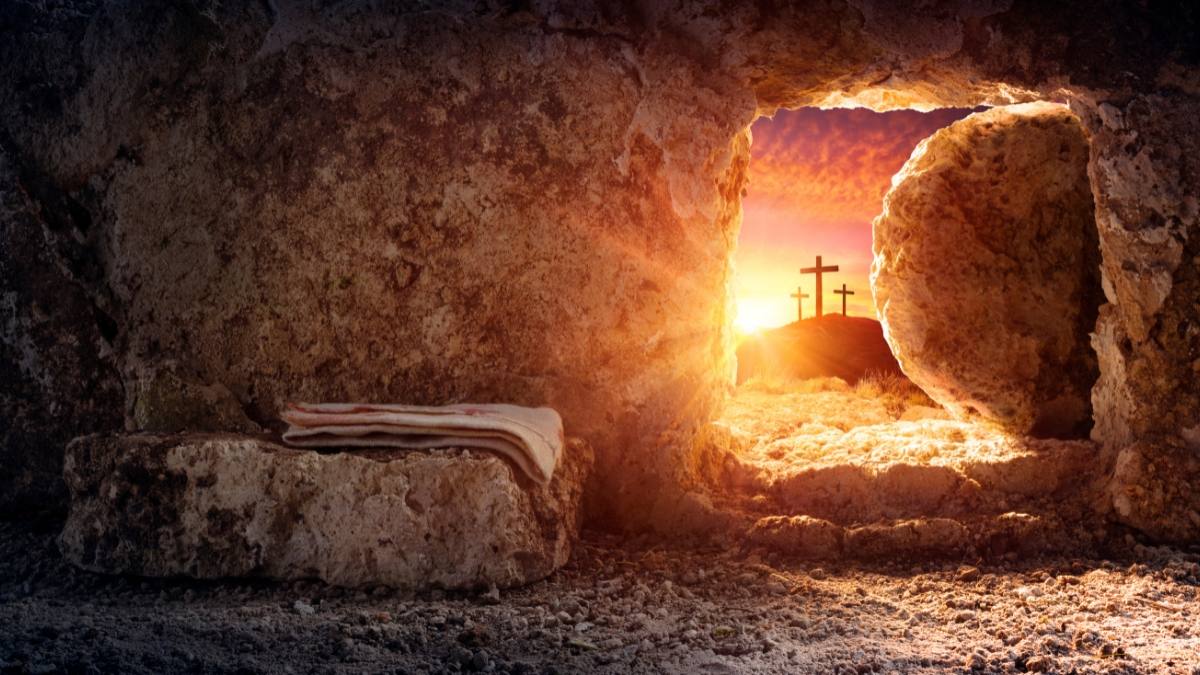
To understand Easter, one must look at the events it commemorates. It marks the resurrection of Jesus Christ, believed by Christians to have risen from the dead on the third day after his crucifixion. The days leading up to Easter are equally significant. Good Friday remembers the suffering and crucifixion of Christ, a moment of pain, sacrifice, and injustice. Easter Sunday, however, represents the turning point. It symbolises victory over death and the promise that life continues even after its darkest moments.
For believers, this is a matter of faith. But even for those who approach it from a broader perspective, the narrative carries meaning. It reflects a cycle that is familiar to all of us. There are moments of hardship, loss, and uncertainty, followed by recovery, healing, and renewal. Easter captures this cycle in a powerful way.
The traditions associated with Easter vary across regions and cultures. In many parts of the world, churches hold special services, often beginning before sunrise. Families gather for meals, children take part in activities like egg hunts, and homes are decorated with symbols of spring. Eggs, in particular, have become closely associated with Easter. They are seen as a symbol of new life, which aligns with the central theme of the festival.
In countries like India, Easter is celebrated with simplicity and devotion. Churches are filled with prayers and hymns, and families come together after weeks of fasting during Lent. The emphasis is less on spectacle and more on reflection. This quieter approach often allows people to connect more deeply with the meaning of the occasion.
What makes Easter especially relevant today is the world we are living in. We are surrounded by uncertainty. Conflicts continue in different parts of the world. Economic challenges affect millions. Climate concerns are becoming more urgent. Even after the pandemic, there is a lingering sense of unease in many societies.
In such a context, the message of Easter feels timely. It does not promise an easy life or a quick solution. Instead, it speaks of endurance. It acknowledges suffering but does not end there. It offers the idea that difficult phases are not permanent and that renewal is possible.
This message is not limited to individuals. It applies to societies as well. Nations that are struggling today have the capacity to rebuild. Communities that have faced loss can find ways to heal. Easter, in this sense, becomes not just a religious observance but a reminder of collective resilience.
Another important aspect of Easter is its emphasis on forgiveness and compassion. The story of Christ is not just about suffering and resurrection. It is also about forgiveness in the face of injustice. This is a difficult idea, especially in a world where anger and division are common. Yet it is also one of the most powerful aspects of the message.
Forgiveness does not mean ignoring wrongdoing. It means choosing not to let hatred define the future. In today’s world, where conflicts often escalate quickly, this idea holds value. It encourages dialogue, understanding, and restraint.
Easter also invites introspection. It asks individuals to pause and reflect on their own lives. In the rush of daily routines, this is often overlooked. We move from one responsibility to another without taking the time to think about where we are heading or what truly matters.
The period of Lent, which precedes Easter, is traditionally a time of discipline and self-reflection. People give up certain habits, not just as a ritual, but as a way to regain control and clarity. While not everyone follows these practices, the underlying idea remains relevant. Taking time to step back, to reassess priorities, and to make small changes can have a meaningful impact.
In a broader sense, Easter also connects with nature. It is celebrated in spring in many parts of the world, a season associated with renewal. Trees begin to bloom, the weather softens, and there is a visible sense of change. This natural cycle mirrors the spiritual message of Easter. After a period of barrenness comes growth.
Even in regions where the seasons are different, the symbolism remains. It is a reminder that life is not static. Change is constant, and with it comes opportunity.
One cannot ignore the fact that Easter today is also influenced by modern lifestyles. In many places, it has become commercialised, with an emphasis on shopping, decorations, and entertainment. While there is nothing wrong with celebration, there is a risk of losing the deeper meaning.
This is where balance becomes important. Celebrations can coexist with reflection. Traditions can be enjoyed without forgetting their significance. It is possible to participate in the festive aspects while still taking time to understand the essence of the occasion.
The relevance of Easter today also lies in its universality. While it is rooted in Christian belief, its themes are not confined to one faith. Hope, renewal, forgiveness, and resilience are values that resonate across cultures and religions. In a diverse country like India, this shared understanding becomes particularly important.
Festivals often serve as bridges between communities. They create opportunities for people to learn about each other and to find common ground. Easter, with its message of hope, can contribute to this sense of unity.
At a time when the world often feels divided, such moments matter. They remind us that despite differences, there are values that connect us.
The message of Easter is also relevant on a personal level. Each individual goes through phases of struggle. There are times when things do not go as planned, when efforts do not yield results, and when uncertainty takes over. In such moments, it is easy to lose perspective.
Easter offers a quiet reassurance. It suggests that setbacks are not the end. It encourages patience and persistence. It does not provide immediate answers, but it offers a way of looking at challenges.
This perspective can make a difference. It allows individuals to approach difficulties with a sense of balance rather than panic. It creates space for hope without ignoring reality.
In recent years, the world has witnessed events that have tested this sense of hope. The pandemic disrupted lives in ways that few could have anticipated. Conflicts continue to affect regions and people. Economic pressures are felt widely. In such times, the idea of renewal becomes more than just a concept. It becomes a necessity.
Easter, in this context, serves as a reminder that recovery is possible. It may not be immediate, and it may not be perfect, but it is achievable.
The festival also highlights the importance of community. Celebrations are rarely solitary. They involve families, friends, and shared spaces. This sense of togetherness is significant, especially in a time when many people feel isolated.
Simple acts like gathering for a meal, attending a service, or even reaching out to someone can create a sense of connection. These moments may seem small, but they contribute to a larger sense of well-being.
Ultimately, Easter is about perspective. It invites individuals and societies to look beyond immediate challenges and to consider the possibility of change. It does not ignore suffering, but it does not allow suffering to define the entire narrative.
In today’s world, this balance is important. It prevents despair while avoiding unrealistic expectations.
As Easter is observed each year, its message remains consistent. It speaks of life continuing, of hope returning, and of the human ability to endure and rebuild. These are not new ideas, but they are ones that need to be revisited, especially in uncertain times.
For those who celebrate it as a religious festival, Easter is a reaffirmation of faith. For others, it is an opportunity to reflect on life and its direction. Either way, it holds value.
In the end, the relevance of Easter lies in its simplicity. It does not demand grand gestures. It asks for reflection, understanding, and a willingness to believe that change is possible.
And perhaps that is what makes it meaningful even today.