
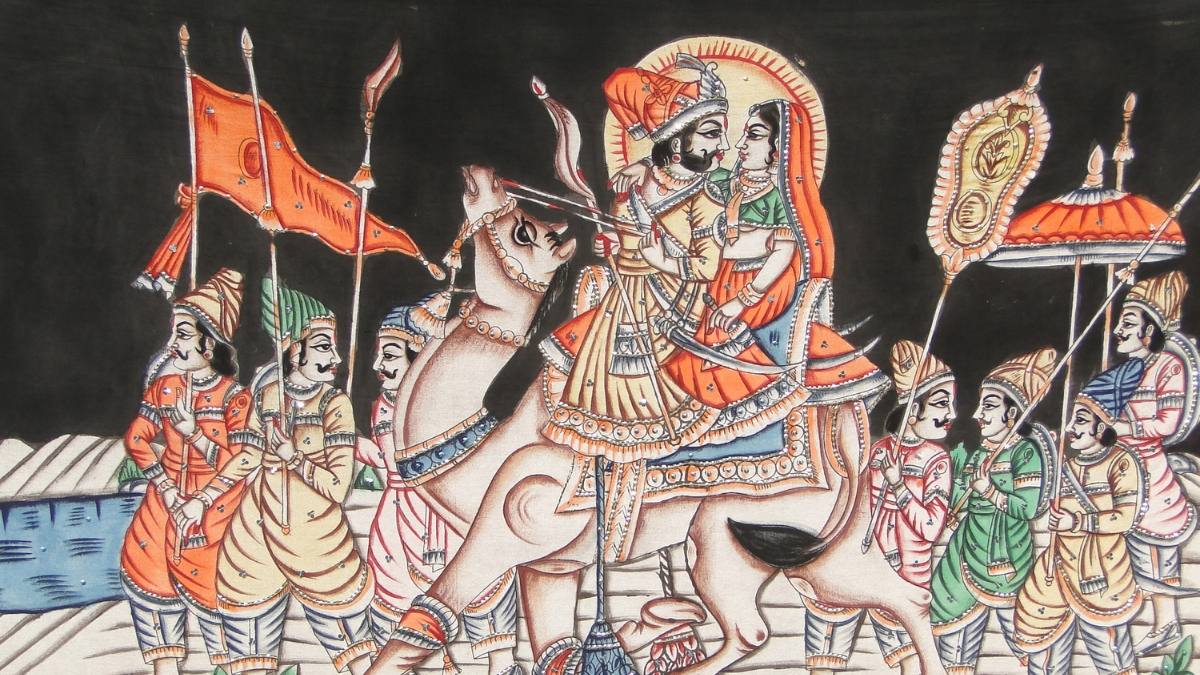
Indian Art Finds Amazing Life In The World Beyond Homes
By Ritabhari Chatterjee, WFY Bureau | Art & Culture | The WFY Magazine, January, 2026 Anniversary Edition
The Diaspora Aesthetic: How Migration Shapes Modern Indian Art and Culture
Summary
Shaped by movement across borders and generations, Indian art in the diaspora has evolved into a distinctive aesthetic of hybridity, memory, and reinvention. From visual art and music to literature and cinema, migration has influenced not only how Indian stories are told abroad but also how culture itself is reimagined. This article examines how the lived experience of displacement and belonging is redefining modern Indian art, creating new forms that speak to a global audience without losing cultural depth.
When Movement Becomes Meaning
Migration has always shaped culture, but rarely has it done so with the intensity and visibility seen in the modern Indian diaspora. As millions of Indians moved across borders over the past decades, they carried with them not only language and memory, but ways of seeing, making, and interpreting the world. Out of this movement emerged a distinctive creative sensibility, one that does not belong fully to any single geography.
This evolving sensibility, increasingly recognised across global cultural spaces, can be described as a diaspora aesthetic. It is marked by hybridity, negotiation, longing, and reinvention. It draws from Indian traditions while responding to the lived realities of displacement, adaptation, and belonging elsewhere. As 2026 begins, this aesthetic has become one of the most influential forces shaping modern Indian art and culture.
What makes it particularly compelling is that it is not confined to one medium. It appears across visual art, music, literature, cinema, theatre, fashion, and digital culture. It is expressed not only by first-generation migrants but also by those born into migration, who inherit both memory and distance.
The Emotional Geography of the Diaspora
Diaspora art often begins with geography, not as a place on a map but as an emotional terrain. Home exists simultaneously as a remembered space and an imagined one. The present is shaped by negotiation with unfamiliar environments. Identity unfolds between these poles.
For many Indian-origin artists living abroad, creative expression becomes a way to map this inner landscape. Art functions as both anchor and compass. It allows artists to articulate feelings that language alone cannot hold, such as partial belonging, cultural translation, and inherited memory.
This emotional complexity distinguishes diaspora work from art produced within national borders. The work does not seek to represent India as a whole, nor does it fully assimilate into host cultures. Instead, it occupies an in-between space, fluid and evolving.
Visual Art: Hybridity as a Language
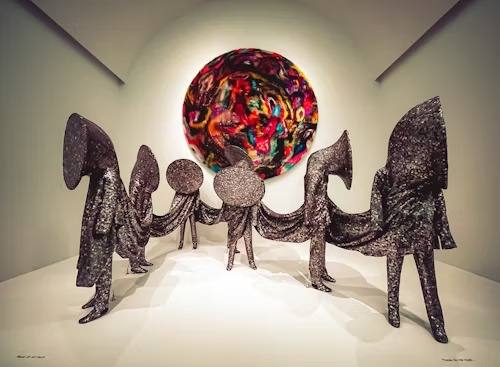
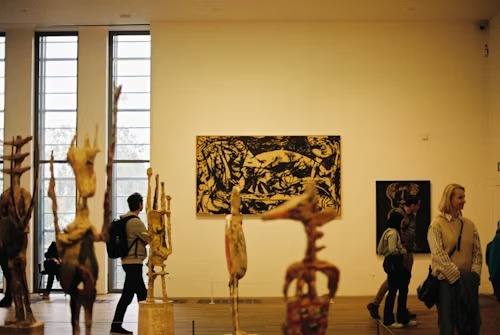
In visual art, the diaspora aesthetic is visible in the layering of symbols, materials, and references. Traditional Indian motifs appear alongside contemporary global imagery. Sacred iconography is recontextualised within urban settings. Craft techniques merge with conceptual frameworks.
Artists working across continents often revisit childhood memories through adult perspectives shaped by migration. Domestic objects, textiles, religious imagery, and everyday rituals are transformed into visual narratives about movement and change.
Digital tools further expand these possibilities. Photography, video, and mixed media allow artists to juxtapose multiple temporalities and geographies within a single work. This visual hybridity mirrors the lived experience of diaspora communities.
Importantly, these works resist easy categorisation. They are neither nostalgic reproductions nor radical departures. They are conversations between past and present, here and elsewhere.
Music: Sound as Cultural Negotiation
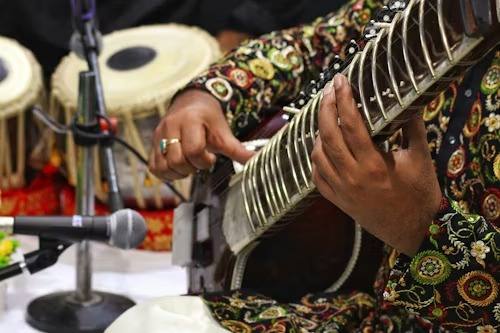
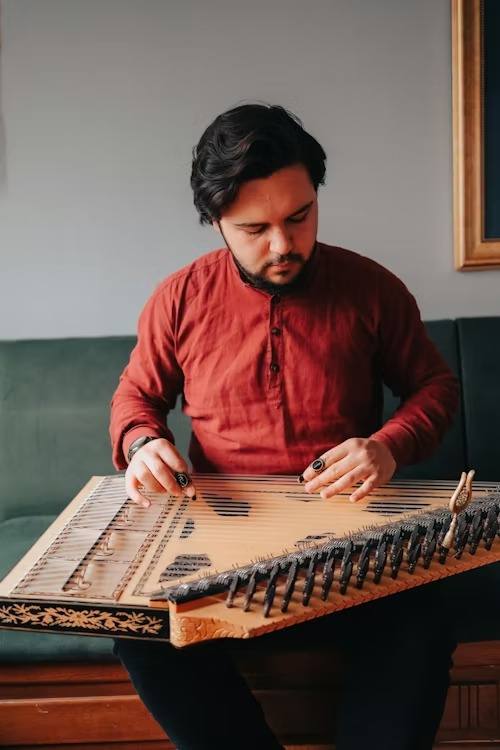
Music has long been a site of cultural fusion within the diaspora. Indian musical traditions, with their emphasis on melody and improvisation, adapt readily to new environments. In diaspora communities, classical ragas, folk rhythms, and devotional songs intersect with jazz, hip-hop, electronic music, and global pop.
This blending is not merely stylistic. It reflects lived experience. For artists navigating multiple cultural contexts, sound becomes a way to reconcile influences that might otherwise feel contradictory.
Young musicians raised outside India often encounter Indian music through family settings rather than formal training. Their engagement is intuitive rather than institutional. As they mature, they experiment freely, creating soundscapes that honour heritage without being bound by it.
Digital platforms accelerate this exchange. Music created in one city reaches listeners across continents, forming transnational audiences connected by shared experience rather than geography.
Literature: Writing Between Worlds
Diaspora literature has expanded significantly in recent years, encompassing fiction, memoir, poetry, and essay writing. These works explore themes of migration, identity, language, and belonging with increasing nuance.
Earlier diaspora writing often focused on arrival and adjustment. Contemporary voices move beyond this framework, examining generational shifts, internal conflict, and the complexities of inheritance. Writers address not only the challenges of migration but also its contradictions, privileges, and ambiguities.
Language itself becomes a site of exploration. Writers navigate between English and Indian languages, sometimes blending them, sometimes confronting loss and translation. This linguistic negotiation mirrors cultural experience.
For readers within and beyond the diaspora, such literature offers insight into lives shaped by movement, where identity is continually renegotiated rather than fixed.
Cinema: Reframing Indian Narratives Abroad
Diaspora cinema has played a crucial role in reshaping how Indian stories are told and received globally. Films created by Indian-origin directors working outside India often depart from mainstream tropes, focusing instead on intimate, character-driven narratives.
These films explore themes such as displacement, generational conflict, racial identity, and cultural expectation. They resist spectacle in favour of realism, inviting audiences into quiet moments of tension and recognition.
Importantly, diaspora cinema does not aim to explain Indian culture to outsiders. Instead, it presents lived experience as it is, trusting viewers to engage without handholding. This confidence marks a shift in global storytelling norms.
Film festivals and independent circuits have provided platforms for these narratives, allowing them to reach audiences beyond commercial constraints.
The Second Generation: Inheriting and Transforming Culture
For second-generation diaspora artists, the relationship to Indian culture is complex. Heritage arrives mediated through family, ritual, and memory rather than daily immersion. This distance creates both freedom and uncertainty.
Many second-generation creators approach Indian traditions with curiosity rather than obligation. They feel less bound by expectations of authenticity, allowing experimentation and reinterpretation. At the same time, they grapple with questions of legitimacy and belonging.
Their work often reflects this duality. It may critique tradition while cherishing it. It may blend irony with reverence. This tension gives rise to new forms of expression that challenge static notions of culture.
Fashion, Design, and Everyday Aesthetics
The diaspora aesthetic extends beyond fine art into fashion, design, and everyday visual culture. Traditional Indian textiles, silhouettes, and motifs appear in contemporary clothing and interior design, adapted for global contexts.
Designers draw inspiration from handloom traditions, craft techniques, and regional patterns, translating them into modern forms. This process supports artisans while introducing heritage to new audiences.
In diaspora homes, everyday objects reflect similar hybridity. Spaces combine cultural markers from multiple worlds, creating environments that feel personal rather than prescriptive.
These everyday aesthetics reinforce the idea that culture lives not only in galleries and stages, but in daily life.
Digital Spaces and Cultural Expression
Social media and digital platforms have transformed how diaspora culture circulates. Artists, writers, and musicians share work instantly, bypassing traditional gatekeepers. Online communities form around shared experiences of migration and identity.
These spaces encourage experimentation and dialogue. They allow emerging voices to find audiences without institutional validation. They also foster cross-cultural exchange, connecting diaspora creators across regions.
However, digital visibility brings challenges. Algorithms shape attention, sometimes favouring surface-level representation over depth. Sustaining meaningful cultural discourse within these systems requires intentionality.
The Question of Authenticity
As diaspora art gains prominence, debates around authenticity intensify. Who has the right to represent Indian culture? What constitutes tradition? Can reinterpretation dilute heritage?
These questions have no simple answers. Authenticity in diaspora contexts is not about purity, but honesty. It emerges from lived experience rather than external validation.
Diaspora artists challenge the idea that culture must remain unchanged to remain valid. They demonstrate that adaptation can coexist with respect.
This perspective encourages a more inclusive understanding of Indian culture as dynamic rather than fixed.
Economic and Institutional Contexts
Cultural production does not exist outside economic reality. Diaspora artists navigate funding structures, institutional frameworks, and market expectations that shape creative choices.
Access to resources varies widely. While some artists benefit from international exposure and support, others struggle to sustain practice amid precarious conditions.
Institutions increasingly recognise the value of diaspora perspectives, yet representation remains uneven. Ensuring equitable access requires conscious effort from cultural organisations, funders, and policymakers.
A Two-Way Influence
The diaspora aesthetic influences not only global perceptions of Indian culture but also cultural production within India. Artists based in India engage with diaspora work, drawing inspiration from its perspectives and methods.
This exchange enriches both sides. It challenges assumptions about centre and periphery, suggesting a more networked cultural landscape.
Indian culture today is shaped as much by its global circulation as by local practice.
Looking Forward
As 2026 begins, the diaspora aesthetic continues to evolve. New generations will reinterpret heritage in ways shaped by emerging technologies, shifting politics, and changing notions of identity.
What remains constant is the role of art as a space for negotiation. Through creative expression, diaspora communities make sense of movement, memory, and belonging.
Supporting this cultural ecosystem requires openness, dialogue, and respect for complexity.
Conclusion: Culture in Motion
The Indian diaspora aesthetic reminds us that culture is not confined to borders. It travels with people, adapts to circumstance, and grows through exchange.
By shaping modern Indian art and culture, migration has expanded the language through which stories are told and identities are explored. The result is not fragmentation, but multiplicity.
In embracing this complexity, Indian culture affirms its vitality in a global age.
Disclaimer: This article is an independent cultural feature produced by the WFY Bureau for editorial and informational purposes. It does not represent the official views of any institution, organisation, or individual. Observations are based on publicly available information, cultural trends, and reasoned analysis as of the period leading into 2026.